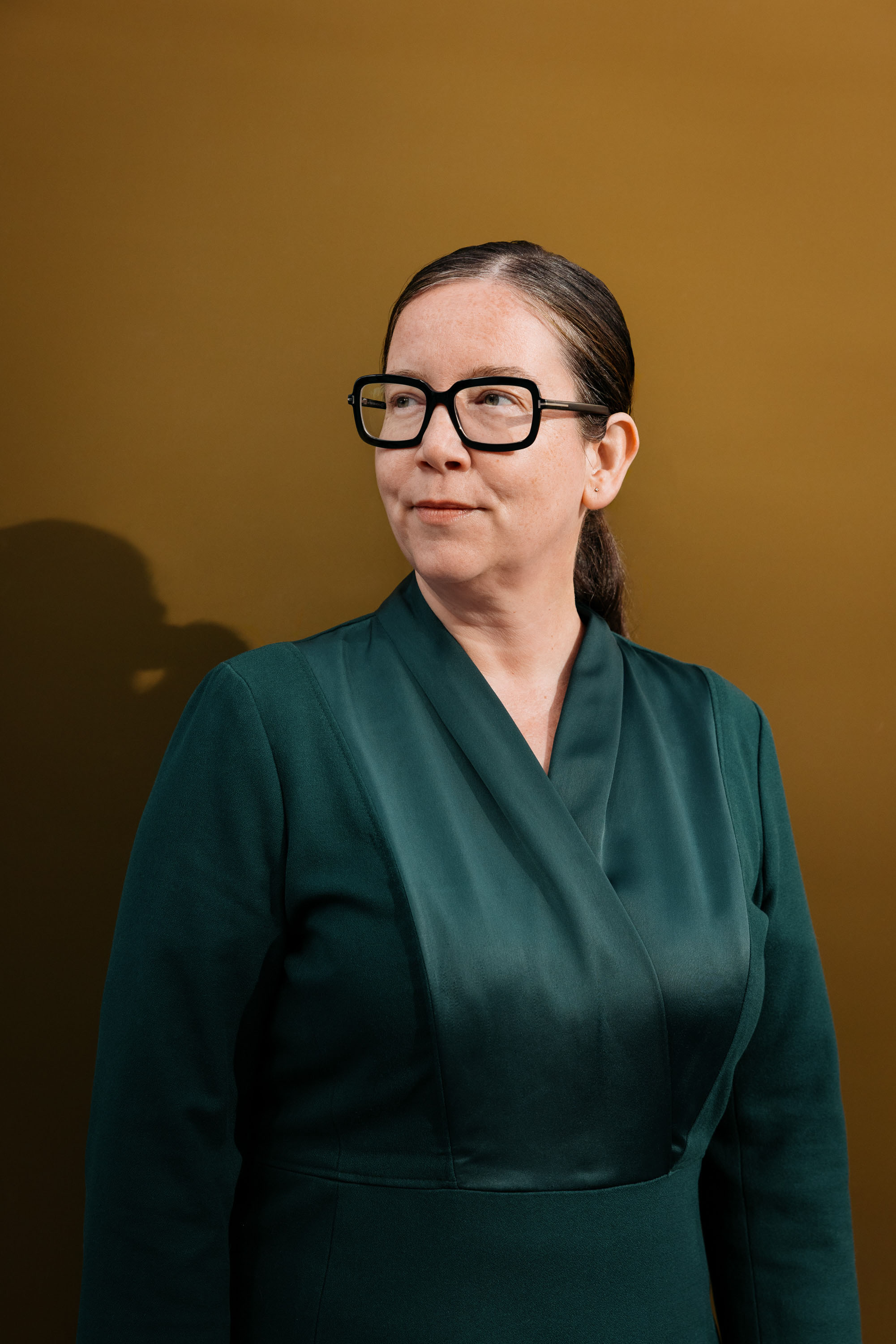
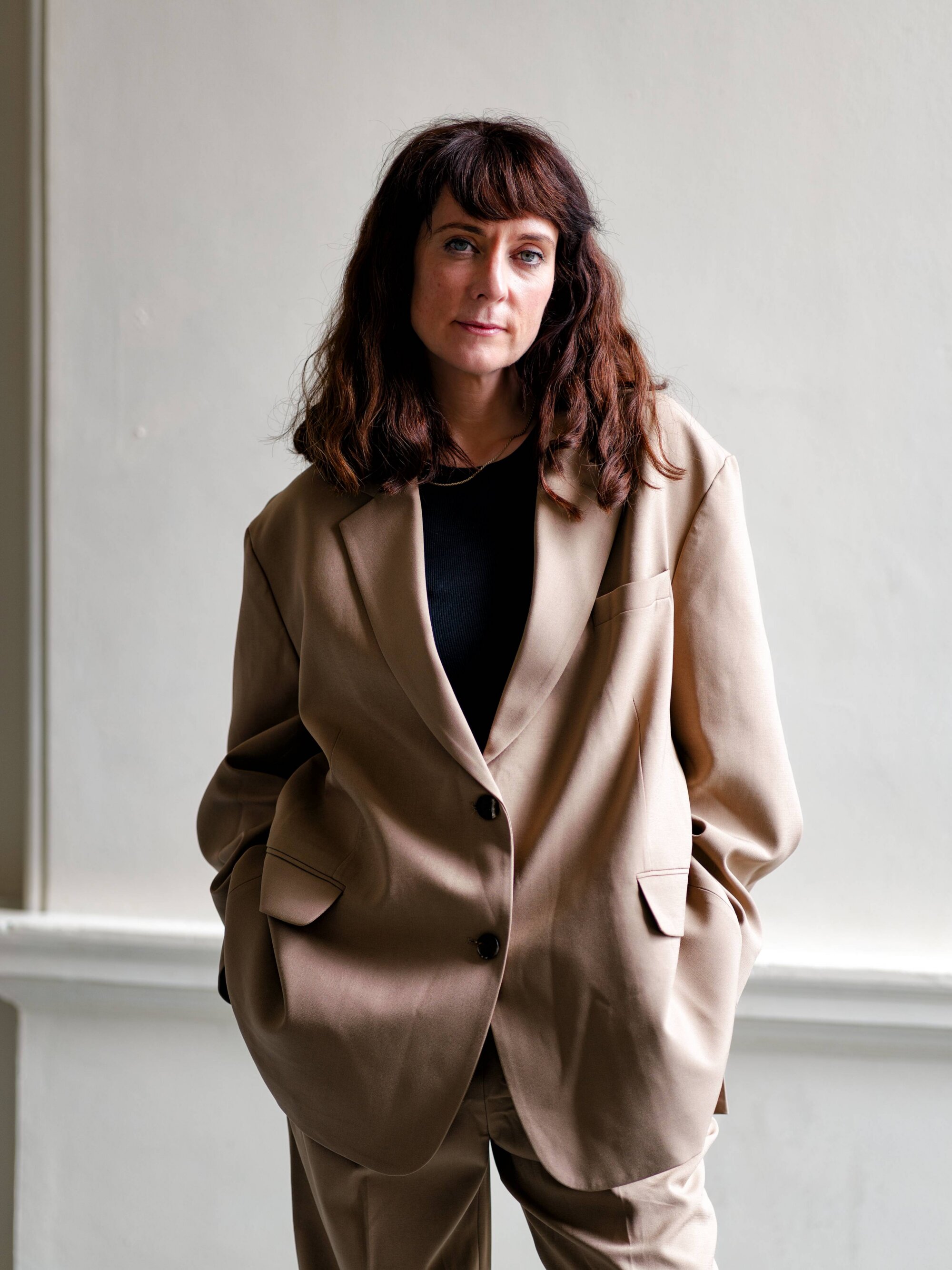
The Wick Culture - Regina Pyo The Wick Culture - Regina Pyo
Monday Muse

Interview: Fashion Designer and Creative Director Rejina Pyo

Interview
Rejina Pyo
Photography
Bob Foster
16 February 2026
Interview
Rejina Pyo
Photography
Bob Foster
16 February 2026
Rejina Pyo, founder of her eponymous, internationally-sought after label, was born in Seoul, where she lived before relocating to London in 2008 to study at Central Saint Martins, where she graduated from the MA Fashion Design programme. After a stint at Roksanda, Pyo was honoured with the prestigious Han Nefkens Award in 2012 – paving the way for the launch of her gamechanging brand in 2014. With a consistent interest and background in design and painting Pyo has always drawn on a rich variety of art forms for inspiration for her collections, and she is the contemporary art world’s favourite designer, curating exhibitions and dressing everyone from Cassi Namoda to Chantal Joffe. With Rejina Pyo collections available at their London stores in Soho and Notting Hill, as well as at select international stockists and online, Pyo’s creations have been showcased in high-profile exhibitions around the world, and she has been recognised with numerous accolades, including the Samsung Fashion Design Fund and the British Fashion Award for Emerging Talent. As Fashion Week heads to London, The Wick caught up with Pyo to hear more about her vision, her exciting new project on Golborne Road, and why she has a particular affection for painting.

THE WICK:   What does a typical Monday look like for you?

Rejina Pyo:   Mondays are about grounding myself for the week ahead. I catch up with the team, review ongoing projects, and spend time designing or painting. It’s a mix of creative work and practical planning and it helps set the tone for the days ahead.

TW:   As a figure synonymous with art and fashion, which genre or period of art influences you most in your design?

RP:   I draw inspiration from all eras and styles, it’s never just one. I respond to textures, forms, contrasts, and the feeling a work evokes. That energy guides how I think about balance, tension, and storytelling in my designs.

TW:   How much do you think your heritage has impacted your career and approach?

RP:   It was difficult at first, I wasn’t fully seen as British or Korean. But that experience taught me to blend East and West in my work, giving the brand a global perspective. It has shaped how I approach design with openness, curiosity, and a mix of influences.

TW:   Your designs often balance sculptural silhouettes with feminine softness. How has an art aesthetic inspired this?

RP:   I’m drawn to tension, the push and pull between soft and hard, opaque and transparent. In fashion, translating that creates contrast and balance, something visually striking yet approachable. It’s the moments of tension that provoke curiosity.

“Success is personal, it’s about feeling grateful for what you do, having freedom to create, and living a life aligned with your passions.”

TW:   How do you see fashion and art finding new ways to share a dialogue?

RP:   For the people I design for, interest in art feels natural. Fashion and art converse organically, whether through exhibitions, installations, or shared spaces. It’s less about formal collaboration and more about connecting ideas and experiences.

TW:   Your new Golborne Road project blends fashion and art. What draws you to a creative partner? Who would be your dream collaborator?

RP:   I look for authenticity. Collaboration works when ideas feel genuine and inspiring. I’m excited to work with more artists across disciplines, exploring perspectives that challenge and expand the way I think about design.

TW:   London or Seoul?

RP:   Both cities inspire me in different ways. London’s galleries, Thaddaeus Ropac, David Zwirner, Sadie Coles, offer constantly fresh perspectives. Seoul’s museums, especially in the north of the city, are quiet but powerful spaces worth visiting. I love exploring both.

TW:   What artwork or design object are you next coveting for your home or collection?

RP:   I love collecting paintings, they’re emotional purchases, almost like keeping a piece of an artist close to me. I’m also drawn to postmodern Italian furniture, lamps, chairs, objects that feel sculptural yet functional and playful.

TW:   The best piece of career advice and your definition of success?

RP:   Trust yourself. Your timeline is unique and it will unfold in the best way. Success is personal, it’s about feeling grateful for what you do, having freedom to create, and living a life aligned with your passions.

TW:   Who is your ultimate Monday Muse and why?

RP:   All women carving their own paths. Their courage, creativity, and resilience inspire me every day. They remind me why I do what I do.


Share story
Further Information
READ MORE
The Wick Culture - Interview: Fashion Designer and Creative Director Rejina Pyo
Monday Muse

Interview “The Most Powerful Work Often Already Exists”: Sabine Senn on Prix Pictet and the Power of Photography

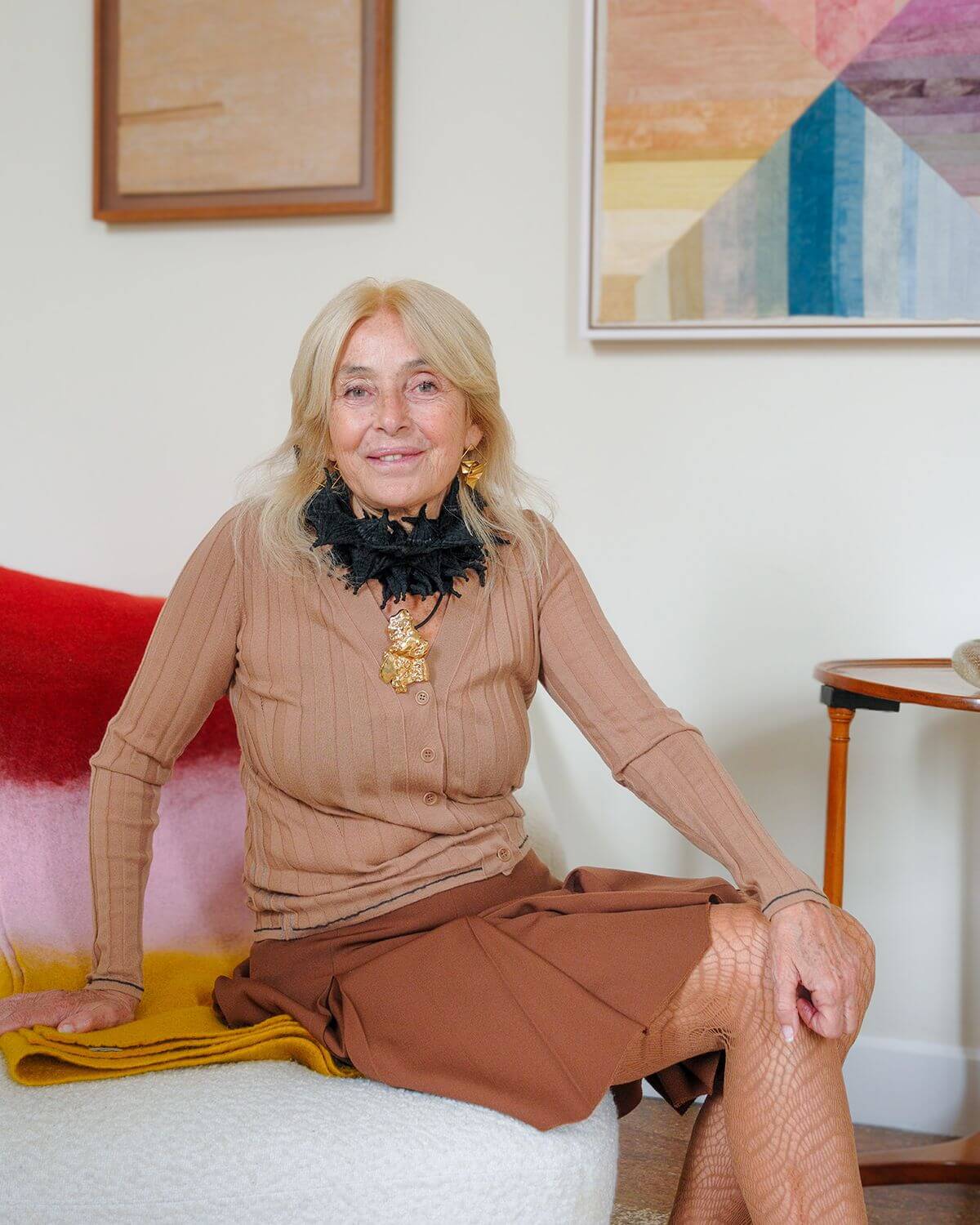
The Wick Culture - Nicoletta Fiorucci, 2026. Photo by Maxim Dosca Courtesy of My Art Guides, Lightbox (2026)
Monday Muse

Interview “Fall in Love with the Work You Want to Acquire”: Nicoletta Fiorucci on Artists and the Art of Patronage

The Wick Culture - Interview: Fashion Designer and Creative Director Rejina Pyo
Monday Muse

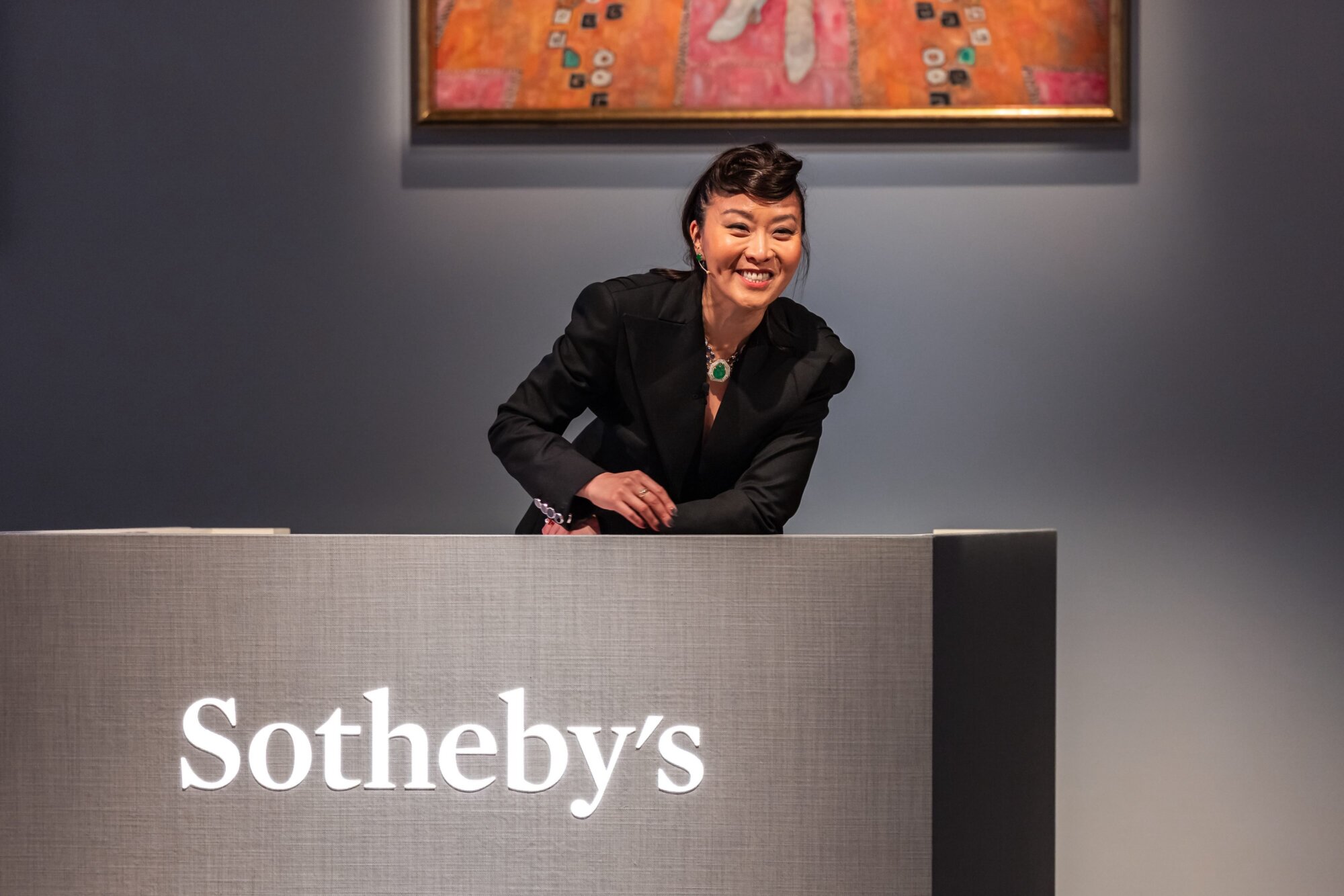
Interview “Art Had to Be a Part of a Well-Lived Life”: Phyllis Kao on Sotheby's, Auctioneering and Asian Art

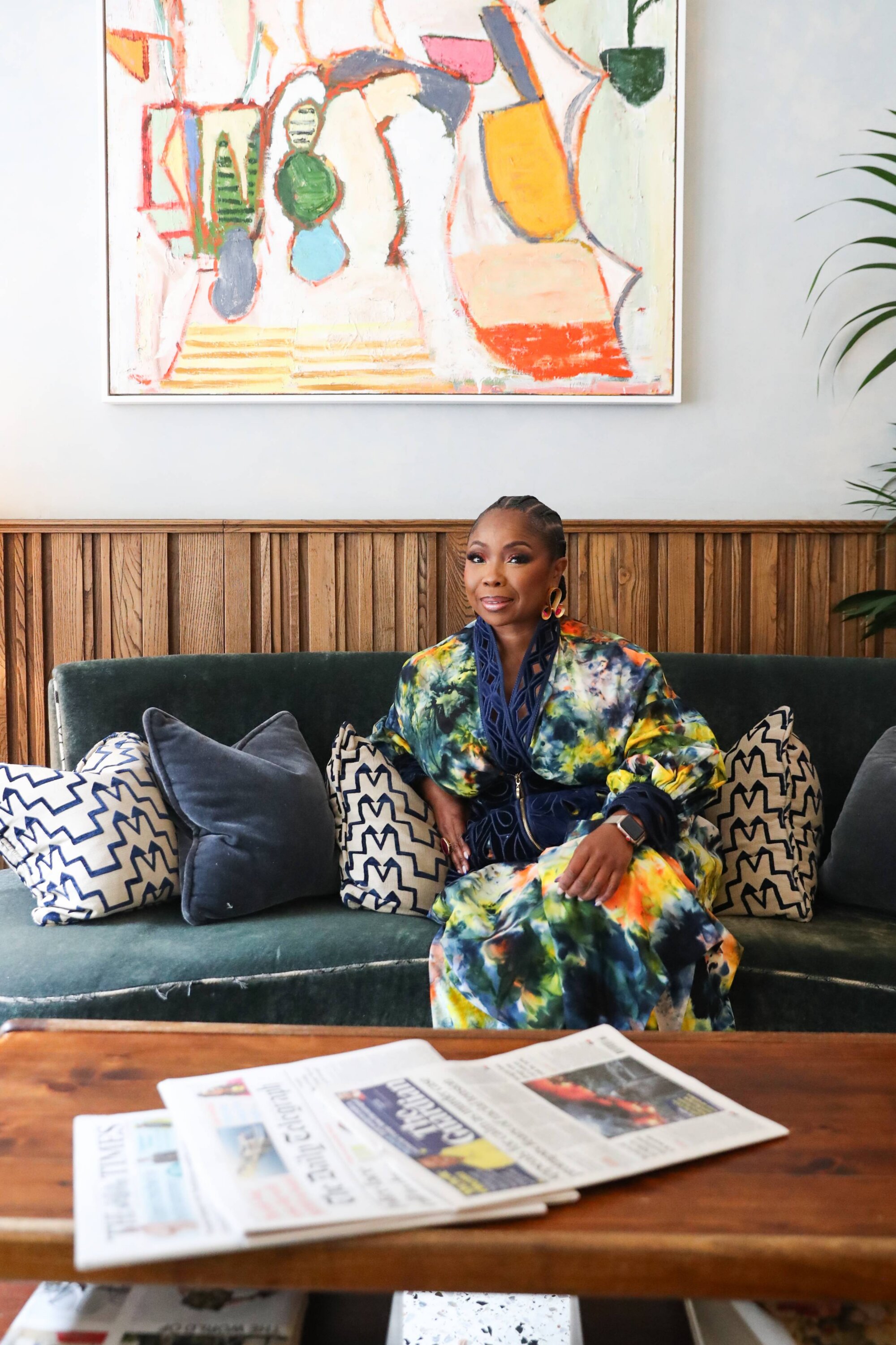
The Wick Culture - Eva Omaghomi. Photo: Ernest Simons
Monday Muse

Interview “Africa Has Always Produced Luxury”: Eva Omaghomi on Putting African Fashion Front and Centre

The Wick Culture - Photo © Anne Tetzlaff
Monday Muse

Interview “If an Artist Can Imagine It, We Can Try and Make It Happen”: Marie McPartlin on Ten Years of Somerset House Studios

The Wick Culture - Portrait of Sarah Carrington. Photo: Chloe Mallett
Monday Muse

Interview “Sculpture Is Always an Experiment”: Sarah Carrington on Taking Art Outdoors