Interview “Art Had to Be a Part of a Well-Lived Life”: Phyllis Kao on Sotheby’s, Auctioneering and Asian Art
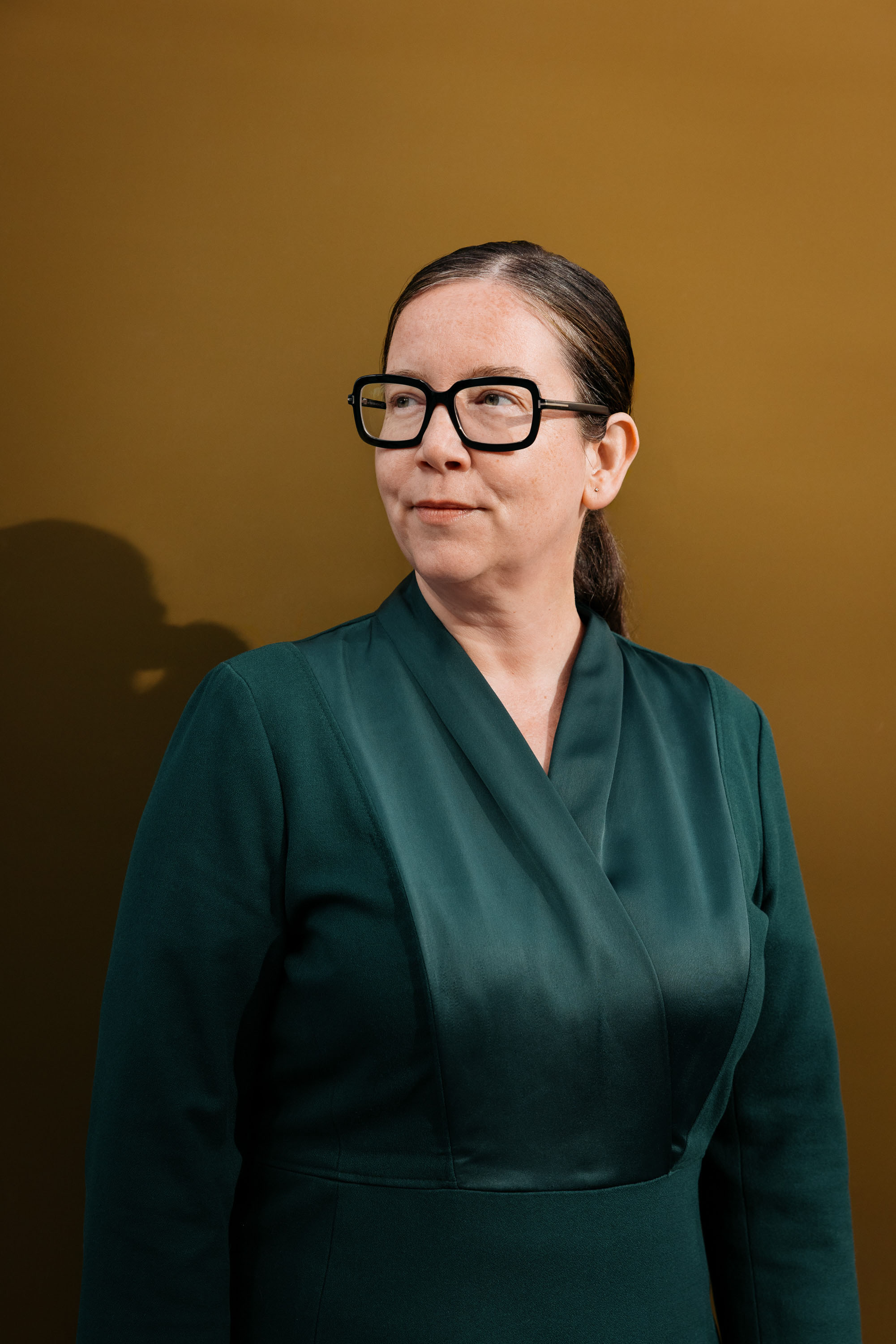
Kao grew up in the San Francisco Bay Area in a Taiwanese-American family where art and music were an integral part of life. Her maternal grandfather collected Chinese works of art, while Kao trained seriously as a violinist before studying history at Columbia University and entering the auction world. Fluent in English, Mandarin and French with time spent studying in New York, Paris and Taipei, she brings an international perspective to a profession that depends heavily on judgement and knowing how to read a room.
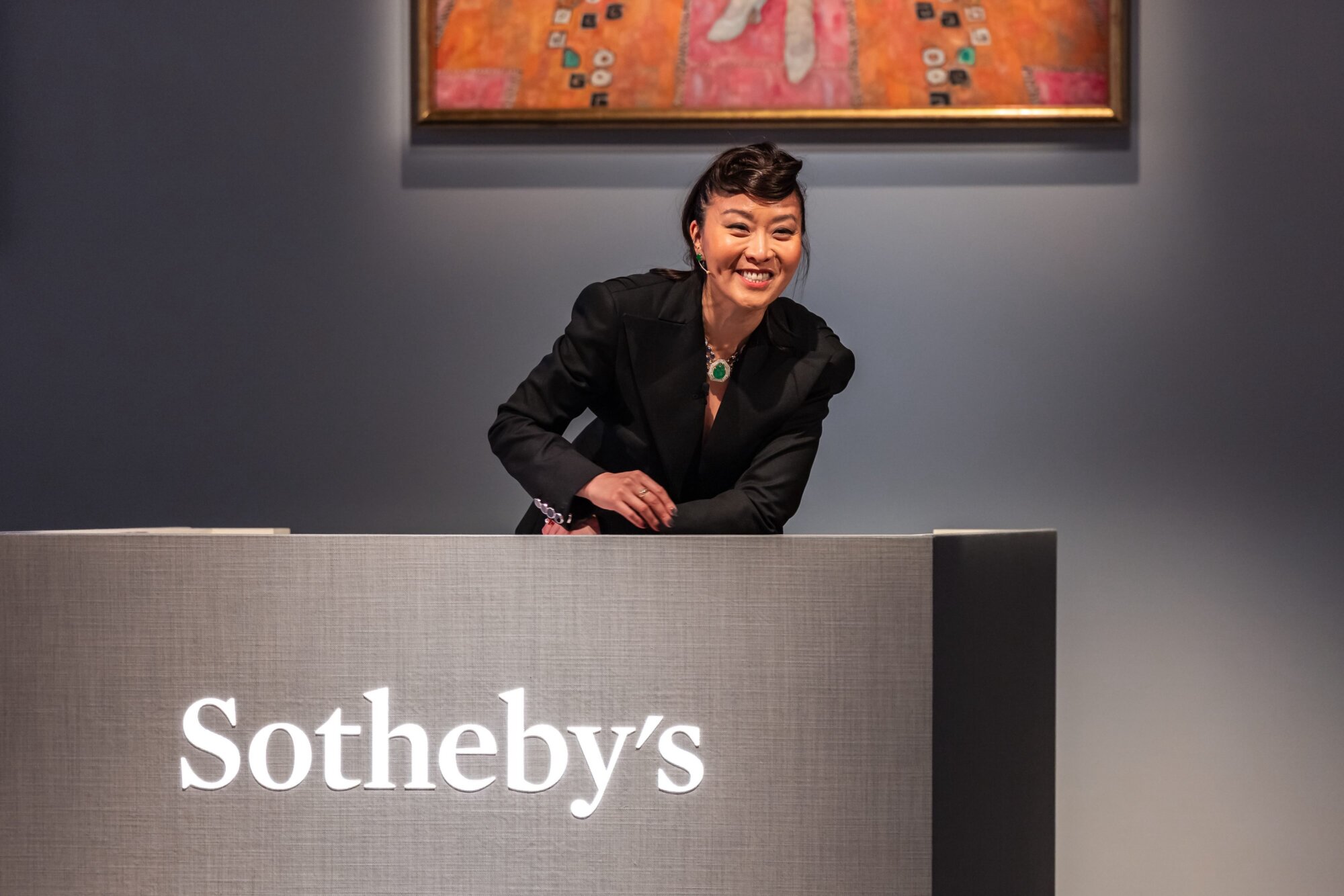
Since joining Sotheby’s in 2016, Kao has become increasingly recognisable beyond the saleroom, not least for the assured personal style she brings to the auction room. She also regularly conducts auctions for museums, universities and philanthropic organisations, including SFMOMA, the New Museum, the United Nations and Sundance Film Festival. Her cultural life is just as wide-ranging: she collects Buddhist works of art, contemporary Chinese ink painting and antique Chinese carvings and remains closely connected to the Bay Area where she grew up.
As Asian Art in London opens this week, The Wick caught up with Kao to talk about collecting, the Maria Callas metronome she still wishes had sold for more and her trusted fashion choice when it is time to go into (art) battle.
THE WICK:
What does your typical Monday look like?
Phyllis Kao: There is no such thing as ‘typical’, for better or for worse! Every week and day is different. A possible Monday could be emails and meetings with colleagues in the morning, lunch and walking an exhibition floor with a client, prepping for an auction in the late afternoon, then heading downtown to an exhibition opening or a dinner event. Or it could very well be catching a plane to take a gala auction in another city, or it could be interviews and a photo shoot…
TW:
You are not only an auctioneer but also Vice President in the Luxury Division at Sotheby’s New York – what first drew you into the art world?
PK: My first interest probably arose from my maternal grandfather, who loved collecting Chinese works of art. I have memories of perusing antique shops with him and examining ceramics and curios. He was a highly educated, chic, well-dressed, well-travelled man and a great influence in my life. He showed me that art had to be a part of a well-lived life.
TW: You trained as a violinist before taking the rostrum. Which piece of music best captures the rhythm of a great evening sale?
PK: The first piece that comes to mind was Gustav Holst’s The Planets! There are lots of different personalities, dramas, crises and triumphs within every sale – just as diverse as the movements of Holst’s masterpiece.
TW: Millions watch you online without ever raising a paddle. What do you hope they take away about art and culture?
PK: I hope they form their own opinions about art and that they enjoy participating, even at a non-bidding spectator level. I hope they feel they have a connection and a stake in the art and culture of their time. I am always happy and moved to hear that it is to many people’s surprise and delight that they see a woman of color can have the position of power in this arena.
“I am always happy and moved to hear that it is to many people’s surprise and delight that they see a woman of color can have the position of power in this arena.”
Phyllis Kao
TW: You dress in tune with what’s under the hammer and are known as a style icon. What is your go-to label to make a big sale?
PK: There isn’t a single go-to label, but I have a few favourites in my arsenal. I love my silver Armani jacket that I wore for Apex the Stegosaurus. Each time I sell in a particular Jonathan Cohen suit, the sale goes quite well. My tried-and-true ‘going into battle’ jacket is my navy blue vintage double-breasted Yves Saint Laurent jacket.
TW: Asian Art in London brings dealers, scholars and collectors to the city every autumn. From the rostrum, how have you seen the appetite for Asian art change, and which objects or categories do you think are still undervalued?
PK:
Asian art is a great case study for art market cycles that follow geopolitical trends. When I first started in the industry, Chinese art was taking off. I saw the category subsequently boom, then retract and correct itself. If you follow the Indian art market, it will tell its own story, and the Japanese art market tells yet another. I think there is still plenty of opportunity in the latter.
TW: You’ve sold paintings, jewels, wine and a dinosaur. Which category surprised you most once you got to know it?
PK: Every category holds its own delightful surprises and characters, but the world of natural history (including dinosaur fossils) probably shocked me the most, as I had the least experience with it before becoming one of its auctioneers. I once held a large piece of our moon in my hands, prior to taking one of those sales.
TW: Is there a lot you still think about, one that got away or went for far more or less than it deserved?
PK:
This does happen from time to time. The one currently lodged in my mind is naturally a fresh one. I recently sold the personal practice metronome of Maria Callas, and it hammered at $6,000. I felt it should have brought at least $10,000!
TW:
What is your favourite culturally curious spot in London & New York?
PK:
In London I love spending time at the Wallace Collection. In New York, my home, there are so many, but I’ll say the room of large Chinese stone Buddhist sculpture at the Metropolitan Museum.
TW:
Charity galas versus the Breuer: which crowd is harder to win over, and how do you read a room in the first thirty seconds?
PK:
The Breuer is harder!
In any arena, the energy is palpable and easy to read, as long as your vision and your hearing aren’t hindered (which has happened to me before!), and your nerves aren’t so fraught that they are overriding your senses. Making eye contact with people helps you connect with them and gauge how they are feeling.
TW:
Away from Sotheby’s, which object would you never sell, whatever the bid?
PK:
There are many.
TW: As a woman in business, what is the best piece of advice you have received and who did it come from?
PK: “Don’t worry about what other people are doing, just focus on your own tasks and get to work.” – Brad Bentoff, Vice Chairman and Head of Auctioneers, Sotheby’s New York.