Dream & Discover
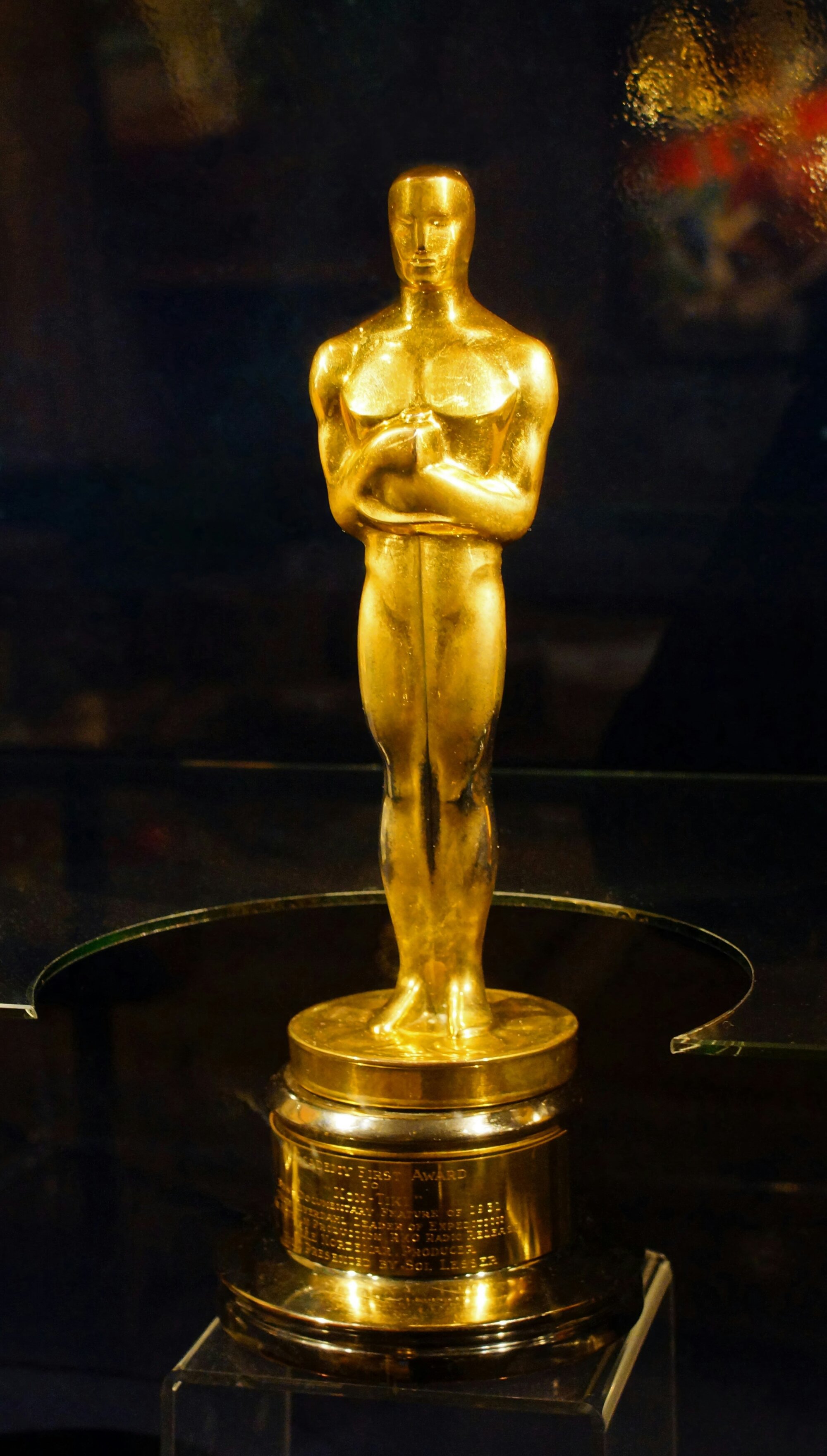
Dream Academy Award of Merit
1928
Following the 98th Academy Awards ceremony that took place earlier this week, we take a closer look at the history of the Oscar statuette, officially known as the Academy Award of Merit, one of the most famous sculptures in popular culture and an international icon of the film industry. The sculpture was created in 1928 by the American artist George Stanley, based on a design concept by Cedric Gibbons, an art director at Metro-Goldwyn-Mayer. It was designed for the Academy of Motion Picture Arts and Sciences to serve as the trophy for achievements in filmmaking. George Stanley transformed Gibbons’s sketch into a three-dimensional sculpture. The design shows a knight standing upright while holding a crusader’s sword. The knight stands on top of a film reel with five spokes. These spokes represent the five original branches of the Academy: actors, directors, producers, writers, and technicians. Stanley’s sculpture combines classical artistic style with modern symbolism connected to the film industry. The Oscar statuette is about 13.5 inches (34 cm) tall and weighs approximately 8.5 pounds (3.9 kg). Today it is made from bronze and plated with 24-karat gold, giving it its distinctive golden appearance. The smooth surface, balanced posture, and simple but powerful design reflect Stanley’s skill as a sculptor and his ability to create a timeless symbol. The first Oscar awards ceremony took place in 1929, and since then the statuette has become one of the most recognisable awards in the world. Each year, winners receive this sculpture as a sign of excellence in cinema. George Stanley’s work has therefore become a lasting icon of achievement in the global film industry and a symbol of artistic and creative success.