Our top picks of exhibitions together with cultural spaces and places, both online and in the real world.


All, Art, Auctions, Exhibitions, Travel & Hospitality, Initiatives

Viewing T. Venkanna: Sculpture Garden

Garden of earthly unease.

For his first institutional solo exhibition, T. Venkanna fills Studio Voltaire with a major new series of egg-tempera paintings on board. Born in Gajwel, India and based in Hyderabad, the artist has long used the body to examine power, desire, obedience and transgression. Sculpture Garden brings these concerns into a lush, unsettling world where the sacred and the corporeal blur into one another.

Venkanna hand-grinds coloured pigments and mixes them with egg yolk, building up fine layers that give the works their luminous surface. The technique connects him to a long history of religious painting, while the imagery draws on South Asian and European devotional traditions, reworking them with a distinctly original sensibility.

At the centre of the exhibition, Sculpture Garden (2026) spans the altar recess, an architectural reminder of the gallery’s former life as a chapel. Human forms and sculpted figures appear inside a dense landscape of sex and looking, with Adam and Eve watching from behind. Instead of a vision of paradise, the garden is a tense public arena where intimacy and display collide.

Elsewhere, Celebration (2026) folds darker political undertones into scenes of festivity, while Golden Quartet (2025) gilds bodily excess in gold leaf. Across the exhibition, desire is a force through which Venkanna examines national identity and social control. A challenging show, but definitely not one to miss.

Share story
Further Information
Metal with memory.

Mumbai-based designer and artist Ashiesh Shah makes his UK solo debut with Taamr, a new body of work at Carpenters Workshop Gallery anchored by copper as both material and idea. The title takes its name from the Sanskrit word for copper, a metal that changes with touch and time.

Shah’s practice has long placed Indian craft in conversation with contemporary design. Working with karigars (artisans) from across India, he draws on traditions ranging from longpi pottery to dhokra metalwork, treating craft not as heritage under glass but as a living, inventive practice.

In Brahmand Cabinet, antique copper pots rest on a black granite base, giving domestic vessels a renewed sculptural presence. Mirror Mosaic Coffee Table meanwhile looks to the precision of Jadau and Kundan jewellery, while Dveep Coffee Table recalls Mumbai’s origin as an archipelago, its reflective surfaces linked by strands of hand-turned Channapatna beads. Matka Mobile reimagines earthen pots as a gently orbiting arrangement, with sun, moon and earth suspended overhead.

Across the exhibition, copper is a way to think about transformation. In Shah’s hands, the material is a living archive: familiar yet always evolving.

Share story
Further Information

Viewing The Meeting Ground: Scenes from the KNMA Collection

Common ground.

This summer, the Kiran Nadar Museum of Art travels from New Delhi to King Street with The Meeting Ground: Scenes from the KNMA Collection, a major institutional exhibition staged with Christie’s as part of its summer exhibition series. Free to visit, it offers London audiences a rare glimpse into one of South Asia’s most important museum collections, at a moment when KNMA is preparing for its vast new standalone home in New Delhi.

Curated by Akansha Rastogi with Preeti Bahadur, Avijna Bhattacharya, Premjish Achari and Srinivas Aditya Mopidevi, the exhibition brings together modern and contemporary works alongside folk and indigenous practices from South Asia in a set of scenes in which artists, materials and ways of thinking are set in conversation with one another.

The exhibition develops through a set of interlinked strands rather than a single linear narrative. It begins with a dialogue between modernists including M.F. Husain, S.H. Raza, Jeram Patel, K.C.S. Paniker, K.G. Subramanyan and K. Ramanujam, mapping exchanges between different centres of artistic production in India from the mid-twentieth century to the present, before expanding into a more performative register where artists such as Neha Choksi, LN Tallur and Simryn Gill explore how acts of listening and mark-making keep memory alive. A further strand foregrounds figures including Zainul Abedin, Anwar Jalal Shemza, Zarina Hashmi, F.N. Souza and Bani Abidi, whose practices resist the rigid borders imposed by modern cartographies.

Running through these movements are artists rooted in indigenous traditions, among them Jangarh Singh Shyam and Jivya Soma Mashe, alongside the collaborative work of Gauri Gill and Rajesh Vangad. Together, these threads build a layered account of desire, belonging and displacement, and invite viewers to reconsider how a collection might be experienced. Essential viewing.

Share story
Further Information
READ MORE
The Wick Culture - Anuk Rocha, 2026
Spotlight

Spotlight Anuk Rocha creates patchwork portraits from fleeting feelings

The Wick Culture - Yeonjoon Yoon, Gavin Poole, Conrad Shawcross, Tristram Hunt at UMBILICAL

Happenings Conrad Shawcross: UMBILICAL at Here East

Happenings
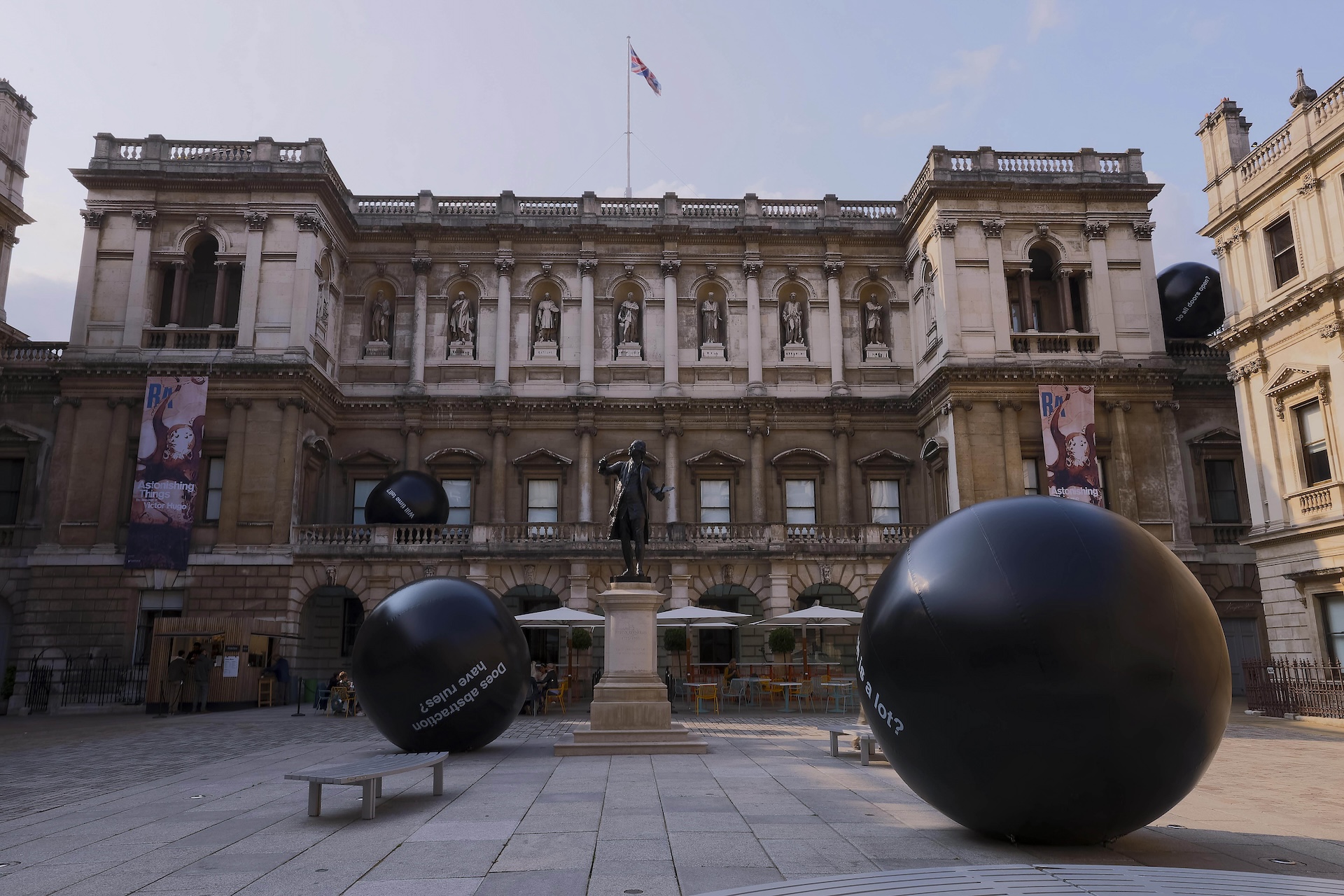
The Wick Culture - Gallery view of the 2025 Summer Exhibition
Photo: © David Parry/ Royal Academy of Arts

Happenings RA Summer Party

Happenings
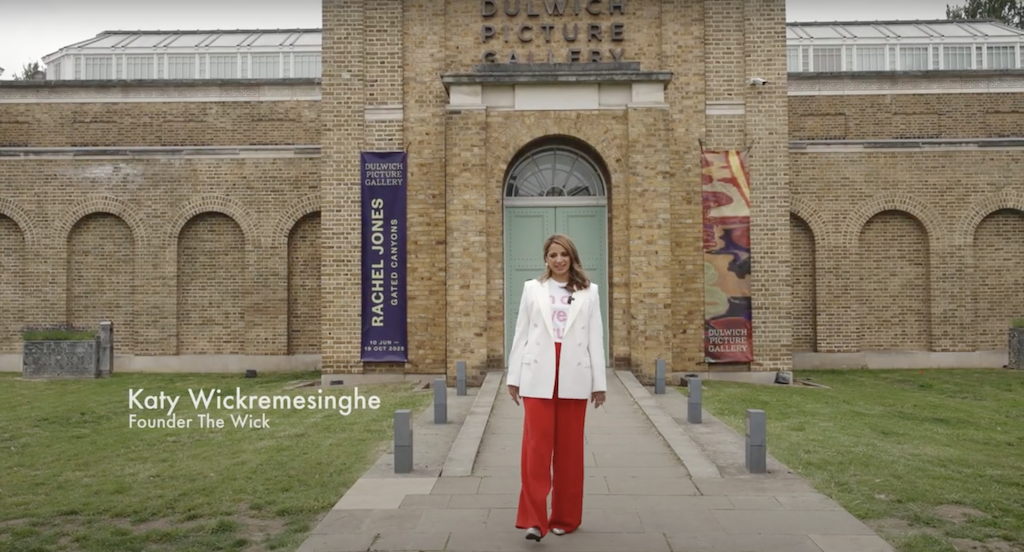
The Wick Culture - Katy Wickremesinghe at Dulwich Picture Gallery

Happenings Rachel Jones at Dulwich Picture Gallery

Happenings
The Wick Culture - Katy Wickremesinghe at Dulwich Picture Gallery

Happenings Rachel Jones at Dulwich Picture Gallery

Happenings
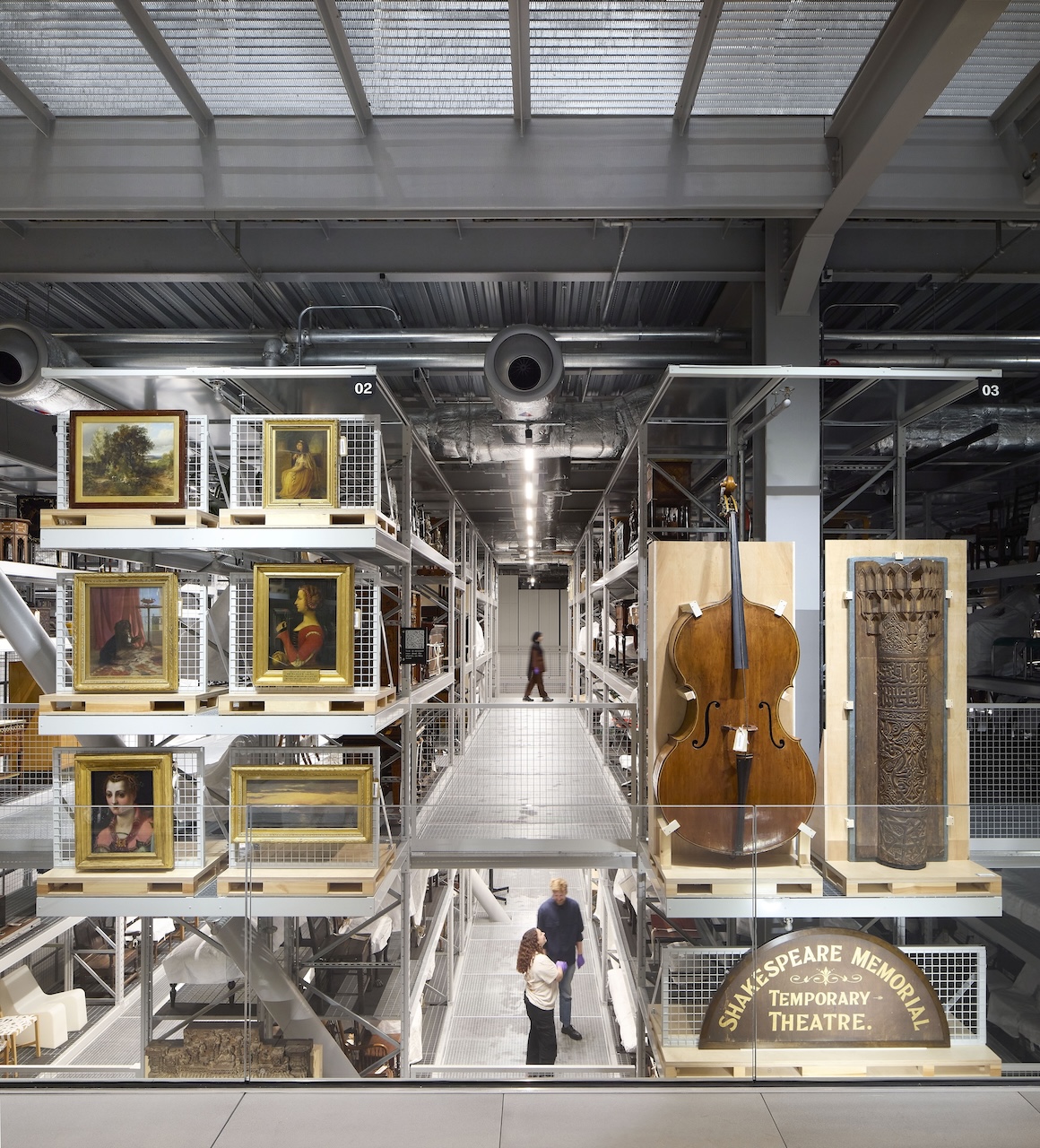
The Wick Culture - The Weston Collections Hall at V&A East
Storehouse, including over 100 mini
curated displays ‘hacked’ into the ends
and sides of the storage racking. Image by Hufton + Crow for V&A

Happenings V&A East Storehouse

Happenings