The art of the bargain.
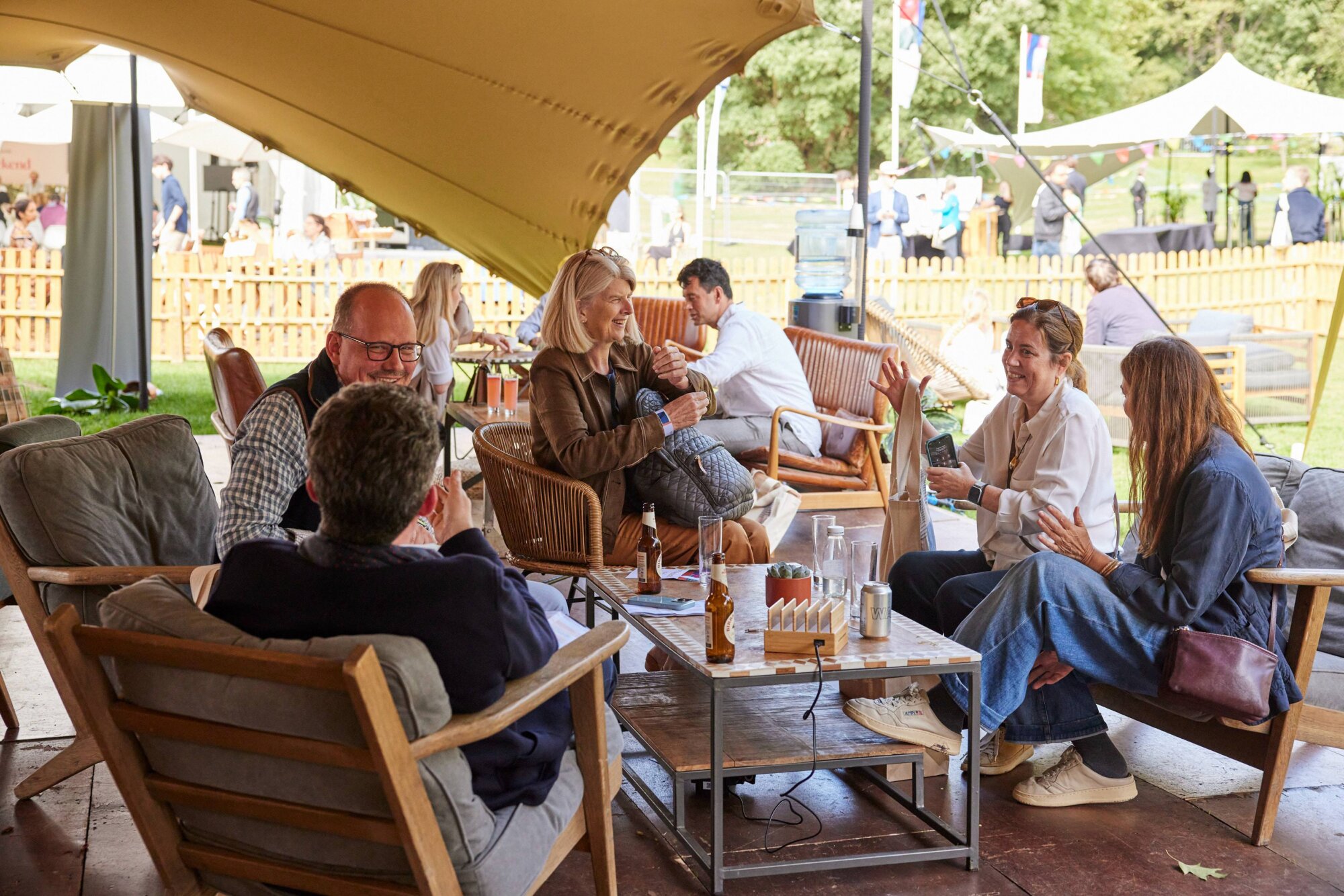
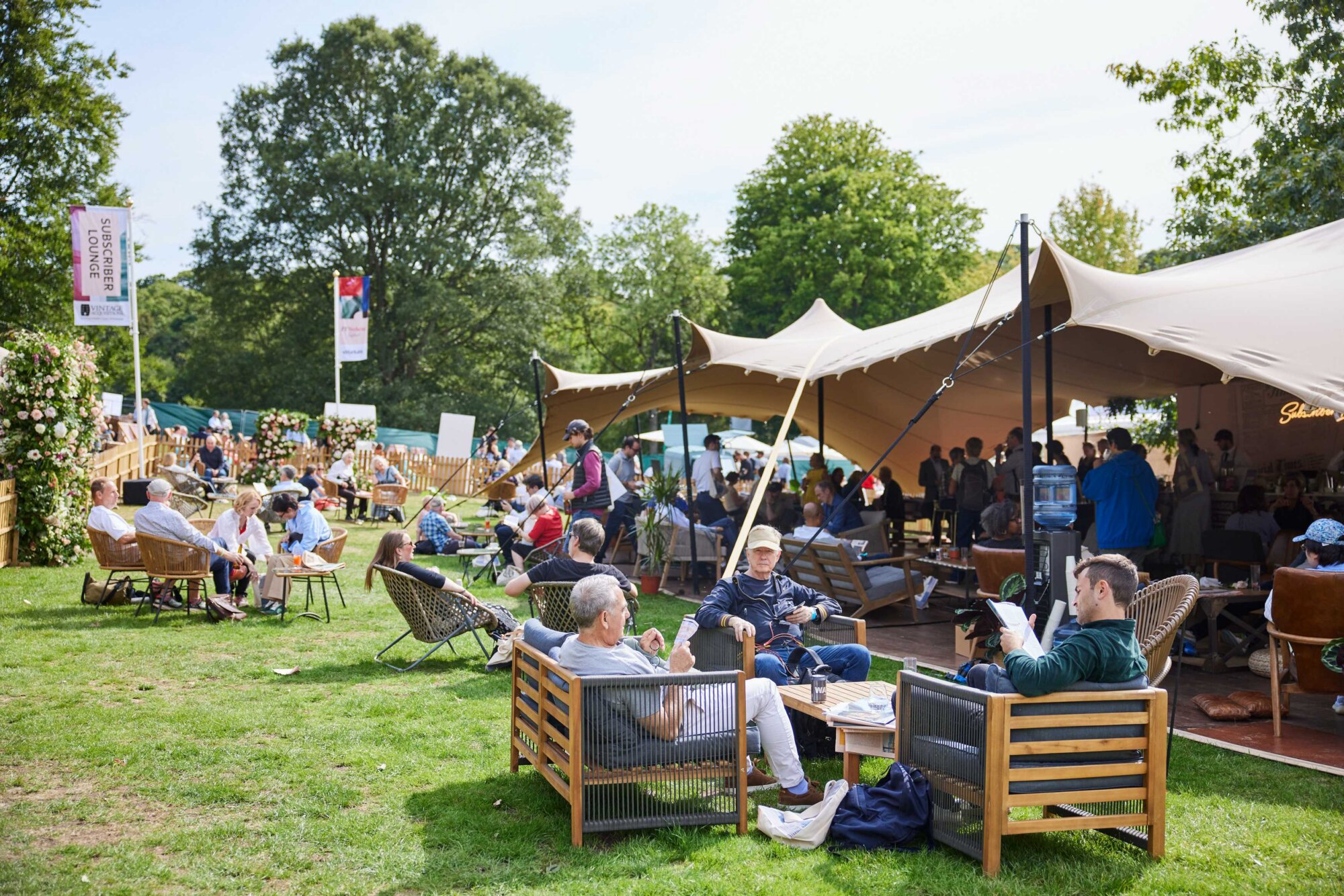
The Art Car Boot Fair rolls back into King’s Cross this September, bringing its particular mix of art and car-boot chaos to Lewis Cubitt Square. This year’s theme is
PLAY FREE, with over 100 artists setting up to sell work directly to visitors across one lively Saturday afternoon.
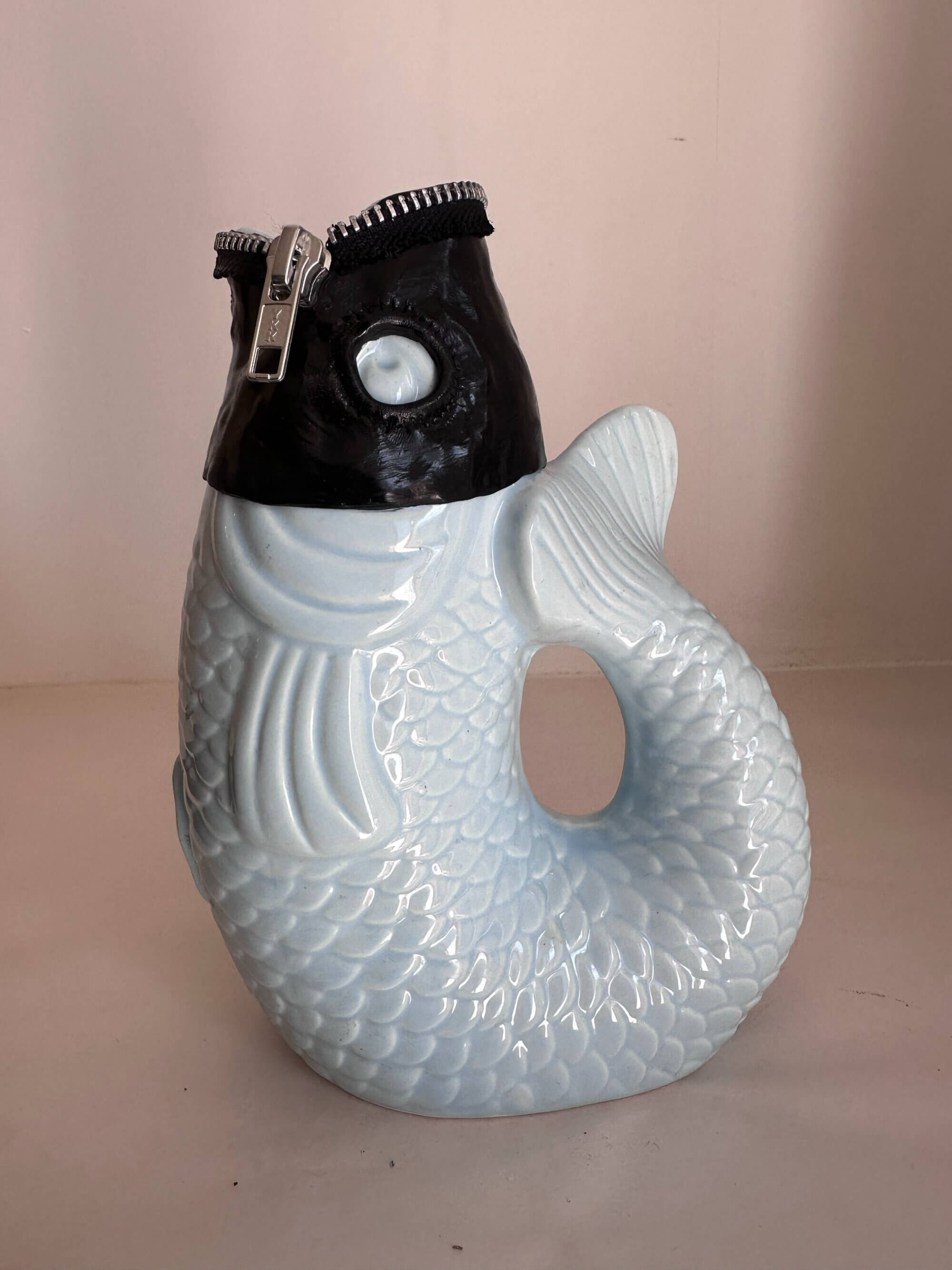
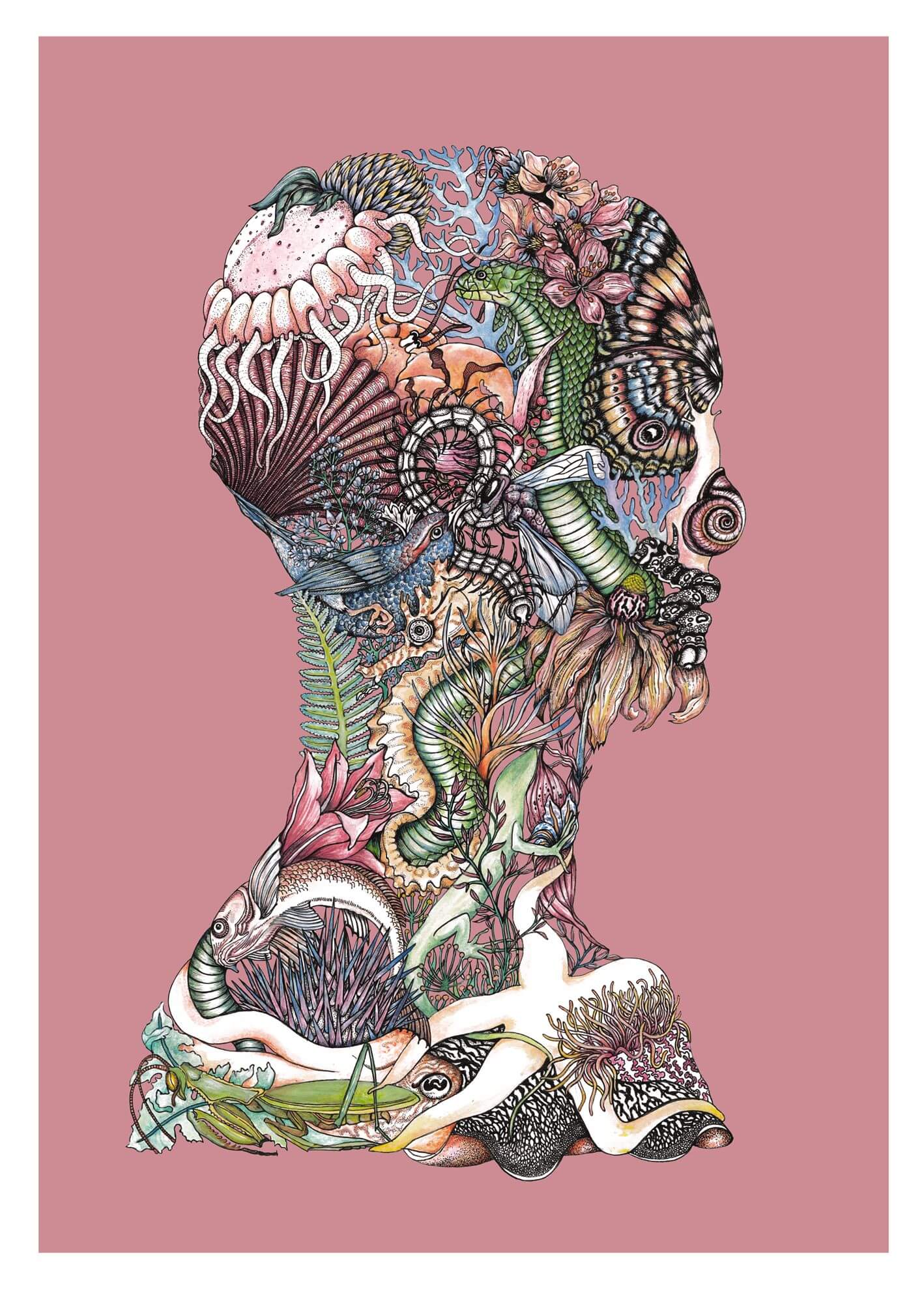
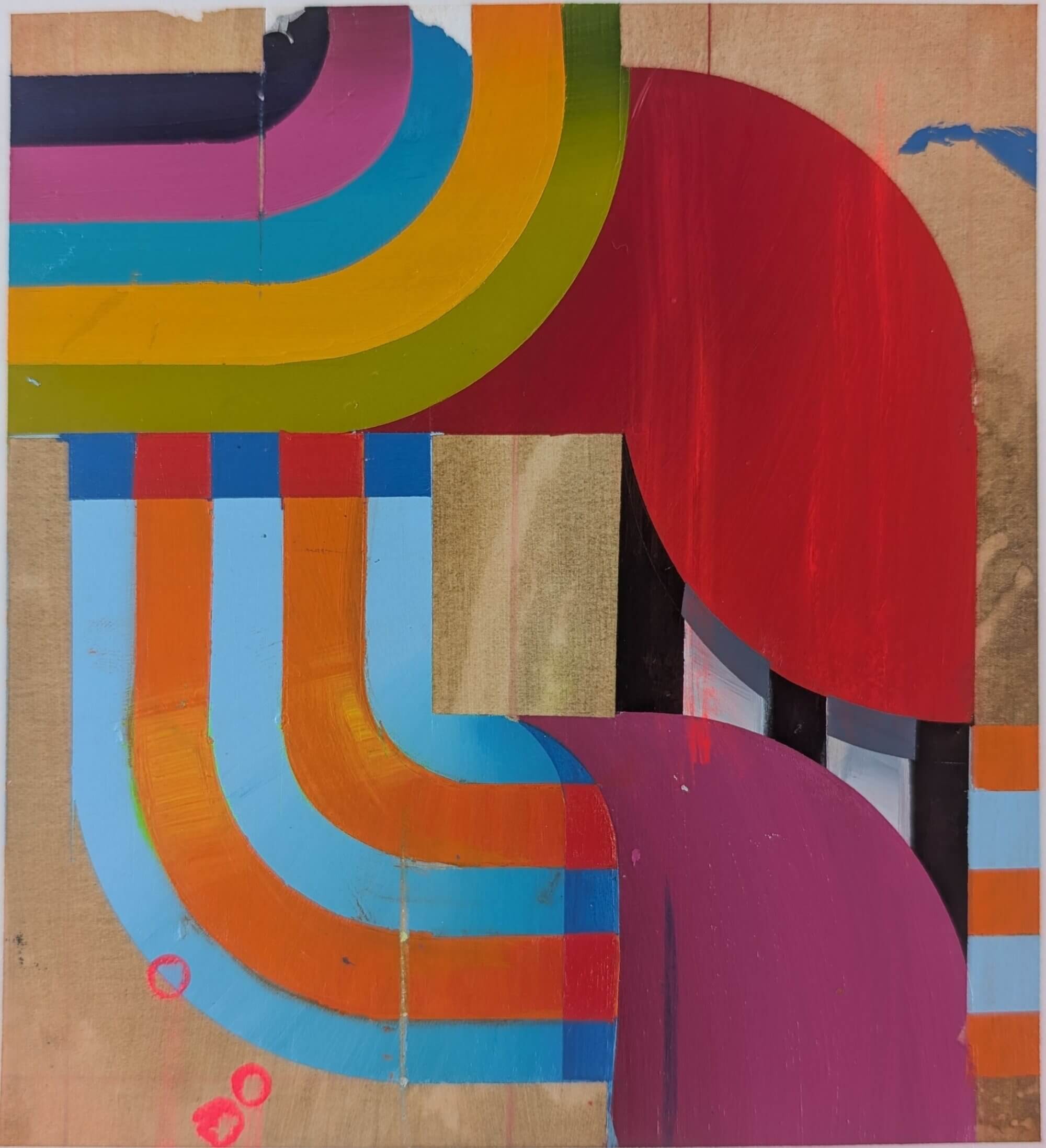
The fair has spent over two decades loosening the usual rules around buying art. Previous editions have seen Tracey Emin and Sir Peter Blake pitch up to meet collectors themselves, while the format makes room for artful conversation, haggling and the possibility of leaving with a great piece of art under your arm. For 2026, this spirit gets an extra push with 100 works made especially for the fair and priced at £100 each – an entry point that contemporary collecting very rarely allows for.
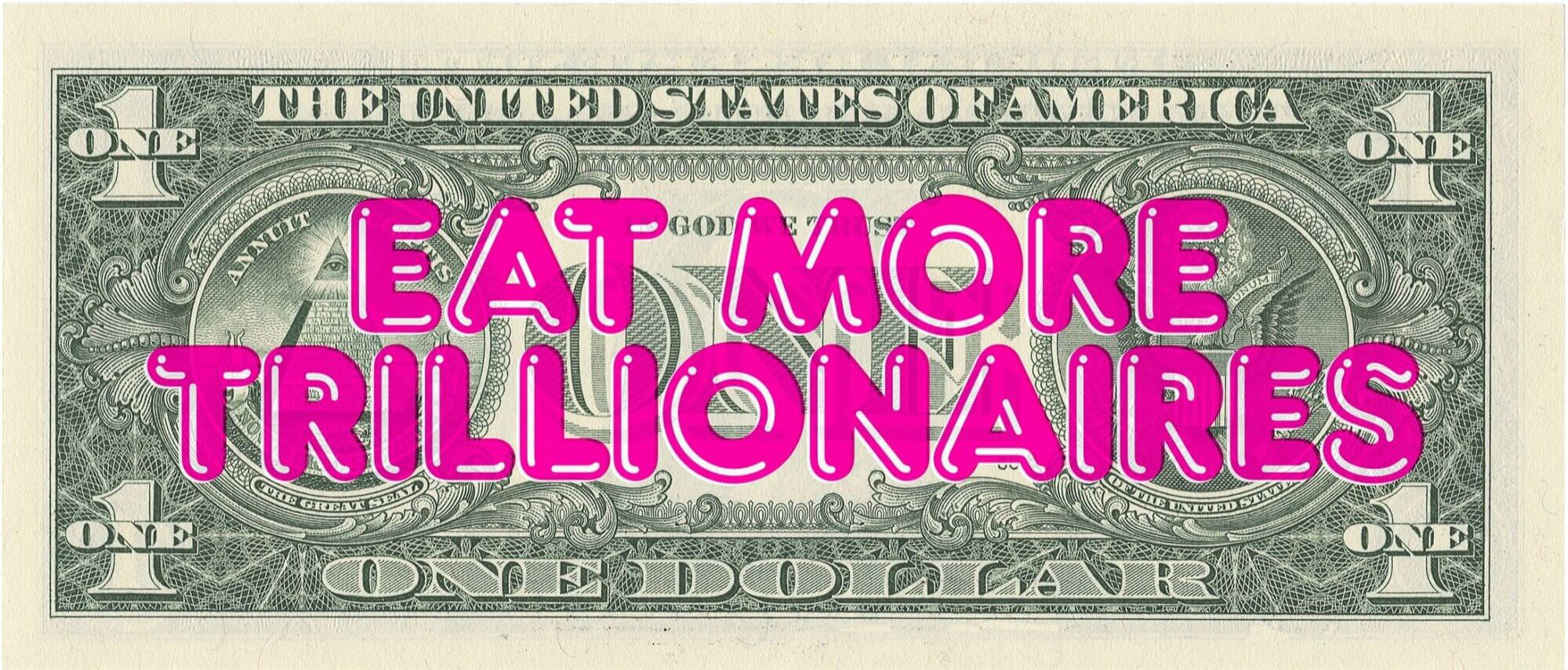
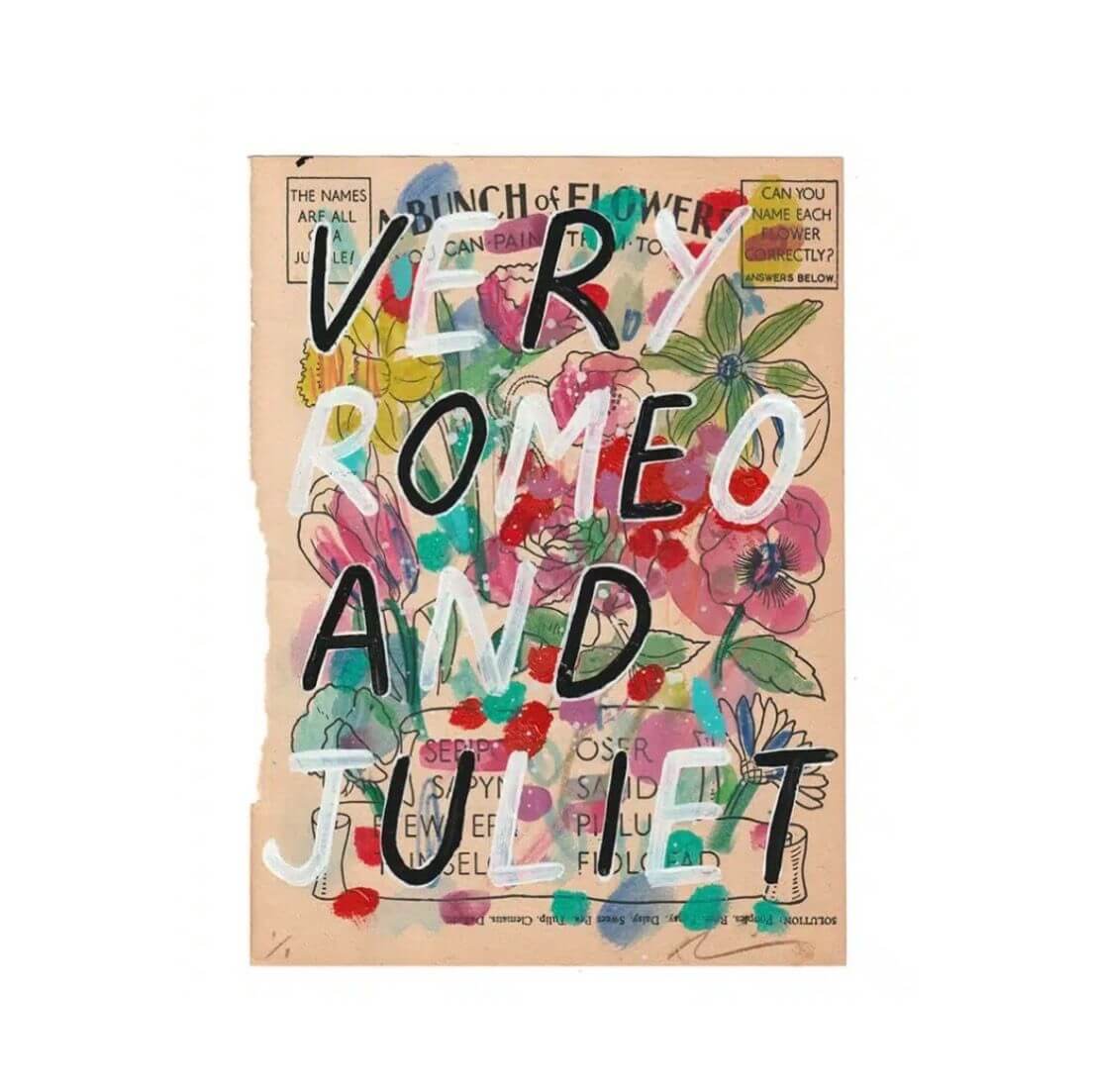
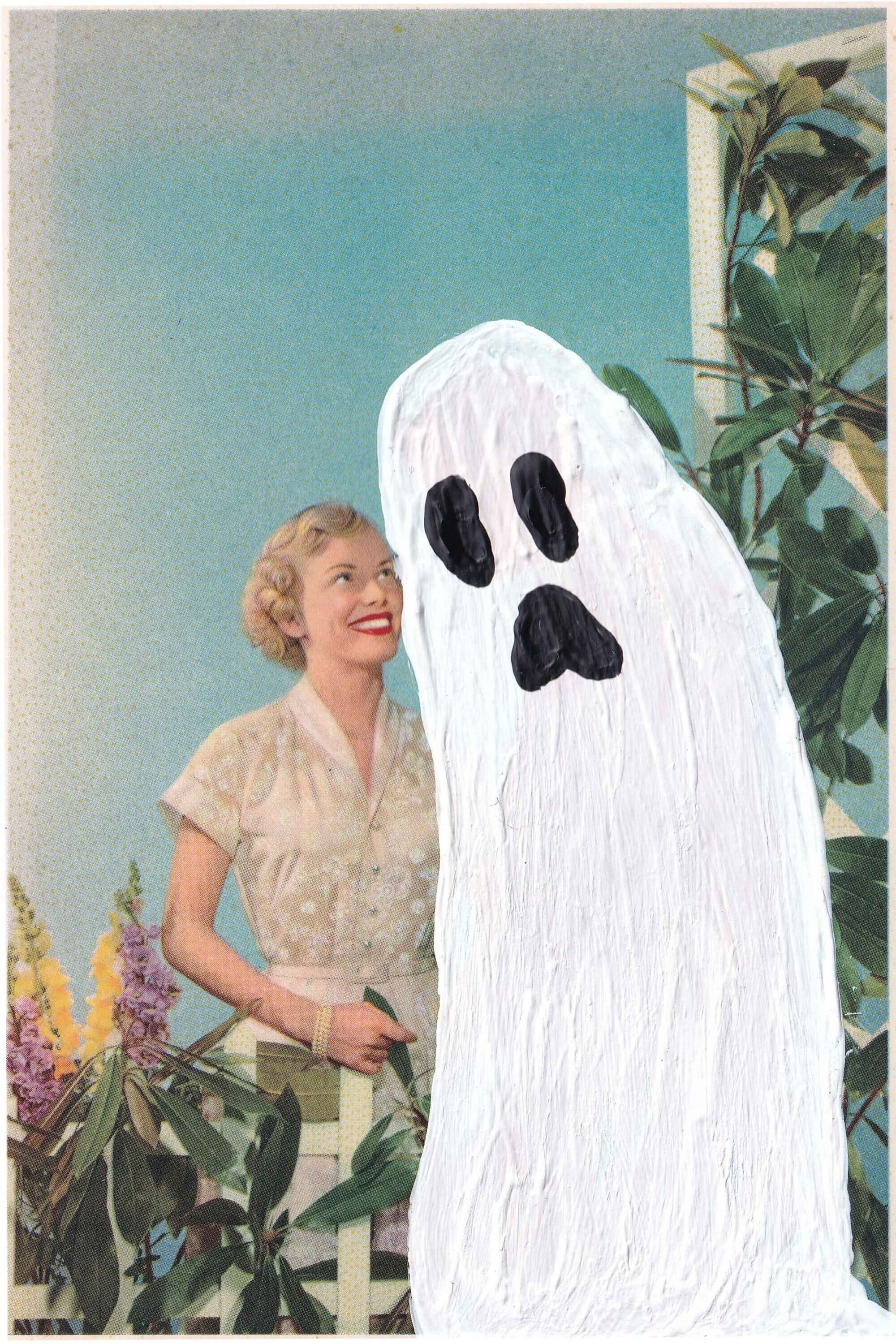
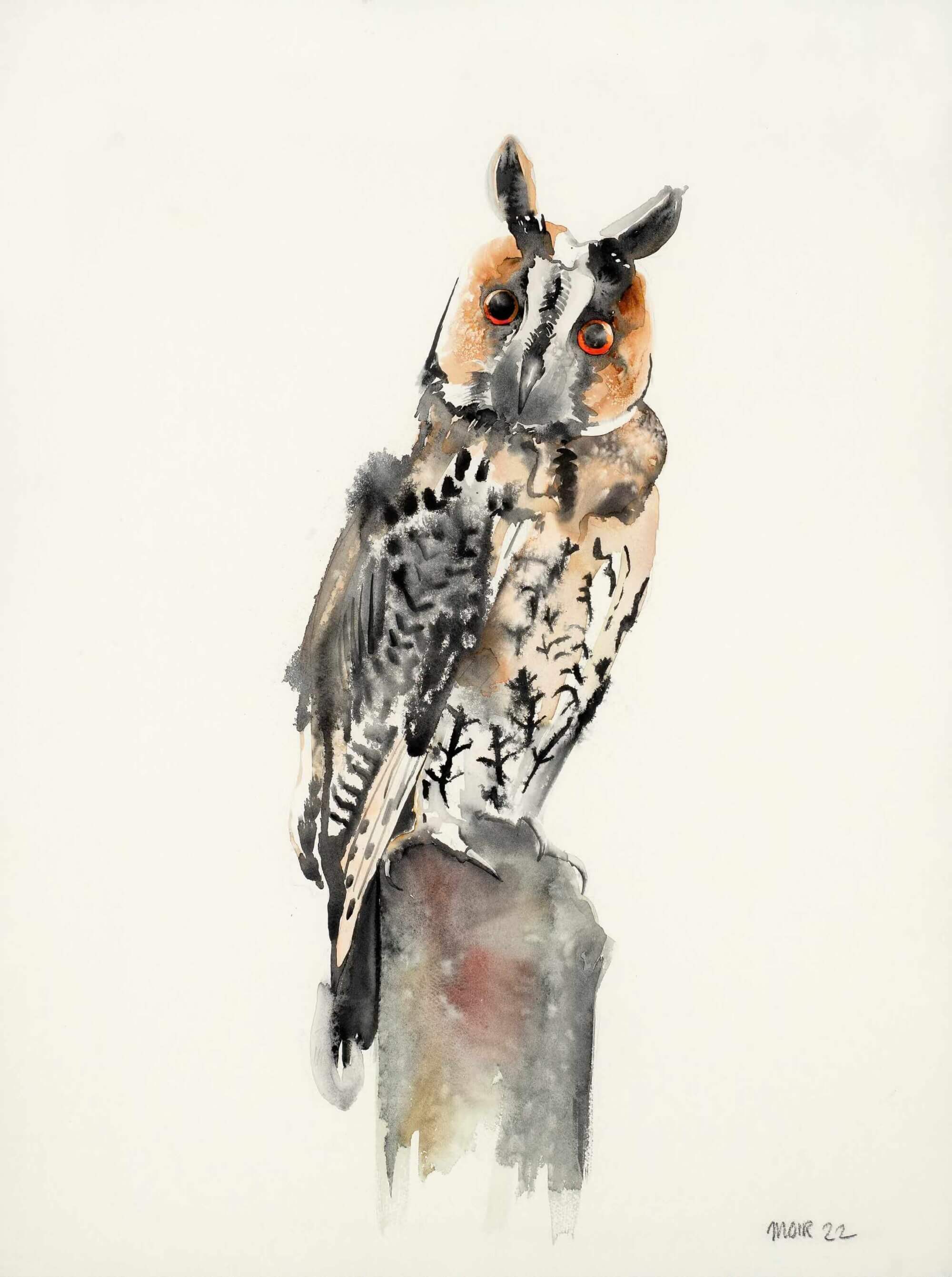
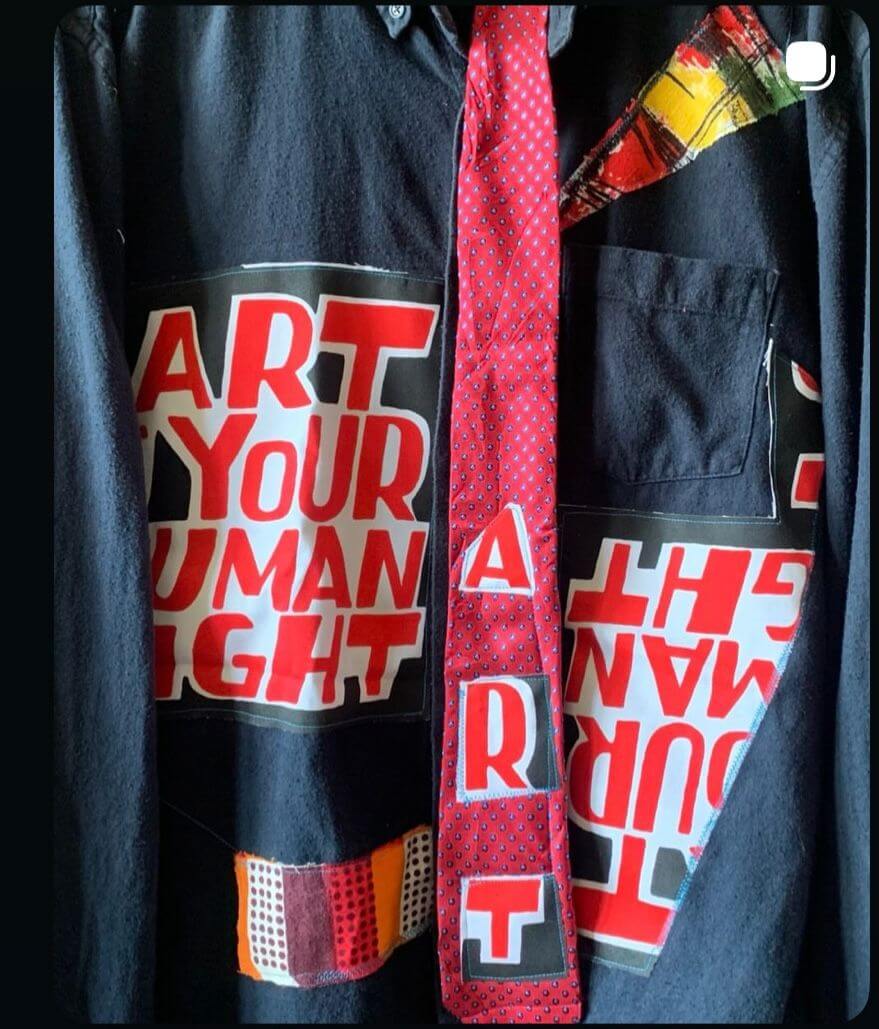
Among this year’s names is Jim Moir, better known to many as Vic Reeves, who brings his much-loved bird paintings to the fair. Rankin will also turn his camera on visitors, offering the chance to have a portrait taken by the photographer behind images of David Bowie, Kate Moss, Björk and Queen Elizabeth II. Other iconic artists including Helen Beard, Bob and Roberta Smith, Carrie Reichardt, Sara Pope and Mr Bingo are also taking part.
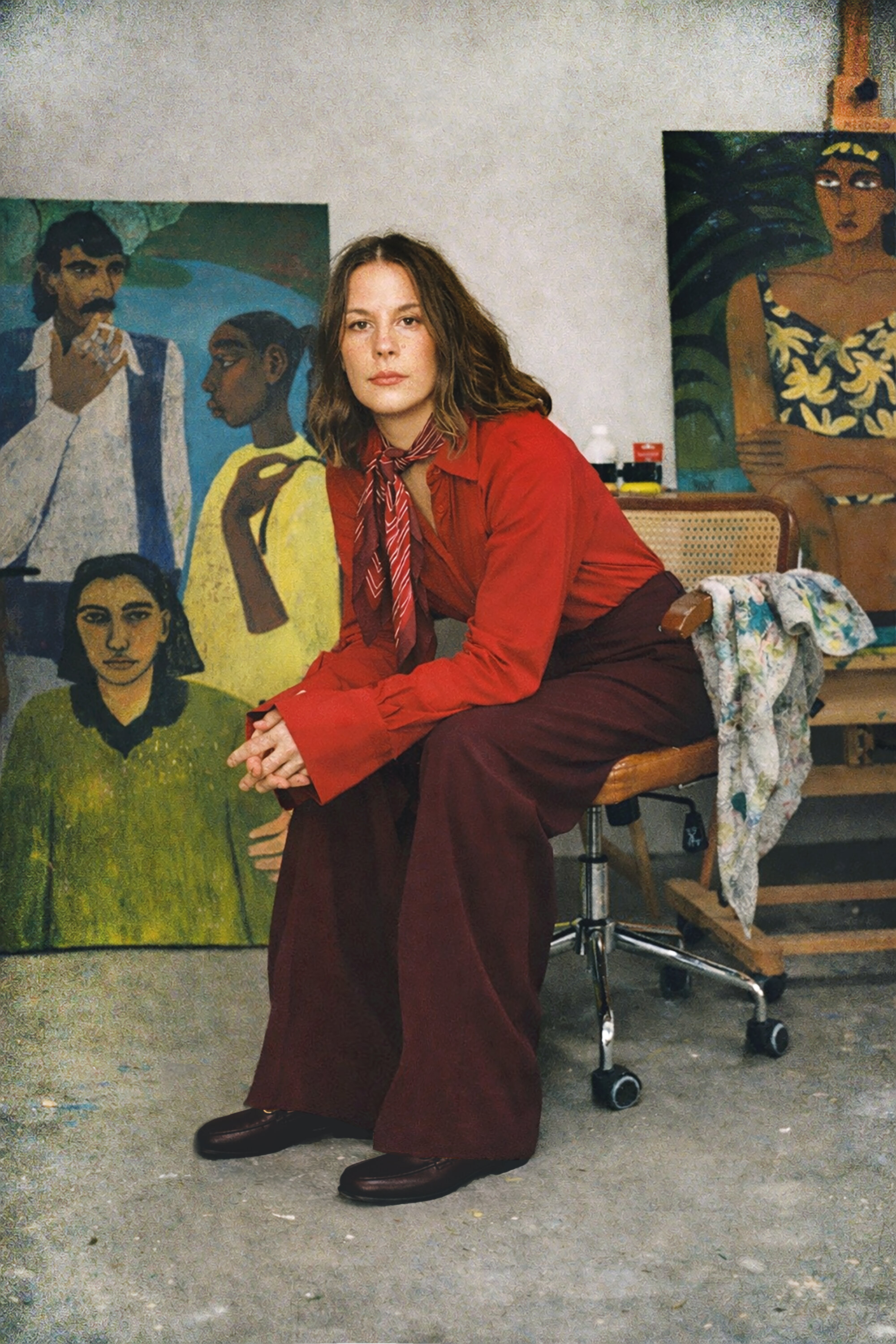
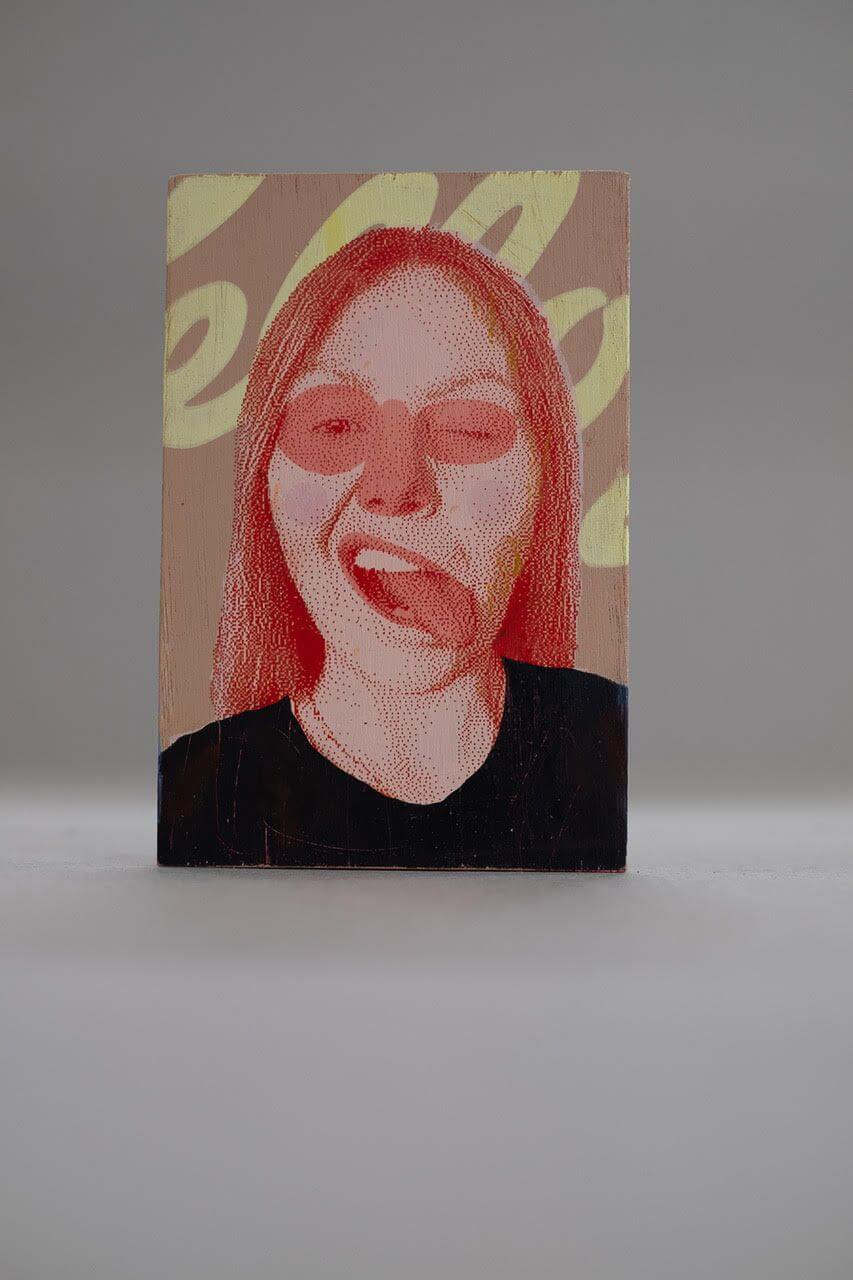
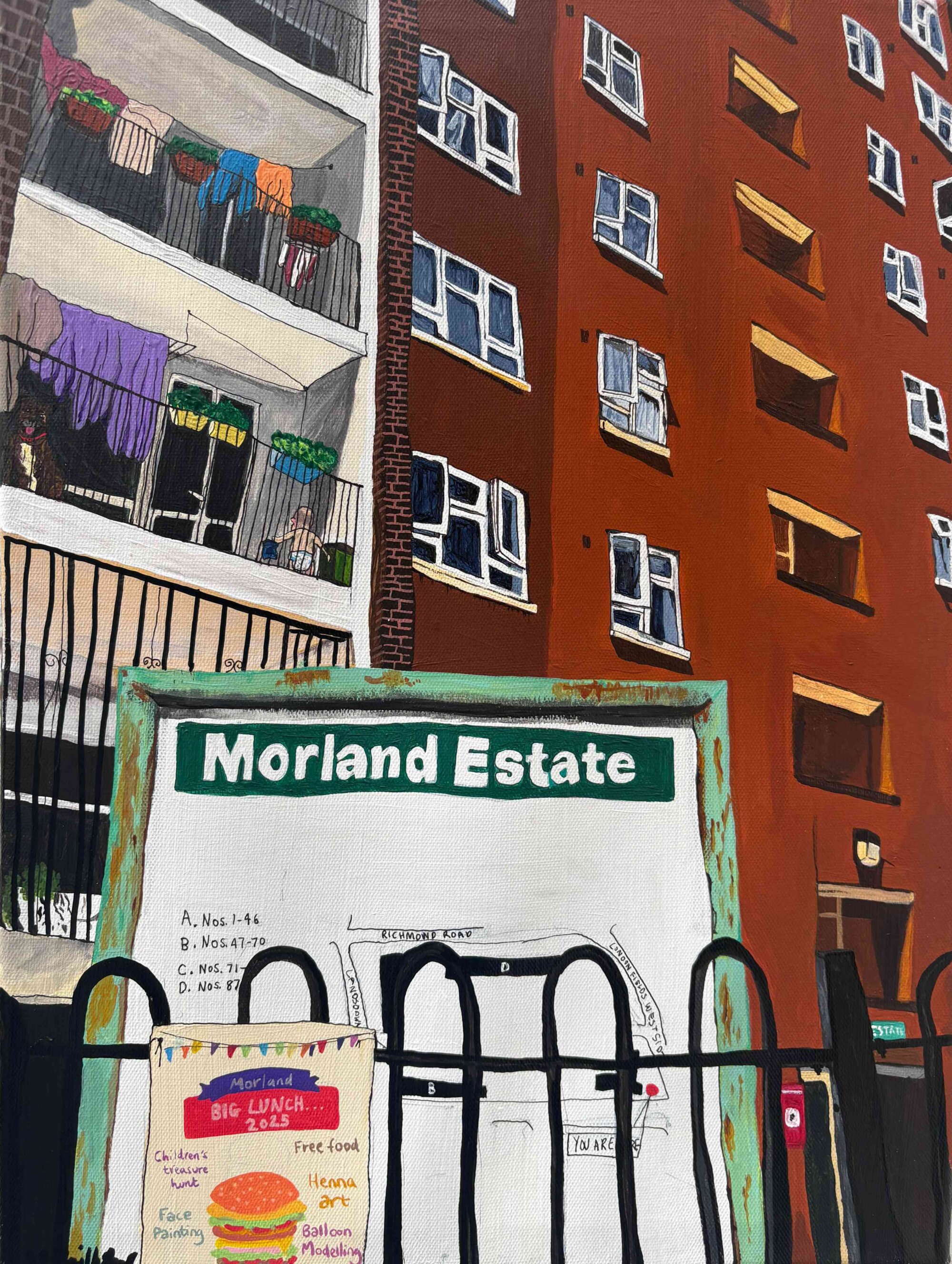
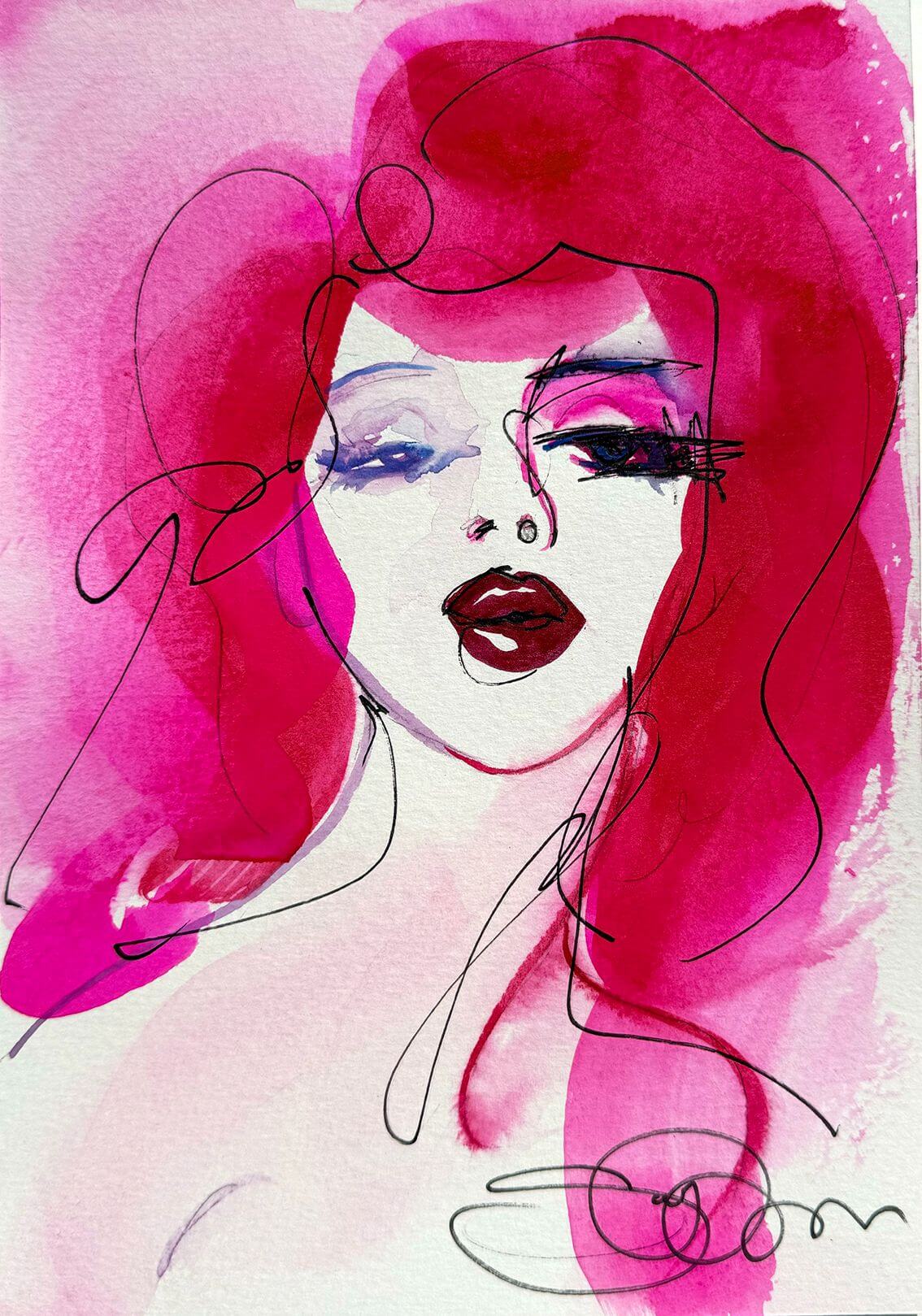
This year’s featured artist is Margo in Margate, whose stylised female portraits have built a devoted following and whose first solo exhibition at Brighton’s Helm Gallery sold out within 24 hours. While there, also look out for GG the Illustrator, whose ongoing project to paint every council estate in London turns familiar blocks and balconies into affectionate records of city life. The brilliantly theatrical #RenaissanceSelfie returns too, using everyday props to transform willing visitors into old-master sitters.
If the conventional art fair has ever felt a little too buttoned-up, this is the ultimate antidote. Get there early, talk to the artists and keep £100 handy – you might just walk away with something priceless.