A change of scenery.
Landscape is all around CLOSE, and this autumn it fills the inside of the gallery too. Curated by Freeny Yianni,
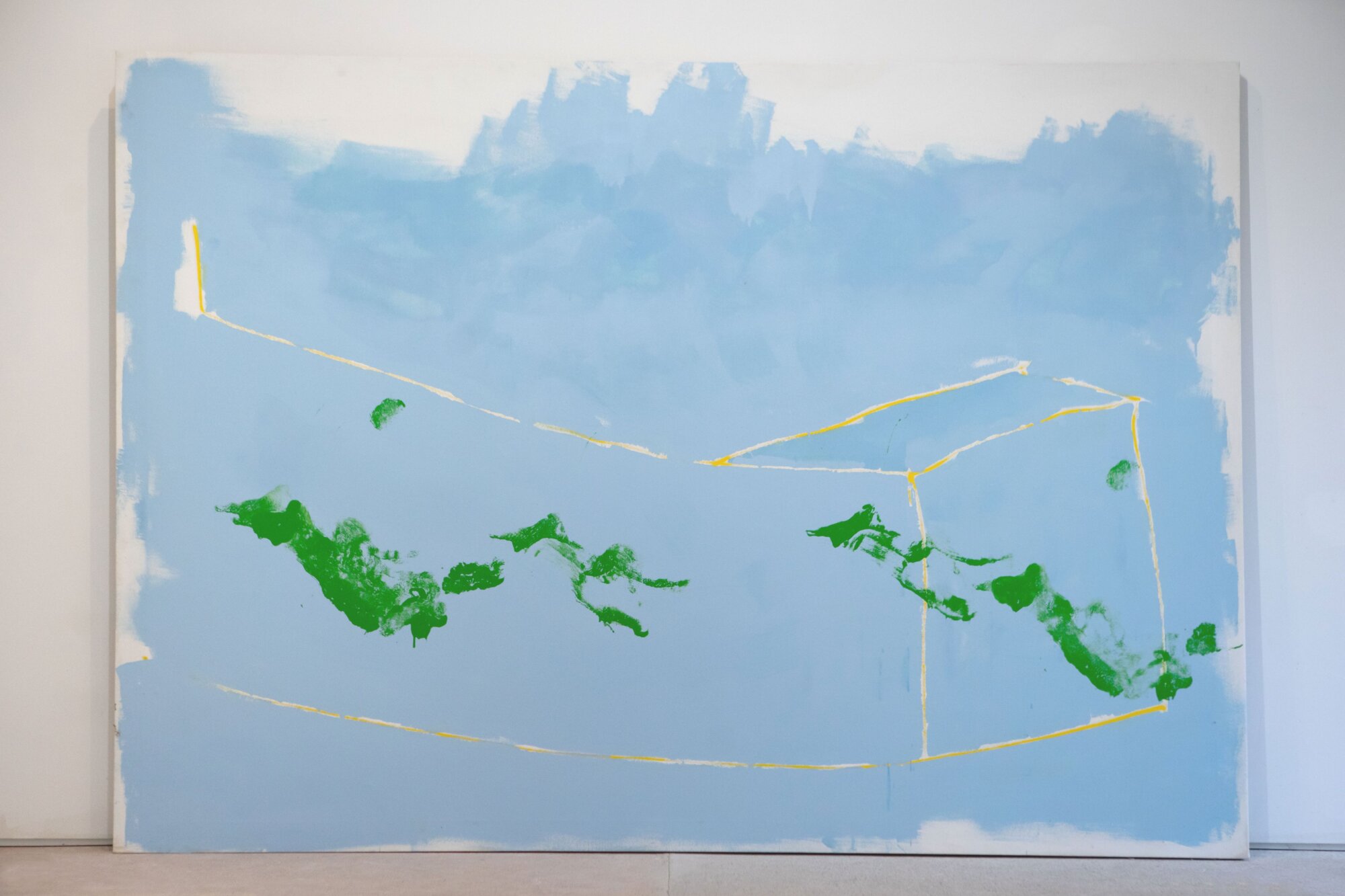
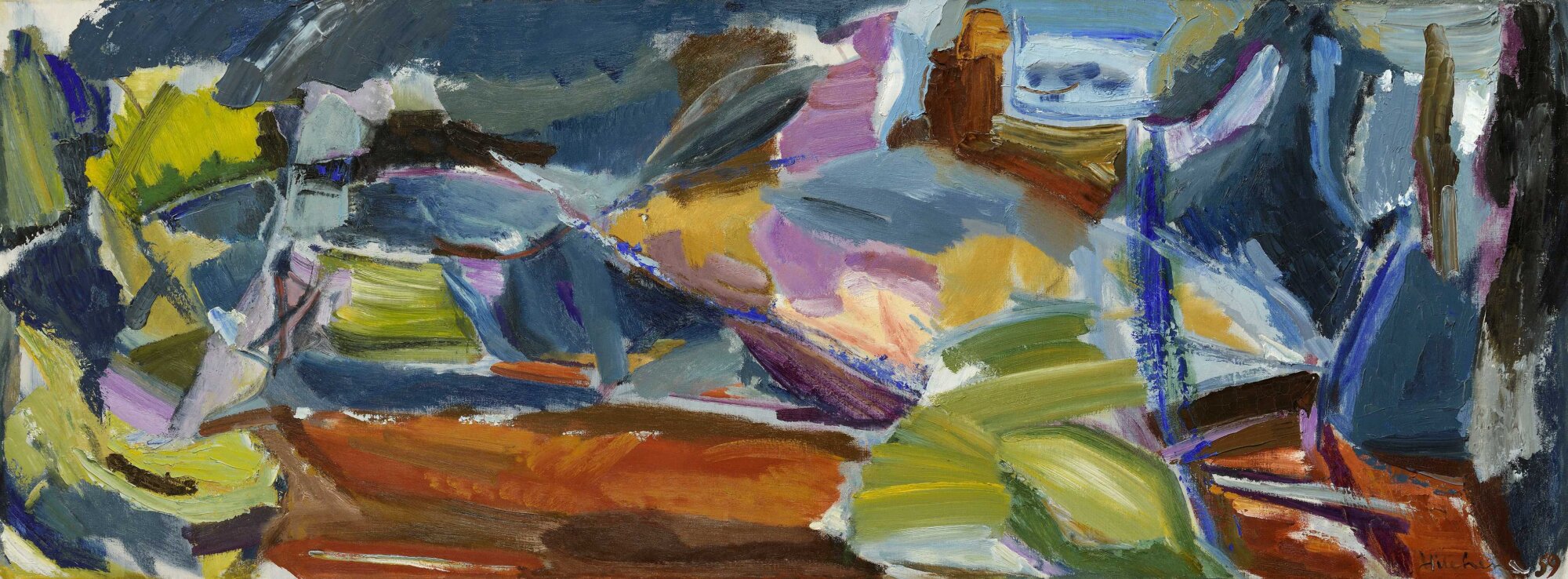
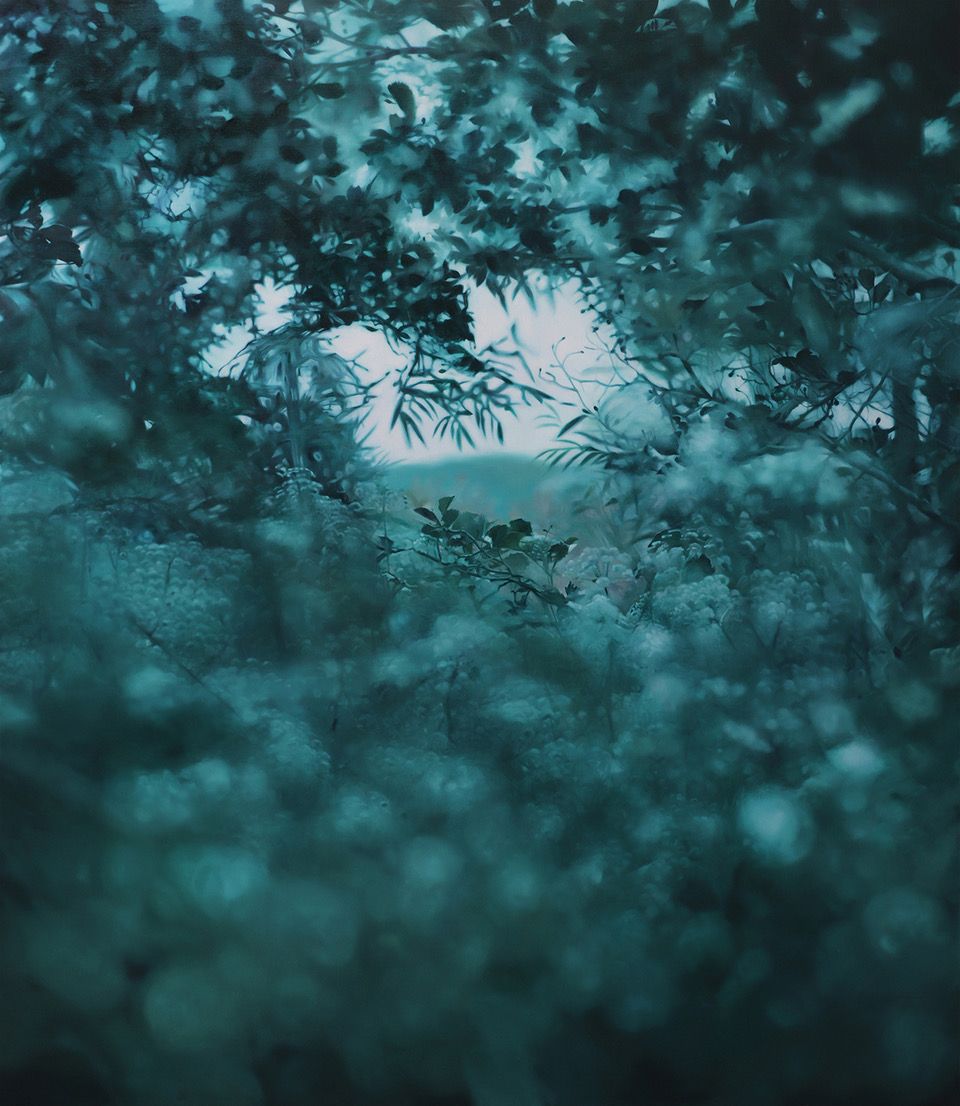
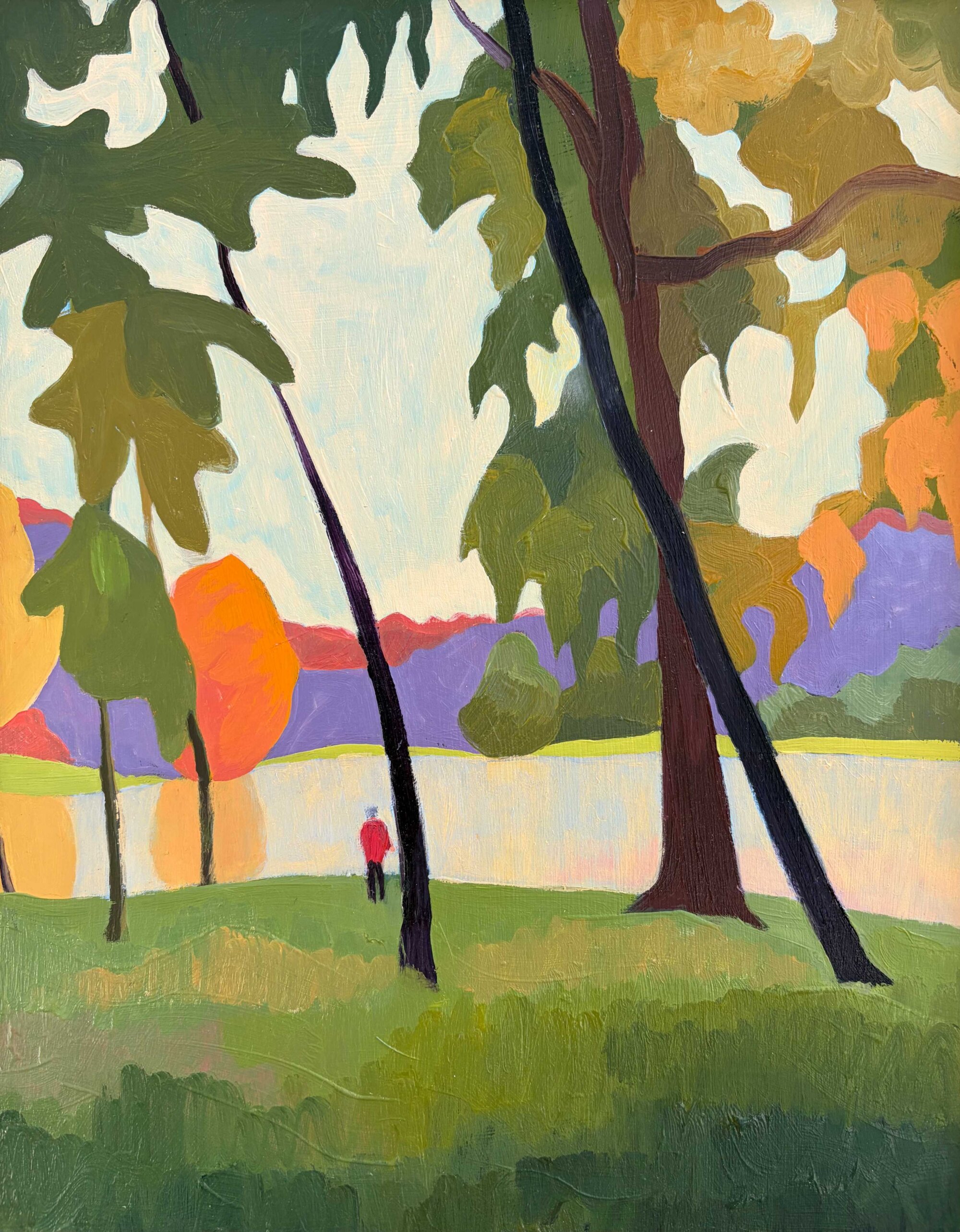
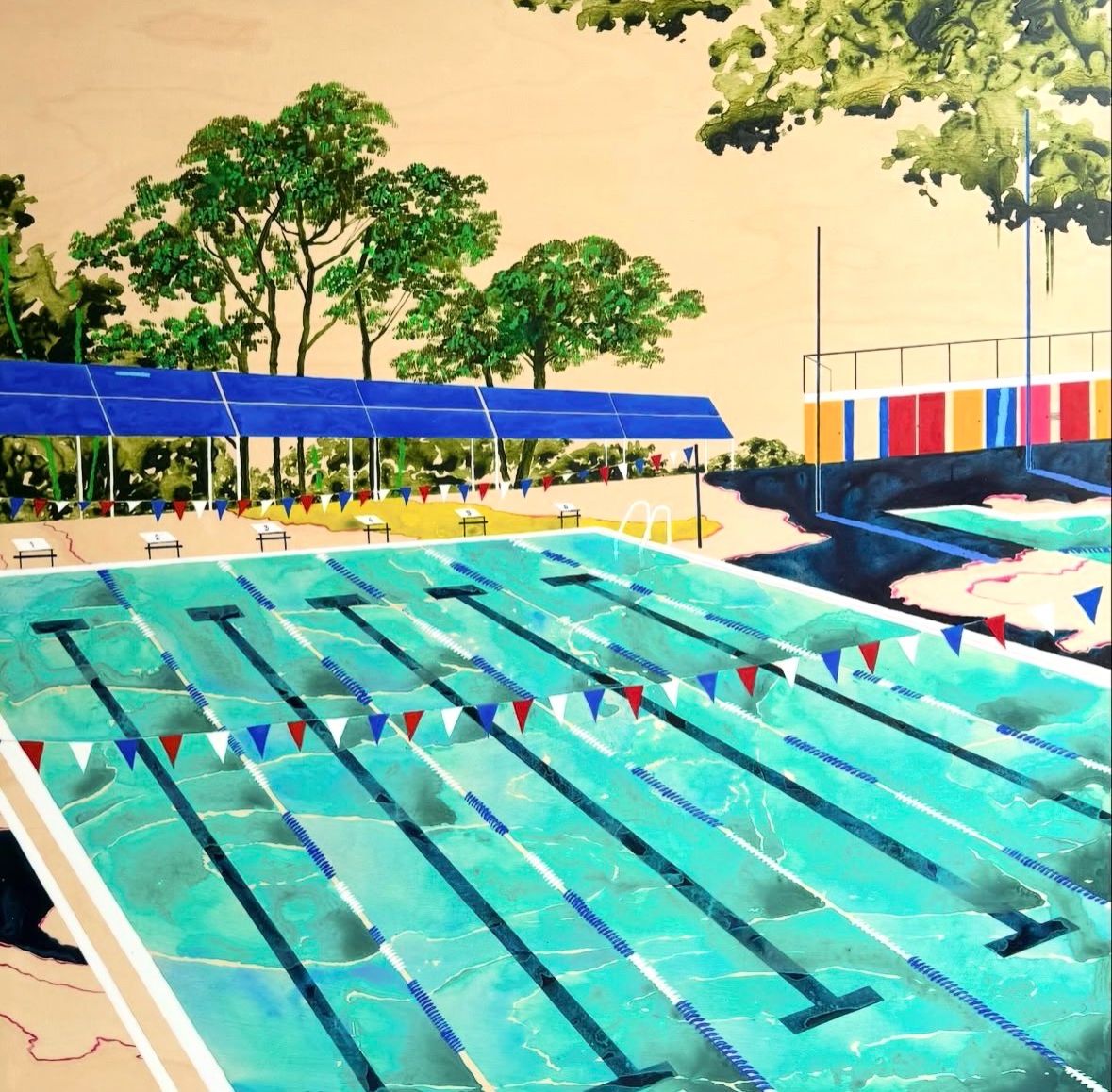
LOOK OUT brings together selected works by Ivon Hitchens with new and recent pieces by 13 artists working in painting, sculpture, drawing and installation, tracing a century of ways to look at and think about the land.
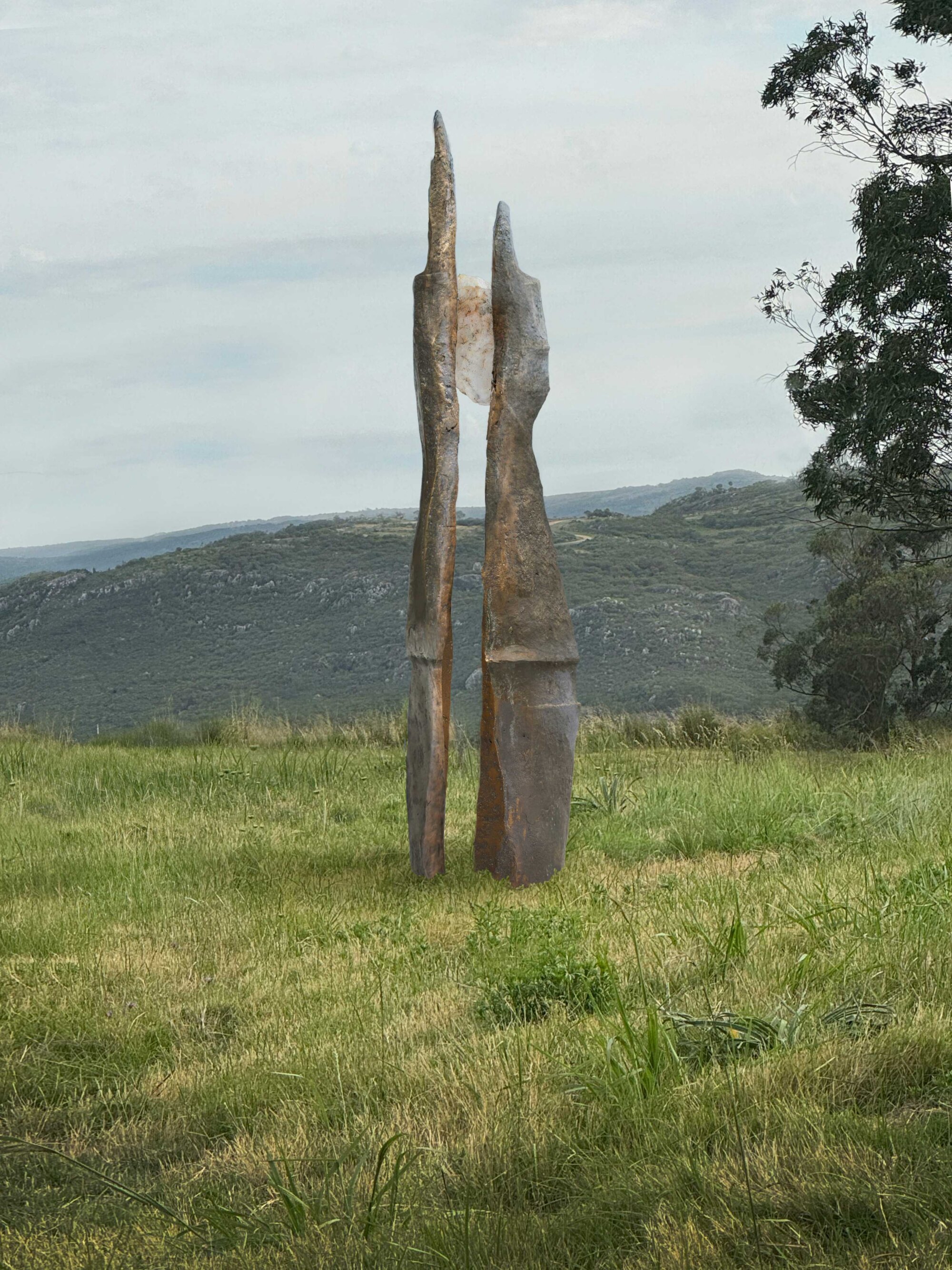
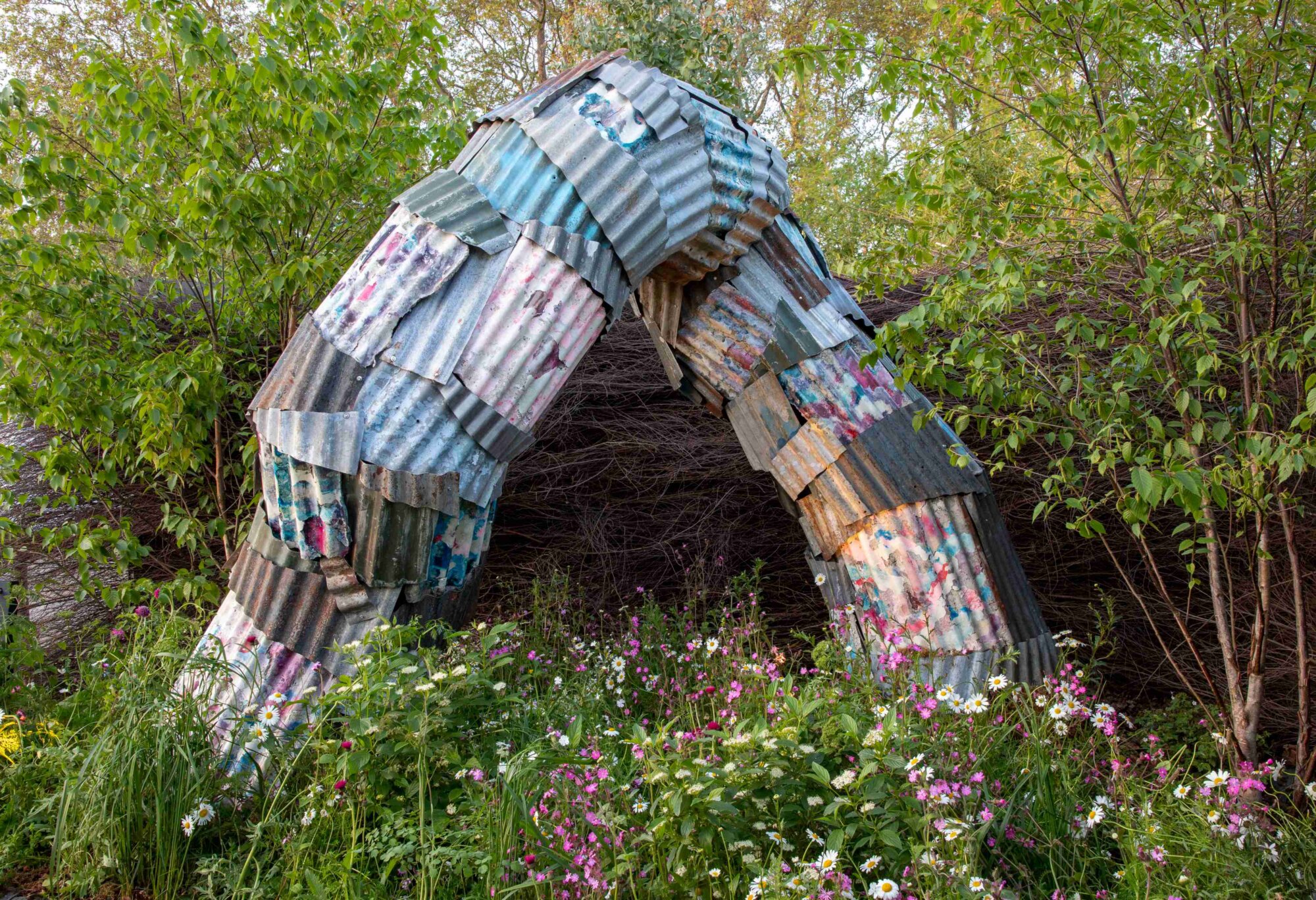
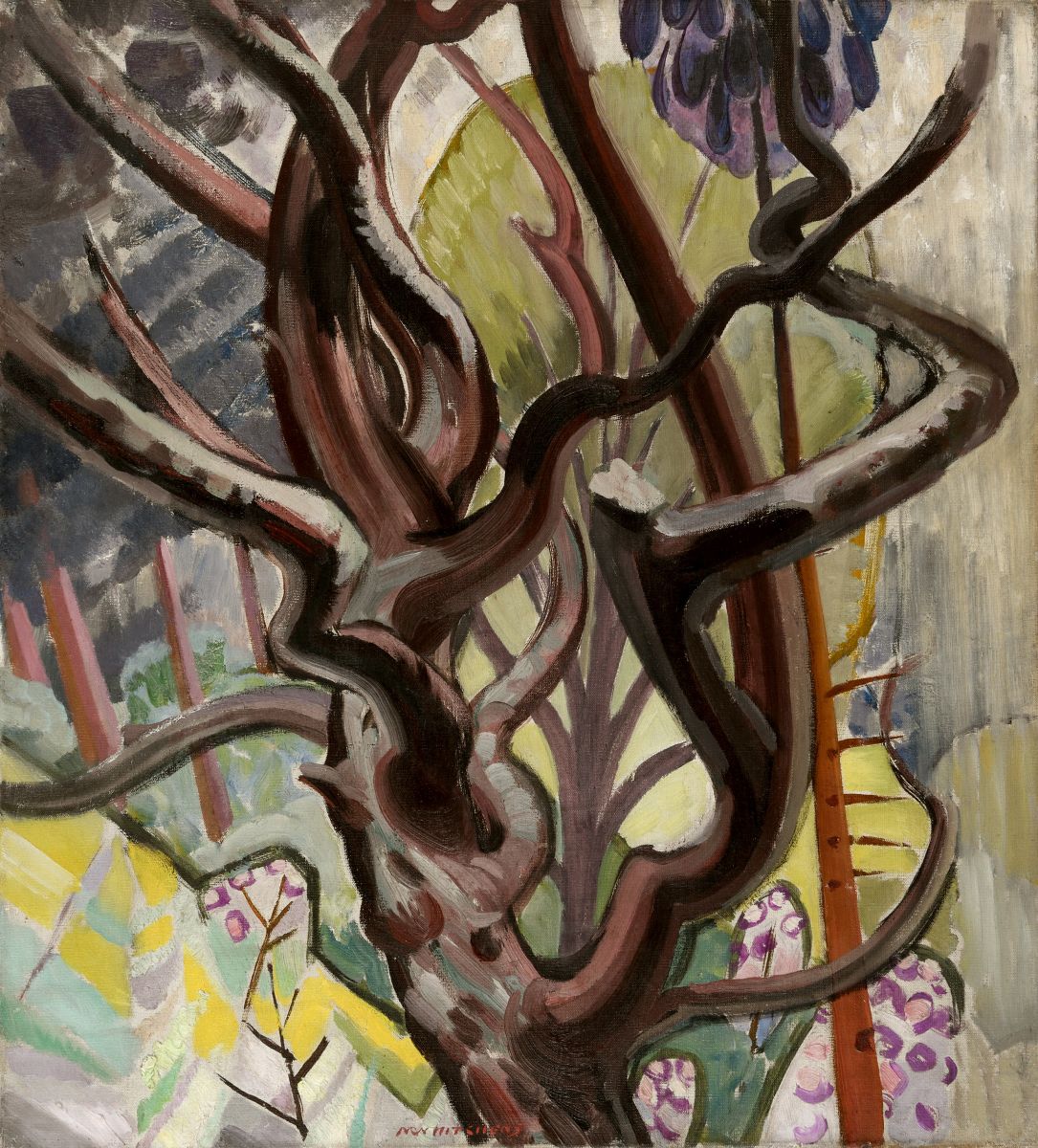
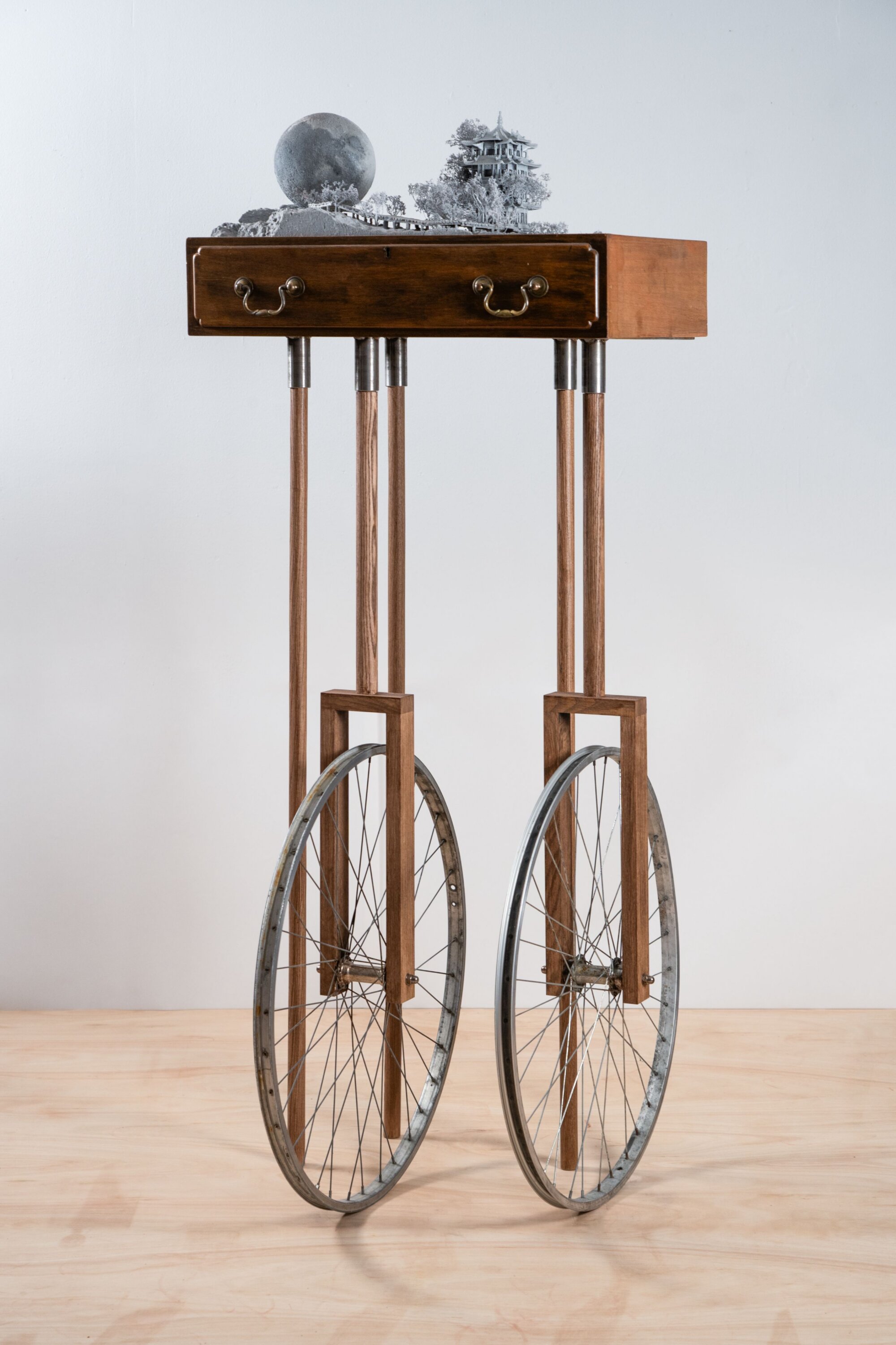
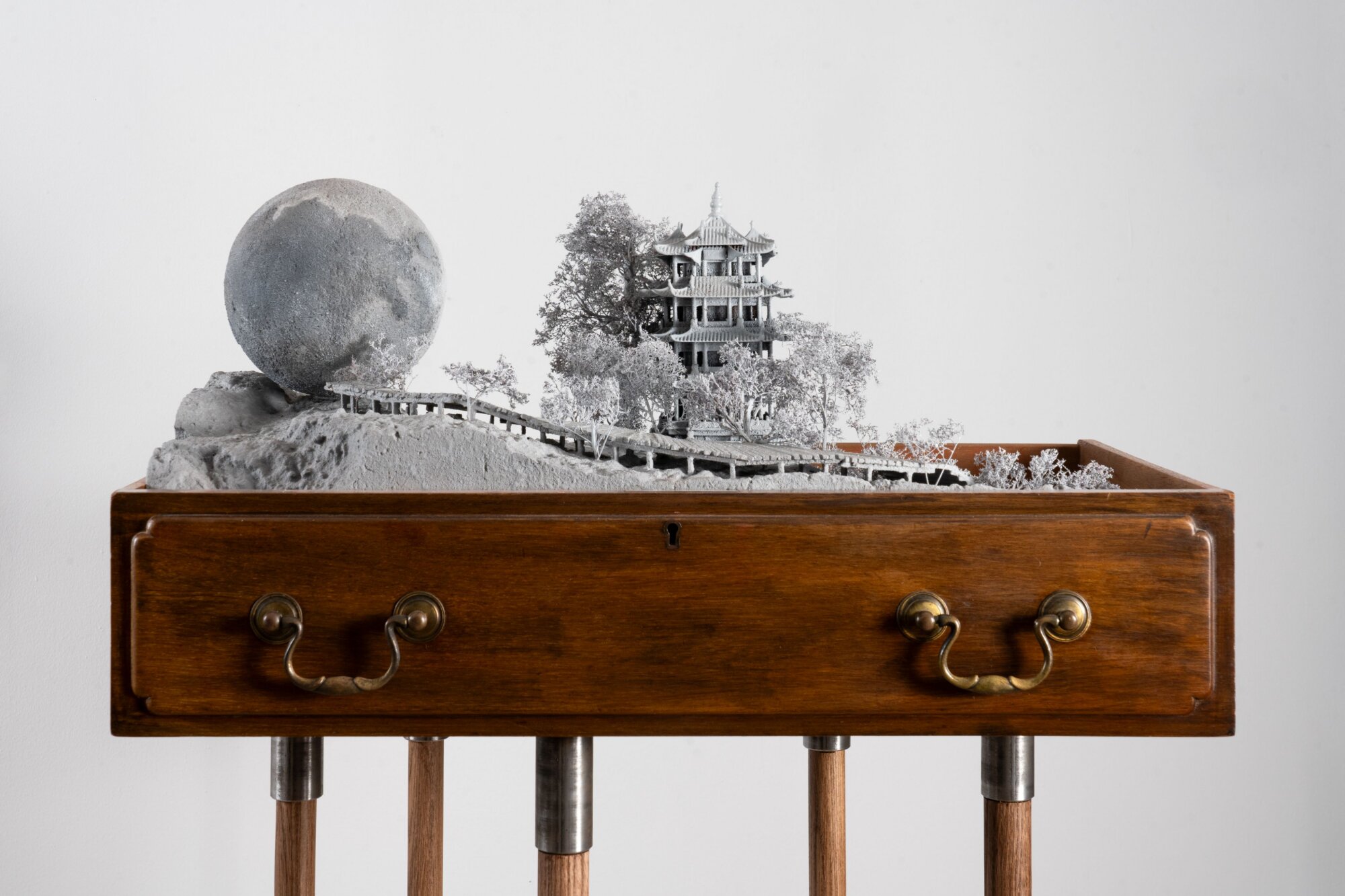
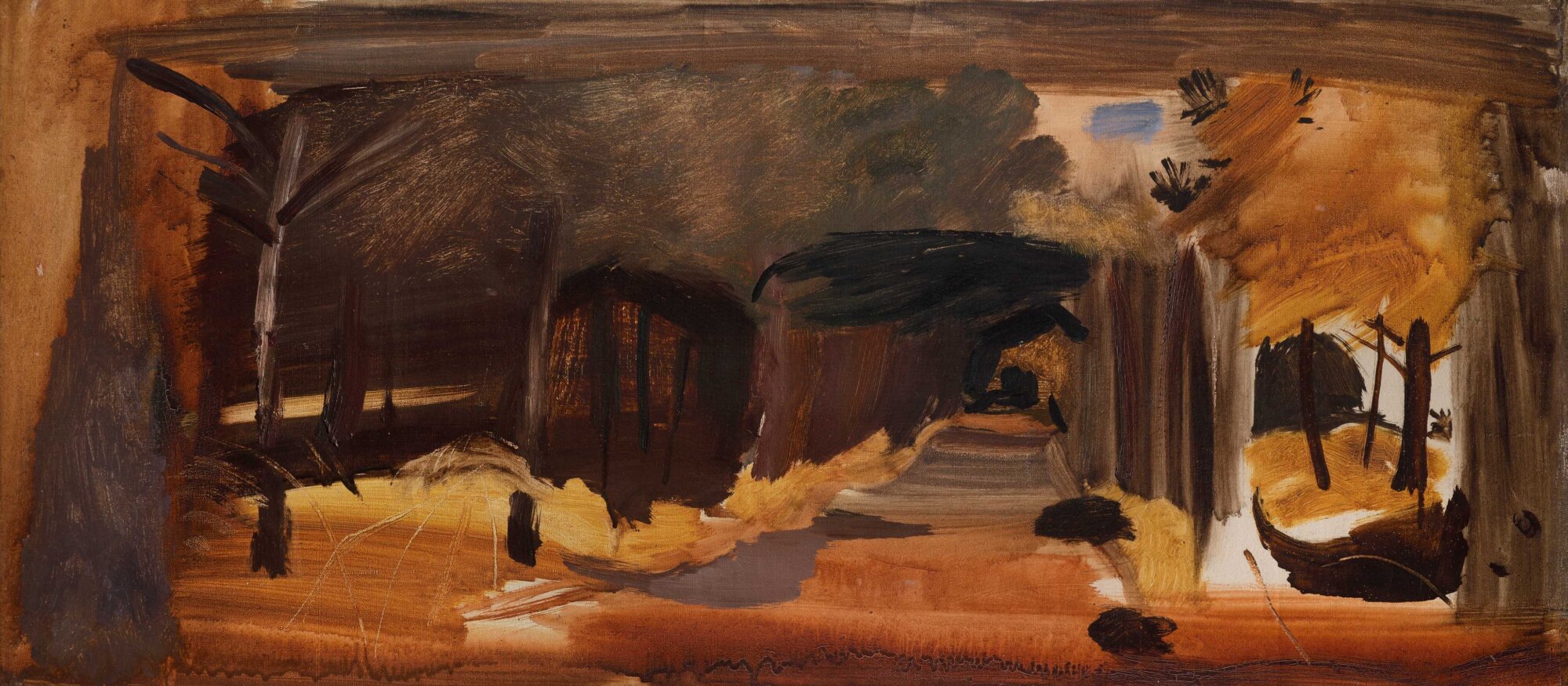
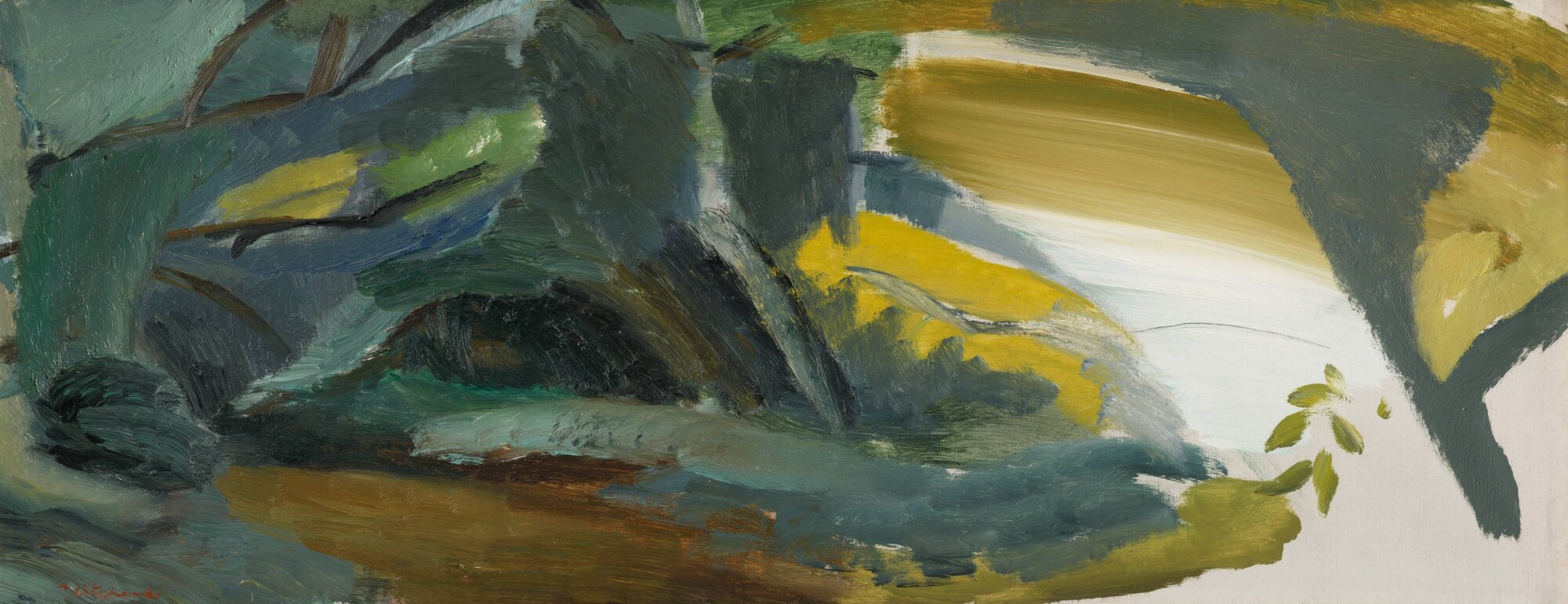
After moving to Sussex in 1940, Hitchens spent decades painting the woodland around his home. Colour and rhythm gave his scenes the sense of being among the trees. This attention to how a place is experienced runs through the exhibition: Saad Qureshi builds sculptural ‘mindscapes’ from his own memories and those shared with him, while Magnus Hammick paints the Somerset countryside through close observation and instinctive marks.
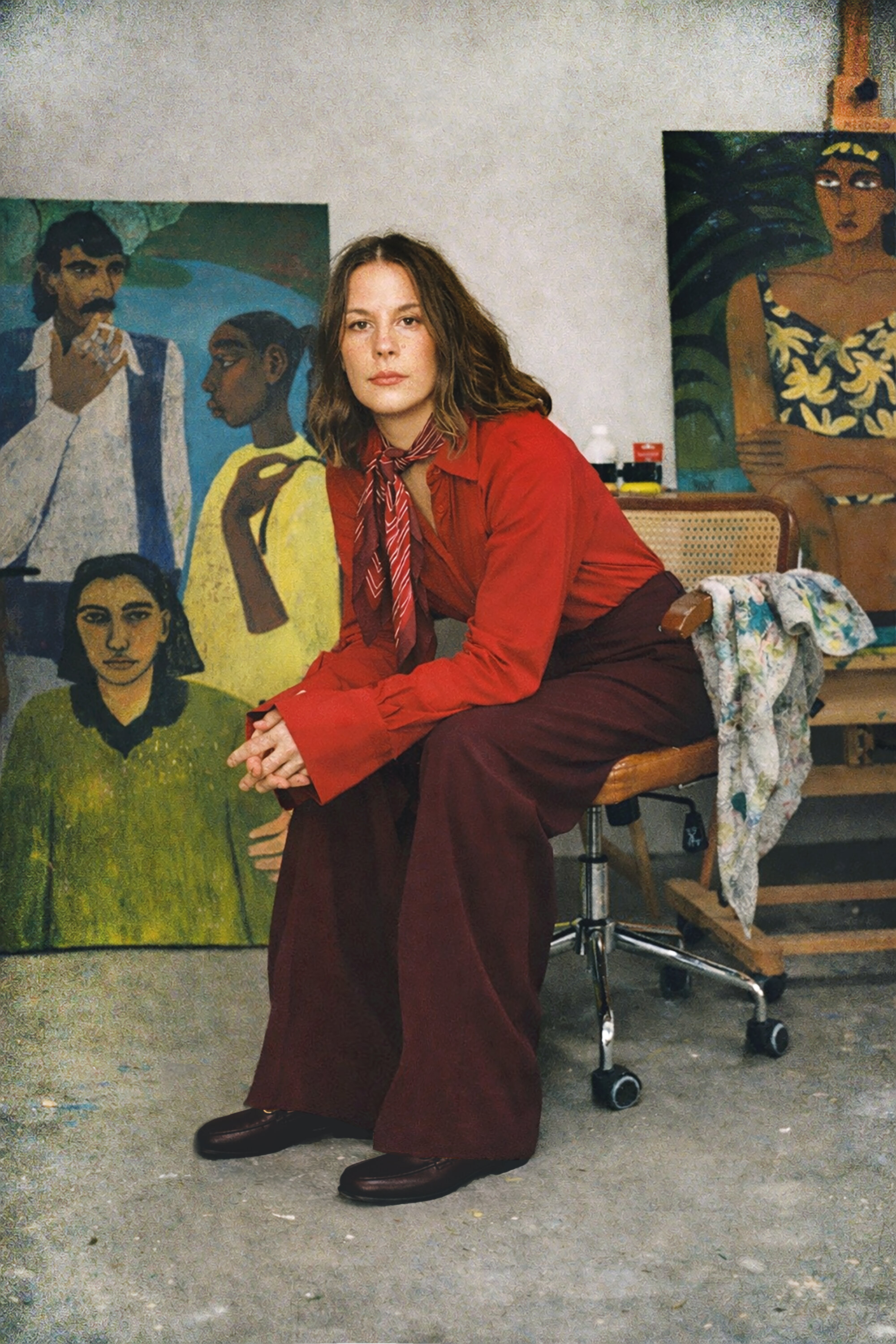
The view stretches further in works by David Abbott, Dien Berziga, Christabel Blackburn, Sarah Gillespie, Lee Johnson, Charlotte Keates, Rob Lyon, Katherine Perrins, Ged Quinn, Myrna Quiñonez and Harriet White. Among them, Keates brings imagined architecture into her landscapes, Quinn draws on mythology and Quiñonez explores memory and migration.
Look Out proposes that nature and the changing seasons remain among the few constants we can rely upon. Landscape, in all its forms, becomes a source of comfort, continuity and belonging, a place where we can orient ourselves amidst uncertainty. And after seeing the many ways artists have approached a landscape, why not step outside the gallery doors and take another look?