Art on the record.
War Child’s Secret 7″ is back, bringing its much-loved charity record project to
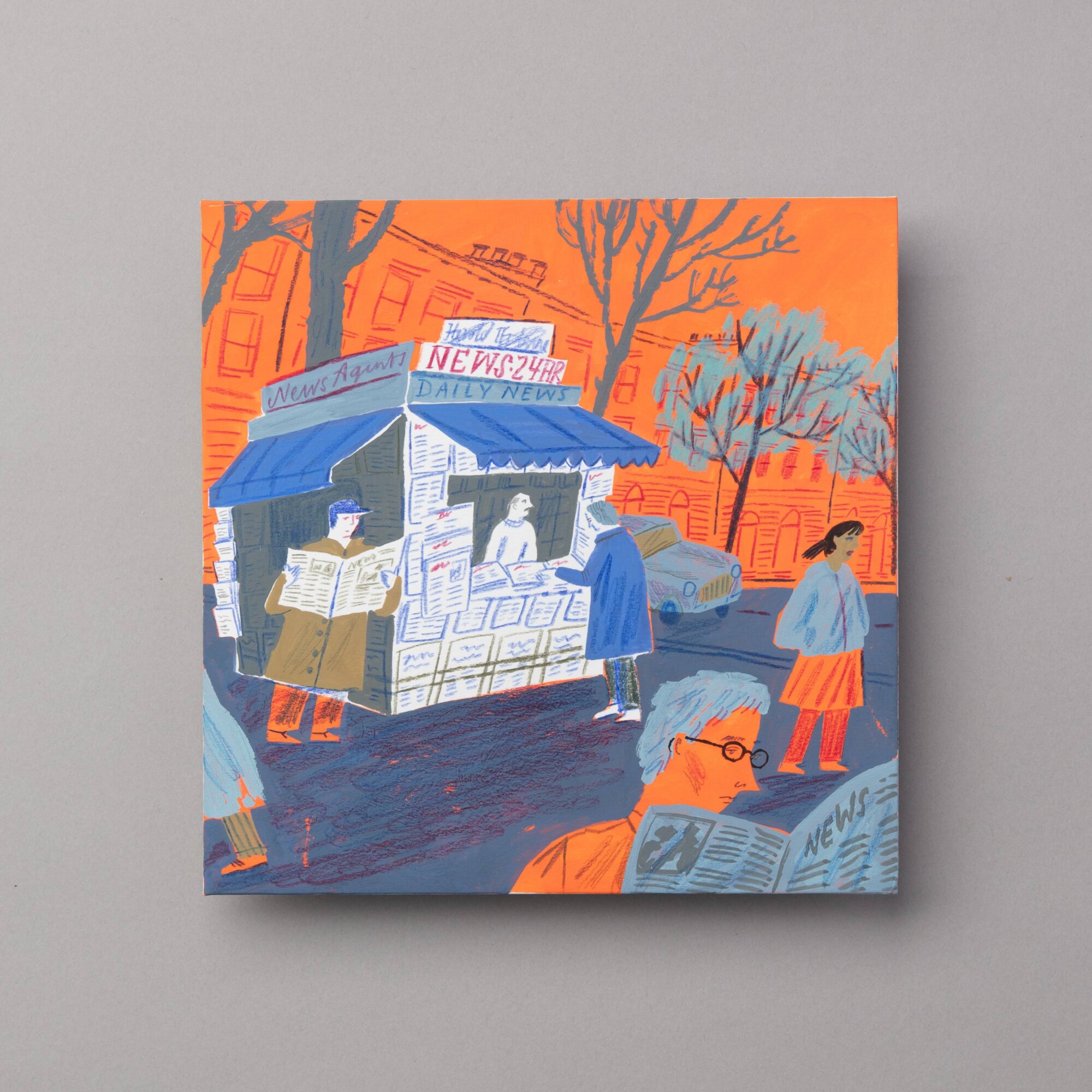
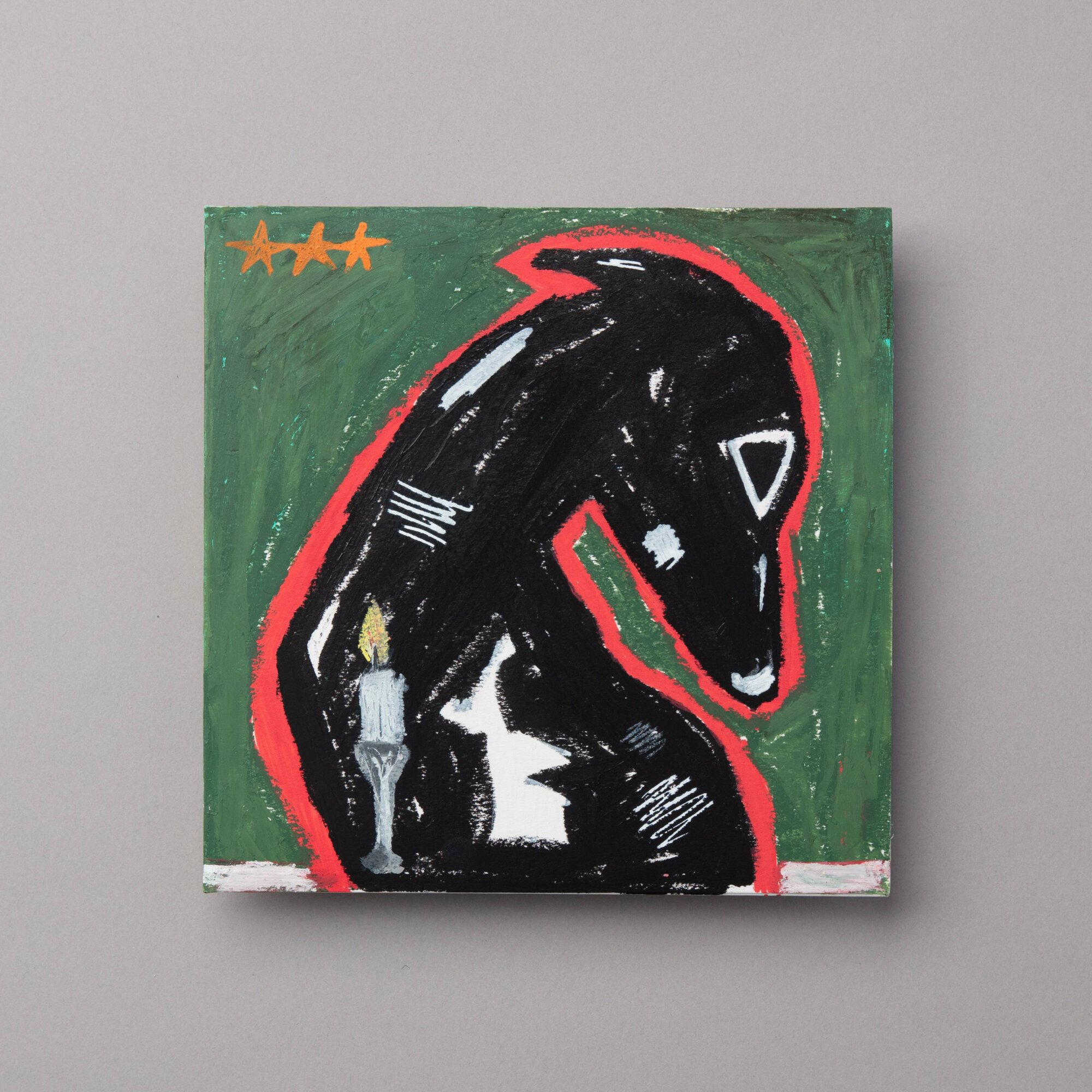
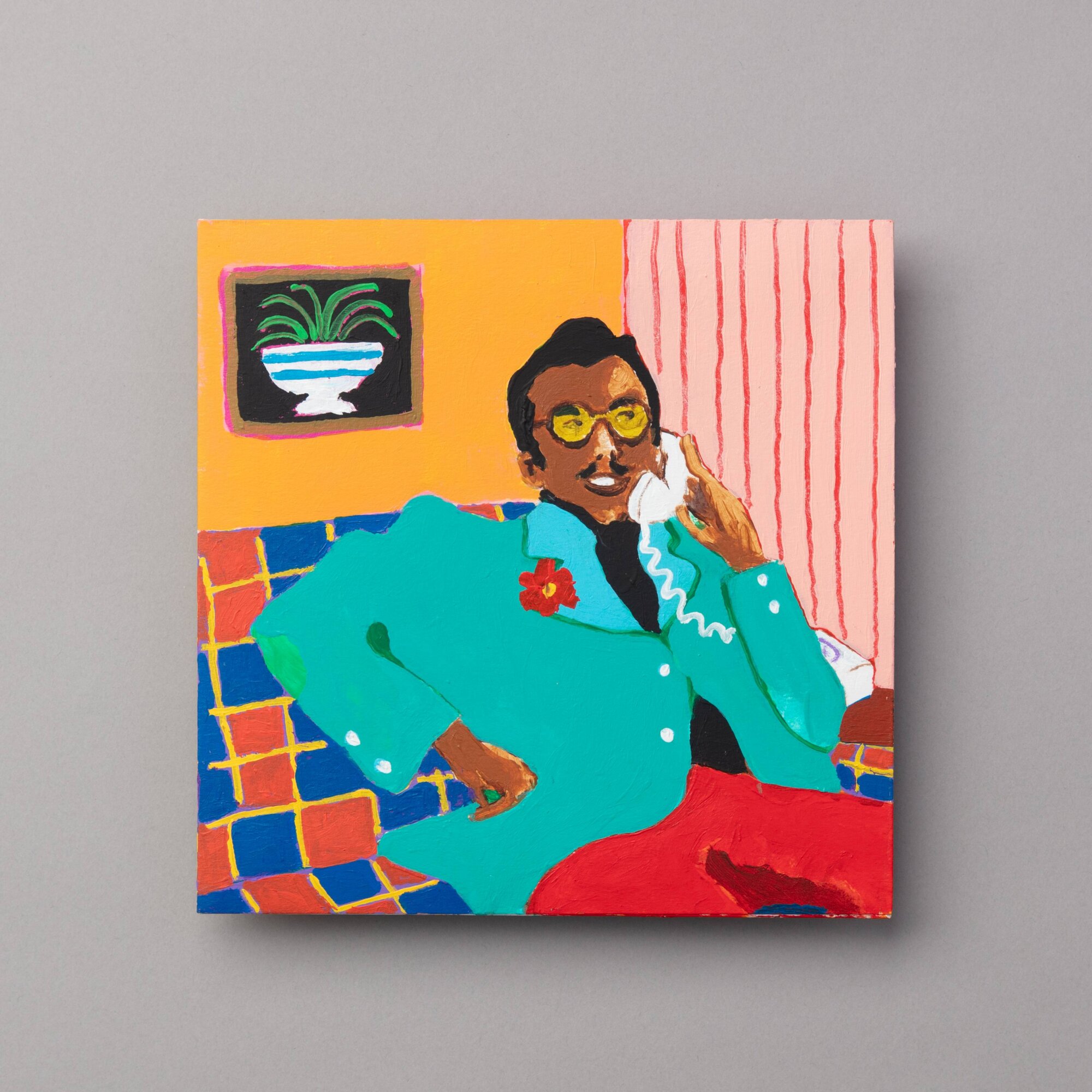
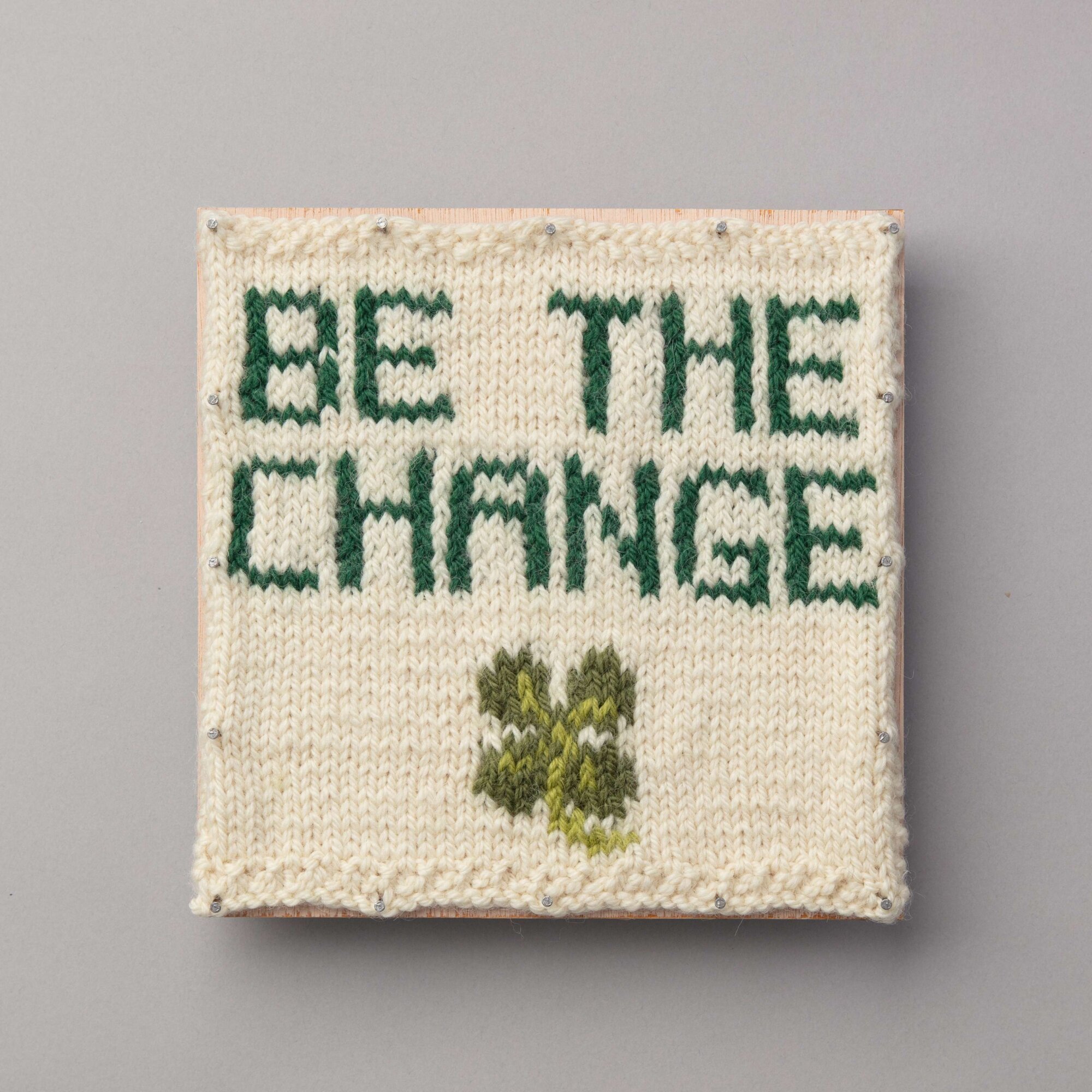
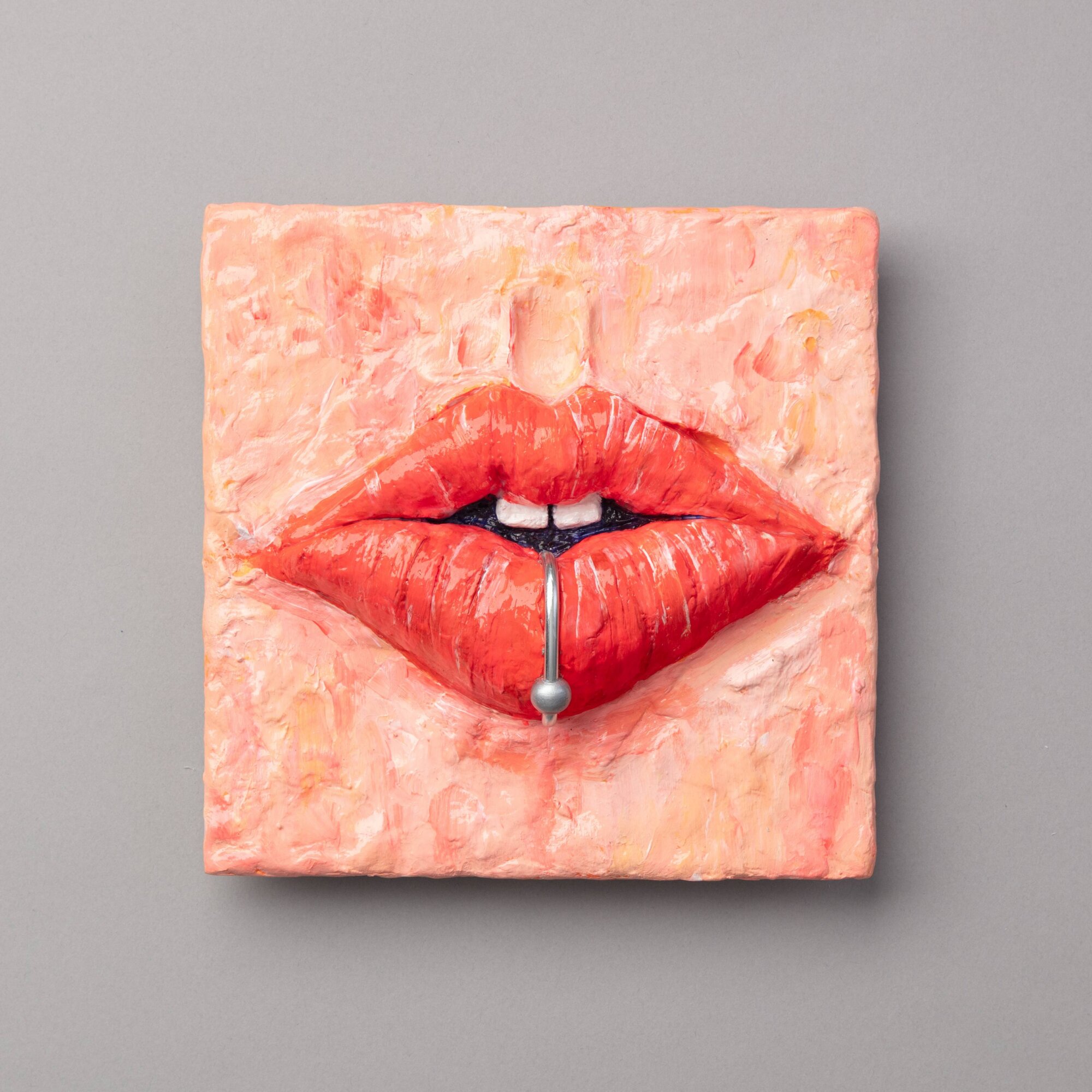
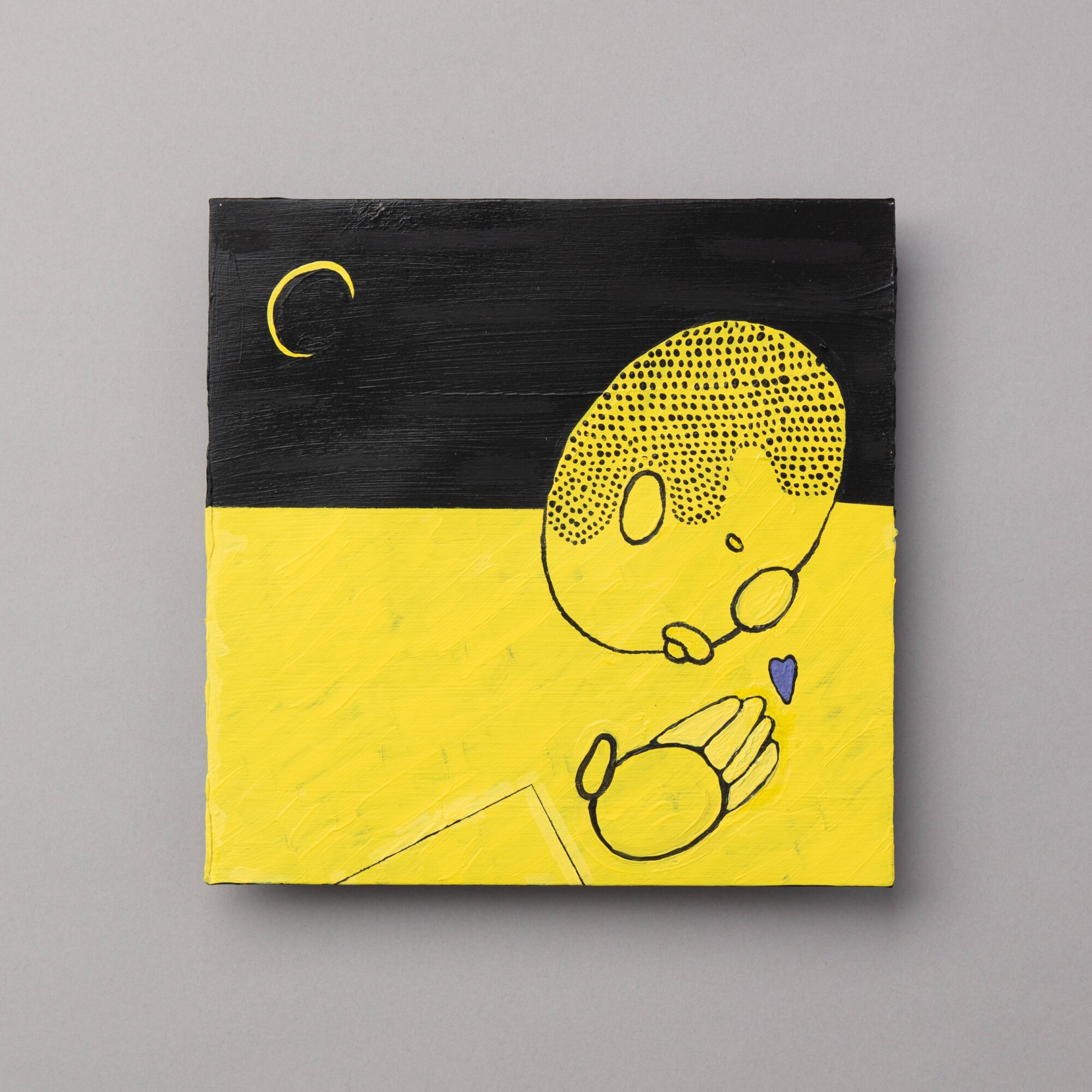
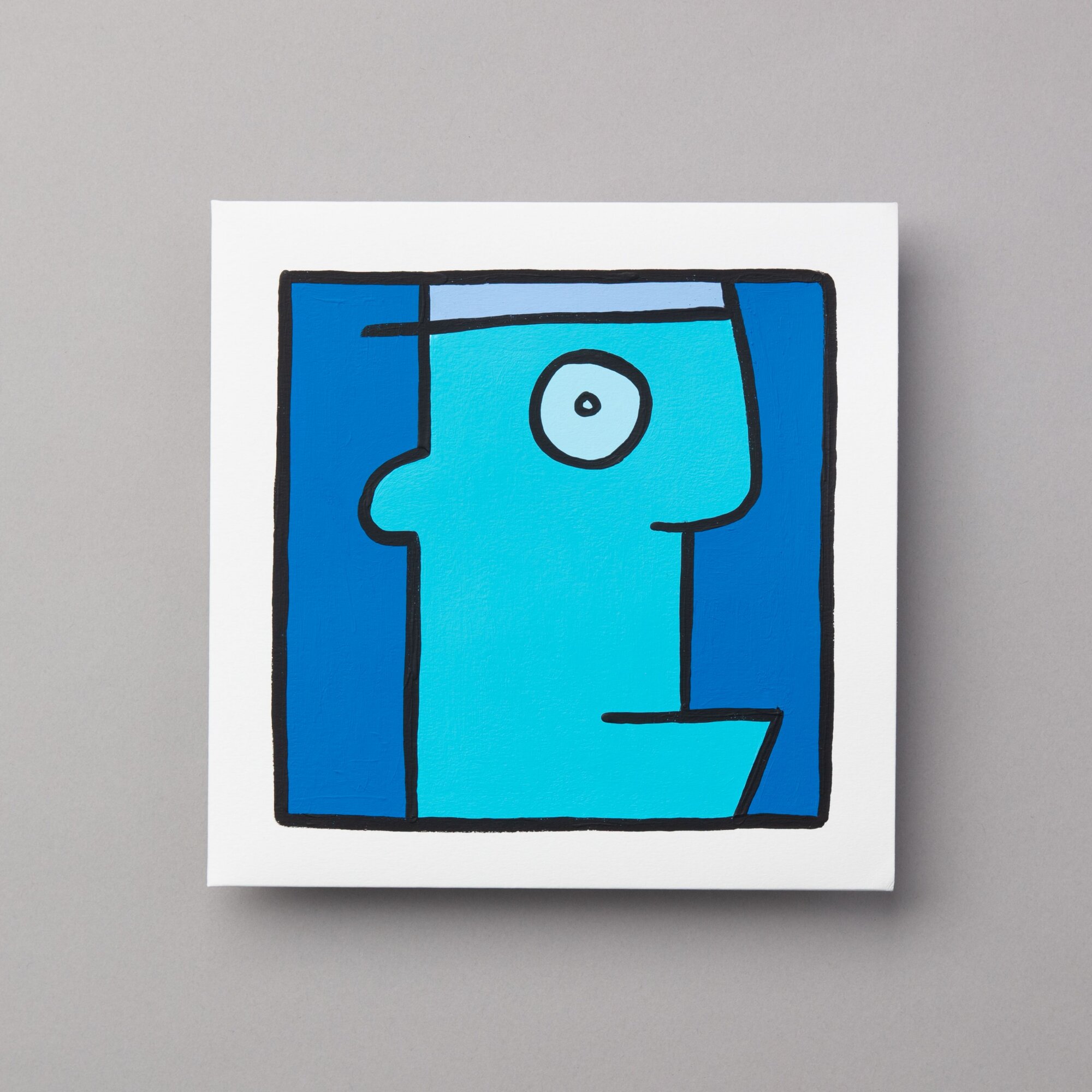
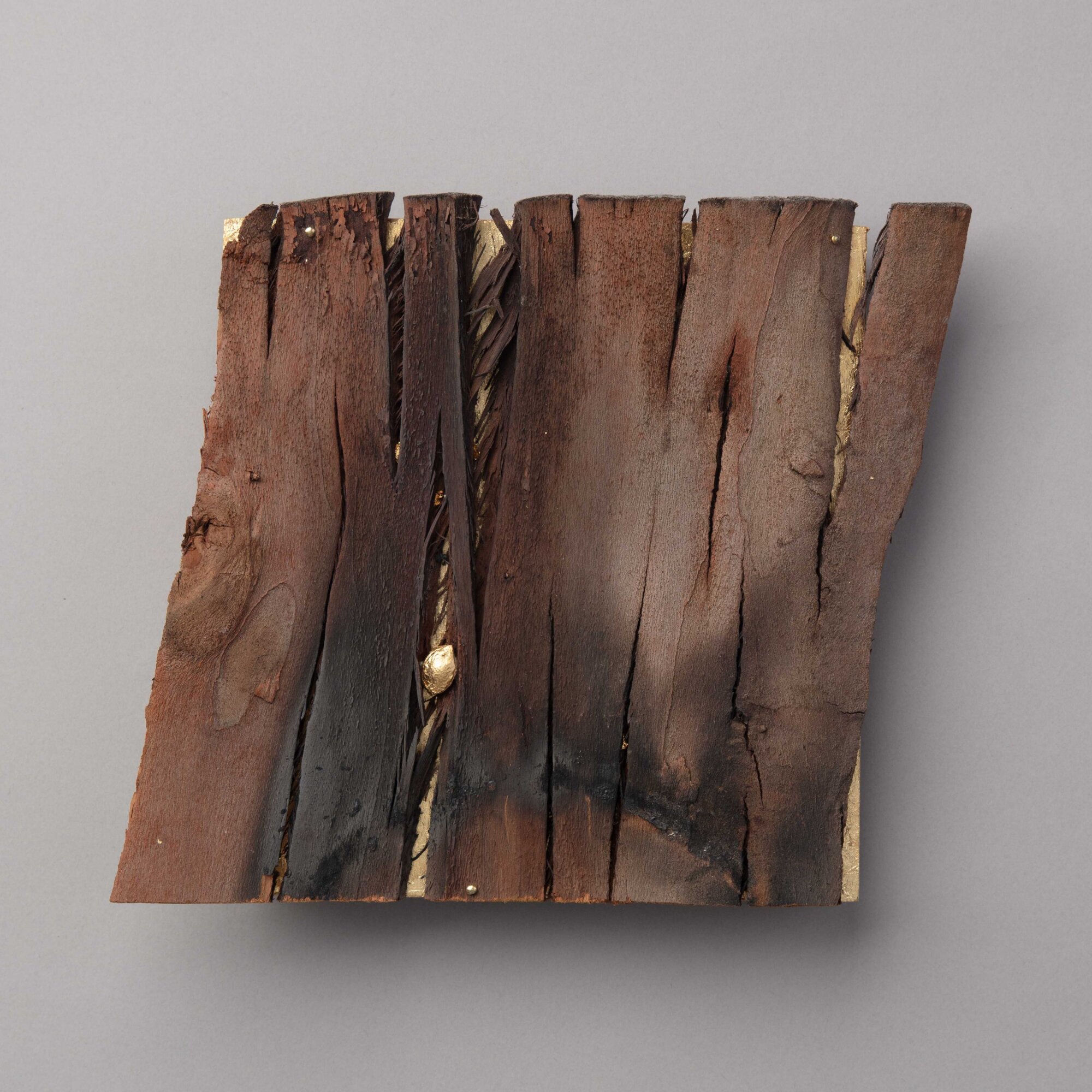
180 Studios. The idea remains simple: seven tracks are pressed 100 times each onto seven-inch vinyl, with every record given a completely original sleeve by an artist, designer or creative.
This year’s line-up comes courtesy of John Lennon, The Last Dinner Party, Gabrielle, The Maccabees, Skin, Glass Animals and Bastille, with tracks ranging from Lennon’s
Out the Blue to Gabrielle’s
Out of Reach and Glass Animals’
Take a Slice. Every sleeve responds to one of the songs, but the artist and track remain secret until after the auction. What catches your eye?
Across previous editions,
Secret 7″ has included sleeves by Ai Weiwei, Yoko Ono, Anish Kapoor and Es Devlin. What The Wick knows is that this year The Connor Brothers, Thierry Noir, MURUGIAH, Joy Yamusangie, Ben Kelly, Jon Burgerman, Justine Frischmann, Sumuyya Khader and LionHeart are among the headliners. MURUGIAH has also designed an exclusive B-side etching for all 700 records, bringing his bright, candy-coloured hand to the project’s anniversary edition.
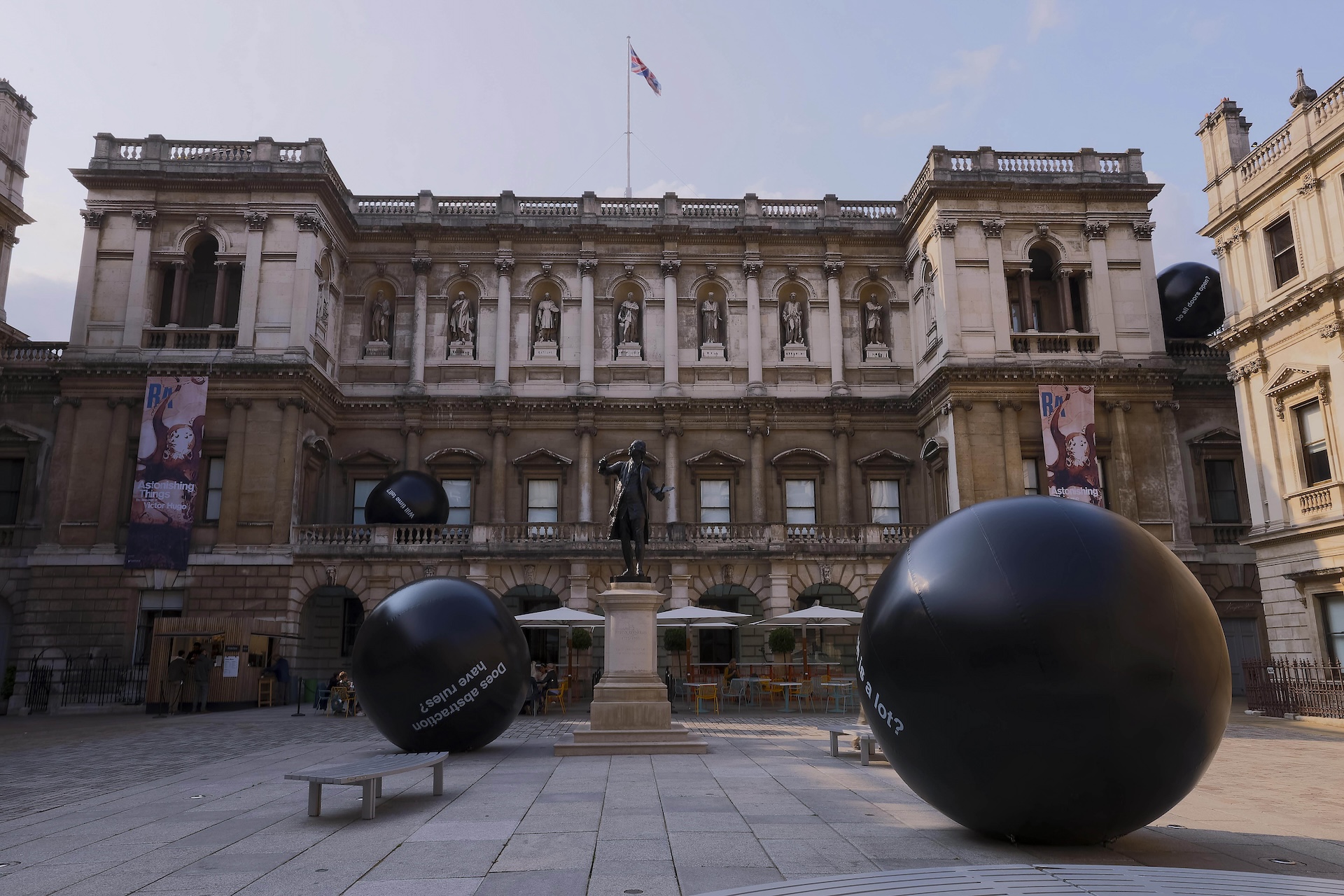
The sleeves will be shown at
180 Studios from 19 to 30 August, with the online auction running until 2 September. Proceeds go directly to War Child’s work with children and families affected by conflict, supporting emergency help, education and mental health support.