Back to the 90s.
Tate Britain is rewinding to a decade when British culture suddenly seemed to be everywhere.
The 90s: Art and Fashion brings together more than 100 works by nearly 70 artists, photographers and designers, revisiting a moment when the gallery, magazine page and catwalk constantly spilled into one another. Curated by Edward Enninful OBE with Tate’s curatorial team, the exhibition looks back at the optimism and audacity of the decade without sanding off its contradictions.
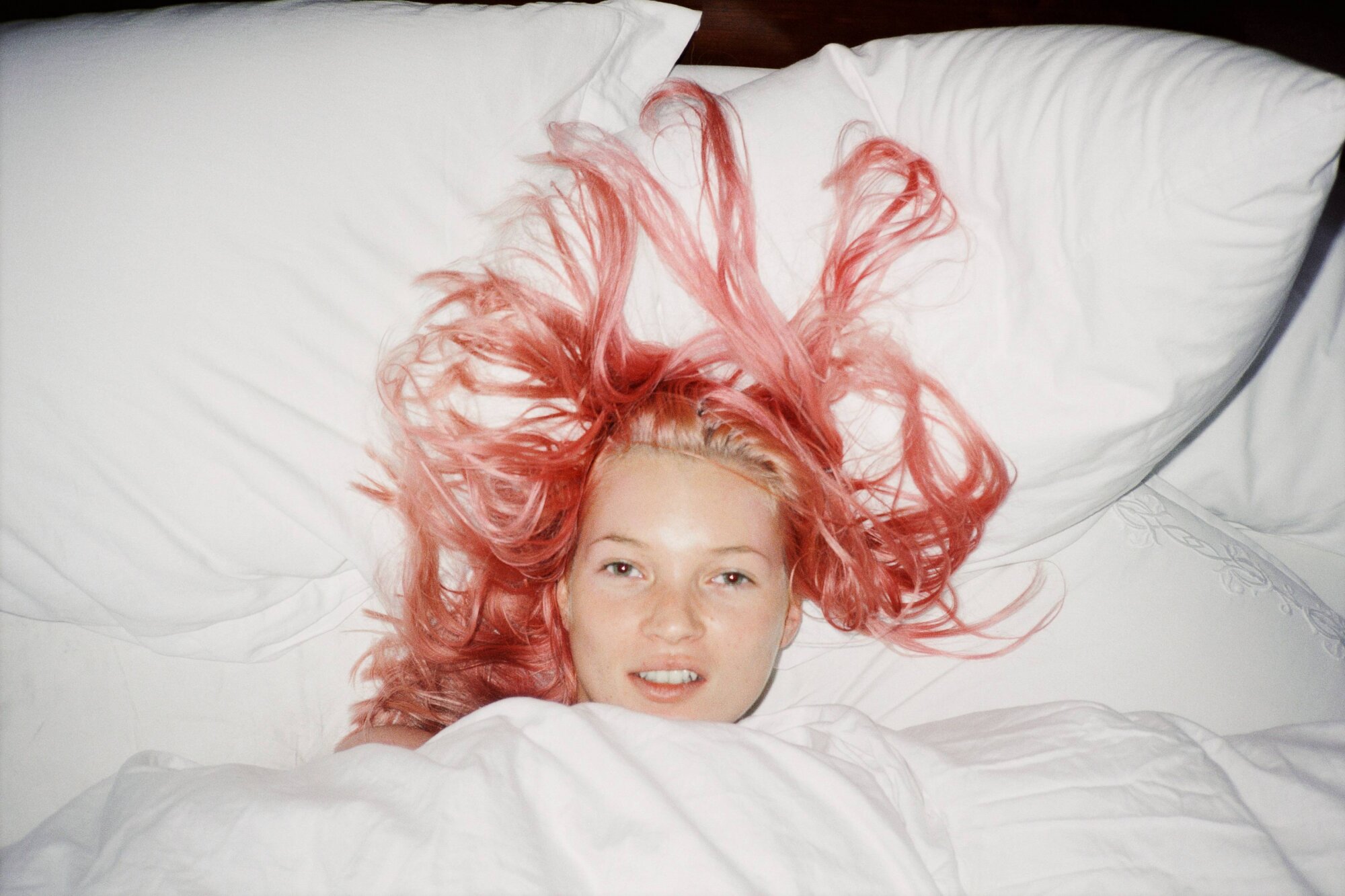
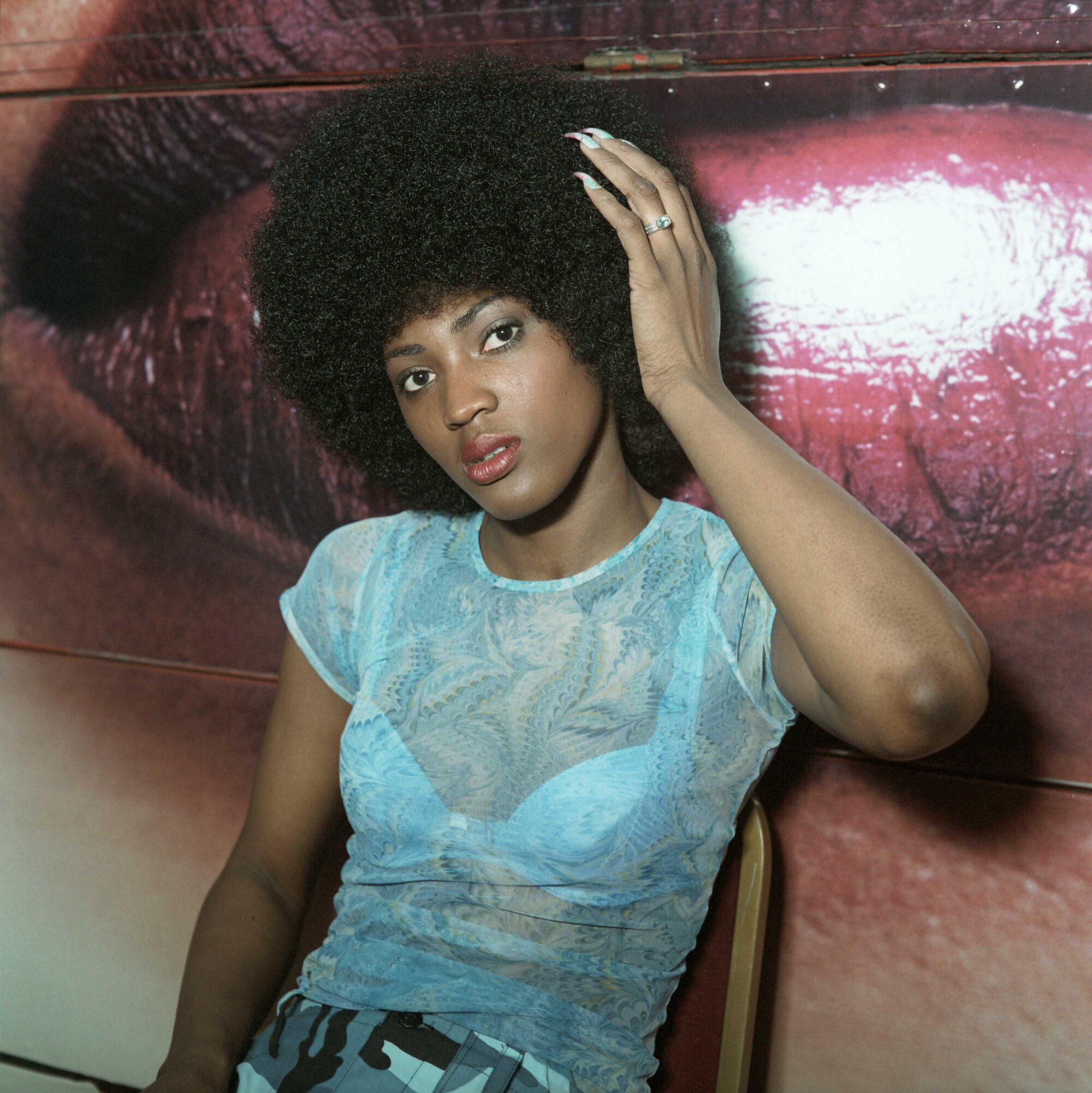
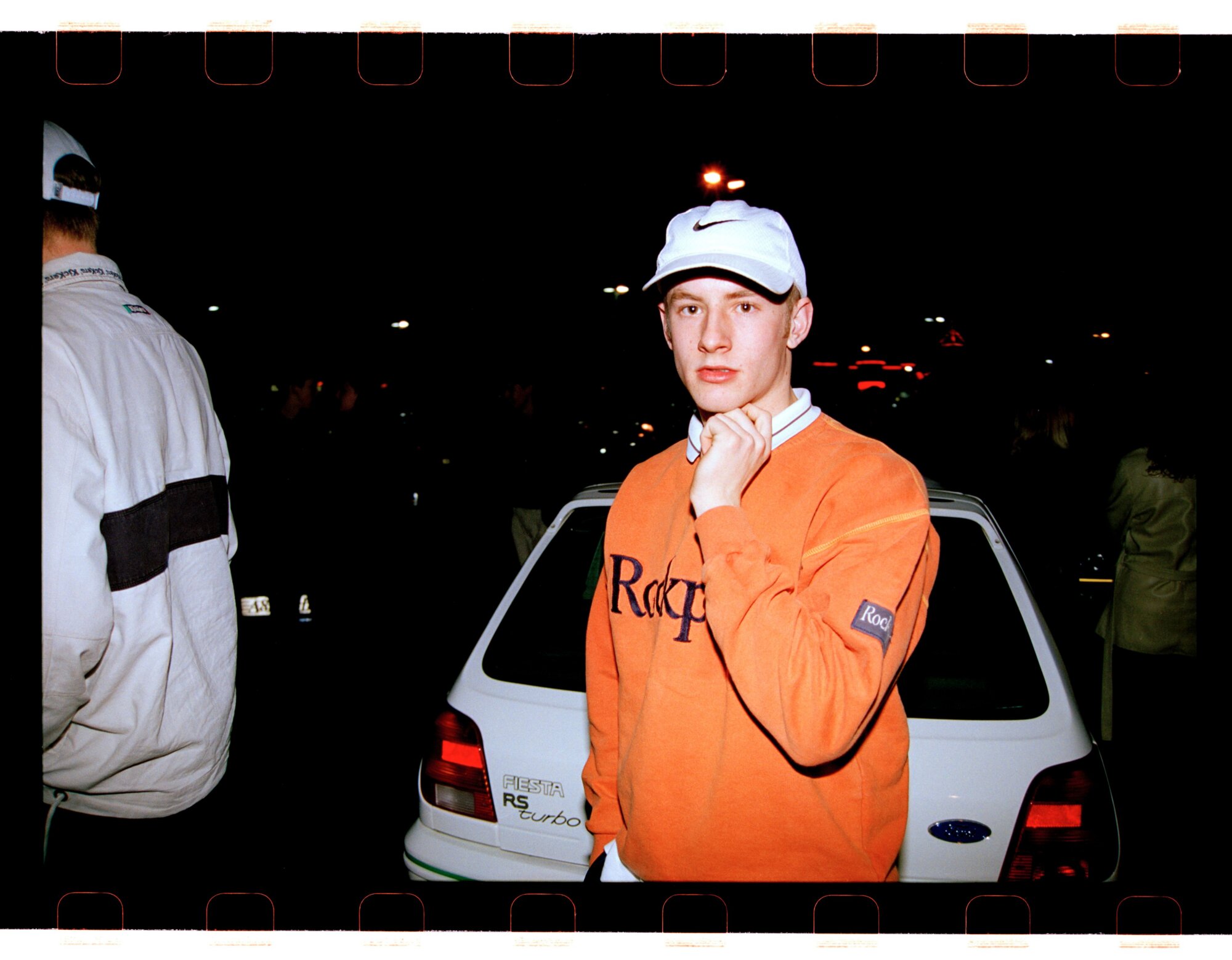
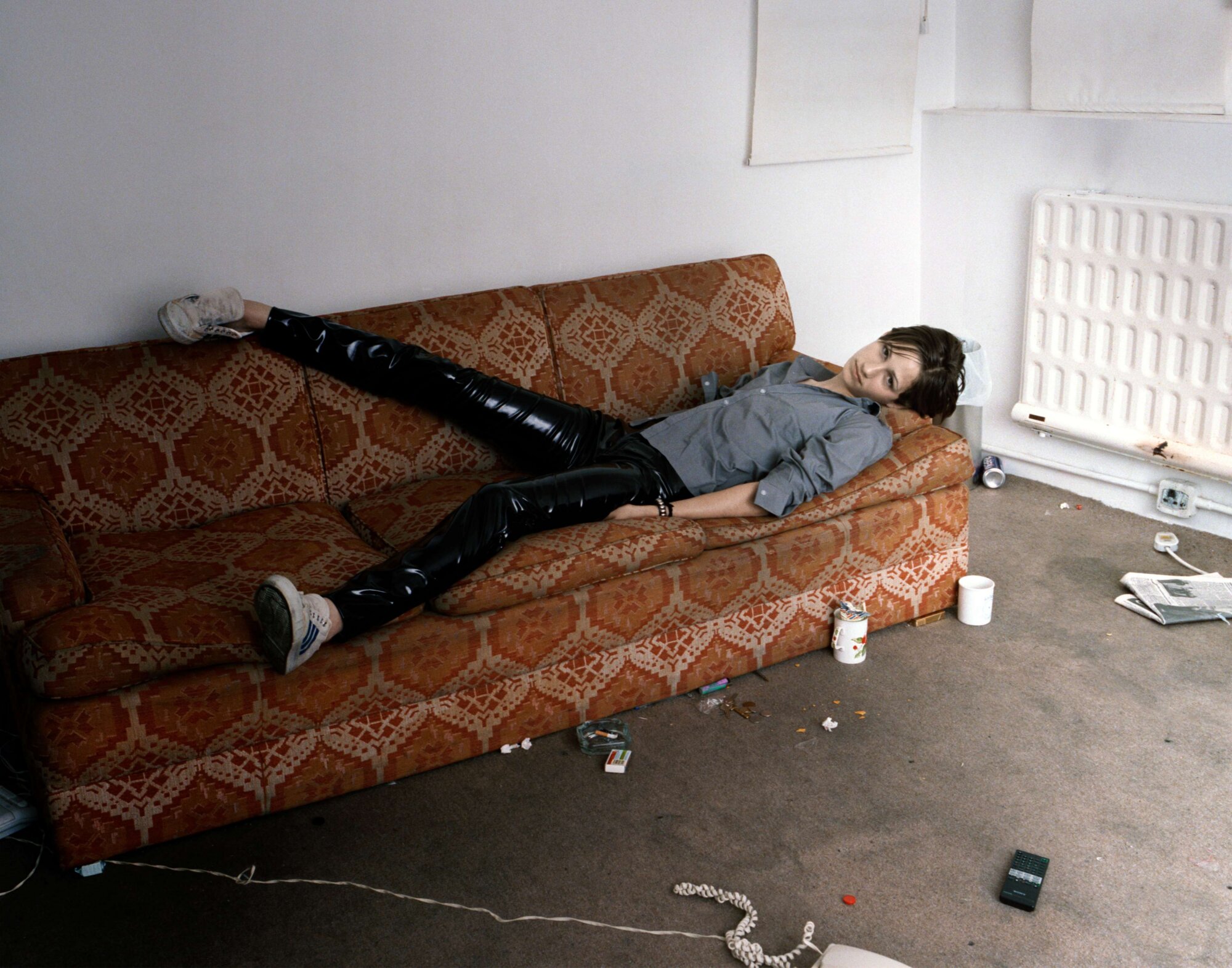
Enninful was only 18 when he became fashion editor of i-D, putting him inside a scene fuelled by resourcefulness and an appetite for experimentation. The exhibition opens with the magazine photography that helped make grunge a fashion phenomenon. Images by Corinne Day, Juergen Teller and Nigel Shafran revisit the deliberately unpolished aesthetic championed by titles such as i-D and Dazed and Confused. Attention then shifts to the dancefloor, with photographs of nights at the Haçienda and Bagley’s joining images of raves and queer club nights.
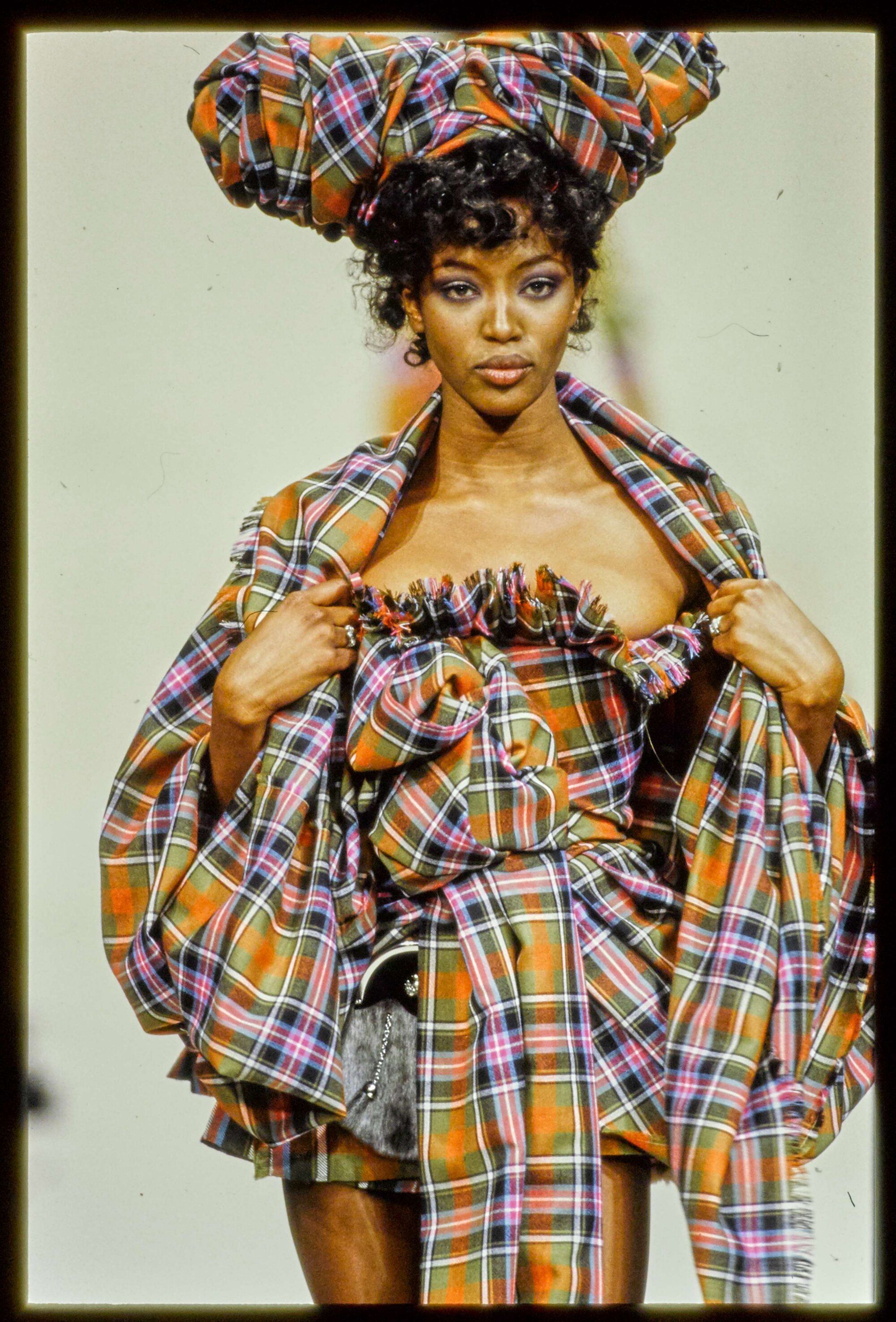
Elsewhere, the relationship between art and fashion takes a more theatrical turn. The exhibition explores the drama of Alexander McQueen’s runway presentations and the everyday objects behind Hussein Chalayan’s conceptual clothing, part of a wider examination of the decade’s experiments with form and the body. Wolfgang Tillmans’ ‘Concorde Grid’ (1997) introduces a different kind of spectacle, considering the promises of technology as the millennium approached, with all the excitement and uncertainty that came with it.
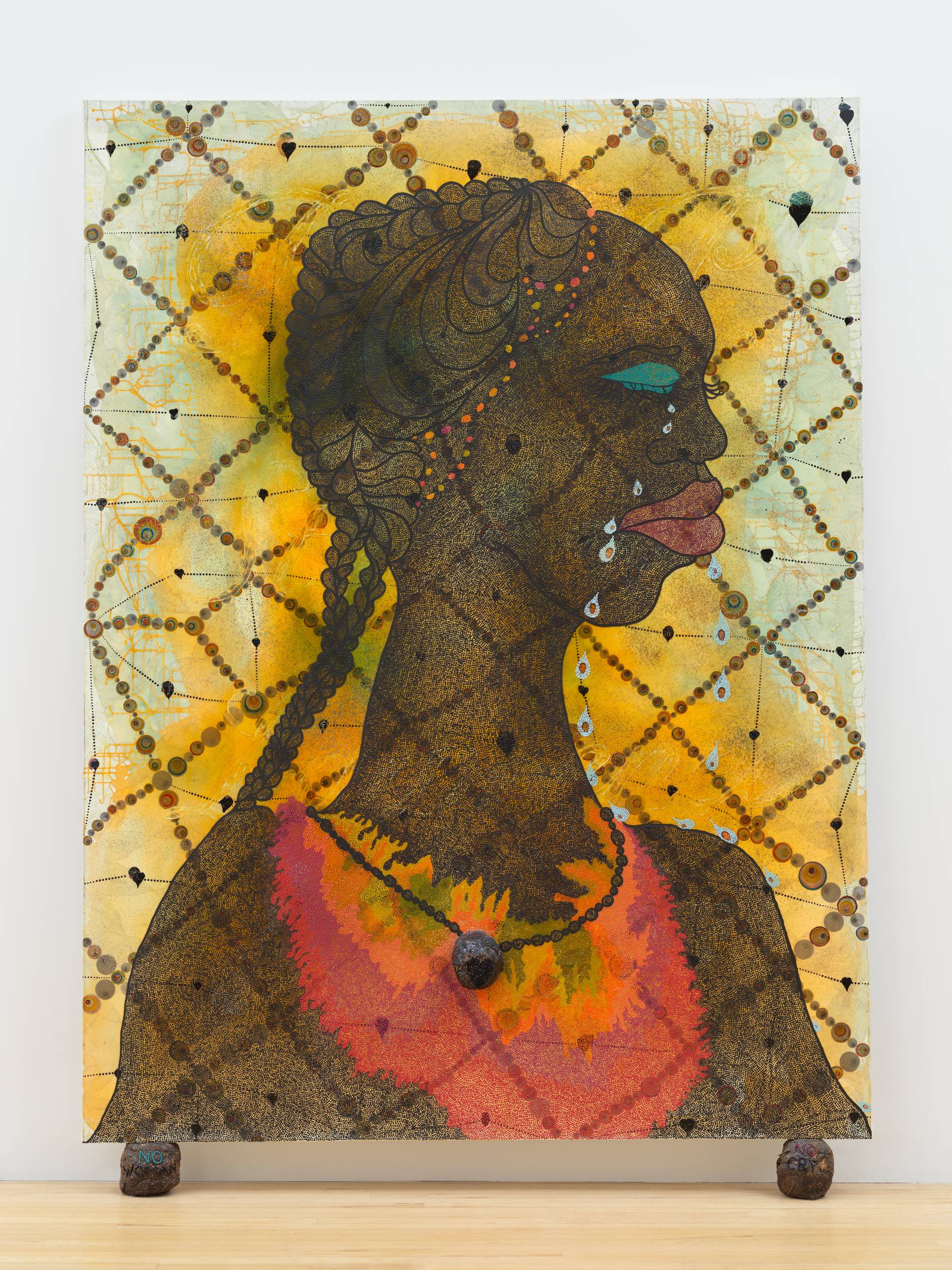
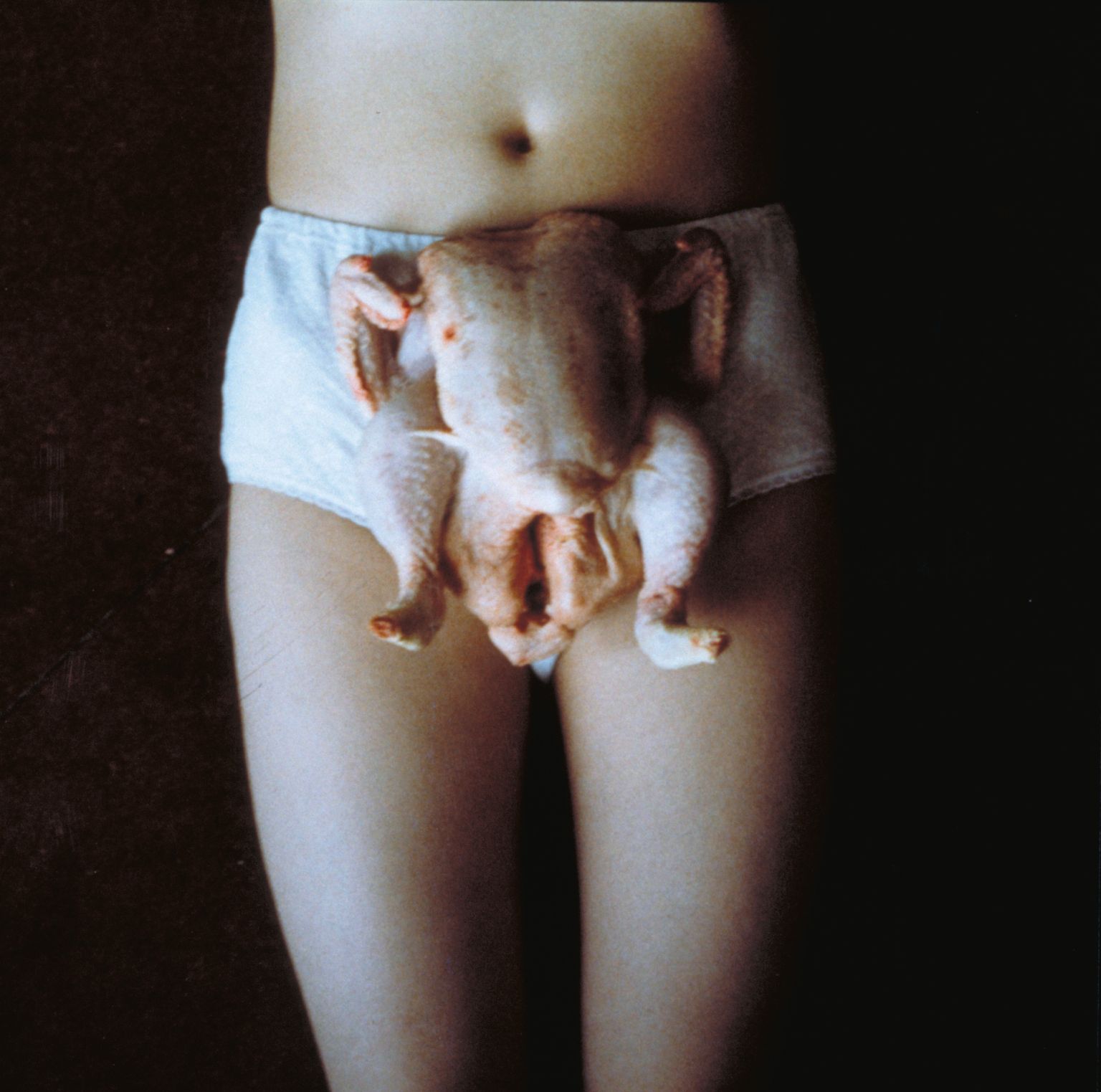
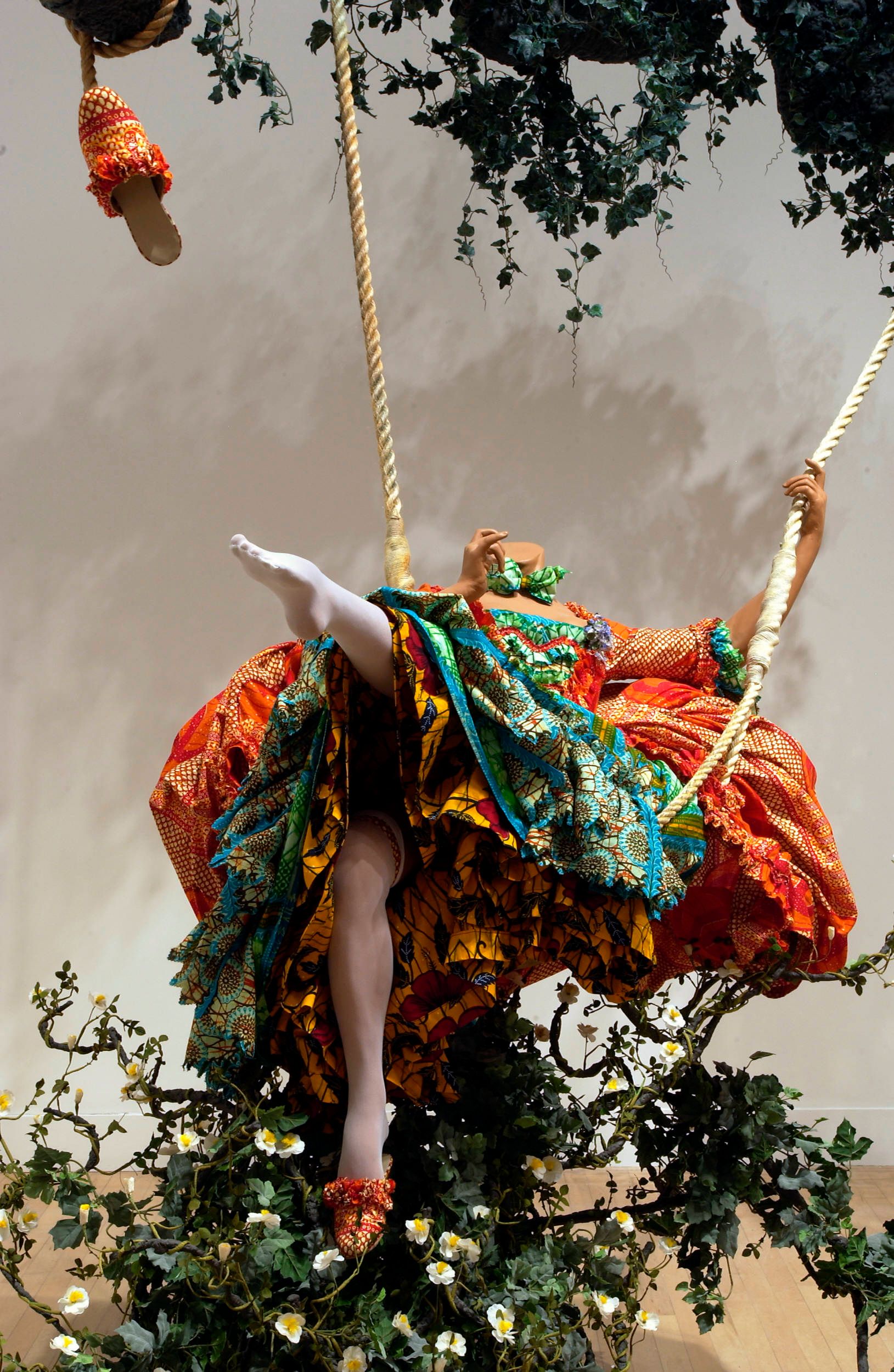
Other works to look out for include Steve McQueen’s early film ‘Bear’ (1993) and Chris Ofili’s ‘No Woman, No Cry’ (1998), a tribute to Doreen Lawrence and her son Stephen. Work by Maud Sulter, Keith Piper and Yinka Shonibare pushes against the easy mythology of Cool Britannia, asking who was actually included in the national picture and who was left outside it.
Three decades later, much of the 90s wardrobe has already found its way back onto the streets. Tate Britain offers the chance to see the messier, more inventive culture behind the revival, when grunge sat next to high fashion and a night out could still begin with a flyer in your pocket rather than a location pin.