The Wick Culture - Joy Gregory by Brook Andrews The Wick Culture - Joy Gregory by Brook Andrews

Interview: Artist Joy Gregory

Interview
Joy Gregory
Photography
Brook Andrews
20 October 2025
Interview
Joy Gregory
Photography
Brook Andrews
20 October 2025
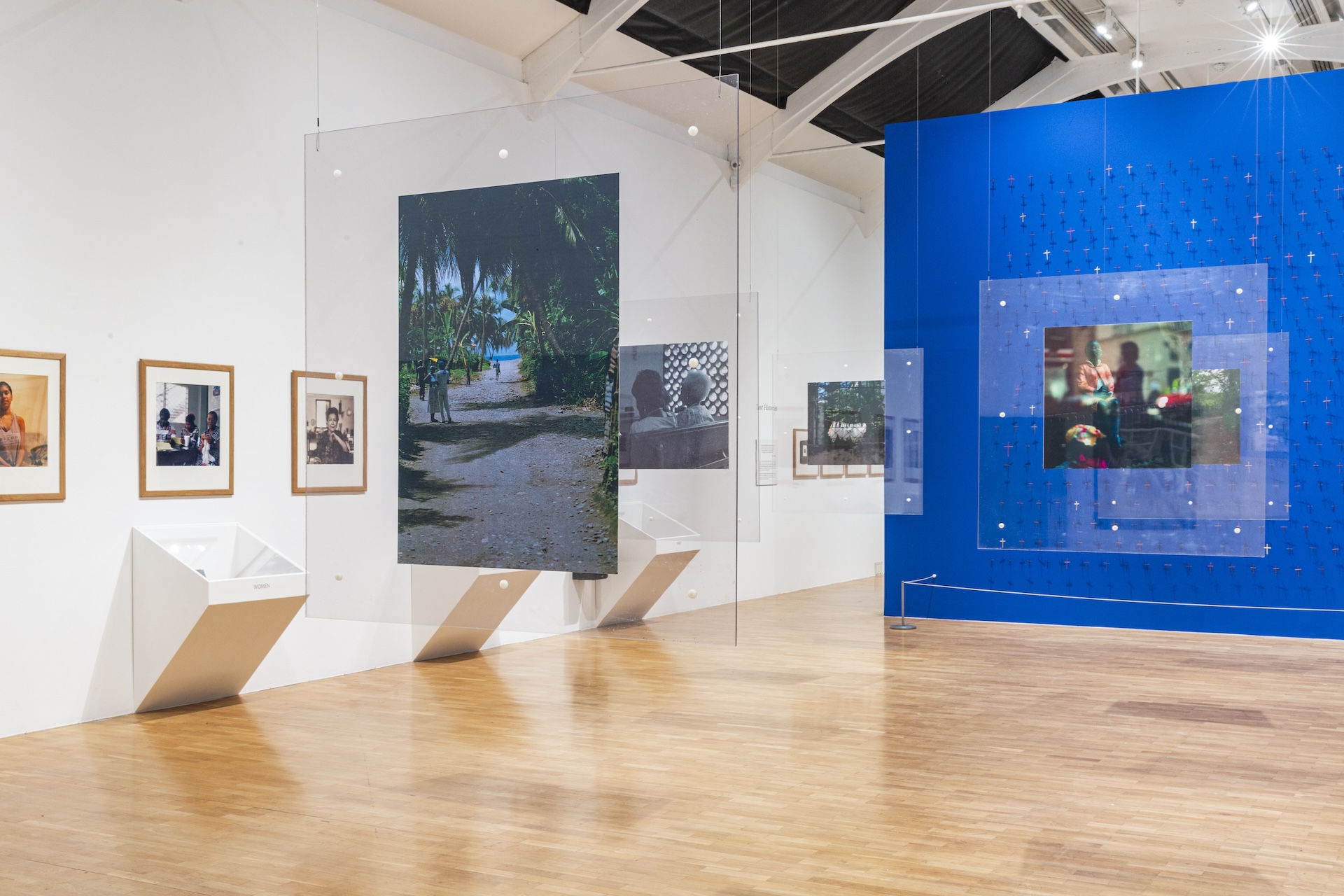
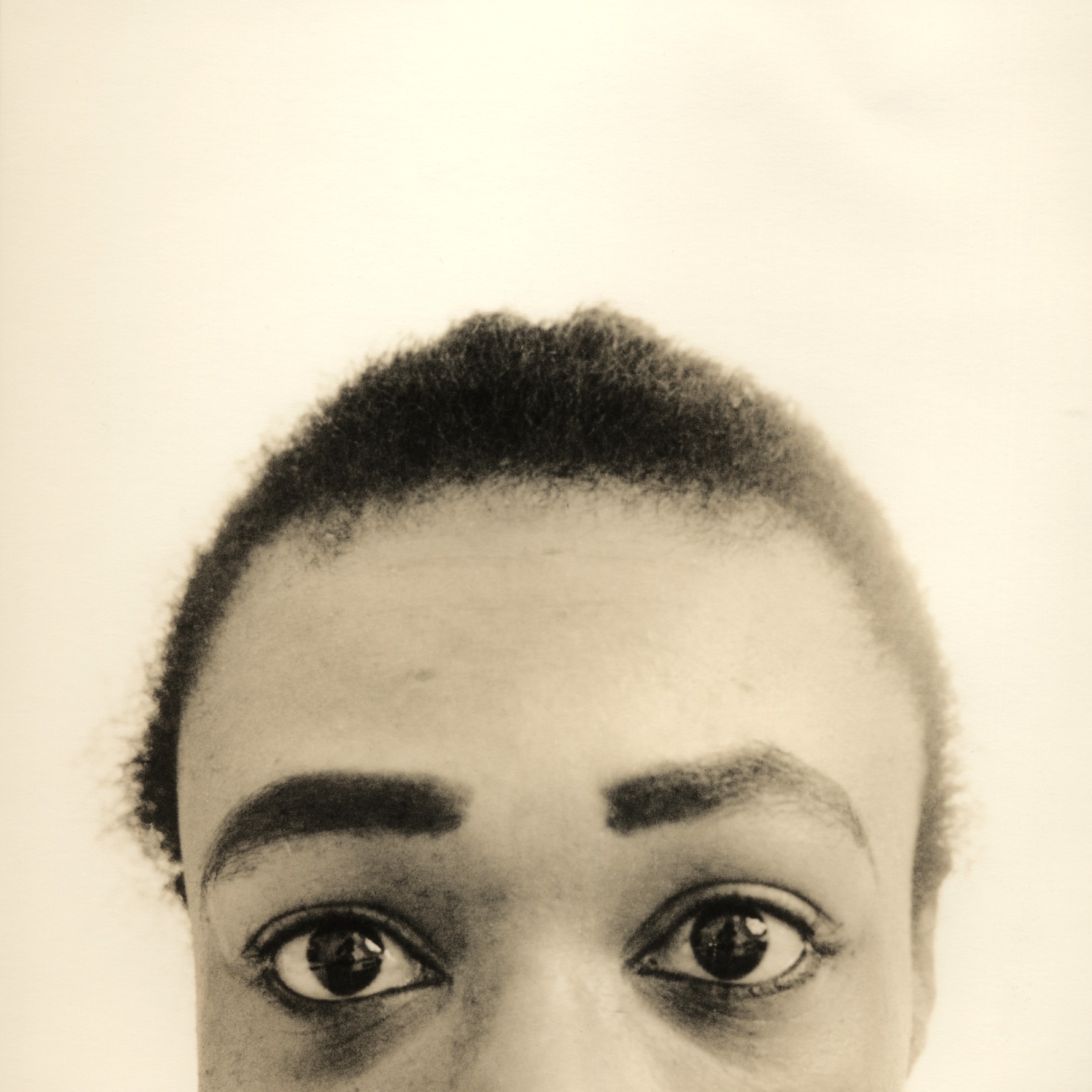
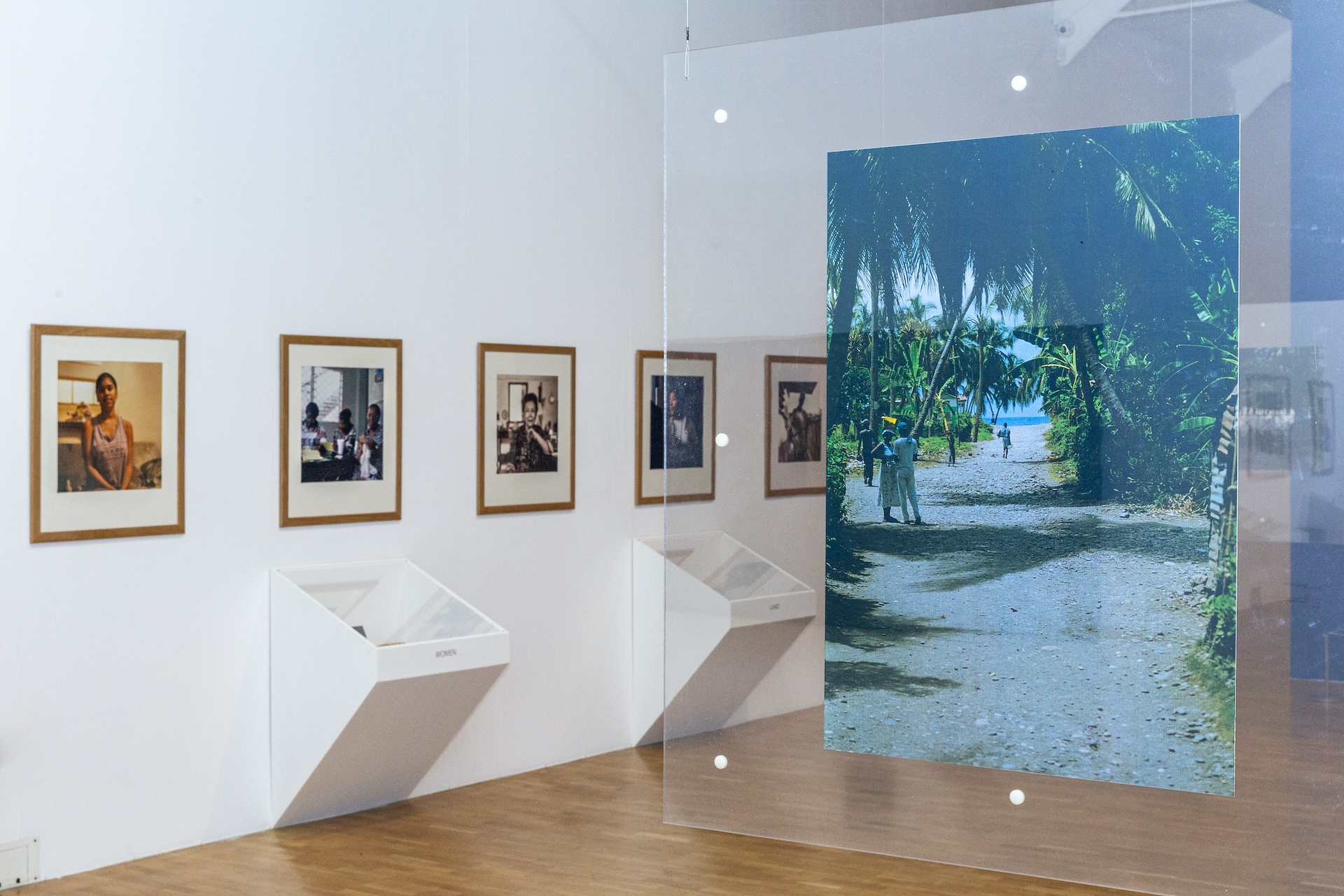
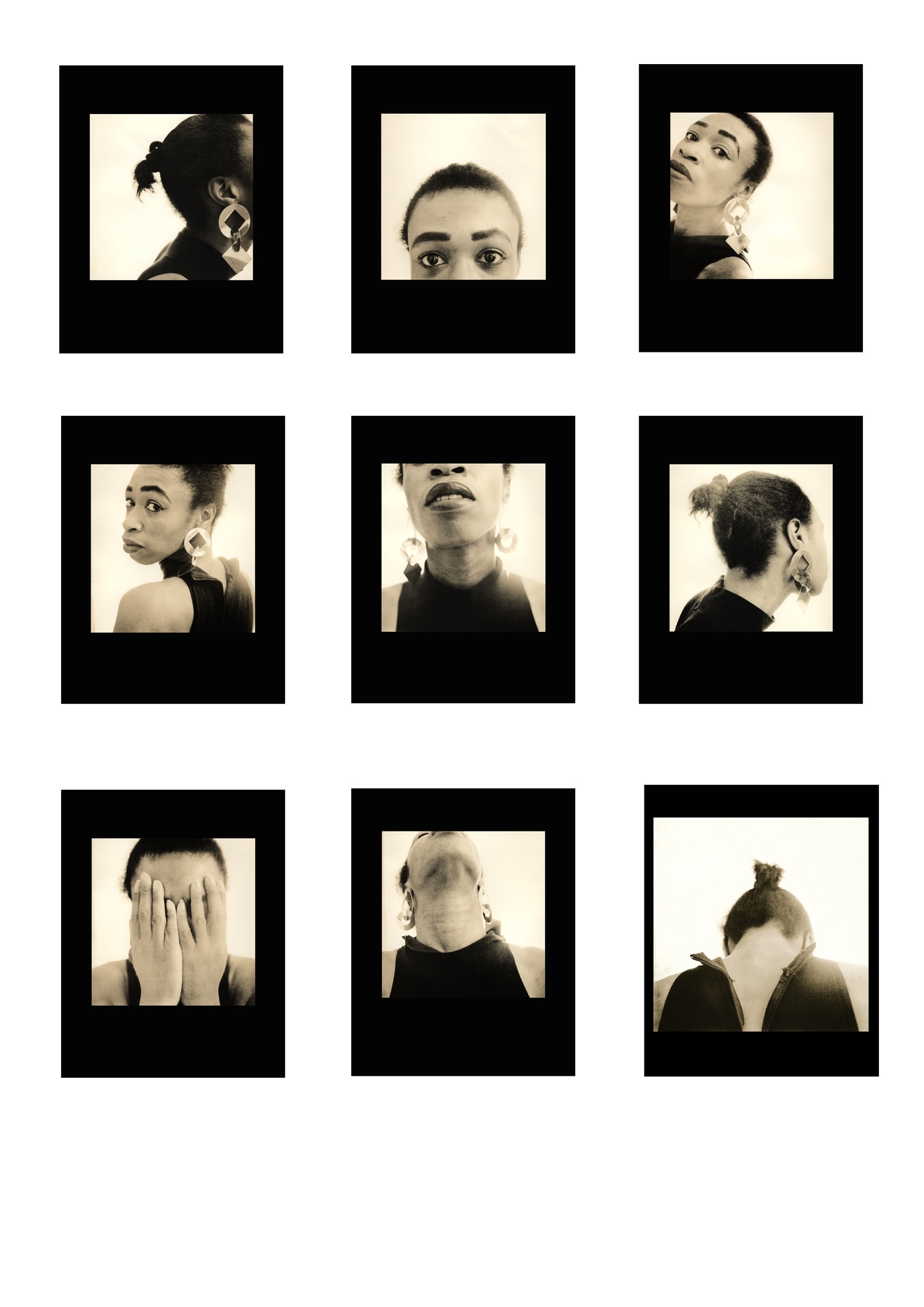
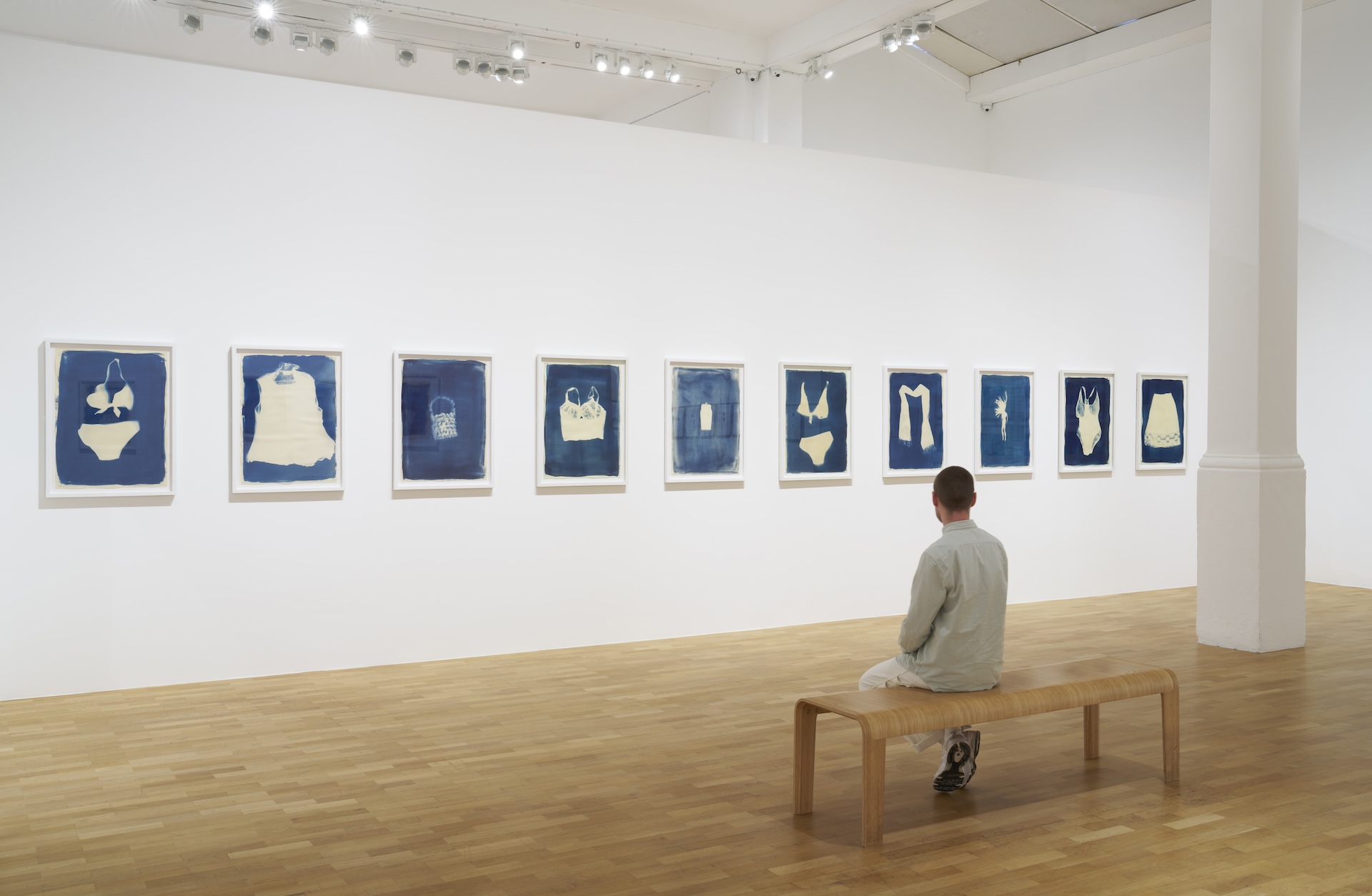
Over four decades, artist Joy Gregory has established a robust voice in the British art world, through her own practice, and through teaching, becoming an essential, experimental and pioneering voice, particularly in the medium of photography. Since the 1980s, Gregory has developed a rich, vital and extensive body of work in various mediums, from Victorian photographic techniques such as cyanotypes and kallitypes, to textiles and performance pieces. Her themes invite us to reflection on notions of power, representation and cultural memory held in the social and political structures we inhabit. Her current exhibition – her first major survey – opened on October 3 at Whitechapel Gallery, ‘Catching Flies with Honey’. Gregory is the recipient of the 8th annual Freelands Award. In this conversation with The Wick, she shares more about the things that have informed and shaped her practice from her first encounters with the darkroom as a child, why photography has been a mainstay in her work, and what beauty means to her.

THE WICK:   What does a typical Monday look like for you?

Joy Gregory:   Monday is a strange day. You always think nothing’s going to happen, but it’s always incredibly busy. I usually try and save Mondays for doing admin, but it always goes to the bad somehow. I don’t think it’s ever a typical Monday, but I try and make it typically a day of admin, but if I see something that needs doing, or a colour that looks nice, I’ll go and sit and have a little play in the corner. If I was a sensible person, I would be doing all my letters and things and keeping up with my account.

TW:   Your exhibition at Whitechapel Gallery Catching Flies with Honey is the first major survey show of your work. Why this exhibition and why now?

JG:   I think the retrospective is sort of a good way of being able to actually introduce a lot of people to the breadth of my work, because I think people know little bits of it, because a lot of the work has never been seen in this country, because I tend to make and show things abroad. I’ve done residences and workshops overseas. So it’s a great time to actually bring almost 40 years of practice together so people can see the different aspects the way in which I work, and have a better idea about not just my practice, but also about the breadth of photography because I think people have a particular idea about what photography is. For me, it’s a really magical medium which is really about the 20th and 21st Century and it is the medium of now. And by now, I think only 40 years is quite a good have a retrospective. I’ve become more confident about my practice, and I spend most of my time actually doing my work now and being an artist. I still teach, and I think teaching is really important for me. It’s kept my practice, I think fresh. It’s made me question everything that I do, and I feel that it’s kept me more aligned with what’s happening in the world.

TW:   How has the experience been working with Whitechapel Gallery?

JG:   Whitechapel is a fantastic place to have an exhibition. I feel very privileged to be having an exhibition there, and I think a lot of people see it. I also have a relationship with a school that’s not very far from there with a class that’s named after me. And so the pupils in this primary school, they’re going to be coming to the exhibition, and so we’ll have a fantastic day out chatting about it.

TW:   You were born in Bicester to Jamaican parents, how do you think this influenced your world view?

JG:   I have a dual culture. So you understand in the same way of people who speak one language at home, another out on the street or at school. I think it’s enabled me to be sort of bicultural, I can understand things from different perspectives, but also it has made me think more broadly, having come from a very small town, to thinking about the world in a very different way through my parents experience and their expectations of what is possible within the world.

“It’s something that shifts, and if you try and keep up with it, it’s like trying to hold a rainbow..”
TW:   You are well known for the practice of creating cyanotype images – where did your journey with the camera begin?

JG:   At school, with my teacher, Mrs. Morgan. When I first started, I was 11, and there was a room called the darkroom which was like a place of mystery. I asked her, what happens in the dark room? She said, ‘Oh, you can’t go into dark room until you’re in the sixth form’. It’s where you can print and make pictures. I was like, I really want to go in there! So I think I stayed on to the Sixth Form so that I could actually go and use the darkroom. She taught me how to print and how to use my camera. My poor parents probably spent every cent they had and bought me my first camera ever for my 18th birthday. So I got a Fujica camera for my 18th birthday, which I loved, and took up to Manchester with me.

I suppose the cyanotype images happened when I was at Manchester. I really went to Manchester because I wanted to understand everything to do with photography, and I knew that they did science with photography as well as sort of like design. Not as an art form but as a form of communication. You do ‘pure’ photography, making images, and then also understood how those images were made in technically, in terms of chemistry and physics. That’s how I learned about cyanotype, and I became obsessed about being able to make my own emulsion. Cynotypes are the easiest one to make, and it’s probably the safest, two iron salts together.

TW:   Your work has long explored the politics of beauty. How do these questions resonate today?

JG:   Do they ever go away? I think it’s even more for people growing up now, I think it’s more overwhelming the idea of appearance than it was when I was growing up. How you look seems to be so much more important. The idea of what beauty is changes all the time, depending on what period you’re living in, depending on where you are in the world, depending on who’s looking at you and how you’re looking at yourself. It’s something that shifts, and if you try and keep up with it, it’s like trying to hold a rainbow. It’s impossible. It’s an impossible thing. I think how you should look is how you want to be, and how you feel comfortable, and other people should be comfortable with that.

TW:   Language is a recurring motif in your work. What is your favourite book?

JG:   It depends on the day. A book I read a long time ago, Spoken Here: Travels Among Threatened Languages by Mark Abley. I like it, not just because of what’s inside, also because it’s got a really beautiful cover. One of the books I used a lot when I was teaching early on when I was London College of Printing in the late 90s was The Handmaid’s Tale. It hasn’t aged, and I think it probably just come out, and I used it to talk to students about how the world is and can be, and how everything within the book is something that had already happened, and I think most people found it quite unbelievable, but I think that’s probably one of my favourite books. I also loved Girl, Woman, Other by Bernardine Evaristo. A fabulous book.

TW:   Your landmark exhibition is in Whitechapel. Where is your favourite Culturally Curious spot in East London?

JG:   Back in the day, we used to like going to the Blue Note, which was in Hoxton Square. I used to live on Wentworth Street, so Petticoat Lane was a big thing, although I went there the other day, it’s changed completely. All the street market seems to be sort of like fading away, which is a bit sad. I loved the Petticoat Lane market when I first lived there in 1984 just because it was so bustling and so noisy. There used to be bagel shop there as well, I would go there sometimes and treat myself to a bagel. I also like the bagel shop on Brick Lane. I mean, I used to love going there after clubs, because it at the time it was one of the few places that was open at the time. And now London is open 24/7, but I used to go there and get a ton of bagels.

TW:   What is the best piece of advice you have received, and you would like to pass onto a loved one?

JG:   To keep believing in yourself, and just keep going and don’t look at whatever everybody else is doing. Just keep your eye on what it is that you want to do and be true to yourself.

TW:   Who is an emerging artist on your radar that we should be aware of?

JG:   There’s so many. So many. One of the people I think is really fantastic, who is going in the Biennale in Liverpool, is Katarzyna Perlak, she does amazing work with textiles and just her ideas are really, really fantastic. But there’s so many artists that I can’t pick one!

TW:   What artwork and object would you bring to a desert island?

JG:   My headphones and my music. I’ve also got a really beautiful vase that was made in the 1920s. It’s a really magical lime green colour, but it’s not really green, because the colour changes in the light, and then it’s got these different orange and green, brown and blue bits at the bottom that seem to spread out and grow and then go back down again. It’s so beautiful.

TW:   Who is your ultimate Monday Muse?

JG:   My friend, Sarah, is my Monday Muse. She’s absolutely incredible. She’s got three children, a full time job and she still has time to do stuff in the community and be a community leader in many things, and yet, just sort of somebody that nobody probably even notices. I find that so inspiring. I think somebody who just gets on with life, and no matter what it throws at you, sits there and catches it with both hands.


Share story
READ MORE
The Wick Culture - Aoife Leach Headshot
Monday Muse

Interview Aoife Leach

The Wick Culture - NIGO photographed at the Design Museum. Photo: Elliot James Kennedy
The Wick List

Viewing NIGO: From Japan with Love

The Wick Culture - Onya McCausland, 54.82776° N, 1.31629° W, 2025. © BJ Deakin Photography
The Wick List

Viewing Onya McCausland: Tailings

The Wick Culture - Undercroft Skate Space, 1989 ©Tim Leighton Boyce_Curtis McCann Southbank. Images courtesy The Read and Destroy Archive
The Wick List

Viewing Skate 50

The Wick Culture - Denzil Forrester, Dub, 1985
Dream & Discover

Dream Dub by Denzil Forrester

The Wick Culture - Courtesy of Saad Qureshi
Spotlight

Spotlight Saad Qureshi