Spotlight Jai Chuhan
Championed by Deborah Smith
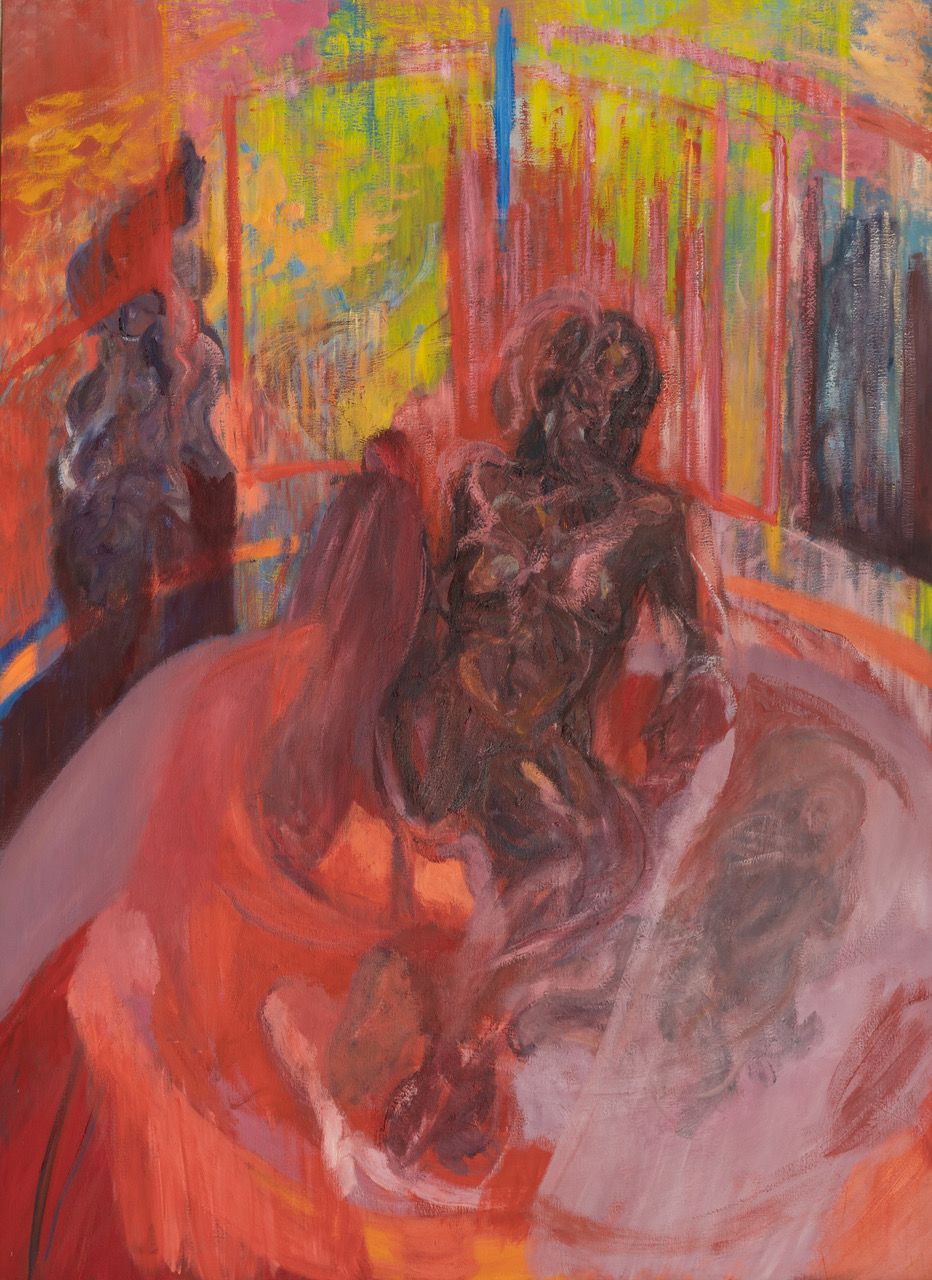
Above Jai Chuhan, ‘Madonna’ 2022 oil on canvas 205 x 150 cm
ONES TO
WATCH
WATCH
ONES TO
WATCH
WATCH
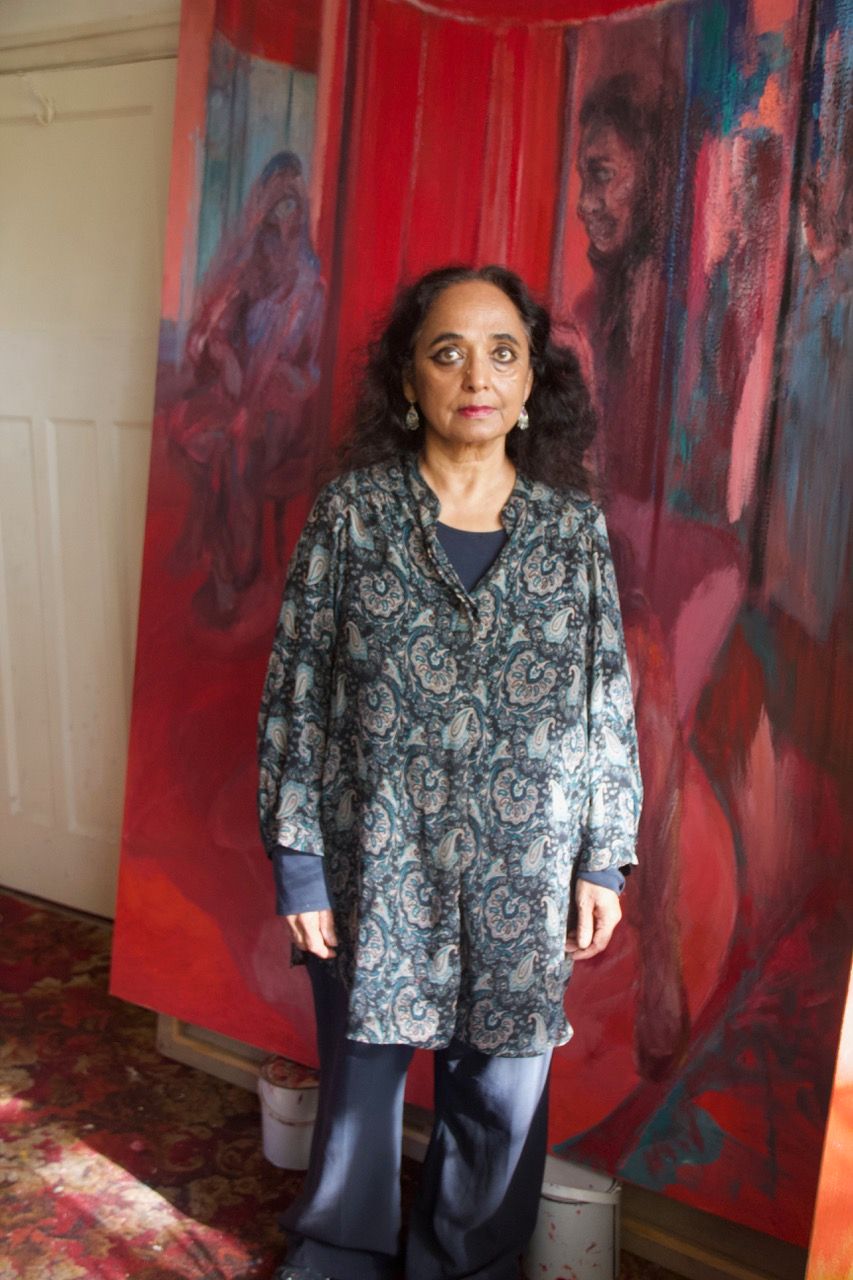
Above Jai Chuhan in her studio, 2022
Interview
Jai Chuhan
Interview
Jai Chuhan
Jai Chuhan is an Indian-born, London-based painter educated at the Slade School of Fine Art, whose vivid portraits and depictions of the human body explore the female gaze through themes of, in the artist’s own words, “refuge, home and unhome”. Her work has been recognised internationally across solo and group exhibitions, with presentations including Tate Liverpool and the Barbican, as well as international art fairs including Frieze London, Art Basel, Art Basel Paris, Art Mumbai and India Art Fair in New Delhi. Since 2023, Chuhan has had six solo exhibitions across London, Paris, Devon and Biarritz.
Chuhan’s paintings are often set within room-like spaces, interiors heavy with colour and an invisible but almost tangible psychological weight. Working in oil on canvas, she uses vibrant cadmium pigments and gestural marks to suggest bodies in movement, caught in crisp focus or only blurrily glimpsed. Figures appear up close and held in tension with their surroundings. Much more than a backdrop, the room in a Chuhan work is a site of feeling, retreat, memory and estrangement, a place where the figure appears both guarded and exposed. The paintings explore what it means to live within a body, a history or a sense of belonging that is fractured, or at the very least, hard to define.
Chuhan describes her practice as shaped by her personal experiences as well as by art history. She is interested in “tensions between agency and subjection,” rethinking “notions of voyeurism, eroticism, race and the gaze.” There is, she says, “a sense of figures operating as protagonists and recipients within social mores and networks of power.” In the paintings, this creates a distinct sense of uncertainty: her figures may appear to command attention and the room, while remaining subject to the structures and expectations surrounding them.
Her guideposts reach deep into art history, grounding her practice in a lineage of artists who probe beneath the surface. Chuhan names Rembrandt and Alice Neel among those who continue to inspire her, and it is easy to understand why: both use their work to communicate interior worlds, and portraiture does not merely record likeness, but also reveals the psychological and emotional truths of their subjects.
Chuhan’s process adds another layer of instability. A sense of dismantling and reconstruction is key to her paintings as bodies and rooms carry the trace of something broken and remade. This, in the artist’s own words, intensifies “a density and empathy for human interactions, for small moments of fragility and intimacy, within larger narratives.”
The reach of Chuhan’s work has grown across exhibitions and art fairs internationally. In 2024, she was nominated by Peter Doig for the David and Yuko Juda Art Foundation Grant exhibition he curated at Annely Juda, London. Her paintings also featured in Hayward Touring’s Acts of Creation, curated by Hettie Judah, from 2024 to 2025.
Her champion is Deborah Smith, a curator and consultant working across arts and heritage. For Smith, Chuhan’s work is best understood through the depth of a practice sustained across time. “The work of Jai Chuhan unfolds across decades as a sustained enquiry into presence, identity, and the limits of representation,” Smith says, describing “a practice shaped as much by absence as by visibility.”
Smith approaches the work through its long engagement with visibility and the difficulties of representation:
“As a South Asian painter, she approaches painting not as a declaration but as a form of interrogation, where gesture, surface, and tone carry both emotion and knowledge. Her focus on the female figure, particularly South Asian women, is neither merely autobiographical nor literal, but a means of holding time, memory, and cultural experience within the frame, offering viewers a nuanced encounter with identity and selfhood that resists easy comprehension.”
Smith’s reading perceptively captures the restless tension running through Chuhan’s interiors. The scenes leave many questions unresolved; colour and gesture draw them into focus, yet the paintings still leave plenty of room for uncertainty about who the figures are and what their surroundings might mean.
For Smith, this complexity carries a wider cultural and ethical weight:
“Across the body of her work, questions of empathy, tension, and moral urgency emerge through the materials and techniques she employs, producing paintings that are simultaneously intimate, demanding, and socially resonant.”
Chuhan’s current and forthcoming exhibitions suggest a practice very much in motion. Her work is currently included in Handpicked: Painting Flowers at Kettle’s Yard, Cambridge, until September 2026. Later this year, her paintings will feature in Woman on the Edge of Time at Vadehra Art Gallery, New Delhi, from August to September 2026, curated by Linsey Young, followed by Fellow Travellers at Tabari Artspace, Dubai, in October 2026, curated by Omar Kholeif. From November 2026, her work will appear in Dreamwork: Ancestors Echo in the House of Tomorrow at the Museum of Contemporary Art Helga Alvear in Cáceres, Spain, before the exhibition tours to CA2M Museum, Madrid and beyond, also curated by Omar Kholeif.
Smith’s final words offer a fitting frame for an artist whose work has long insisted on the force of looking properly. “Self-portraiture, representation, and cultural responsibility are intertwined in Chuhan’s life devoted to making work that insists on being seen.” In Chuhan’s paintings, visibility is complex and layered, attentive to the histories a figure brings into the room.
Chuhan describes her practice as shaped by her personal experiences as well as by art history. She is interested in “tensions between agency and subjection,” rethinking “notions of voyeurism, eroticism, race and the gaze.” There is, she says, “a sense of figures operating as protagonists and recipients within social mores and networks of power.” In the paintings, this creates a distinct sense of uncertainty: her figures may appear to command attention and the room, while remaining subject to the structures and expectations surrounding them.
Her guideposts reach deep into art history, grounding her practice in a lineage of artists who probe beneath the surface. Chuhan names Rembrandt and Alice Neel among those who continue to inspire her, and it is easy to understand why: both use their work to communicate interior worlds, and portraiture does not merely record likeness, but also reveals the psychological and emotional truths of their subjects.
Chuhan’s process adds another layer of instability. A sense of dismantling and reconstruction is key to her paintings as bodies and rooms carry the trace of something broken and remade. This, in the artist’s own words, intensifies “a density and empathy for human interactions, for small moments of fragility and intimacy, within larger narratives.”
The reach of Chuhan’s work has grown across exhibitions and art fairs internationally. In 2024, she was nominated by Peter Doig for the David and Yuko Juda Art Foundation Grant exhibition he curated at Annely Juda, London. Her paintings also featured in Hayward Touring’s Acts of Creation, curated by Hettie Judah, from 2024 to 2025.
Her champion is Deborah Smith, a curator and consultant working across arts and heritage. For Smith, Chuhan’s work is best understood through the depth of a practice sustained across time. “The work of Jai Chuhan unfolds across decades as a sustained enquiry into presence, identity, and the limits of representation,” Smith says, describing “a practice shaped as much by absence as by visibility.”
Smith approaches the work through its long engagement with visibility and the difficulties of representation:
“As a South Asian painter, she approaches painting not as a declaration but as a form of interrogation, where gesture, surface, and tone carry both emotion and knowledge. Her focus on the female figure, particularly South Asian women, is neither merely autobiographical nor literal, but a means of holding time, memory, and cultural experience within the frame, offering viewers a nuanced encounter with identity and selfhood that resists easy comprehension.”
Smith’s reading perceptively captures the restless tension running through Chuhan’s interiors. The scenes leave many questions unresolved; colour and gesture draw them into focus, yet the paintings still leave plenty of room for uncertainty about who the figures are and what their surroundings might mean.
For Smith, this complexity carries a wider cultural and ethical weight:
“Across the body of her work, questions of empathy, tension, and moral urgency emerge through the materials and techniques she employs, producing paintings that are simultaneously intimate, demanding, and socially resonant.”
Chuhan’s current and forthcoming exhibitions suggest a practice very much in motion. Her work is currently included in Handpicked: Painting Flowers at Kettle’s Yard, Cambridge, until September 2026. Later this year, her paintings will feature in Woman on the Edge of Time at Vadehra Art Gallery, New Delhi, from August to September 2026, curated by Linsey Young, followed by Fellow Travellers at Tabari Artspace, Dubai, in October 2026, curated by Omar Kholeif. From November 2026, her work will appear in Dreamwork: Ancestors Echo in the House of Tomorrow at the Museum of Contemporary Art Helga Alvear in Cáceres, Spain, before the exhibition tours to CA2M Museum, Madrid and beyond, also curated by Omar Kholeif.
Smith’s final words offer a fitting frame for an artist whose work has long insisted on the force of looking properly. “Self-portraiture, representation, and cultural responsibility are intertwined in Chuhan’s life devoted to making work that insists on being seen.” In Chuhan’s paintings, visibility is complex and layered, attentive to the histories a figure brings into the room.
“Self-portraiture, representation, and cultural responsibility are intertwined in Chuhan’s life devoted to making work that insists on being seen.”
About the champion
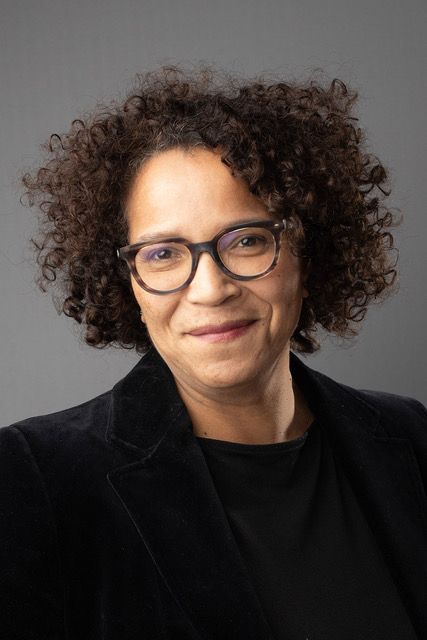
Deborah Smith is a curator and consultant working in arts and heritage. Her work explores strategies for collaboration and the presentation of interdisciplinary practices. She was formerly Director of the Arts Council Collection, the most widely circulated national collection of modern and contemporary British art, Interim Head of Programmes at the Serpentine Galleries, and Associate Curator at Arup. She currently serves as a judge for the Museum + Heritage Awards, a Shadow Advisory Member of The Box, Plymouth, on the University of Warwick Art Collection Committee, UK Parliament Collections Advisory Group and a member of the HS2 Independent Design Panel.
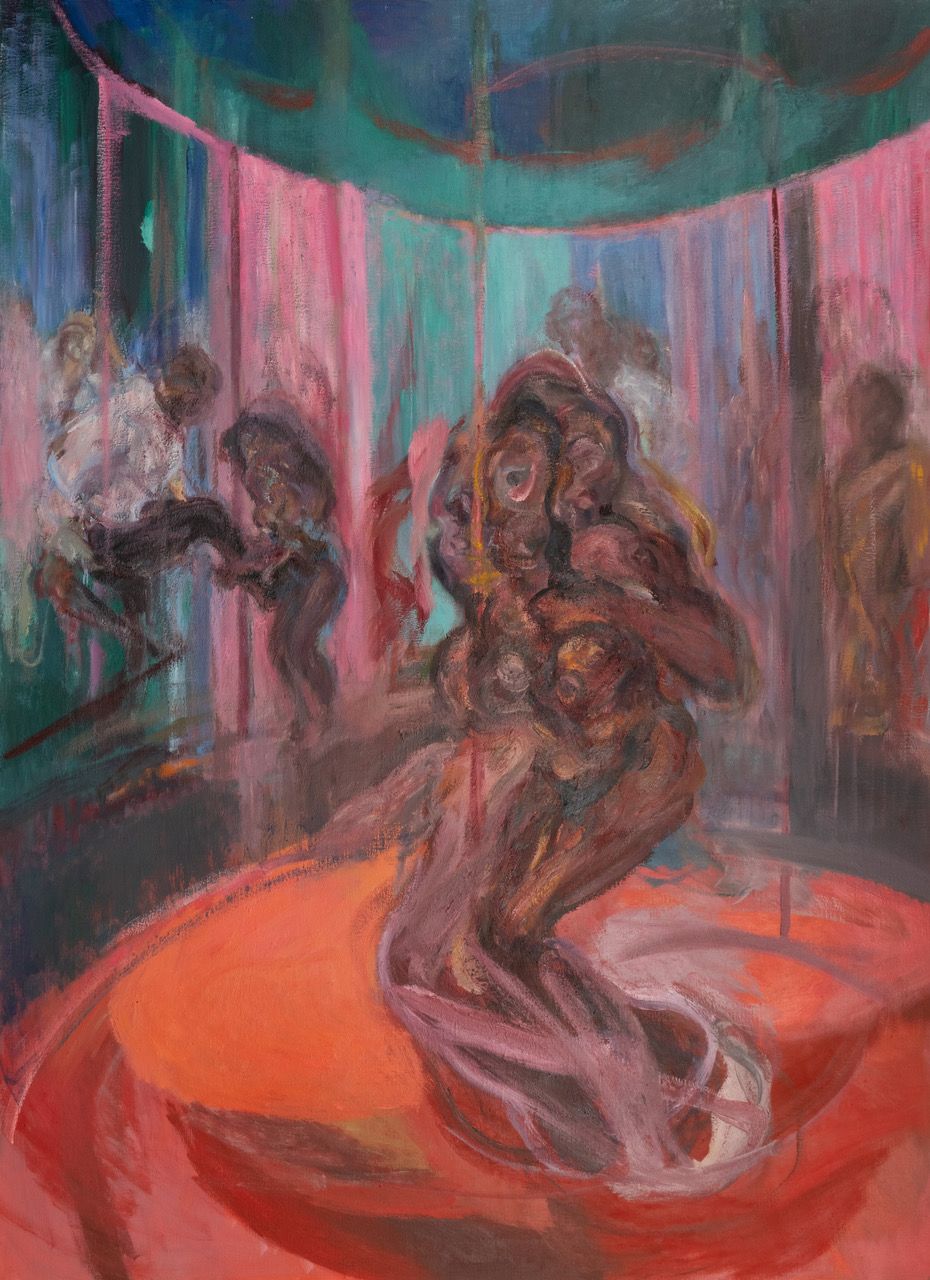
Above J Chuhan, ‘Revolving Door’ 2022 oil on canvas 205 x 150 cm
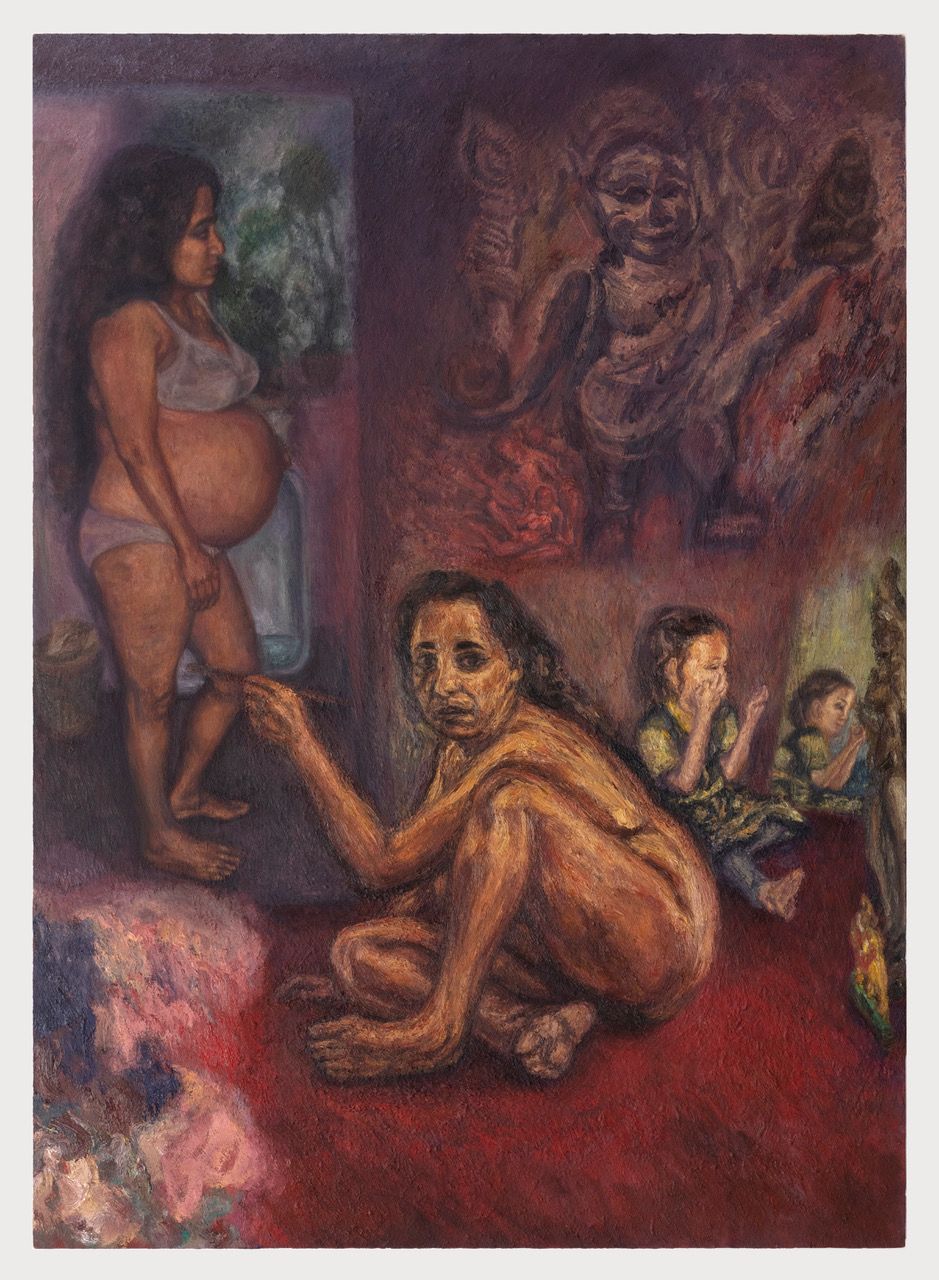
Above J Chuhan, ‘Self Portrait’ 1995 oil on canvas 210 x 150 cm. Arts Council Collection.
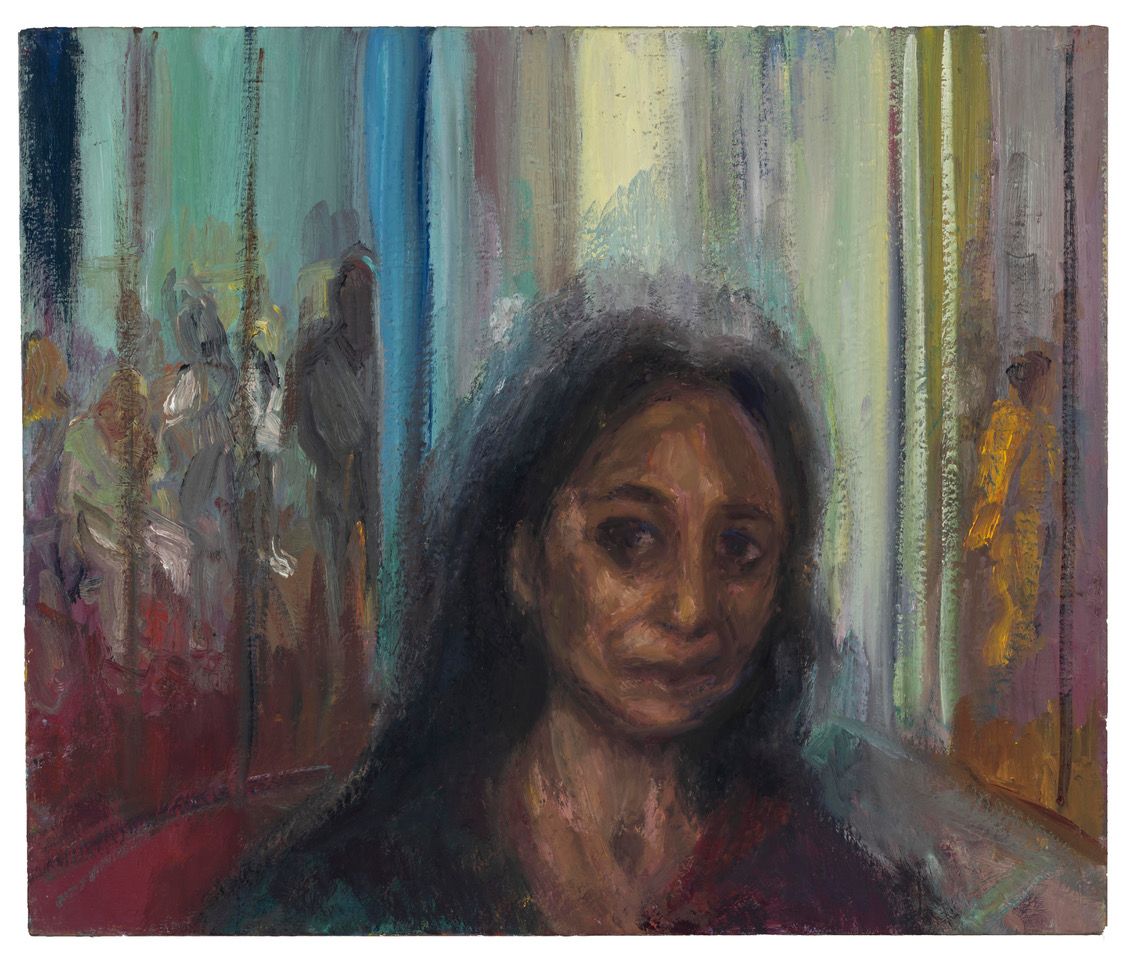
Above J Chuhan, ‘Self-Portrait – Gallery’ 2024 oil on canvas 75 x 90 cm
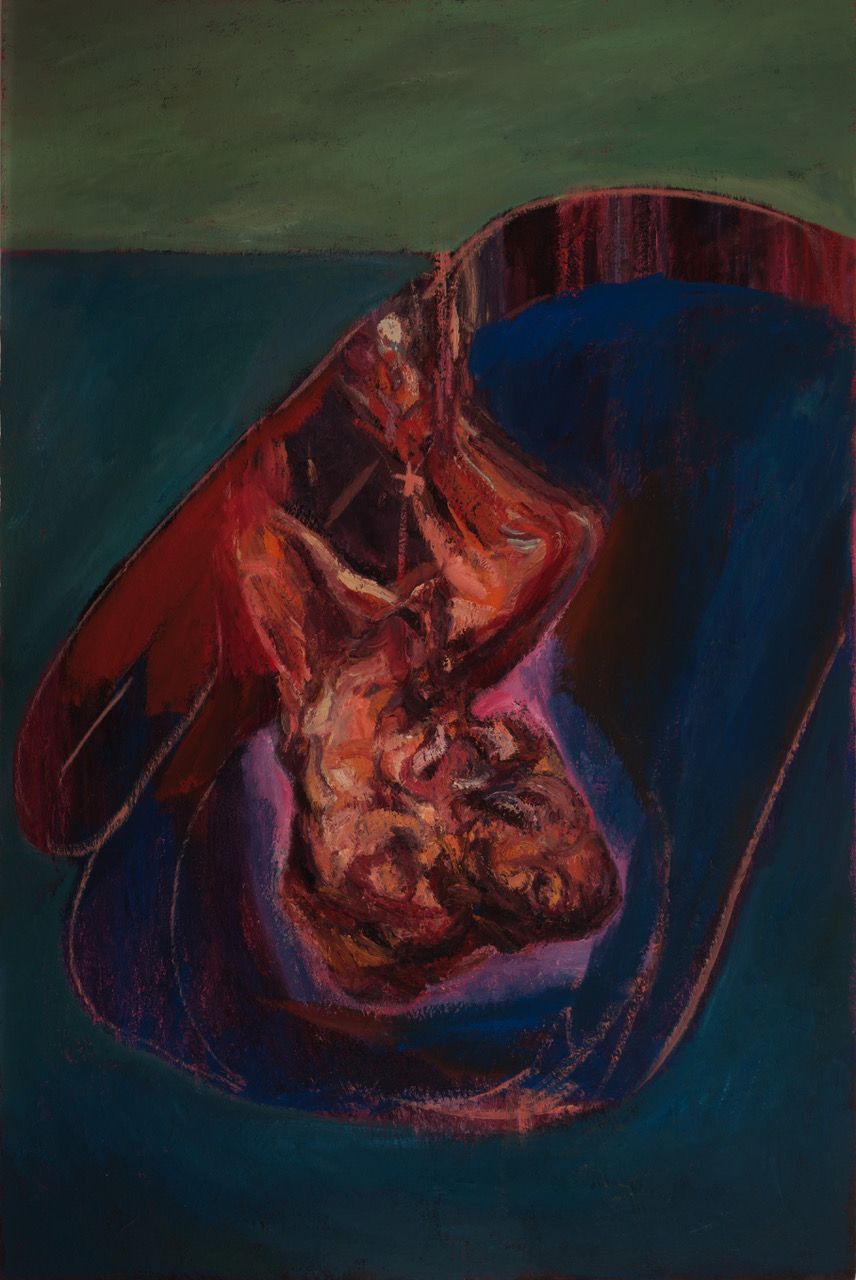
Above Jai Chuhan, ‘Dancer’ 2012 oil on canvas 180 x 120 cm
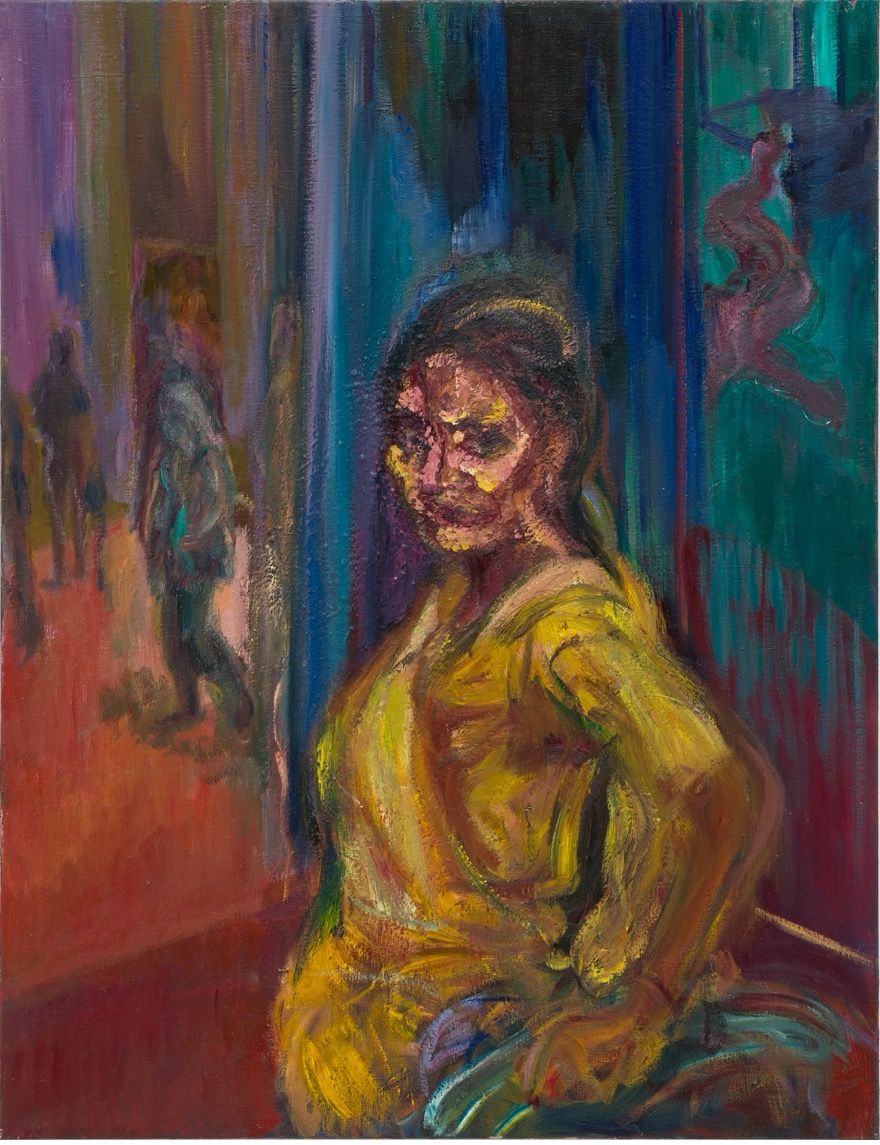
Above Jai Chuhan, ‘Gallery’ oil on canvas 2024 oil on canvas 130 x 100 cm
Above Jai Chuhan, ‘Madonna’ 2022 oil on canvas 205 x 150 cm
Above J Chuhan, ‘Revolving Door’ 2022 oil on canvas 205 x 150 cm
Above J Chuhan, ‘Self Portrait’ 1995 oil on canvas 210 x 150 cm. Arts Council Collection.
Above J Chuhan, ‘Self-Portrait – Gallery’ 2024 oil on canvas 75 x 90 cm
Above Jai Chuhan, ‘Dancer’ 2012 oil on canvas 180 x 120 cm
Above Jai Chuhan, ‘Gallery’ oil on canvas 2024 oil on canvas 130 x 100 cm
Above Jai Chuhan, ‘Madonna’ 2022 oil on canvas 205 x 150 cm