Spotlight
Spotlight Onya McCausland
Championed by Freeny Yianni
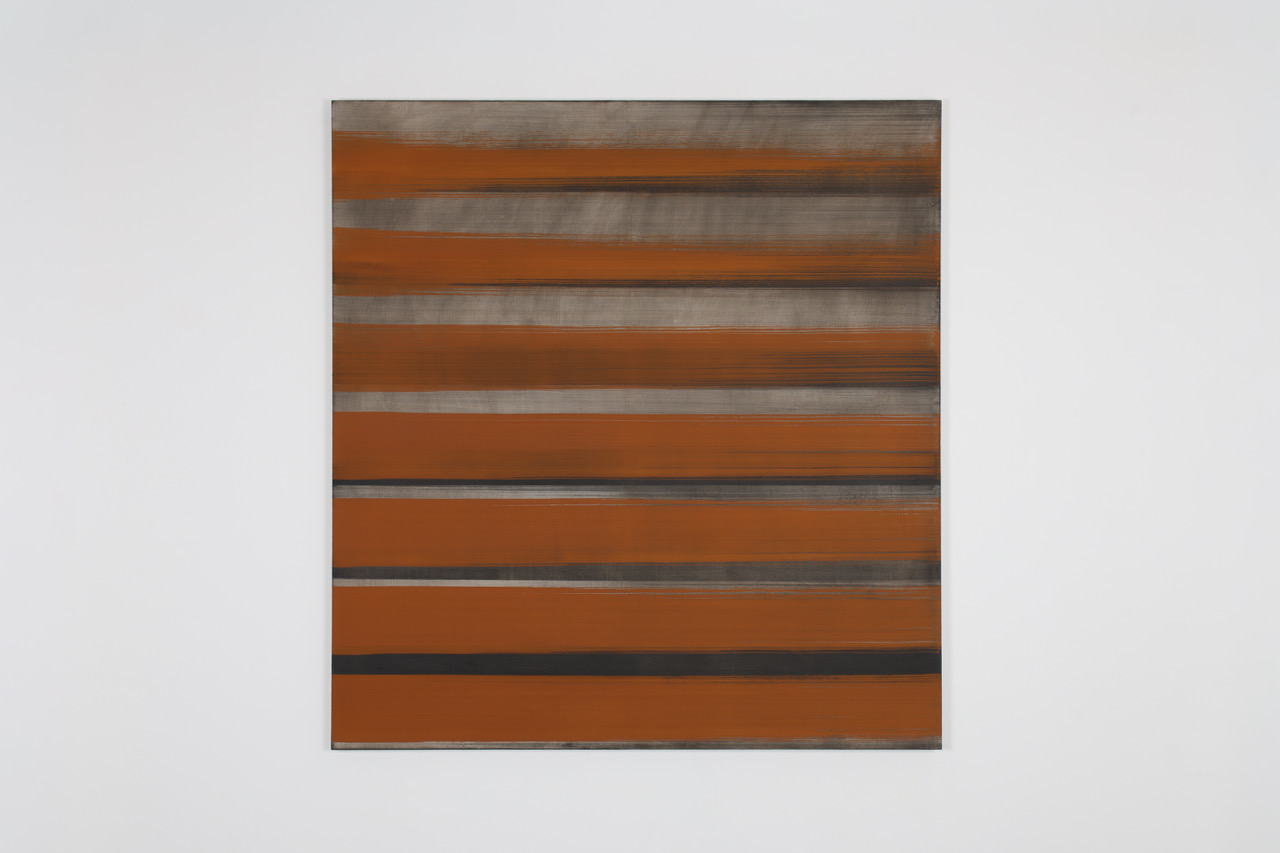
Above Onya McCausland, 51° 46 10.01 N 3° 59 05.93 W, 2026
ONES TO
WATCH
WATCH
ONES TO
WATCH
WATCH
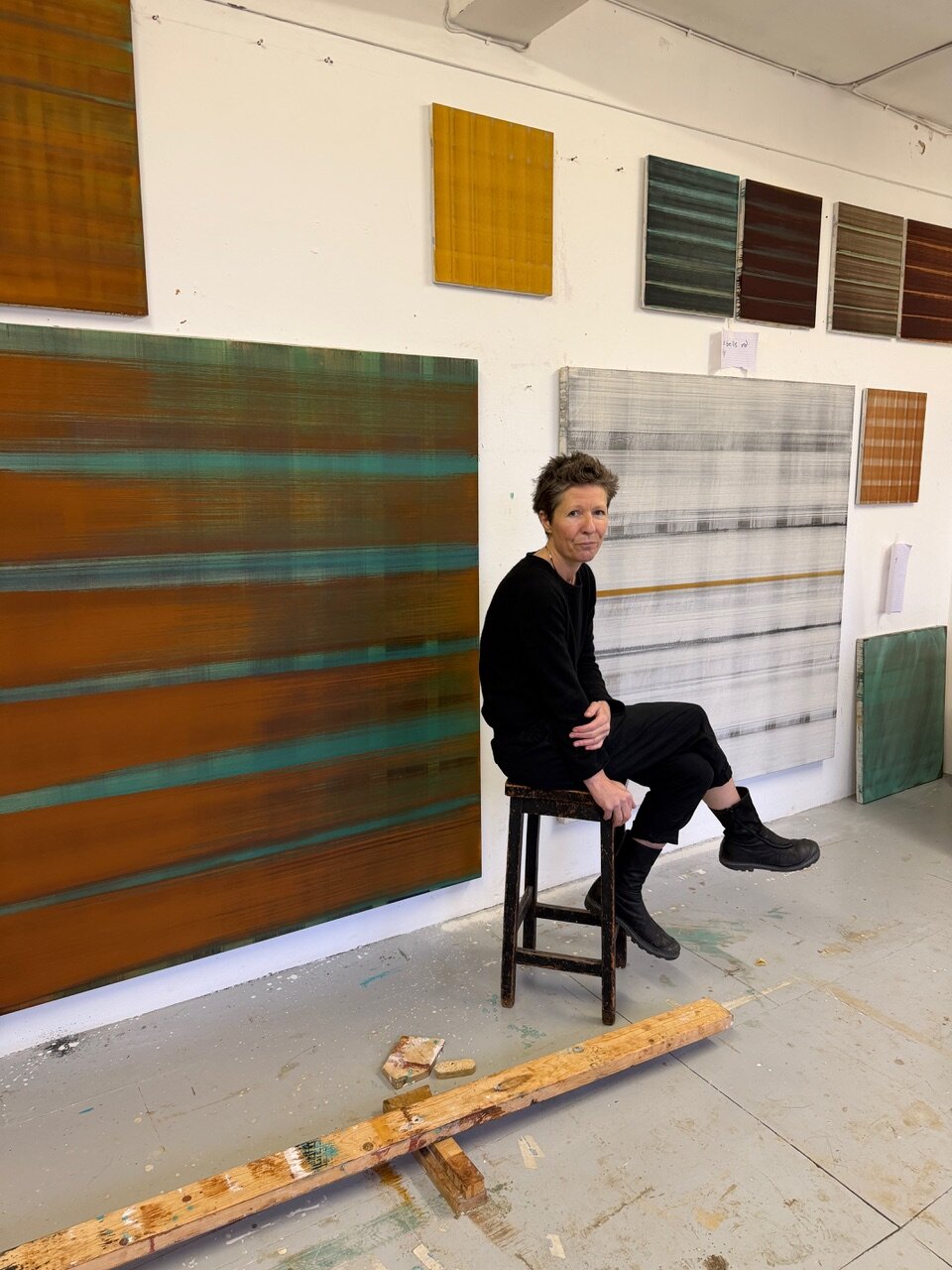
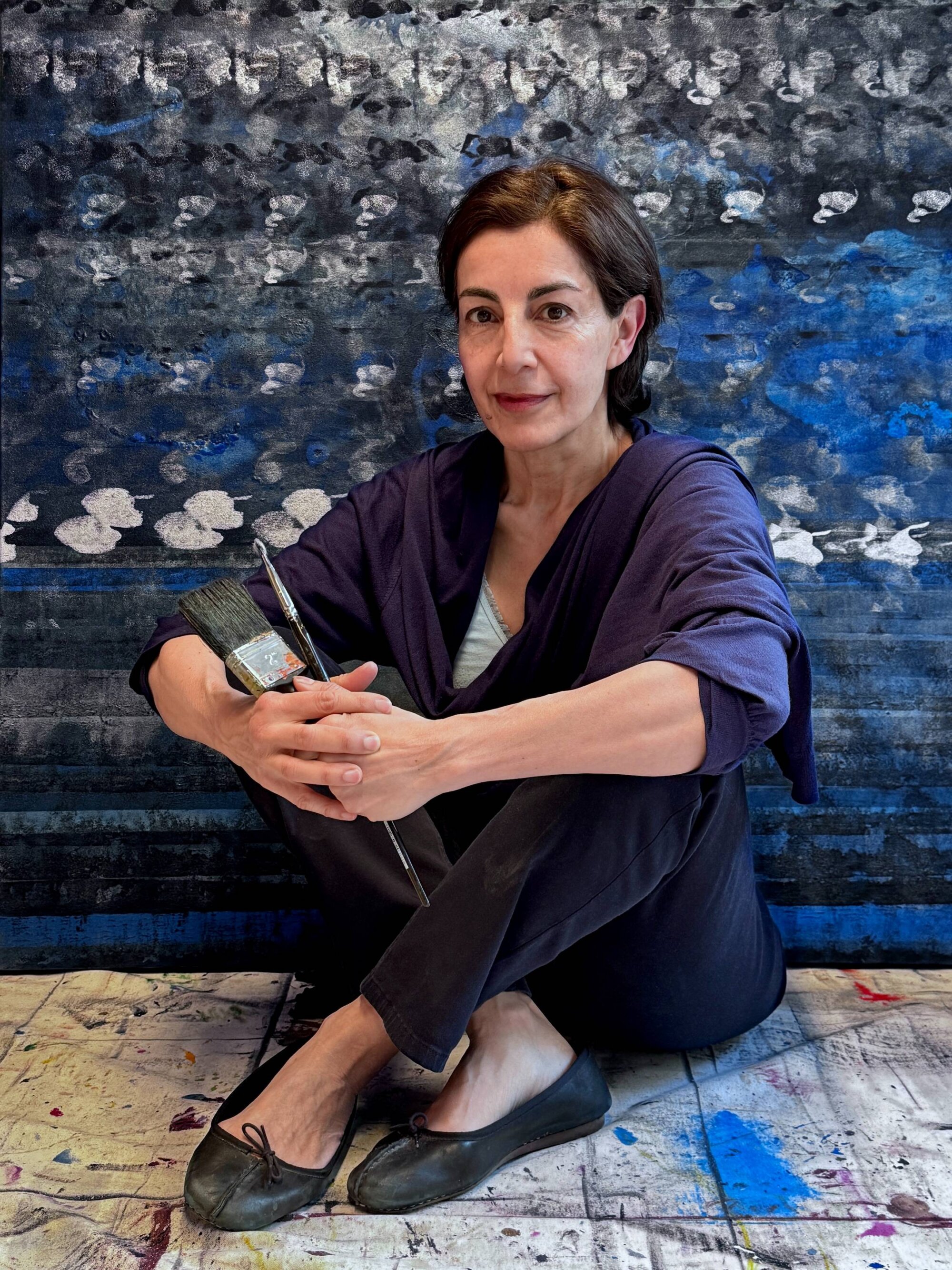
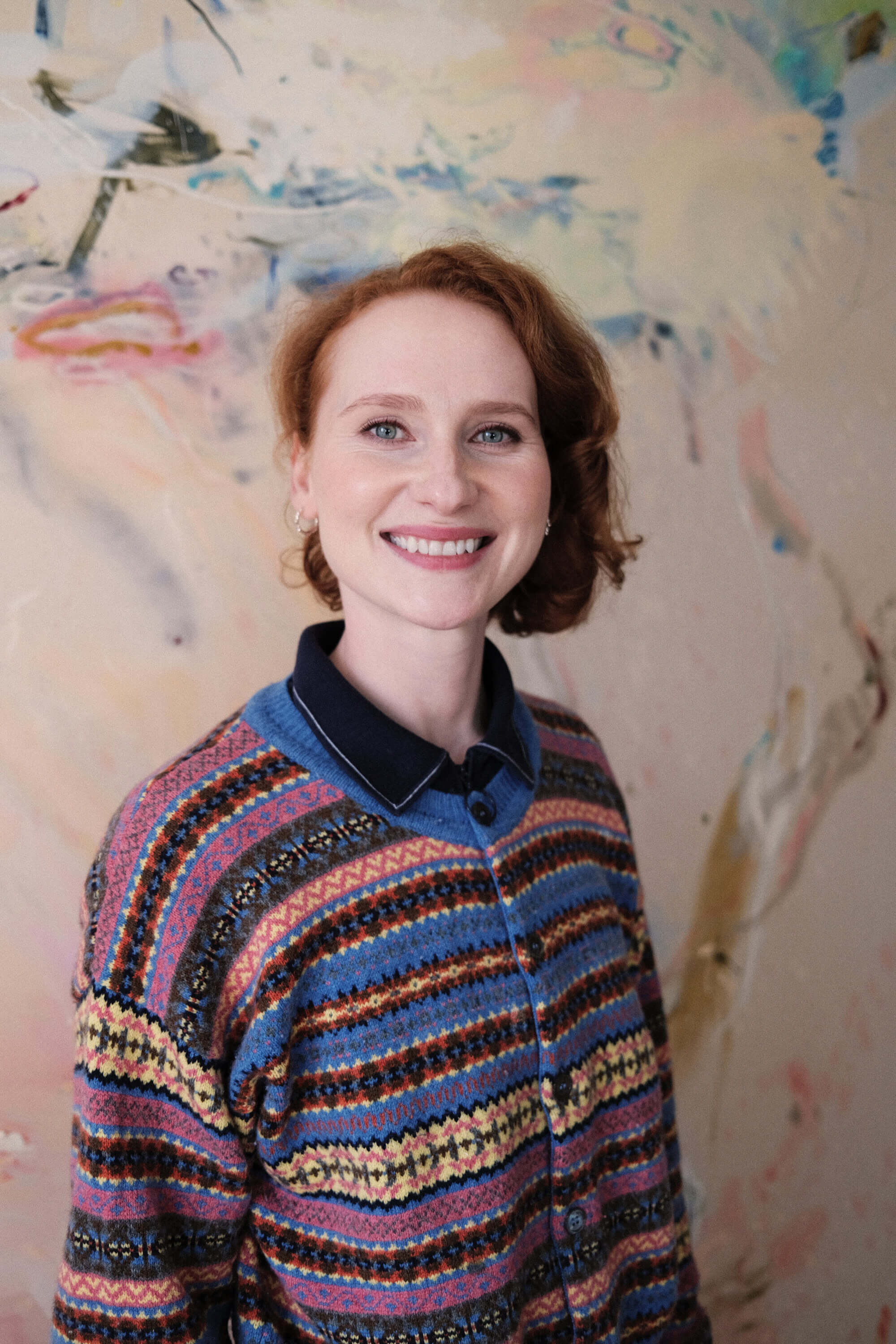
Above Onya McCausland in her studio. Courtesy of the artist
Interview
Onya McCausland
Interview
Onya McCausland
On Earth Day, the most arresting landscape paintings may be the ones that never picture the landscape at all. Born in Zennor, Cornwall, Onya McCausland works with ochre, carbon, copper, chalk and mineral-rich residue gathered from sites such as a former mine in the south west of England, making paintings in which land is not backdrop but substance and history. As her champion, curator and CLOSE Gallery founder Freeny Yianni tells The Wick, McCausland’s work “sits in that rare space where material, meaning and place become indivisible”.
McCausland collects tangible elements from the ground and uses coloured earth to reflect on the contemporary landscape, paying close attention to particular places and the histories carried in their surface. In her hands, some of painting’s oldest materials become a way of thinking through land use, labour, industry and what remains hidden from view. Rather than representing landscape in a traditional figurative sense, she is interested in building an idea of it internally through material, process and accumulation.
That thinking runs through 51° 46 10.01 N 3° 59 05.93 W (Tan-y-Garn), a 2026 painting made using ochre collected from a former mine in the Welsh Valleys. Once famous for coal mining, the region still bears the marks of this history, from environmental damage to the wider afterlife of extraction. McCausland uses pollution as a tangible sign of a changing landscape, bringing mine water pigment and iron powder into the work as medium and record. Her paintings follow the same logic as the land itself: layers accumulate, sediments erode, something new appears and something older is buried, though never erased. Yianni points to this commitment to origin as what distinguishes the practice. “Many artists speak of landscape; Onya works with it,” she says.
That thinking runs through 51° 46 10.01 N 3° 59 05.93 W (Tan-y-Garn), a 2026 painting made using ochre collected from a former mine in the Welsh Valleys. Once famous for coal mining, the region still bears the marks of this history, from environmental damage to the wider afterlife of extraction. McCausland uses pollution as a tangible sign of a changing landscape, bringing mine water pigment and iron powder into the work as medium and record. Her paintings follow the same logic as the land itself: layers accumulate, sediments erode, something new appears and something older is buried, though never erased. Yianni points to this commitment to origin as what distinguishes the practice. “Many artists speak of landscape; Onya works with it,” she says.
“Many artists speak of landscape; Onya works with it.”
It is this union of material, meaning and place that first drew Yianni to champion McCausland’s practice. The artist’s pigments are taken directly from iron-rich earths and sites marked by history, so that the ground enters the painting as both source and substance. Yianni is drawn not only to the work itself, but to the way it is made: “slowly, attentively and with deep respect for the land from which it comes”. What emerges is work of genuine depth and purpose, where beauty is never detached from history, and where the surface carries the trace of labour, extraction, care and community.
That balance between the poetic and the purposeful extends far beyond the studio. McCausland is about to open Tailings, a large-scale solo exhibition with Yianni at CLOSE Gallery in Somerset, while also working on a book project with Finnish writer and curator Mika Hannula, due for publication later this year. A forthcoming collaboration with chemical engineers at Witwatersrand University will focus on waste materials at a former gold mine near Johannesburg. Alongside this work, she leads Seeds of Feral Thought at the Slade School of Fine Art, a research group exploring alternative and experimental approaches to ecology and sustainability at the intersection of social, racial and environmental justice through artwork, writing, performance and film.
Asked about her biggest achievement to date, McCausland points to completing a doctorate, something she describes as entirely beyond the expectations of her younger self. It is a telling answer for an artist whose practice is built on inquiry and rigour. On Earth Day, her work offers a powerful reminder that landscape is never neutral: it holds the traces of what has been taken from it, what has been left behind, and what painting can still bring to the surface.
That balance between the poetic and the purposeful extends far beyond the studio. McCausland is about to open Tailings, a large-scale solo exhibition with Yianni at CLOSE Gallery in Somerset, while also working on a book project with Finnish writer and curator Mika Hannula, due for publication later this year. A forthcoming collaboration with chemical engineers at Witwatersrand University will focus on waste materials at a former gold mine near Johannesburg. Alongside this work, she leads Seeds of Feral Thought at the Slade School of Fine Art, a research group exploring alternative and experimental approaches to ecology and sustainability at the intersection of social, racial and environmental justice through artwork, writing, performance and film.
Asked about her biggest achievement to date, McCausland points to completing a doctorate, something she describes as entirely beyond the expectations of her younger self. It is a telling answer for an artist whose practice is built on inquiry and rigour. On Earth Day, her work offers a powerful reminder that landscape is never neutral: it holds the traces of what has been taken from it, what has been left behind, and what painting can still bring to the surface.
Above Onya McCausland, 51° 46 10.01 N 3° 59 05.93 W, 2026
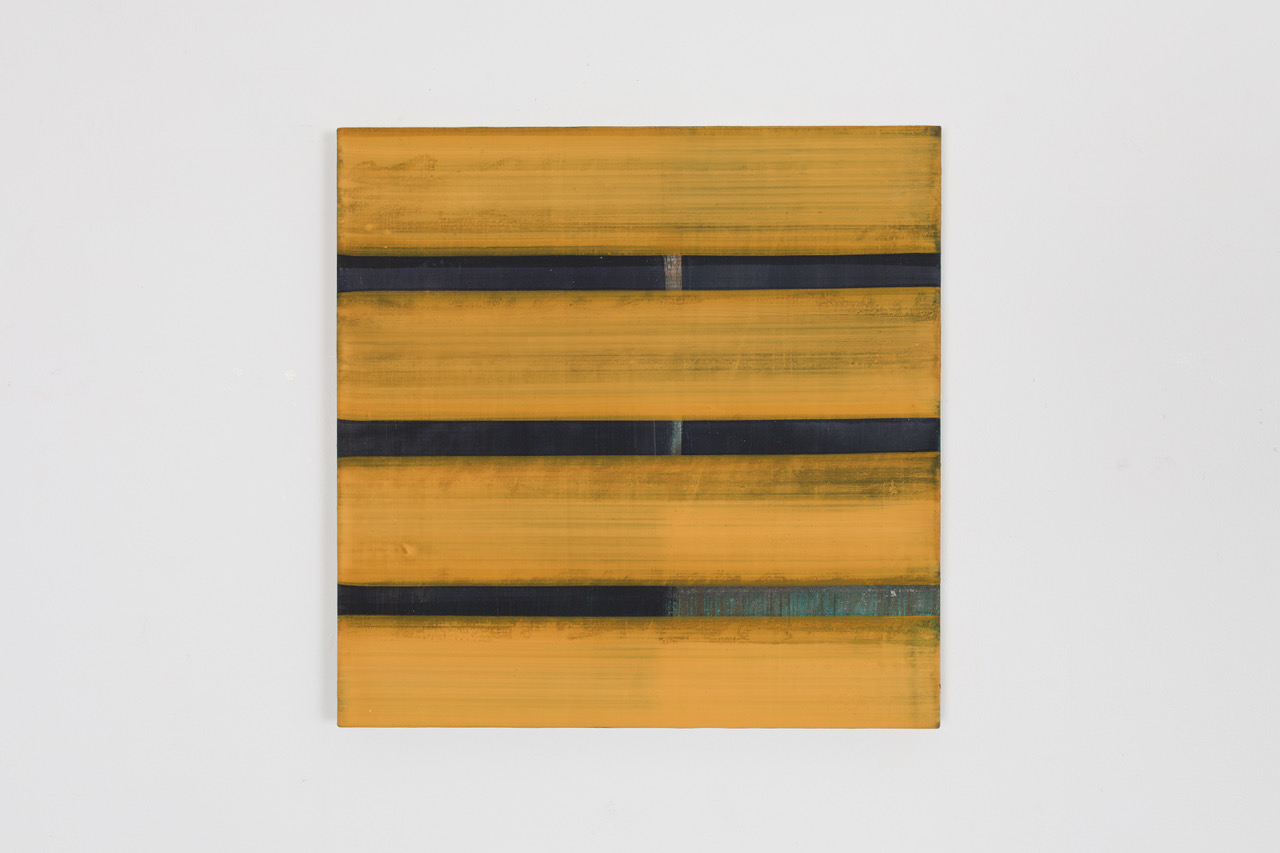
Above Onya McCausland, 54°34 07.37 N 0°57 42.87, 2025
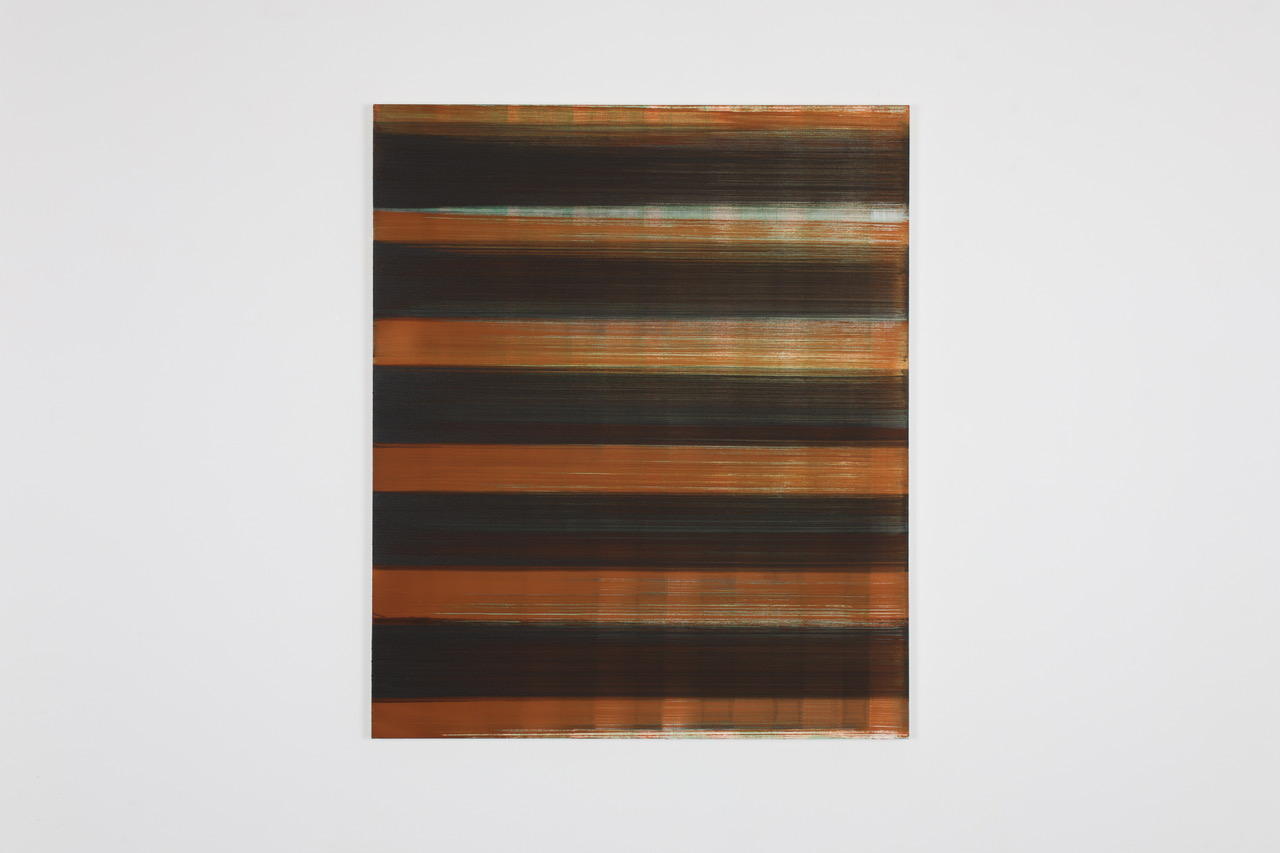
Above Onya McCausland, 51.71218° N, 3.68828° W (Neath), 2026
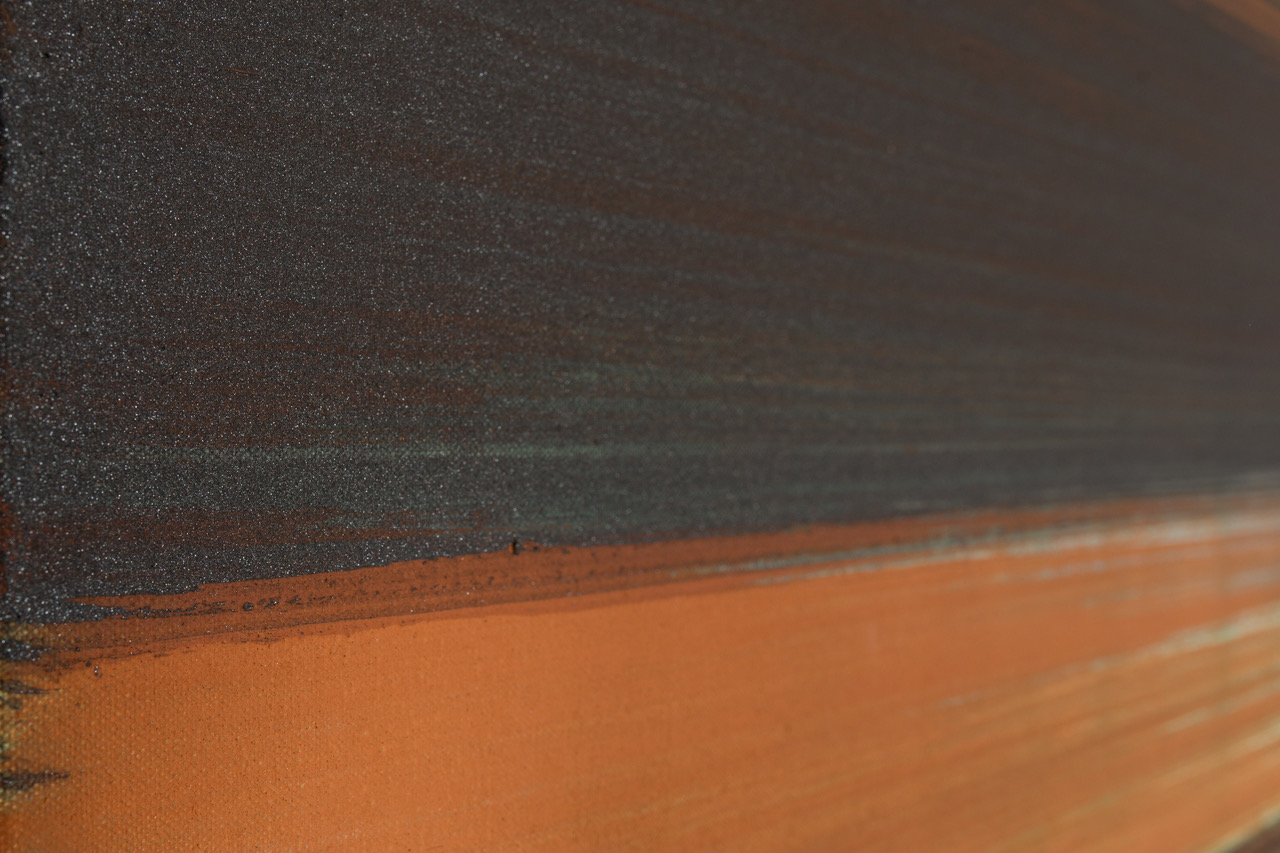
Above Onya McCausland, 51.71218° N, 3.68828° W (Neath), 2026 (detail)
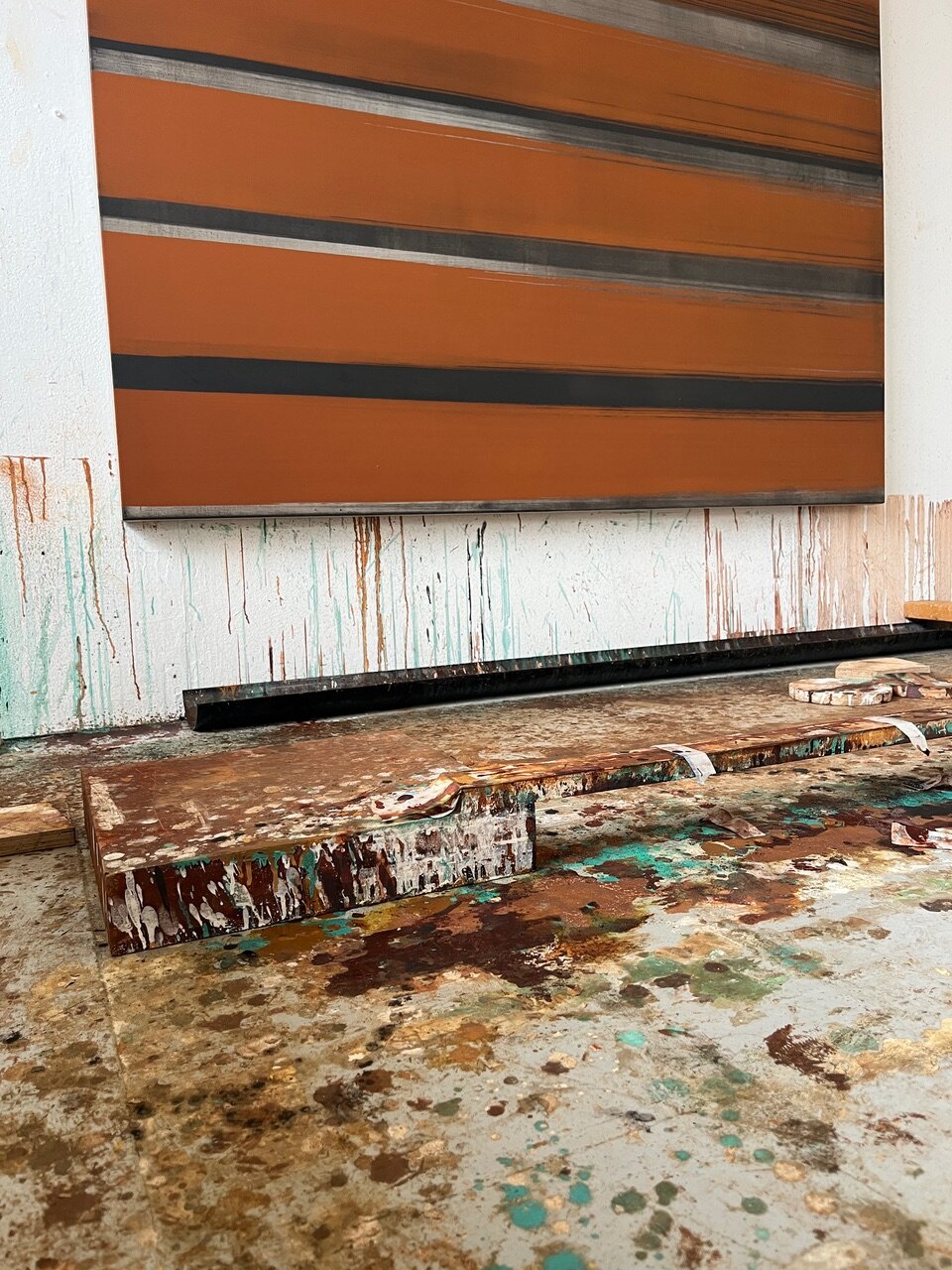
Above Courtesy of the artist
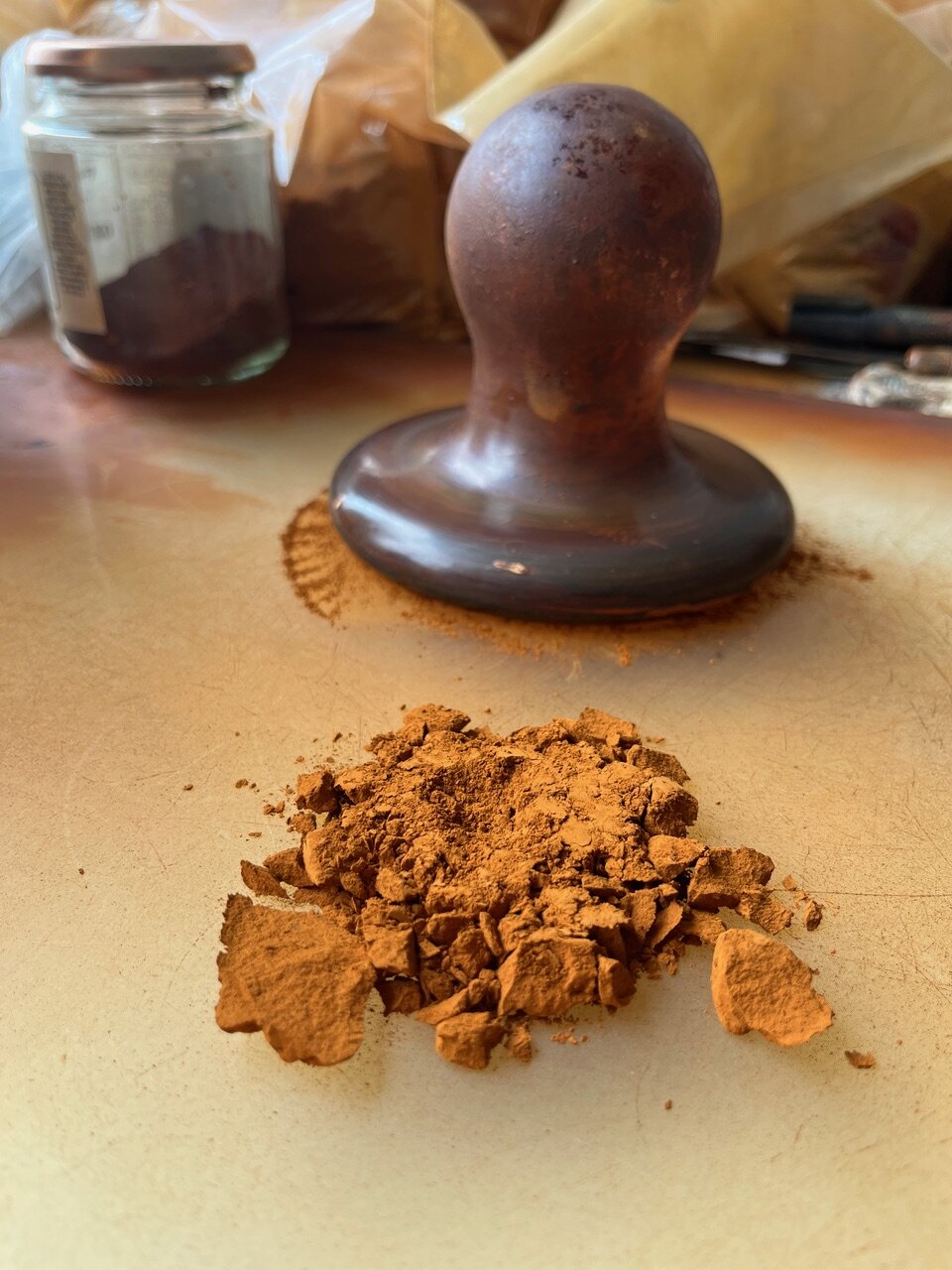
Above Courtesy of the artist
Above Onya McCausland, 51° 46 10.01 N 3° 59 05.93 W, 2026
Above Onya McCausland, 54°34 07.37 N 0°57 42.87, 2025
Above Onya McCausland, 51.71218° N, 3.68828° W (Neath), 2026
Above Onya McCausland, 51.71218° N, 3.68828° W (Neath), 2026 (detail)
Above Courtesy of the artist
Above Courtesy of the artist