The Wick List
Viewing Hawaiʻi: a kingdom crossing oceans
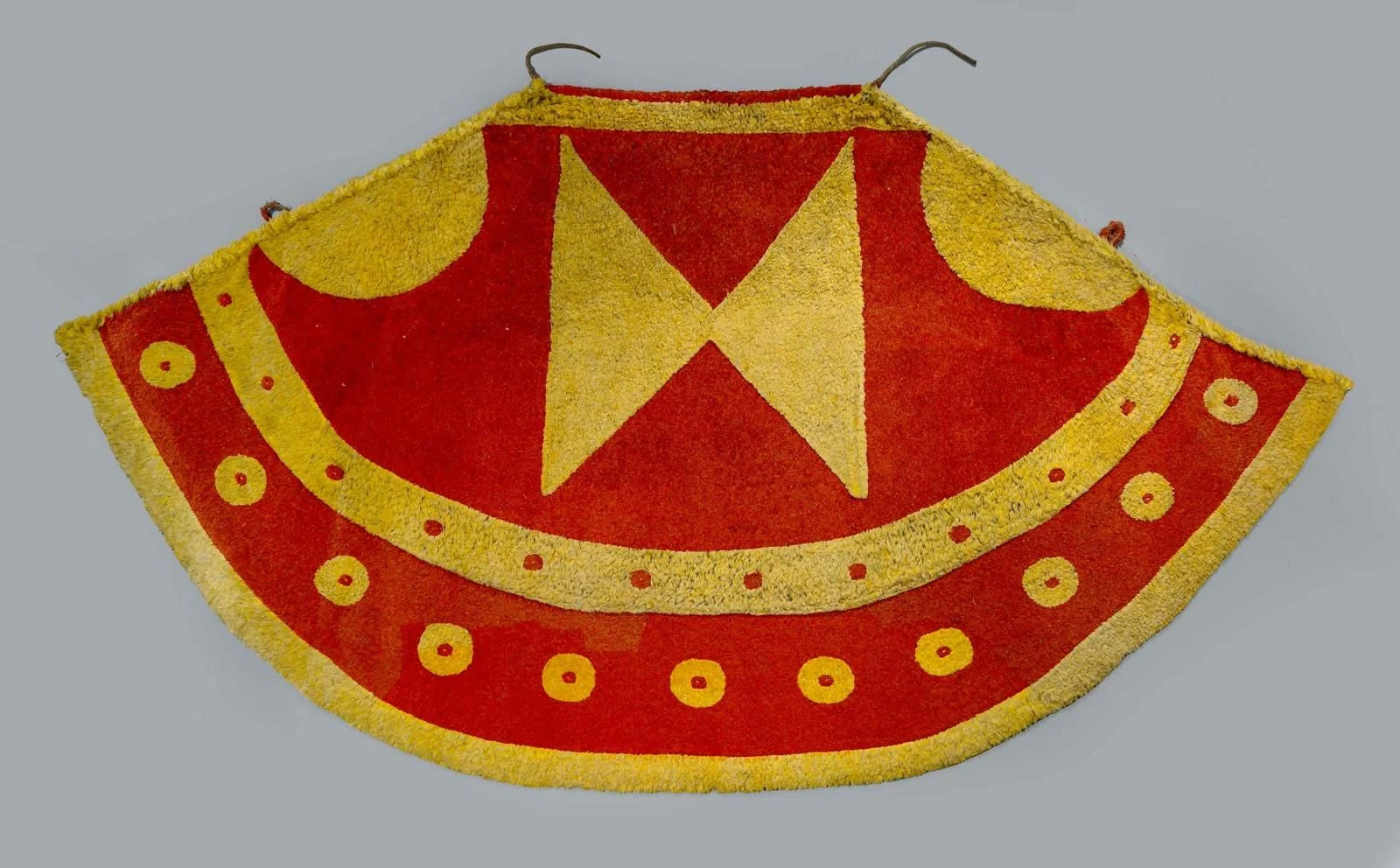
Above ‘Ahu ‘ula (cloak), Hawai’i, likely made before 1778. Credit: British Museum
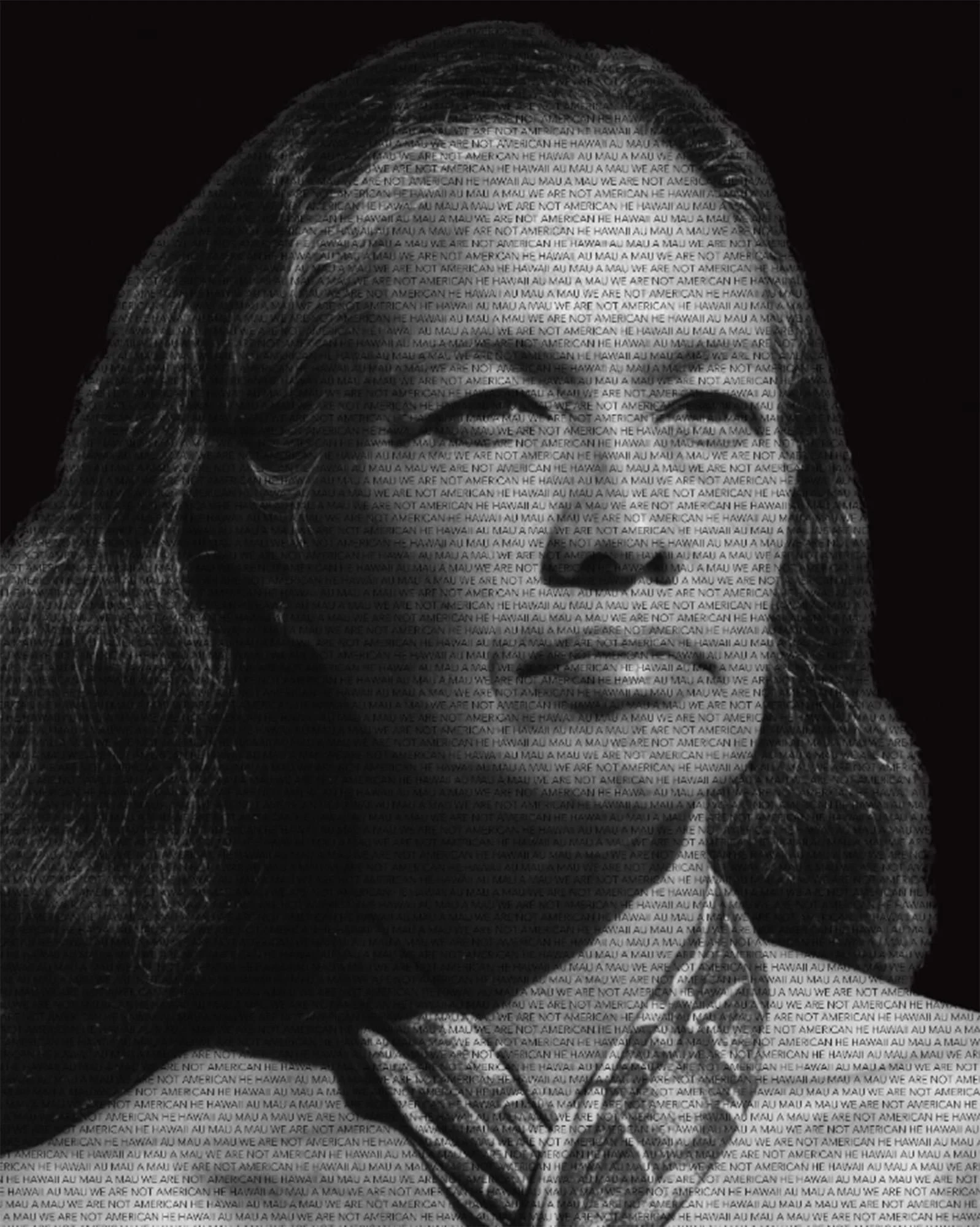
Above Kapulani Landgraf, ”Au’a Haunani-Kay Trask’ (2019). Copyright Kapulani Landgraf 2025
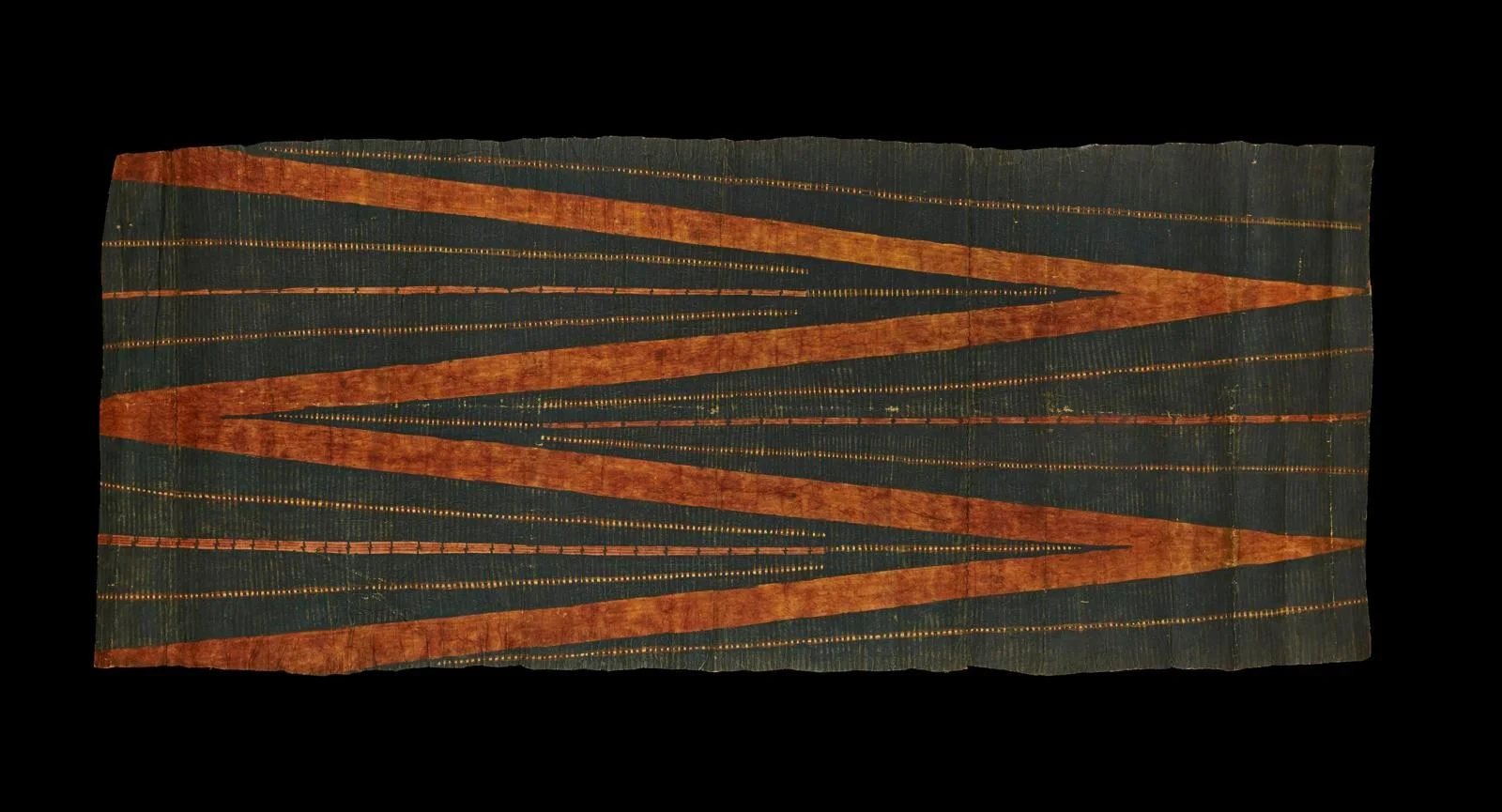
Above Kapa (barkcloth), Hawai’i, possibly late 1700s-early 1800s. Credit: British Museum
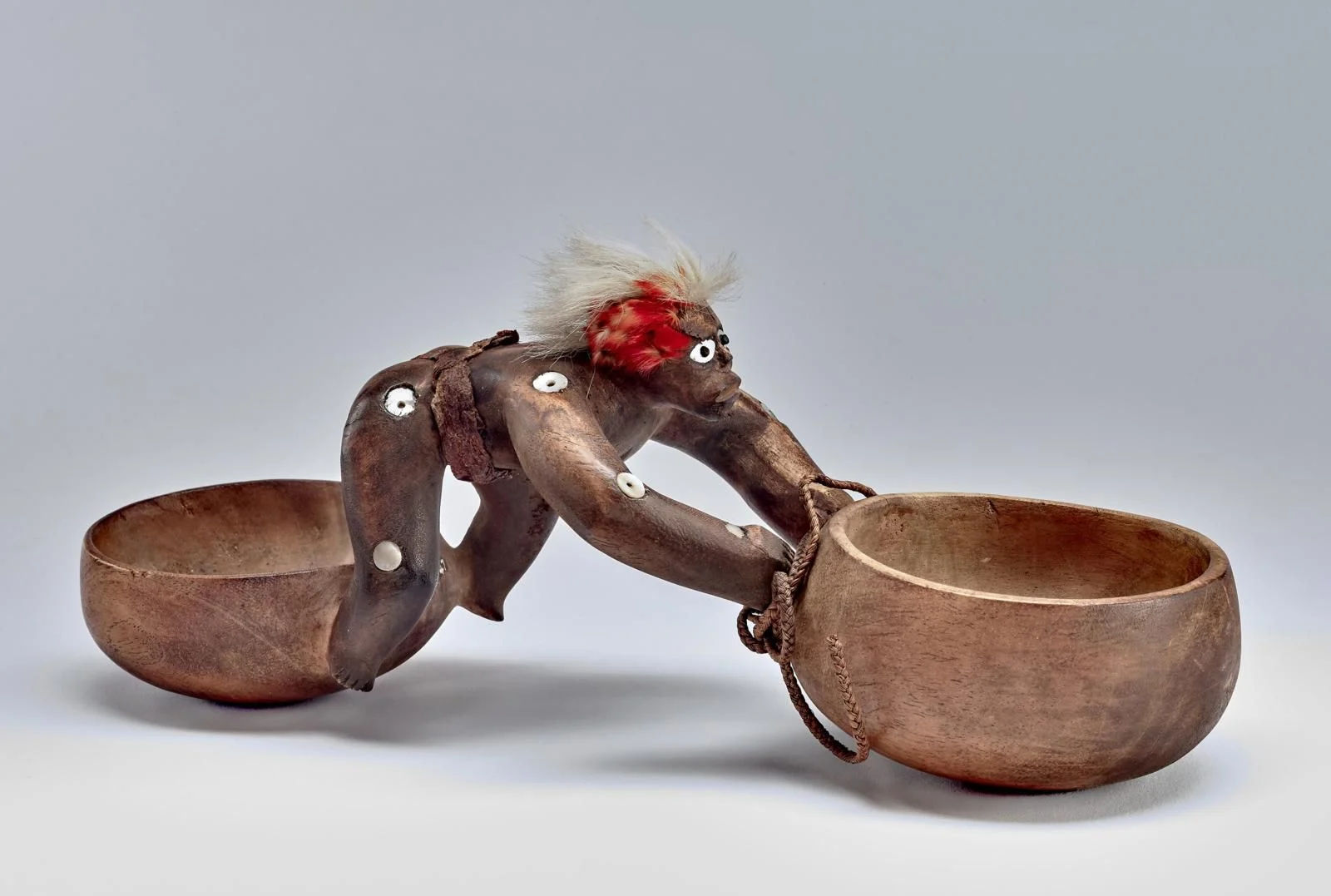
Above ‘Umeke ki’i (bowl with figure), Hawai’i, possibly late 1700s. Credit: British Museum
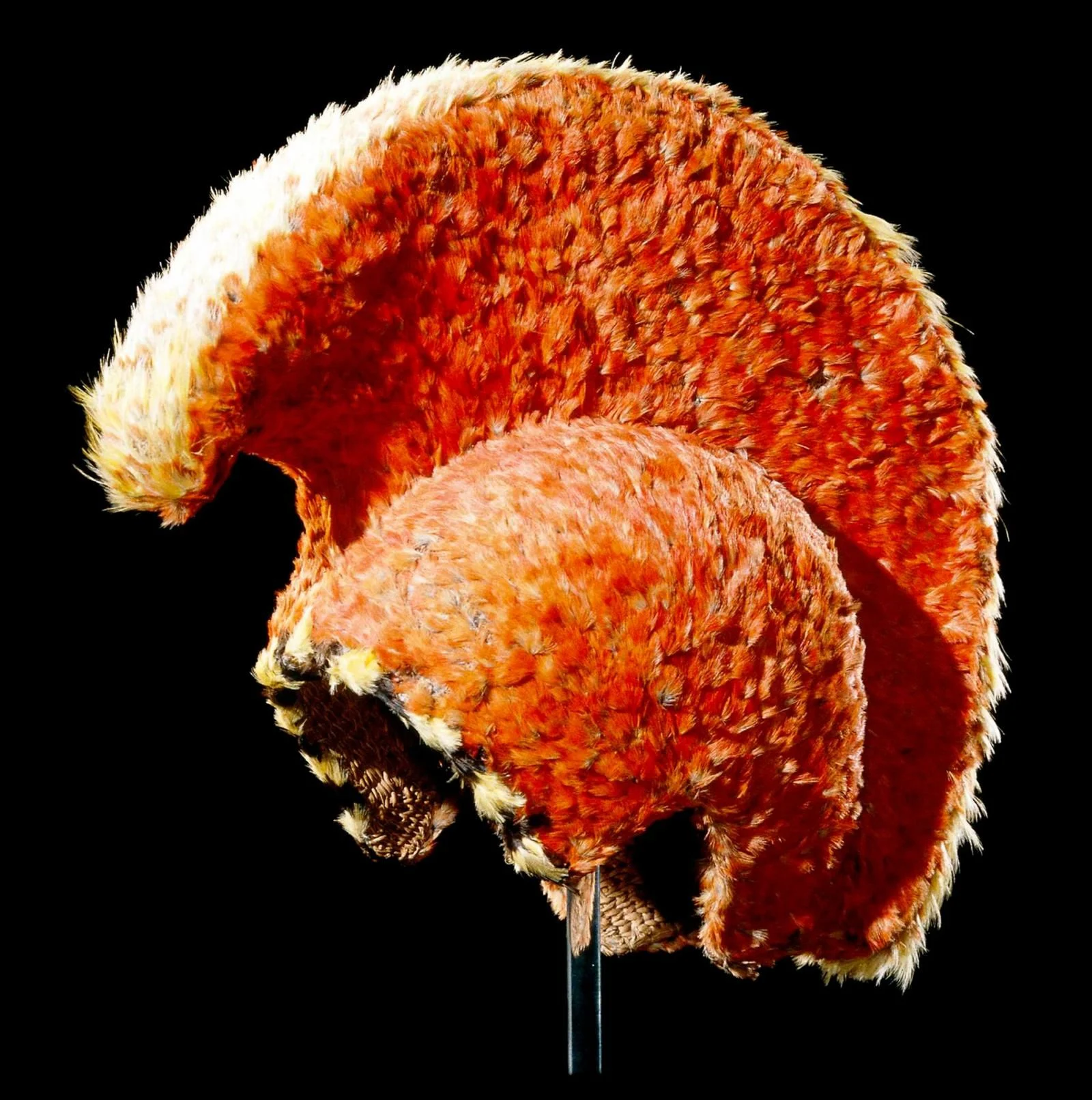
Above Mahiole hulu manu (feathered helmet), Hawai’i, possibly late 1700s. Credit: British Museum
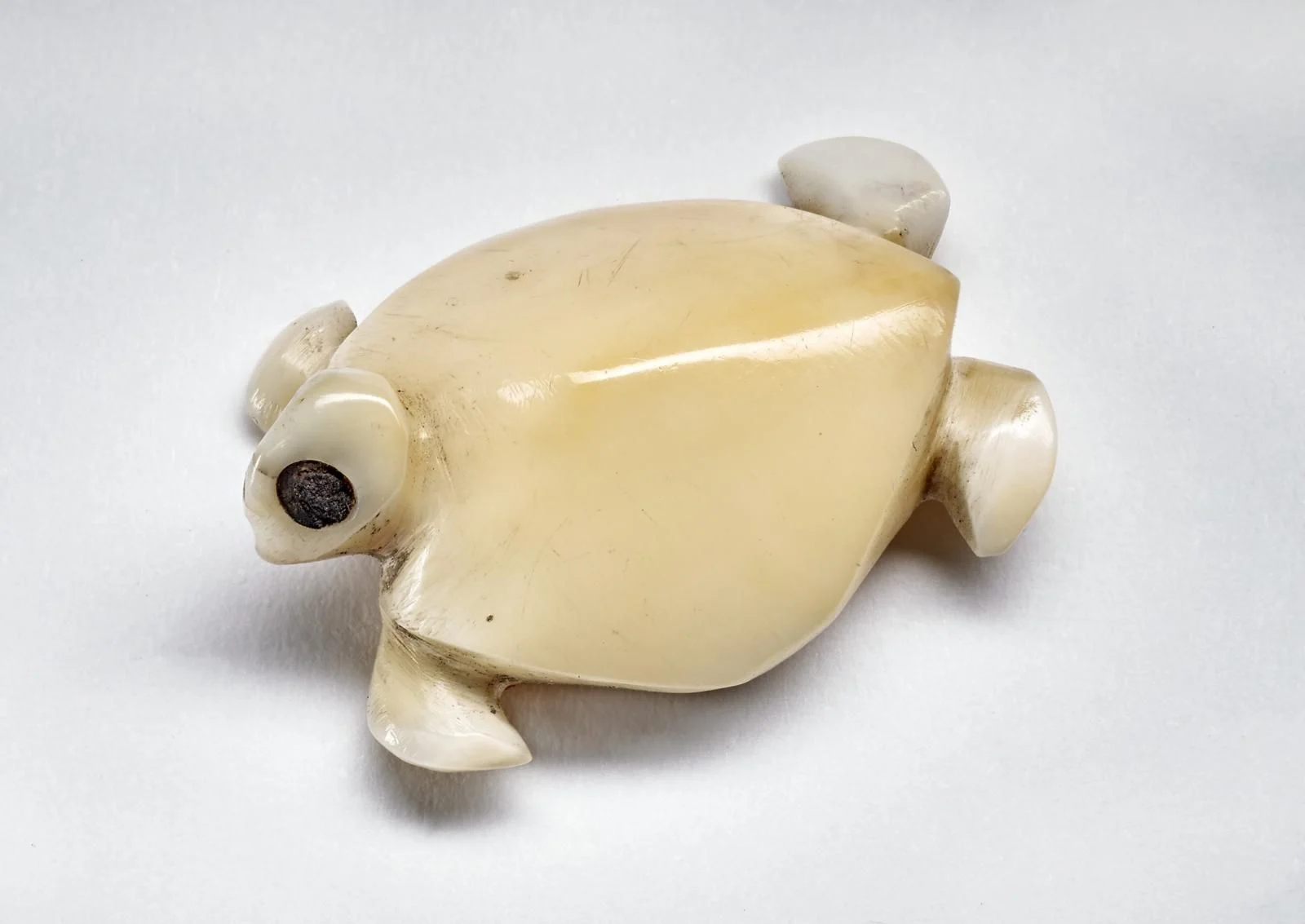
Above Turtle ornament, Hawai’i, possibly late 1700s. Credit: British Museum
Above ‘Ahu ‘ula (cloak), Hawai’i, likely made before 1778. Credit: British Museum
Above Kapulani Landgraf, ”Au’a Haunani-Kay Trask’ (2019). Copyright Kapulani Landgraf 2025
Above Kapa (barkcloth), Hawai’i, possibly late 1700s-early 1800s. Credit: British Museum
Above ‘Umeke ki’i (bowl with figure), Hawai’i, possibly late 1700s. Credit: British Museum
Above Mahiole hulu manu (feathered helmet), Hawai’i, possibly late 1700s. Credit: British Museum
Above Turtle ornament, Hawai’i, possibly late 1700s. Credit: British Museum
The British Museum
Great Russell Street
London
WC1B 3DG
15 January – 25 May 2026