The Wick List
Viewing Ai Weiwei: Button Up!
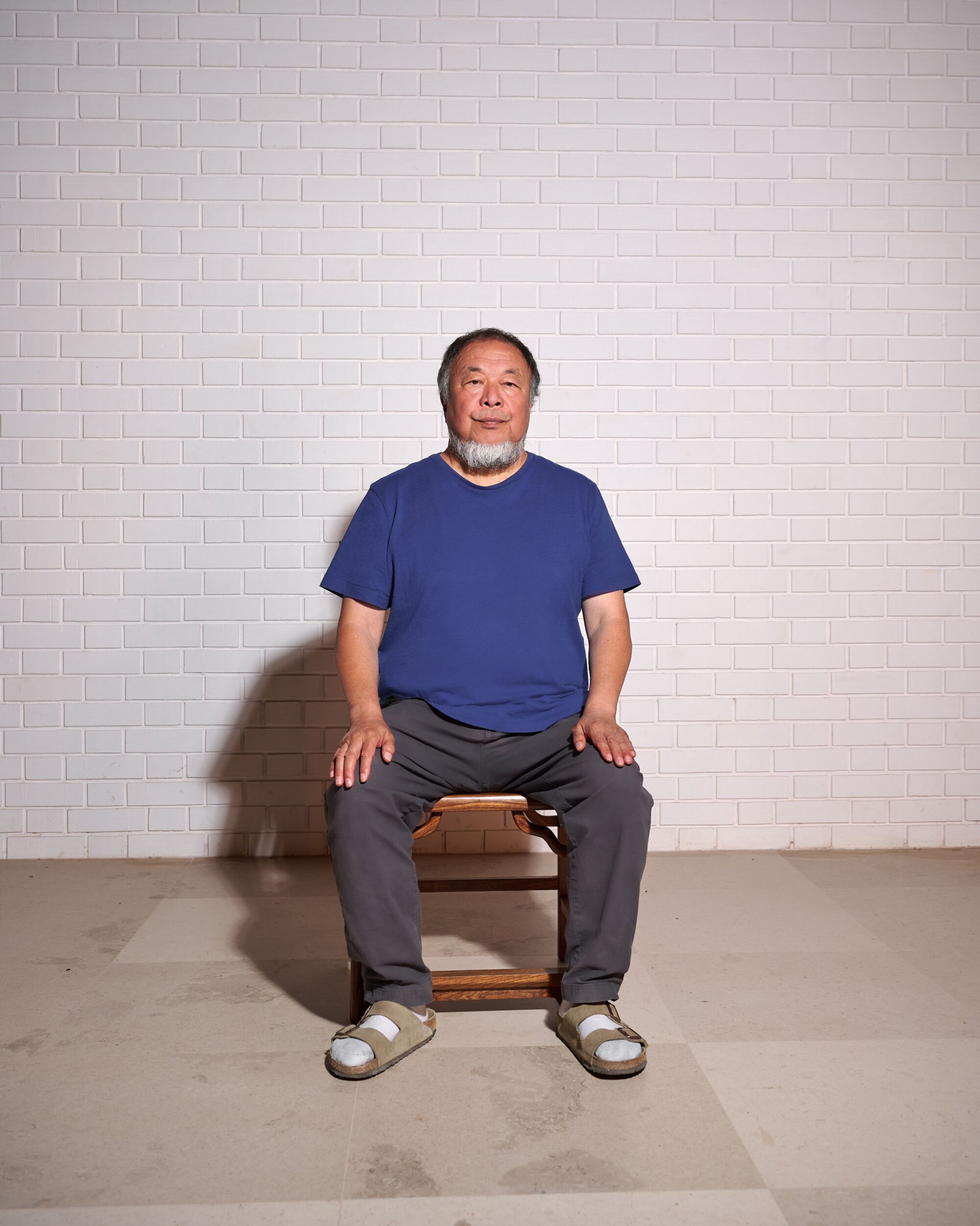
Above Ai Weiwei. Credit Gonçalo F. Santos
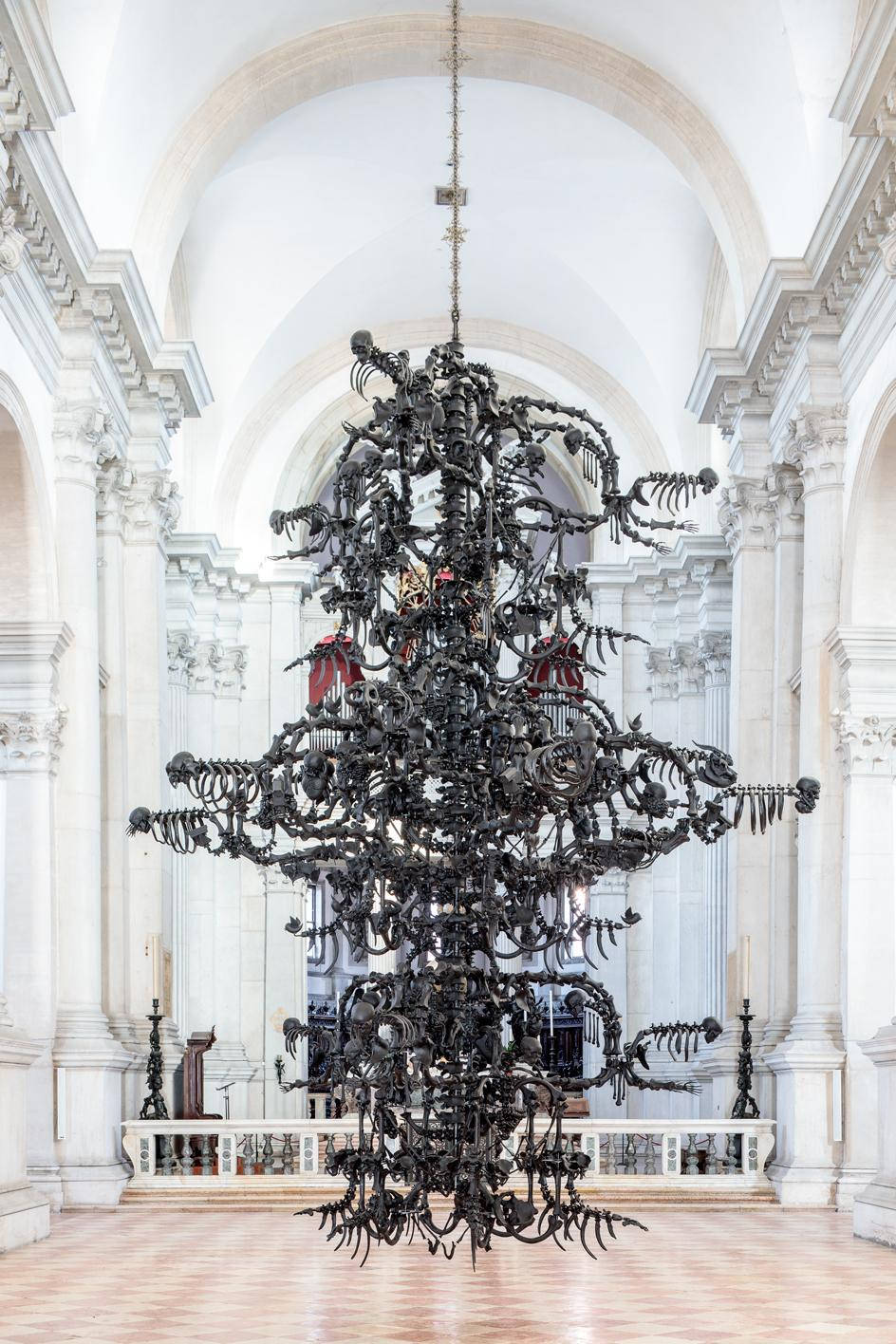
Above Ai Weiwei, La Commedia Umana. Murano glass and metal. Diameter 640cm. Height 840cm. Installation view at Palladian church, 2022. Image courtesy of Ai Weiwei Studio

Above Ai Weiwei, Law of the Journey, 2017. Reinforced PVC. Installation view: National Gallery, Prague, 2017. Image courtesy of Ai Weiwei Studio
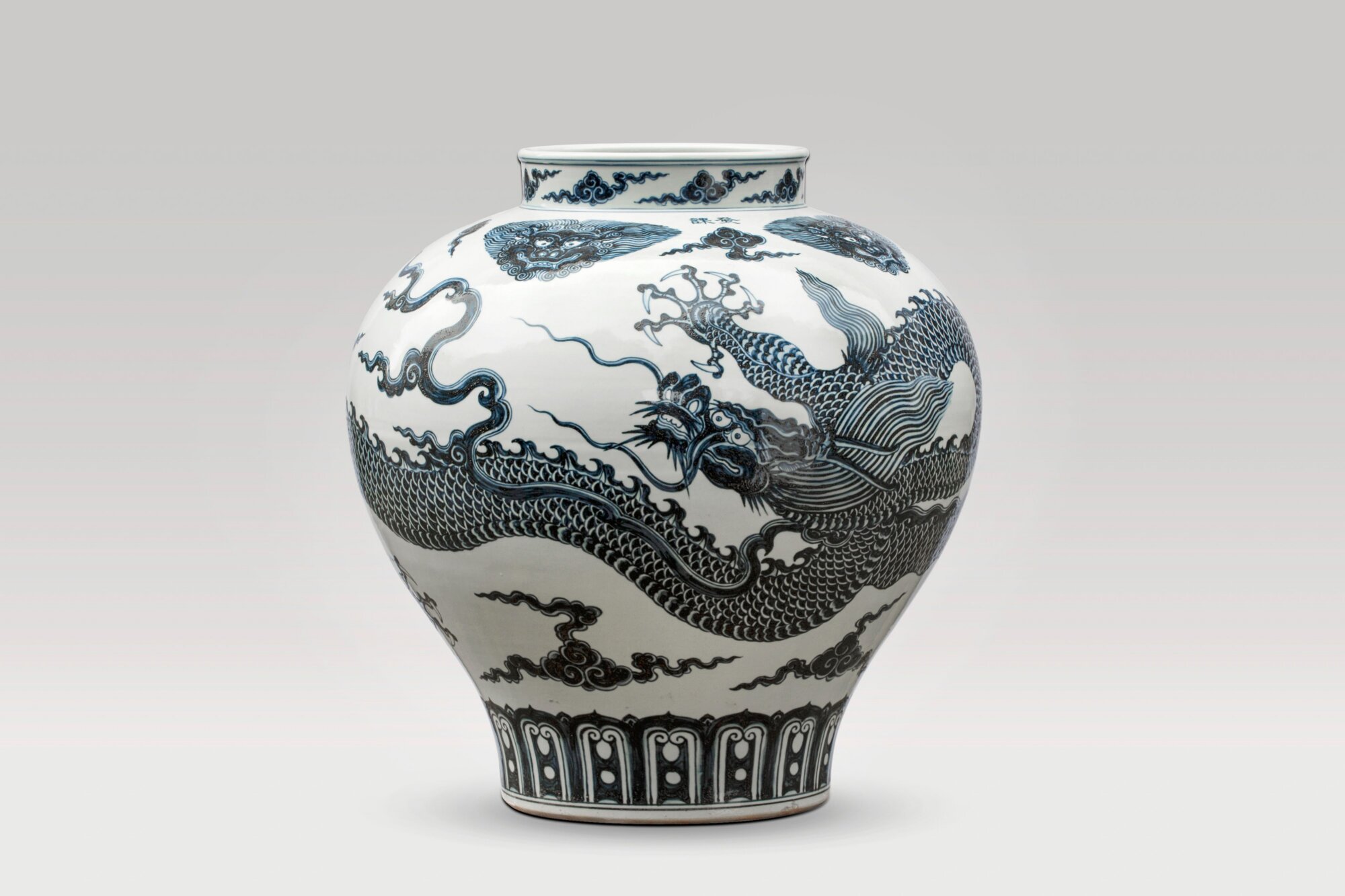
Above Ai Weiwei, Dragon Vase, 2017. Porcelain. 51 x 51 x 50cm. Image courtesy of Ai Weiwei Studio
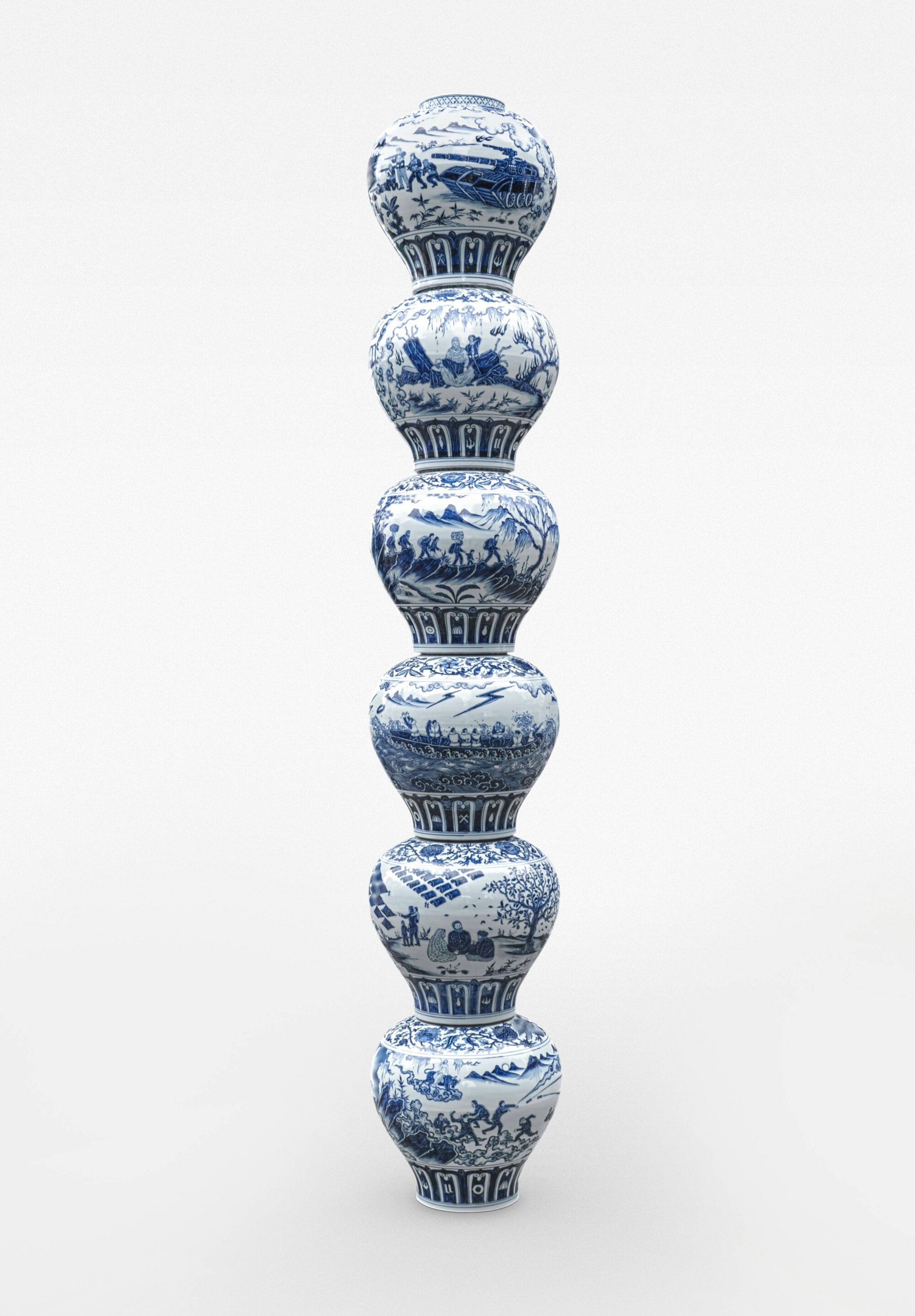
Above Ai Weiwei, Stacked Porcelain Vases as a Pillar, 2017. Porcelain. 52 x 303cm each. Image courtesy of Ai Weiwei Studio
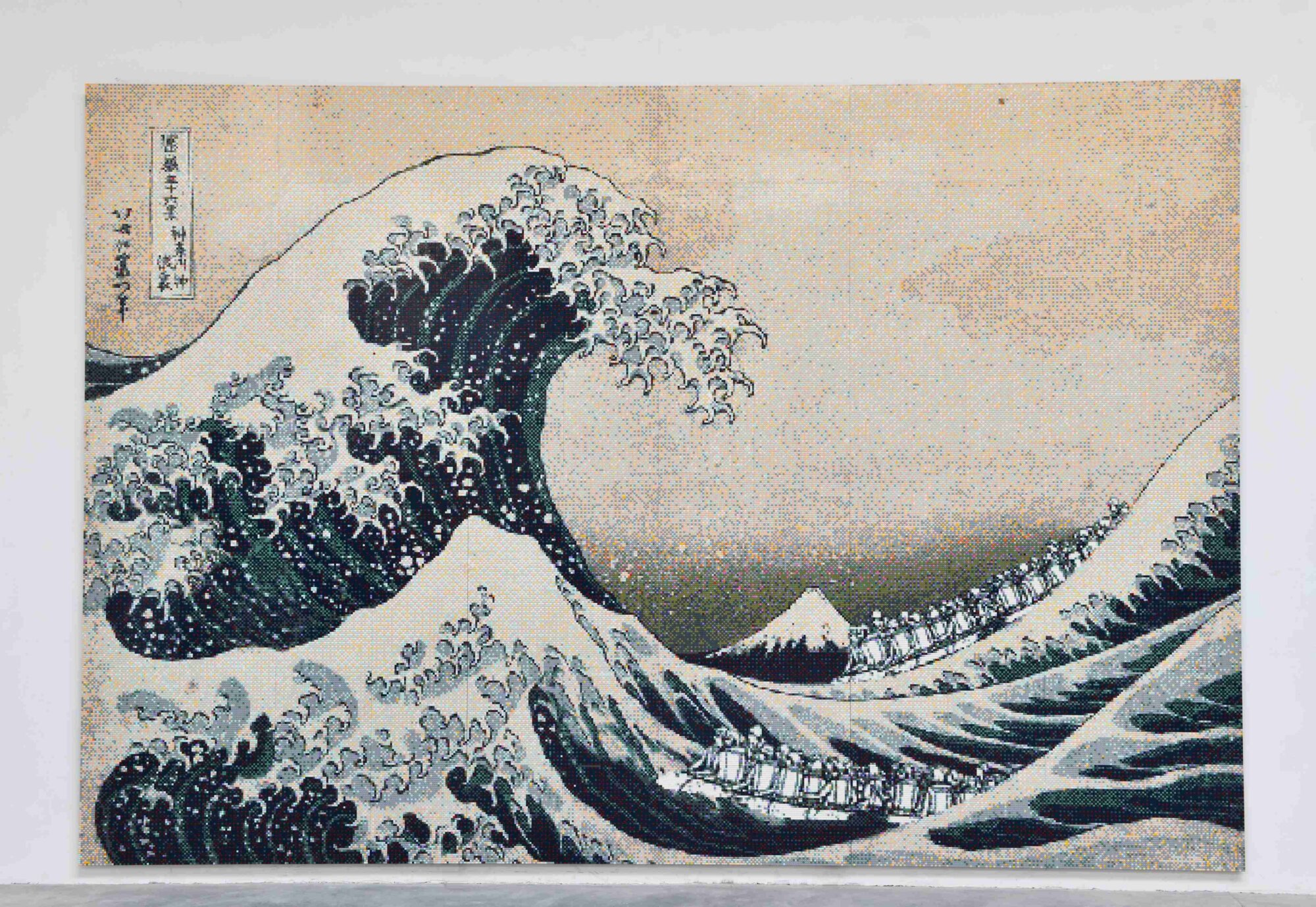
Above Ai Weiwei, Surfing (After Hokusai), 2023. Toy bricks. 320 x 480cm. Image courtesy of Ai Weiwei Studio
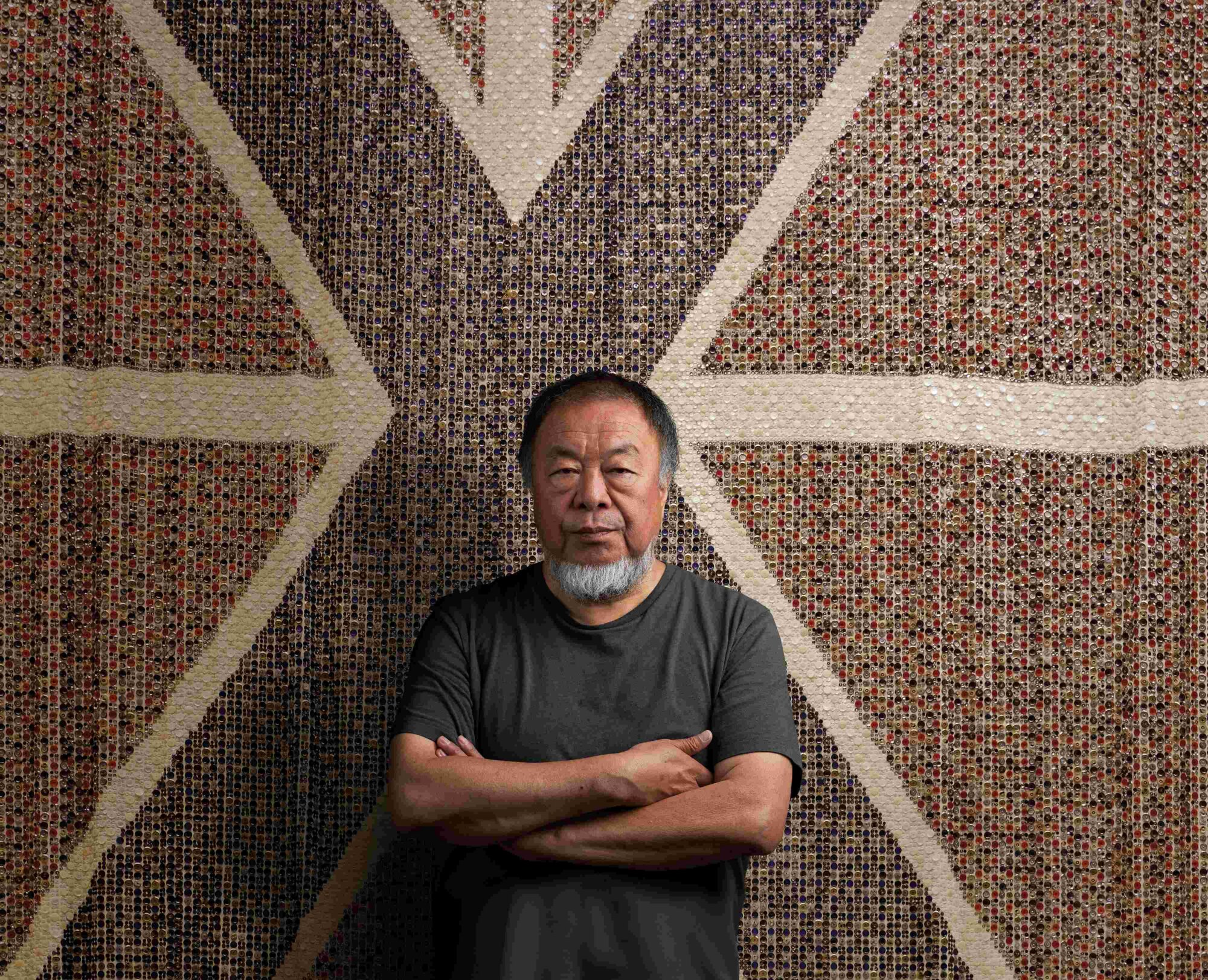
Above Studio portrait of Ai Weiwei during making of Eight-Nation Alliance Flag (Russia) c. Gonçalo F Santos
Above Ai Weiwei. Credit Gonçalo F. Santos
Above Ai Weiwei, La Commedia Umana. Murano glass and metal. Diameter 640cm. Height 840cm. Installation view at Palladian church, 2022. Image courtesy of Ai Weiwei Studio
Above Ai Weiwei, Law of the Journey, 2017. Reinforced PVC. Installation view: National Gallery, Prague, 2017. Image courtesy of Ai Weiwei Studio
Above Ai Weiwei, Dragon Vase, 2017. Porcelain. 51 x 51 x 50cm. Image courtesy of Ai Weiwei Studio
Above Ai Weiwei, Stacked Porcelain Vases as a Pillar, 2017. Porcelain. 52 x 303cm each. Image courtesy of Ai Weiwei Studio
Above Ai Weiwei, Surfing (After Hokusai), 2023. Toy bricks. 320 x 480cm. Image courtesy of Ai Weiwei Studio
Above Studio portrait of Ai Weiwei during making of Eight-Nation Alliance Flag (Russia) c. Gonçalo F Santos
Aviva Studios
Water Street
Manchester
M3 4JQ
2 July – 6 September



![The Wick Culture - Frida Kahlo, Untitled [Self - portrait with thorn necklace and hummingbird] 1940. Nickolas Muray Collection of Mexican Art.](https://thewickculture.com/wp-content/uploads/2026/06/Frida-Kahlo-Untitled-Self-portrait-with-thorn-necklace-and-hummingbird-2000x2589.jpg)