The Wick List
Viewing Frida: The Making of an Icon
![The Wick Culture - Frida Kahlo, Untitled [Self - portrait with thorn necklace and hummingbird] 1940. Nickolas Muray Collection of Mexican Art.](https://thewickculture.com/wp-content/uploads/2026/06/Frida-Kahlo-Untitled-Self-portrait-with-thorn-necklace-and-hummingbird-2000x2589.jpg)
Above Frida Kahlo, Untitled [Self – portrait with thorn necklace and hummingbird] 1940. Nickolas Muray Collection of Mexican Art.
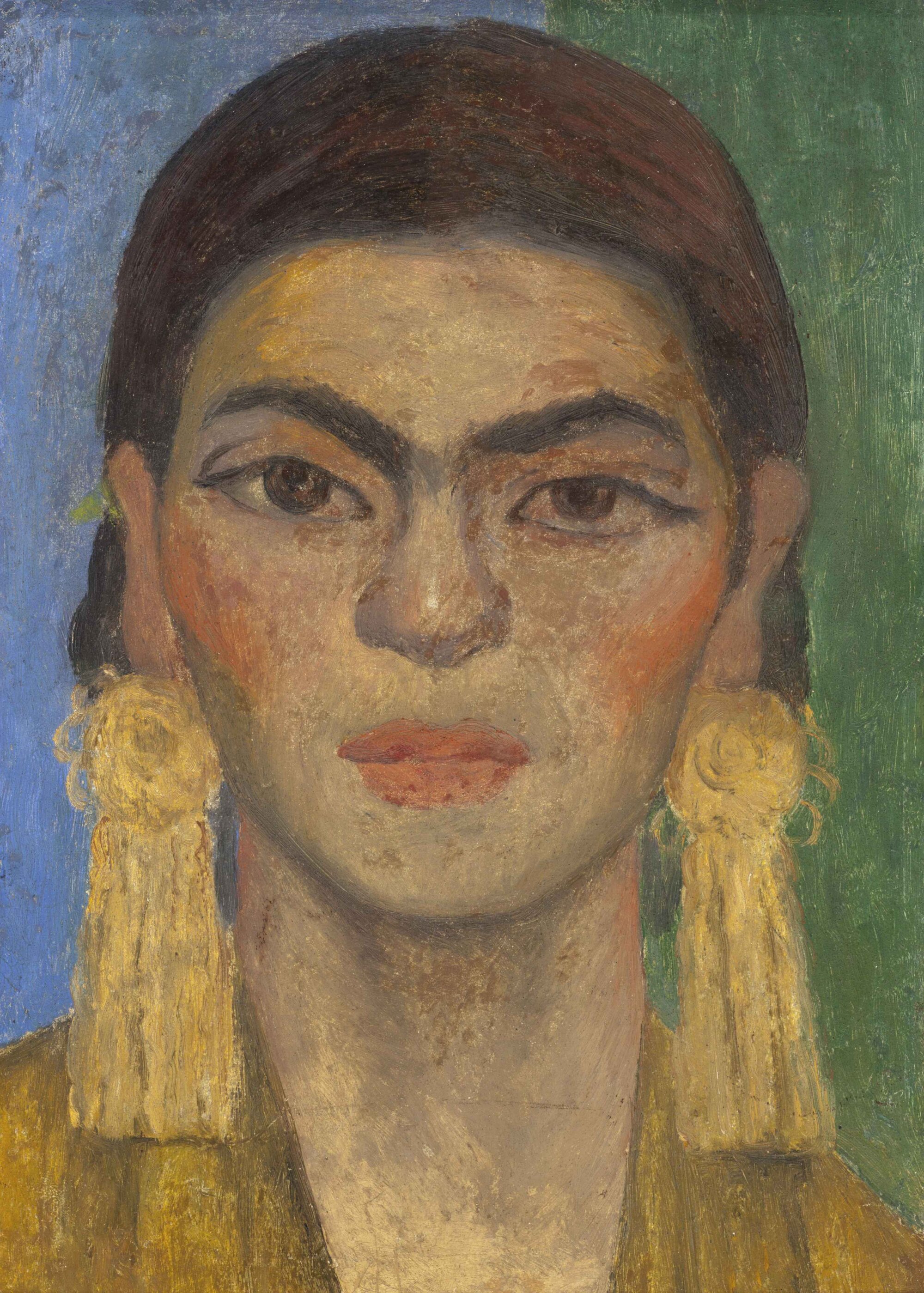
Above Diego Rivera, Portrait of Frida Kahlo c.1935. Los Angeles County Museum of Art.
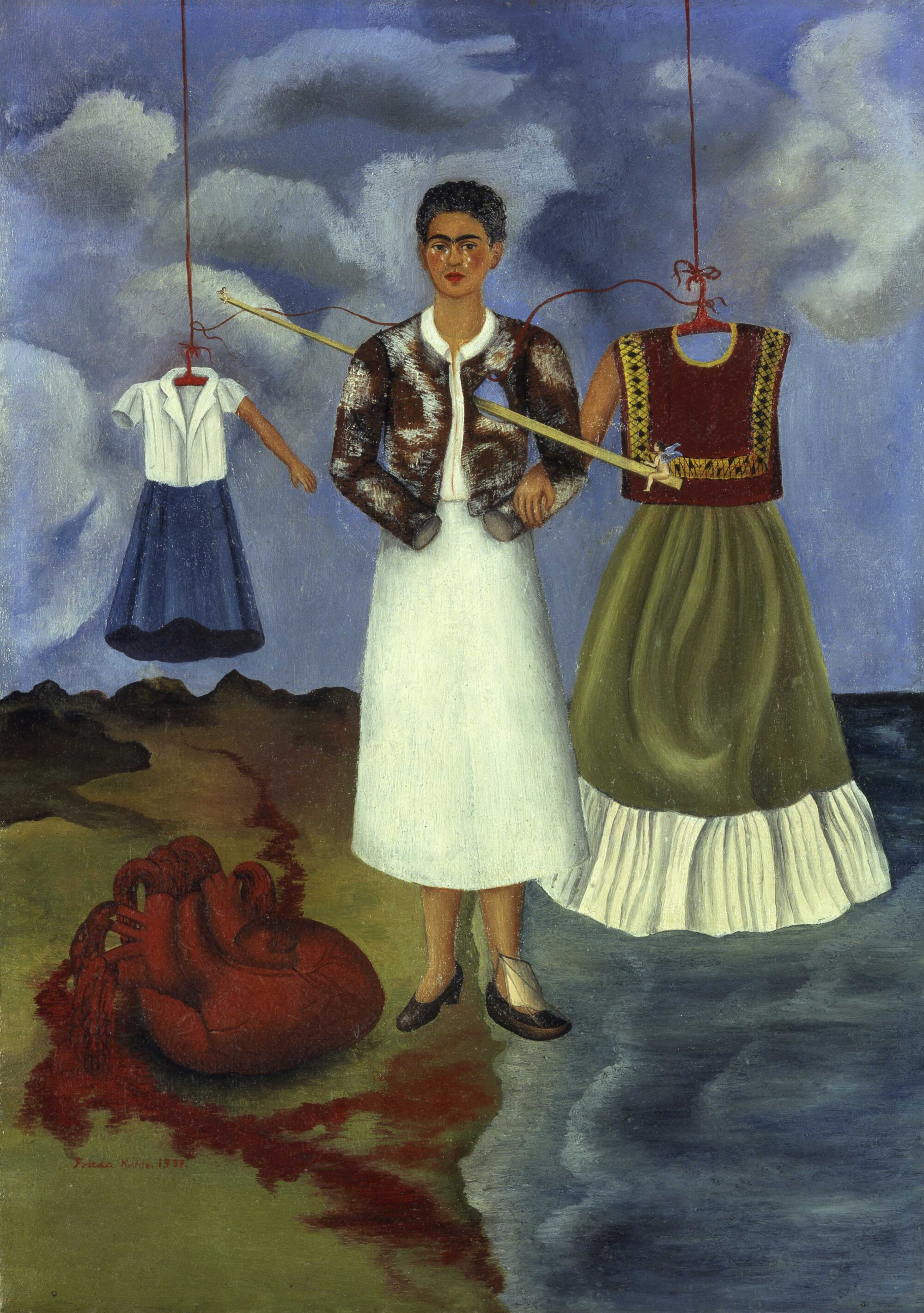
Above Frida Kahlo, Memory (The Heart), 1937. Private Collection.
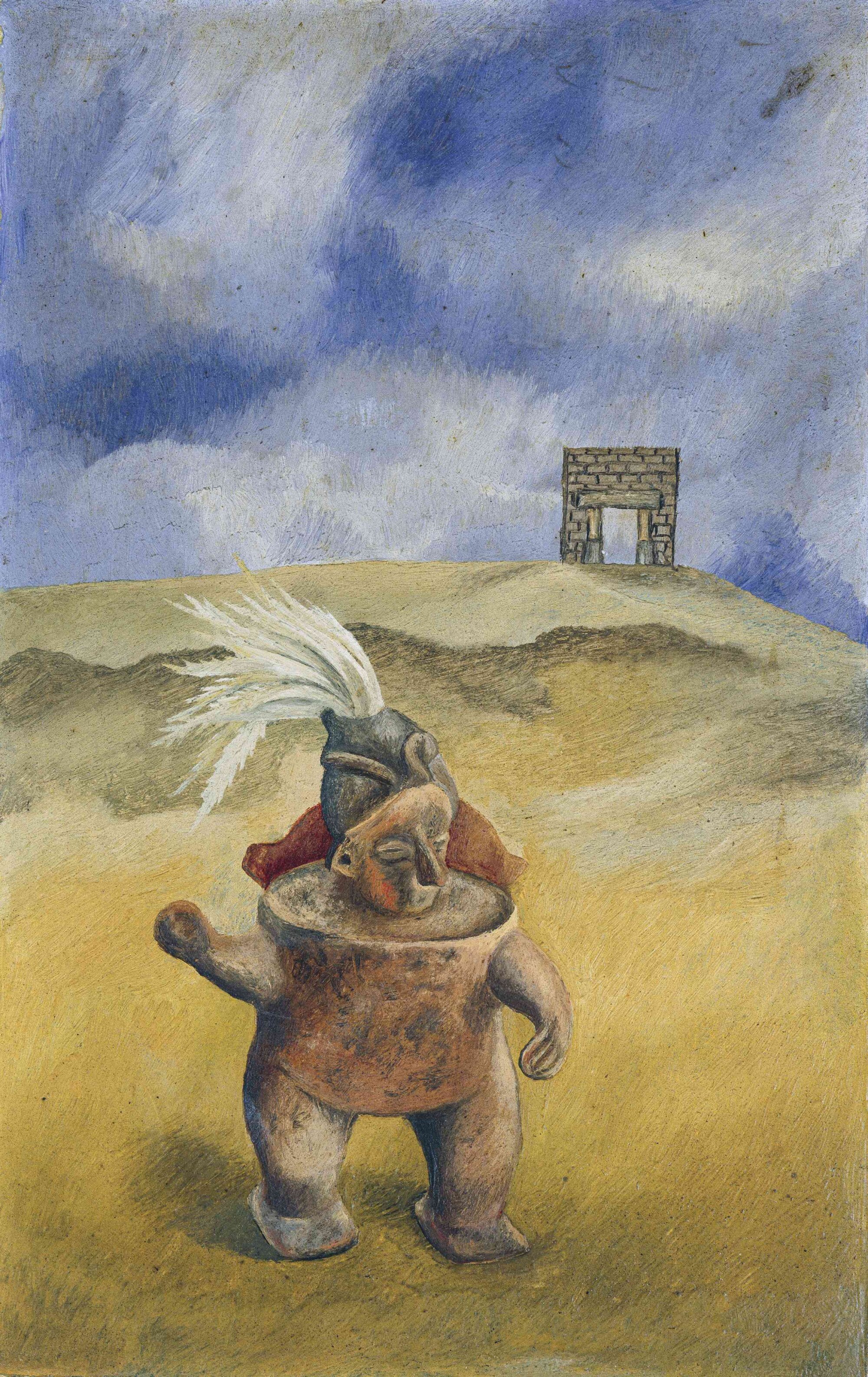
Above Frida Kahlo, Survivor 1938. Colección Pérez Simón.
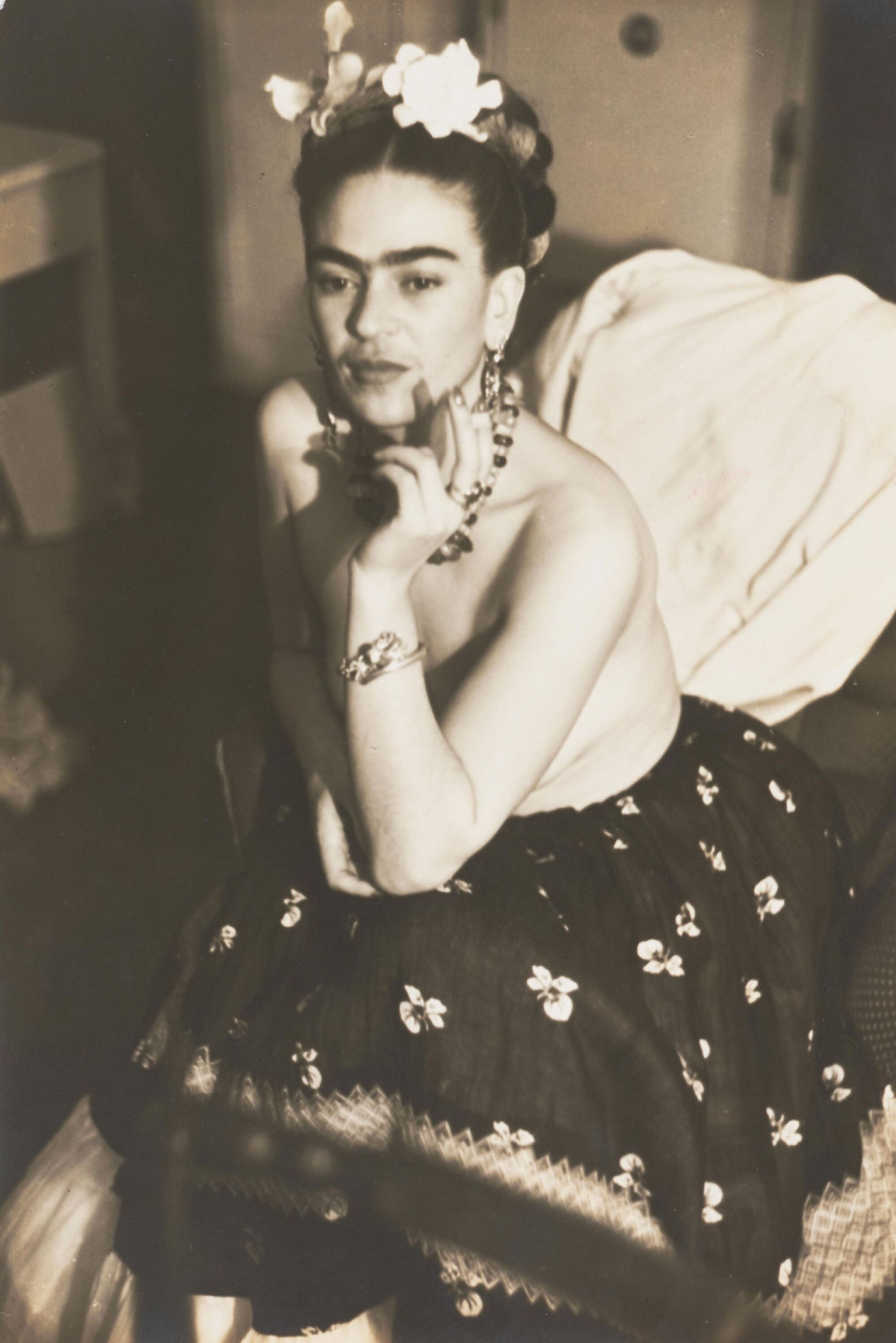
Above Julien Levy, Frida Kahlo 1938. © Courtesy Philadelphia Museum of Art
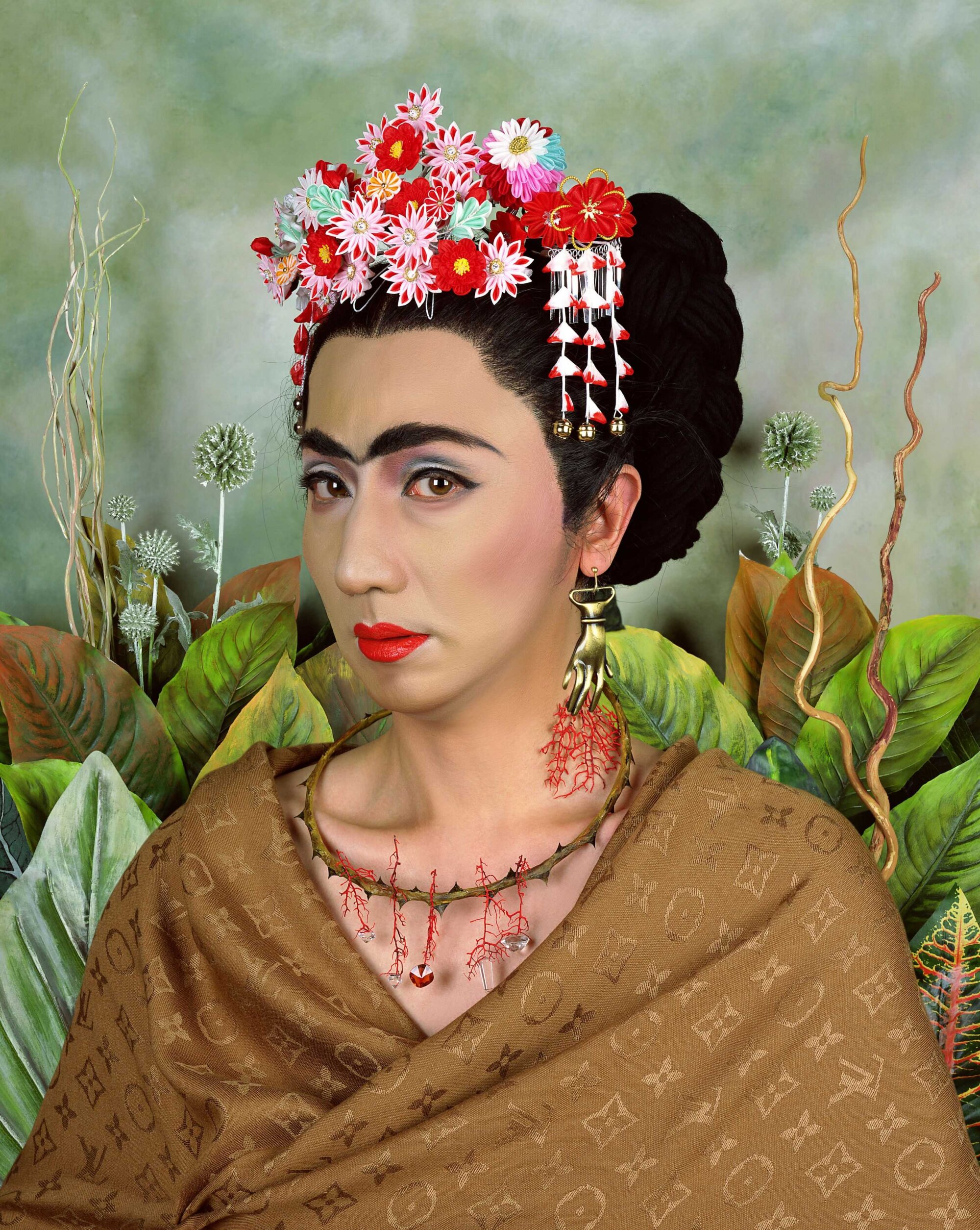
Above Yasumasa Morimura, An Inner Dialogue with Frida Kahlo (Hand Shaped Earring), 2001 ©Yasumasa Morimura; Courtesy of the artist, Luhring Augustine, New York and Yoshiko Isshiki Office, Tokyo.
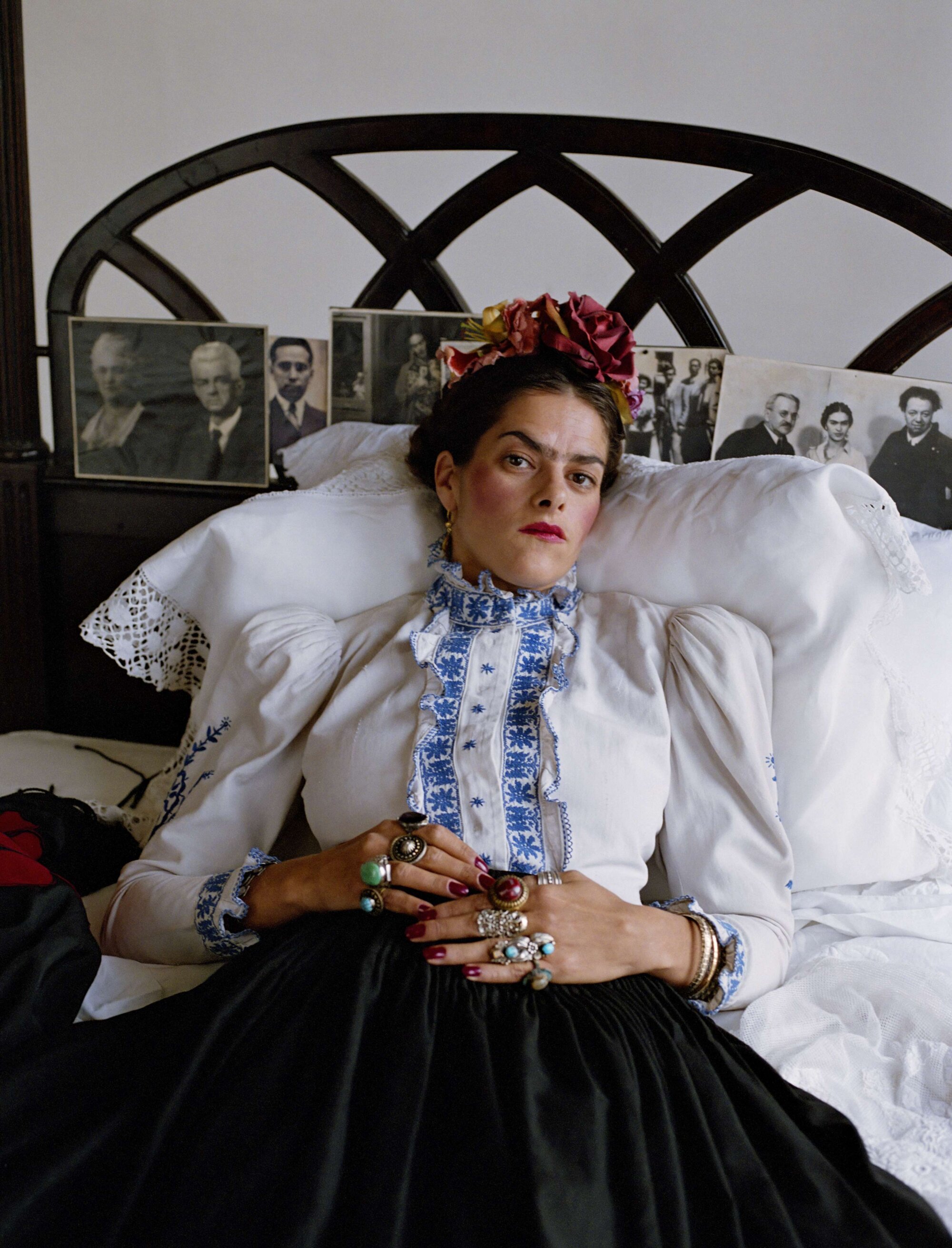
Above Mary McCartney, Being Frida, London 2000. © Mary McCartney. Courtesy the artist.
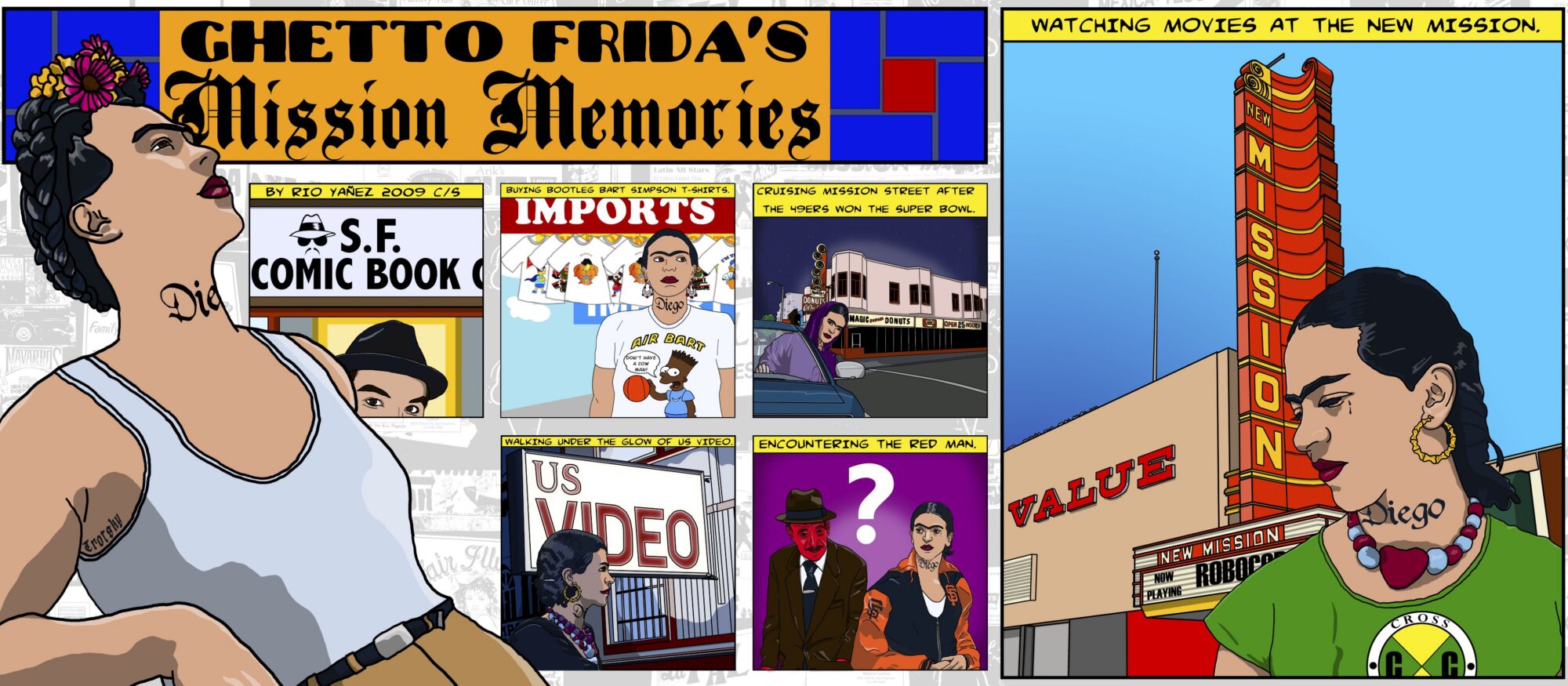
Above Río Yañez, Ghetto Frida’s Mission Memories 2009. © Río Yañez
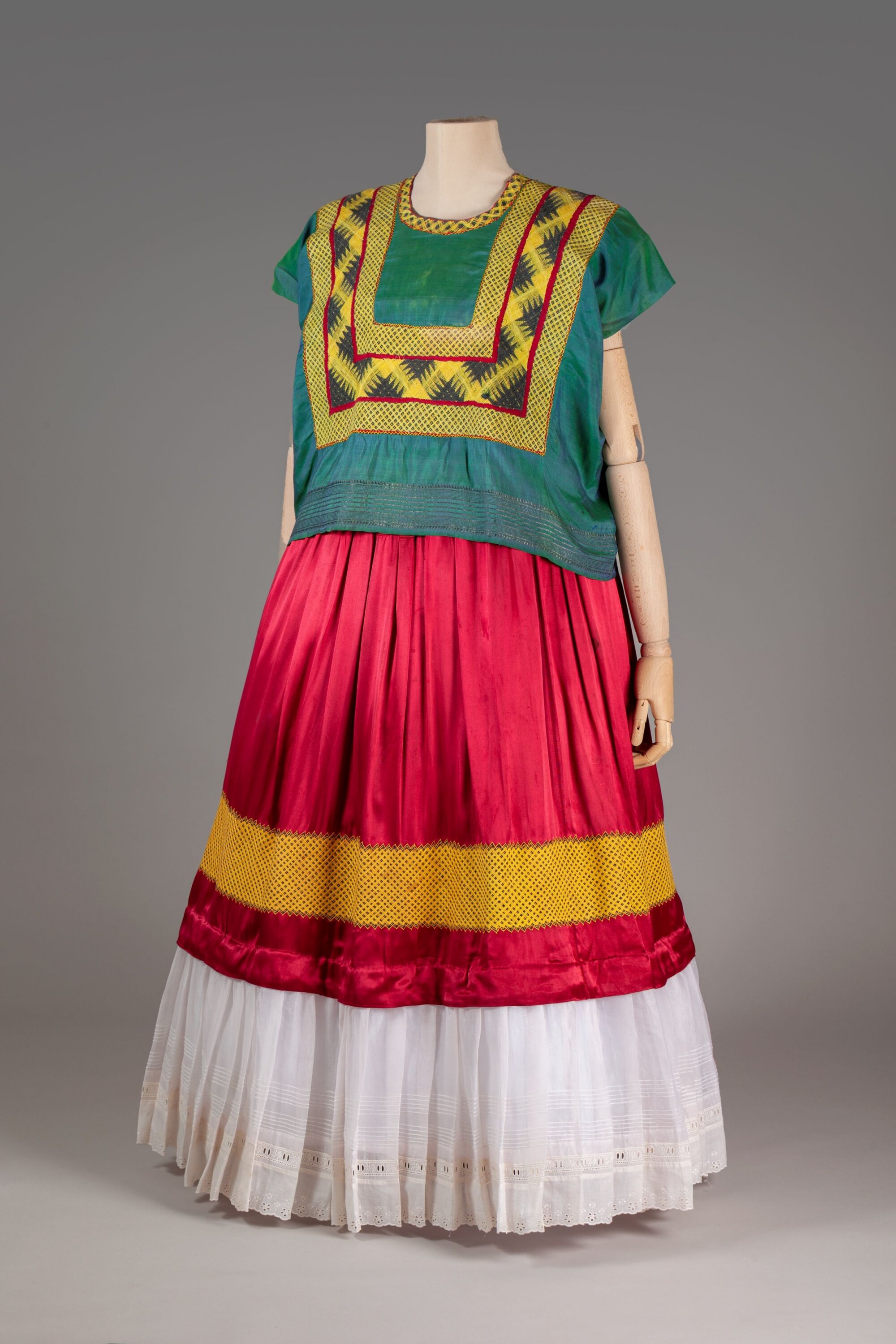
Above Tehuana dresses from Kahlo’s archive. Museo Frida Kahlo.
Above Frida Kahlo, Untitled [Self – portrait with thorn necklace and hummingbird] 1940. Nickolas Muray Collection of Mexican Art.
Above Diego Rivera, Portrait of Frida Kahlo c.1935. Los Angeles County Museum of Art.
Above Frida Kahlo, Memory (The Heart), 1937. Private Collection.
Above Frida Kahlo, Survivor 1938. Colección Pérez Simón.
Above Julien Levy, Frida Kahlo 1938. © Courtesy Philadelphia Museum of Art
Above Yasumasa Morimura, An Inner Dialogue with Frida Kahlo (Hand Shaped Earring), 2001 ©Yasumasa Morimura; Courtesy of the artist, Luhring Augustine, New York and Yoshiko Isshiki Office, Tokyo.
Above Mary McCartney, Being Frida, London 2000. © Mary McCartney. Courtesy the artist.
Above Río Yañez, Ghetto Frida’s Mission Memories 2009. © Río Yañez
Above Tehuana dresses from Kahlo’s archive. Museo Frida Kahlo.
Tate Modern
Bankside
London
SE1 9TG
25 June 2026 – 3 January 2027