The Wick List
Viewing Peggy Guggenheim in London: The Making of a Collector
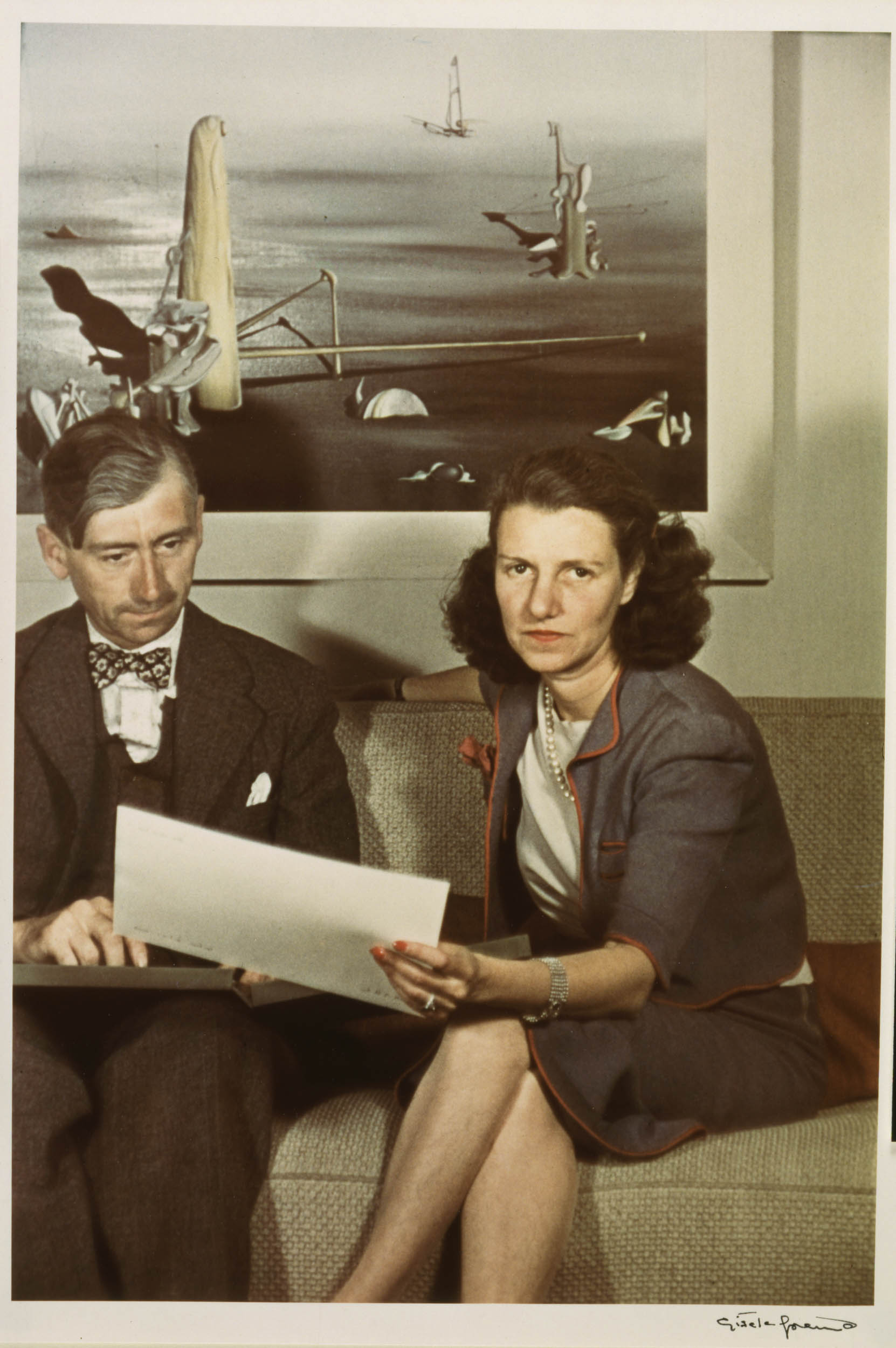
Above © Photo Gisèle Freund / IMEC / Fonds MCC
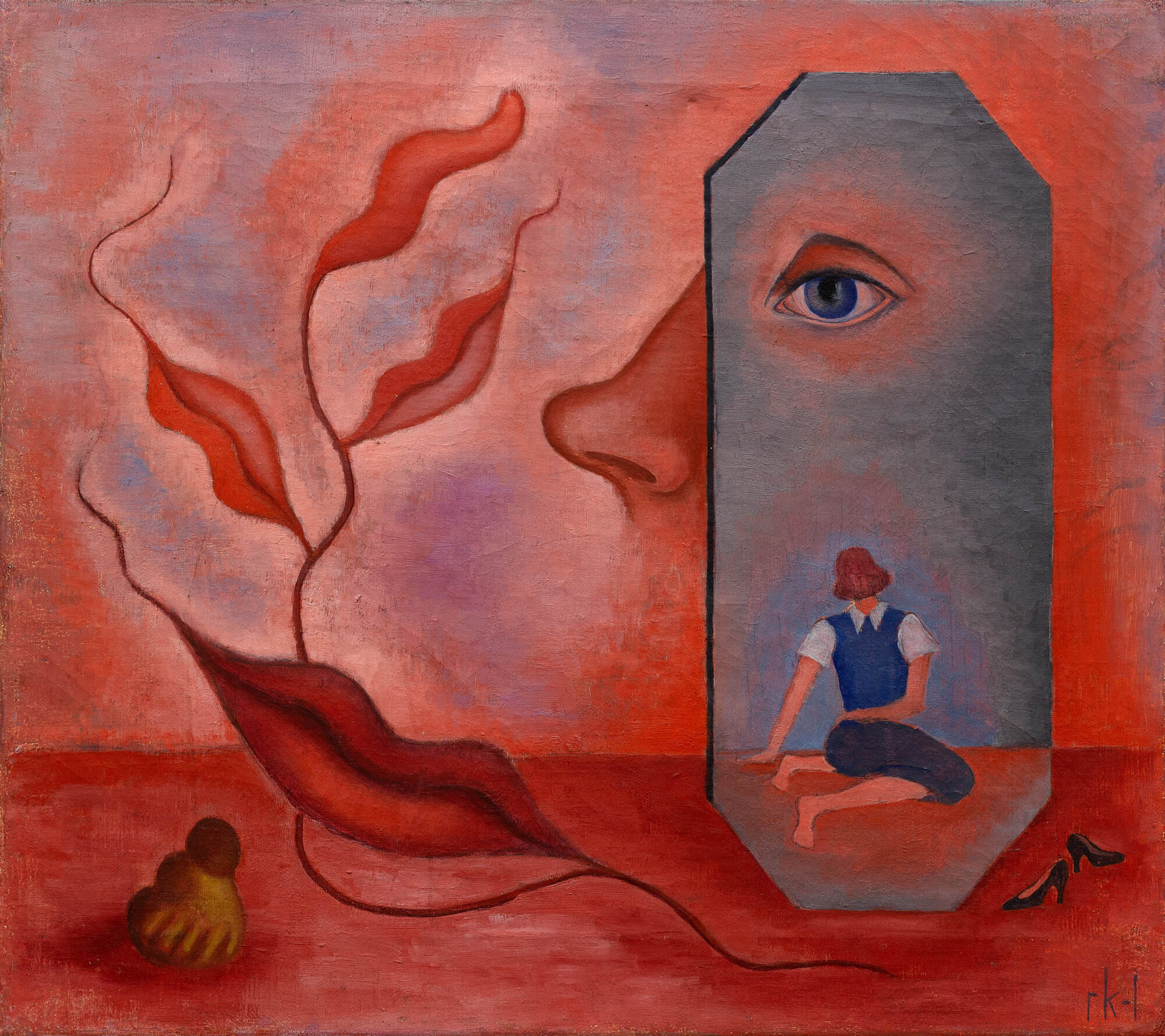
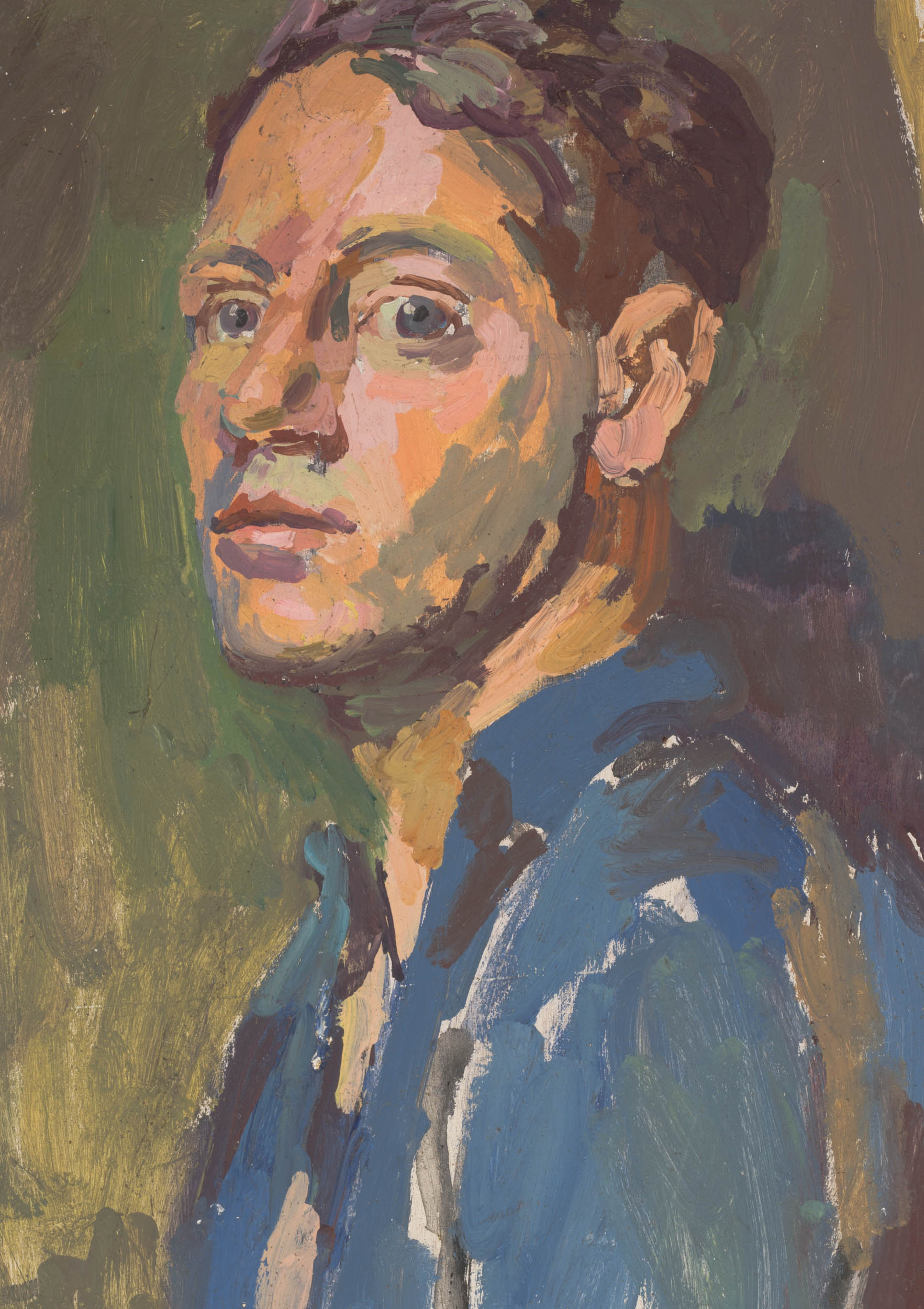
Above Rita Kernn-Larsen, Self-portrait (Know Thyself), 1937. © 2026 DACS.
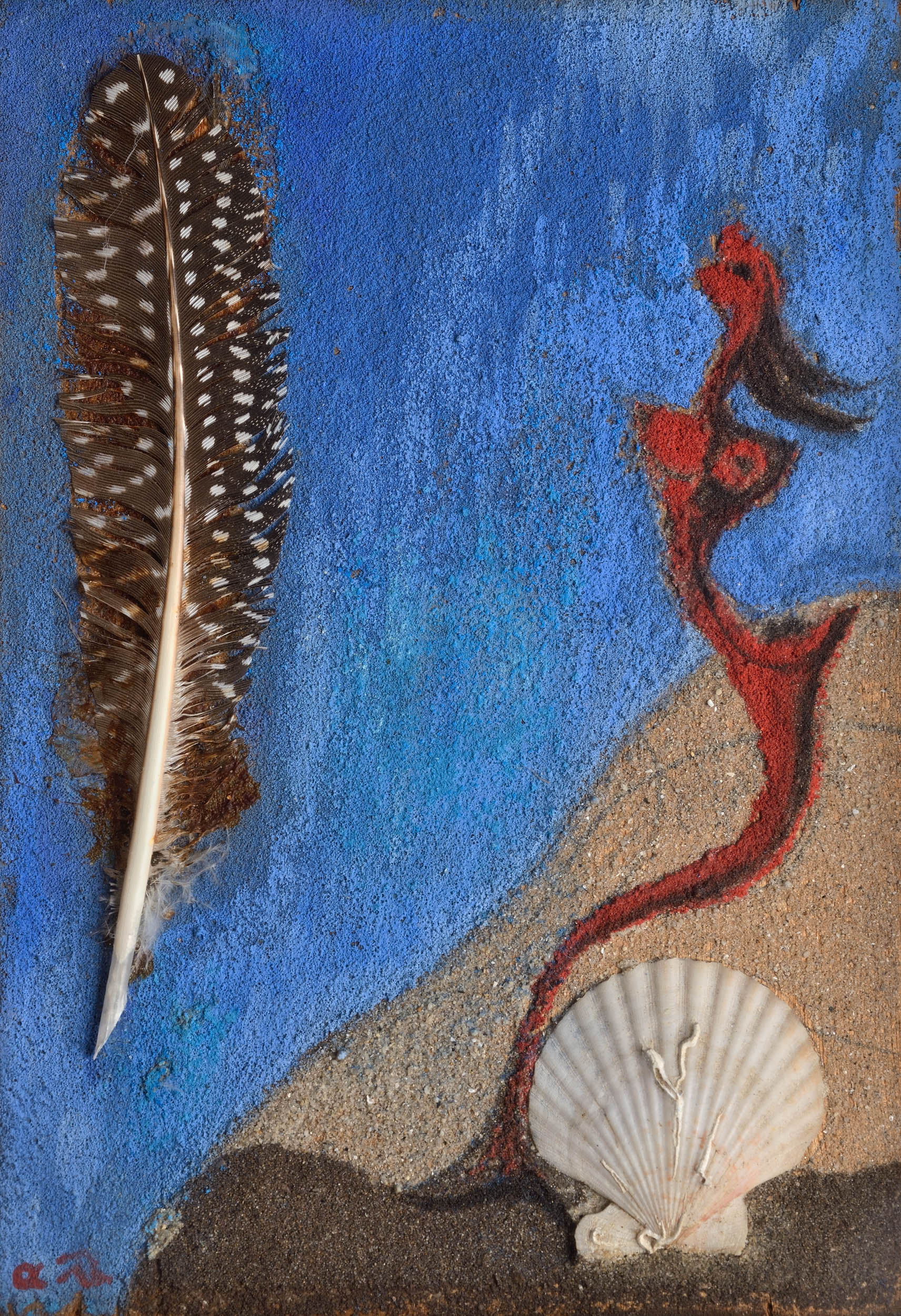
Above André Masson, Ondine, 1937. Photo Jean-Louis Losi, Paris, courtesy Galerie Natalie
Seroussi. © 2026 ADAGP, Paris and DACS, London.
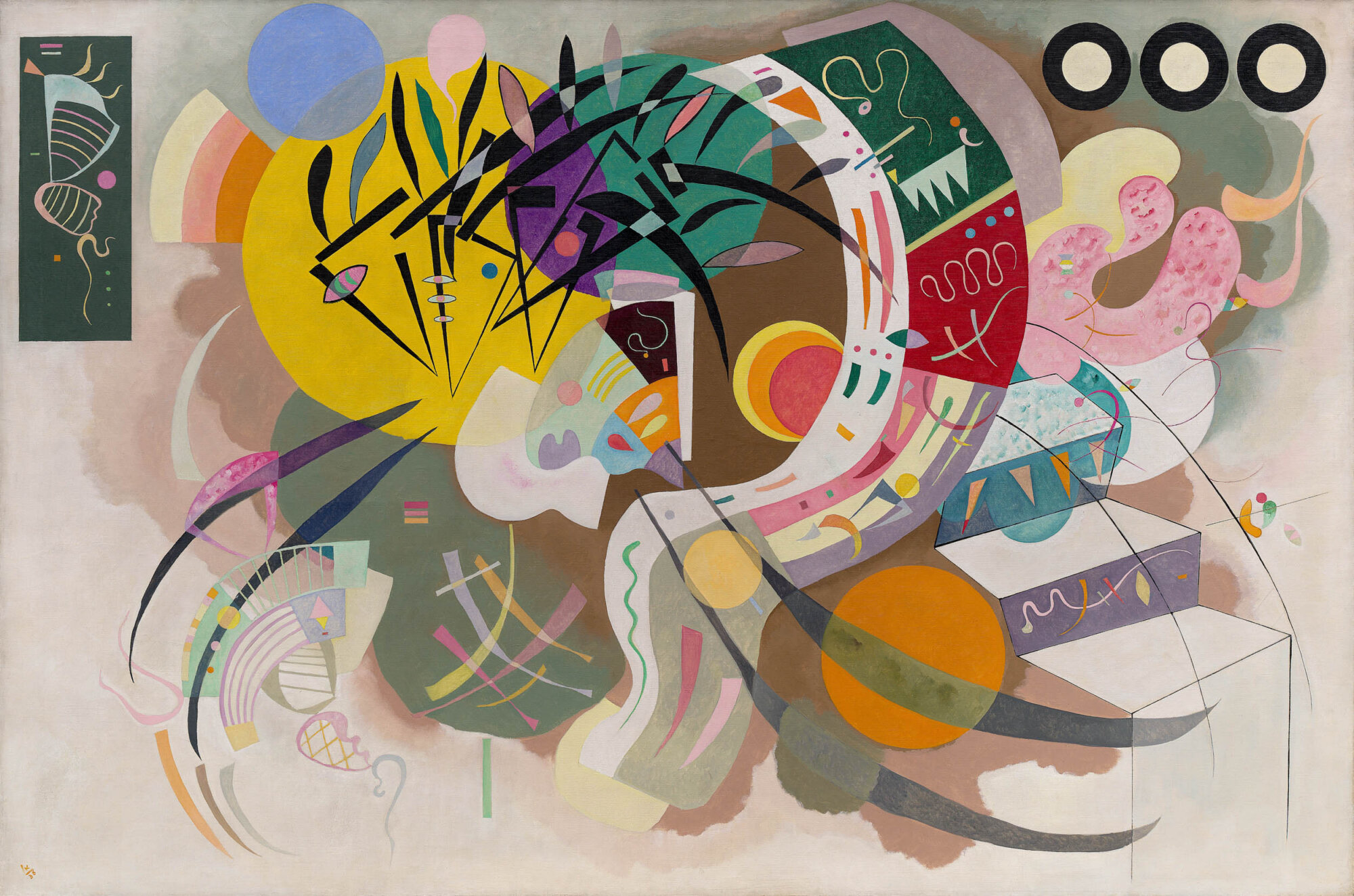
Above Vasily Kandinsky, Dominant Curve, April 1936. Photo:
Kristopher McKay © 2025 The Solomon R. Guggenheim Foundation, New York
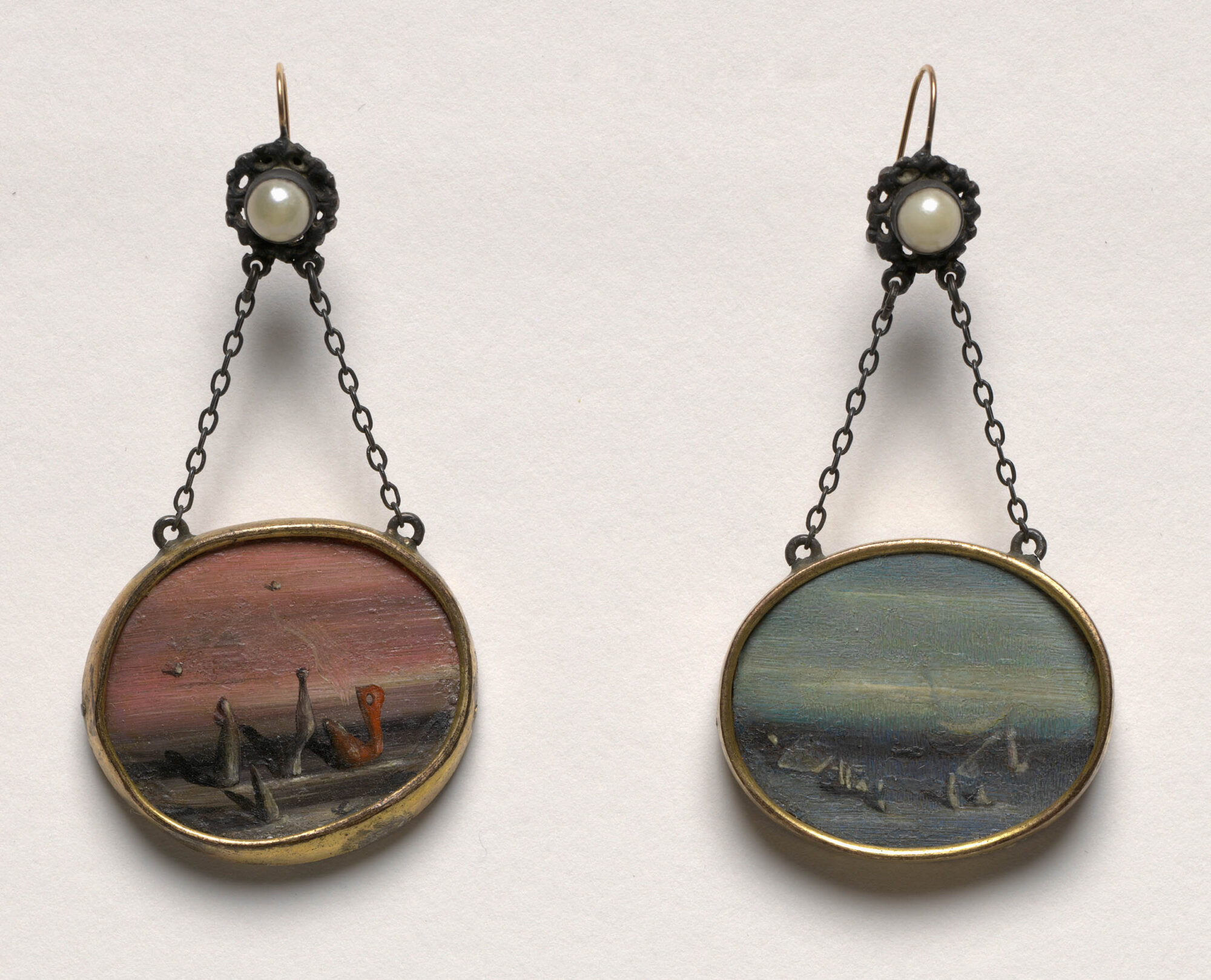
Above Yves Tanguy, Earrings for Peggy Guggenheim, c. 1938. Photo: Kristopher McKay © 2025
The Solomon R. Guggenheim Foundation, New York.
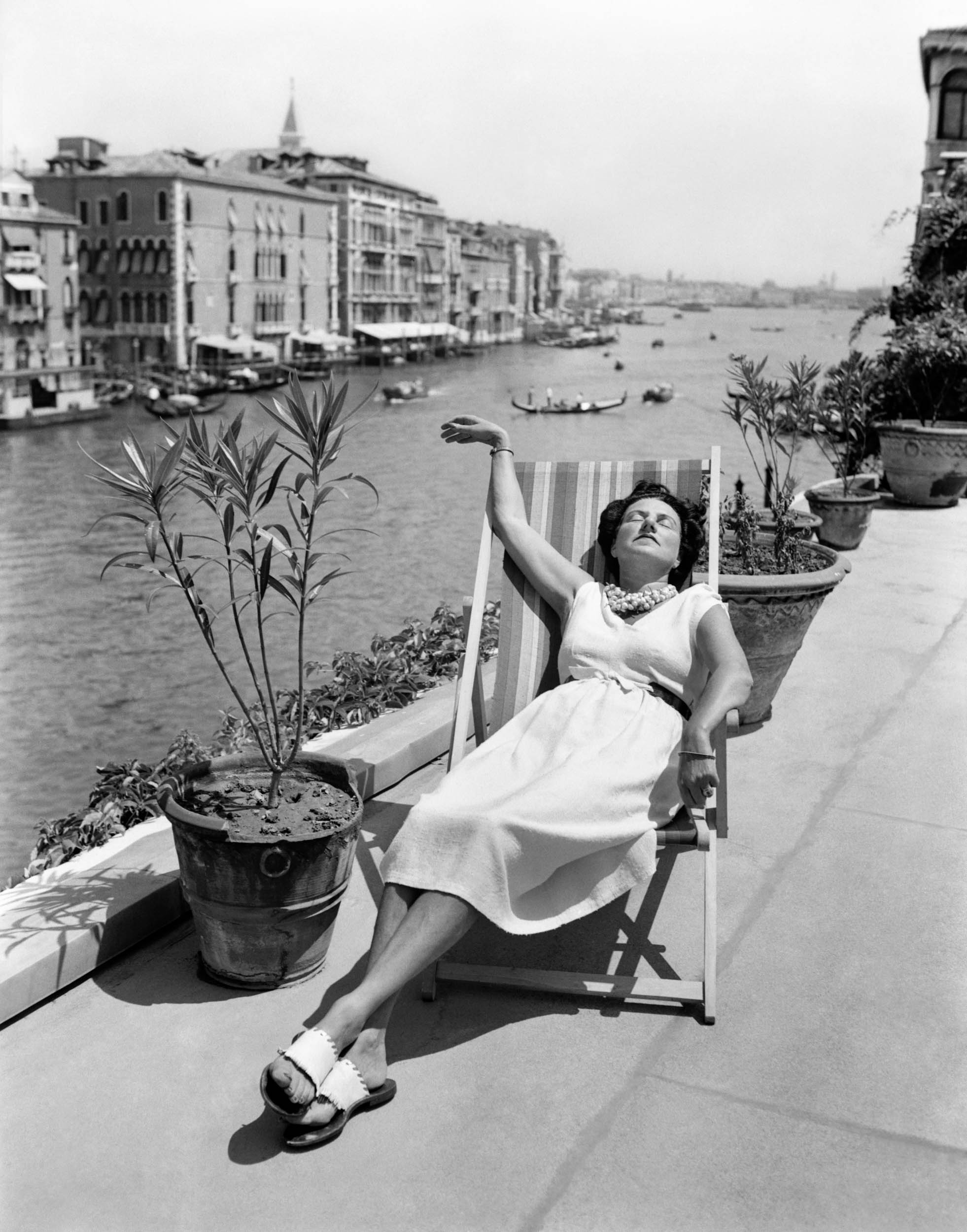
Above Peggy Guggenheim on the roof-terrace of Palazzo Venier dei Leoni, Venice, early 1950s.
Solomon R. Guggenheim Foundation. Photo: Archivio Cameraphoto Epoche, Gift, Cassa di
Risparmio di Venezia, 2005.
Above © Photo Gisèle Freund / IMEC / Fonds MCC
Above Rita Kernn-Larsen, Self-portrait (Know Thyself), 1937. © 2026 DACS.
Above André Masson, Ondine, 1937. Photo Jean-Louis Losi, Paris, courtesy Galerie Natalie
Seroussi. © 2026 ADAGP, Paris and DACS, London.
Above Vasily Kandinsky, Dominant Curve, April 1936. Photo:
Kristopher McKay © 2025 The Solomon R. Guggenheim Foundation, New York
Above Yves Tanguy, Earrings for Peggy Guggenheim, c. 1938. Photo: Kristopher McKay © 2025
The Solomon R. Guggenheim Foundation, New York.
Above Peggy Guggenheim on the roof-terrace of Palazzo Venier dei Leoni, Venice, early 1950s.
Solomon R. Guggenheim Foundation. Photo: Archivio Cameraphoto Epoche, Gift, Cassa di
Risparmio di Venezia, 2005.
Royal Academy of Arts
Burlington House
Piccadilly
London
W1J 0BD
21 November 2026 – 14 March 2027