Pompeii goes pop.
Philip Colbert brings his lobster universe to Pompeii this summer with
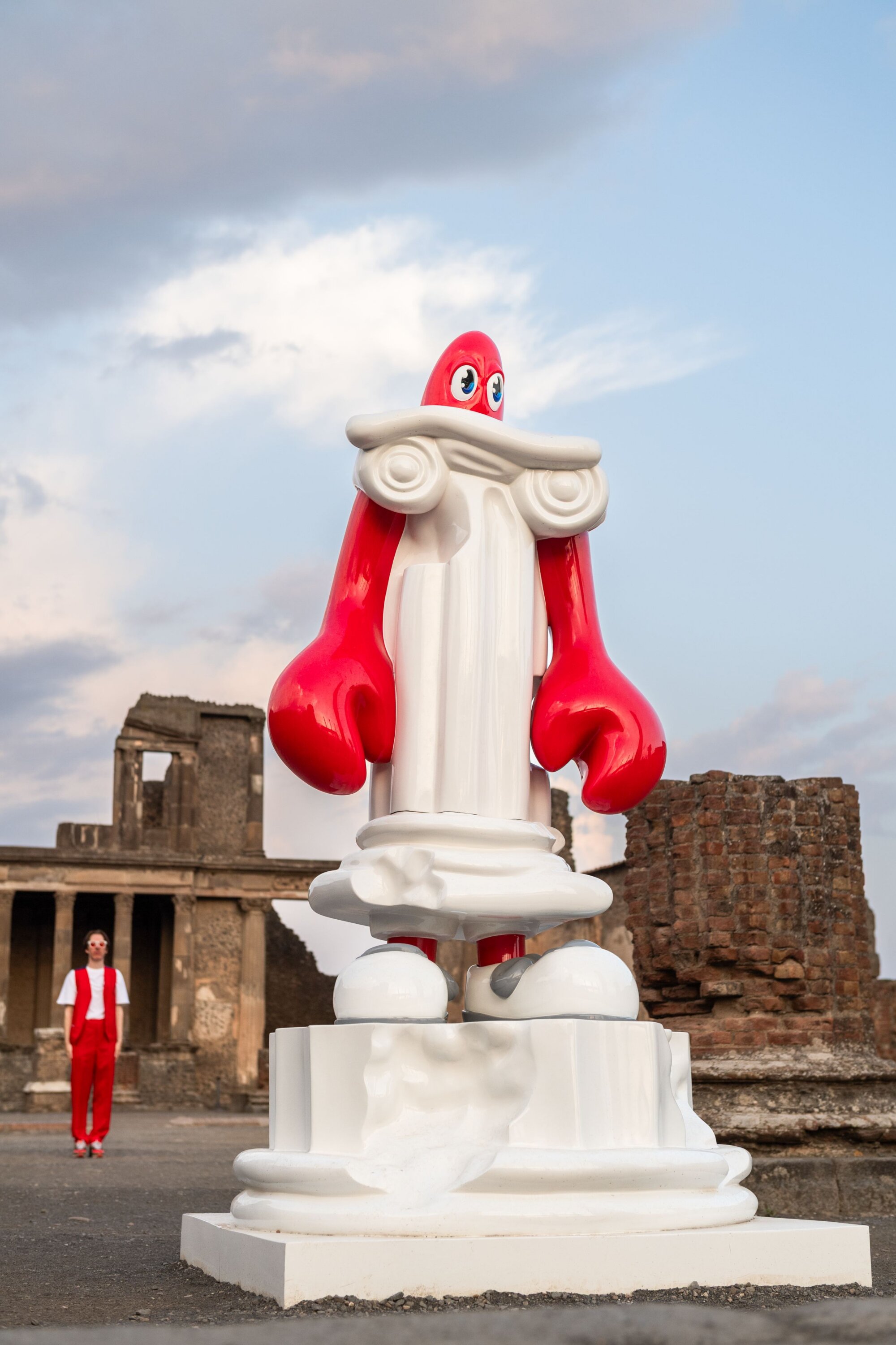
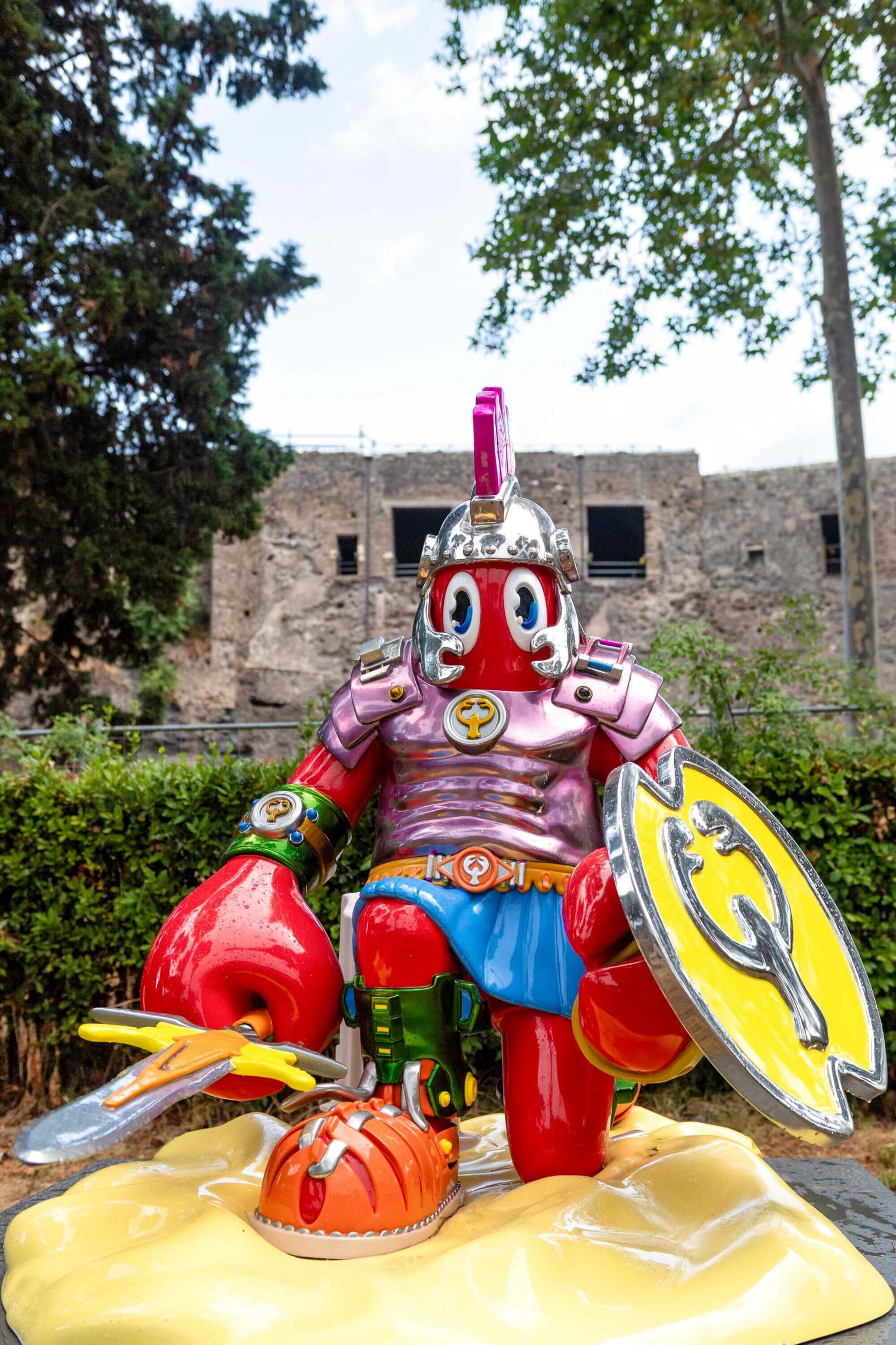
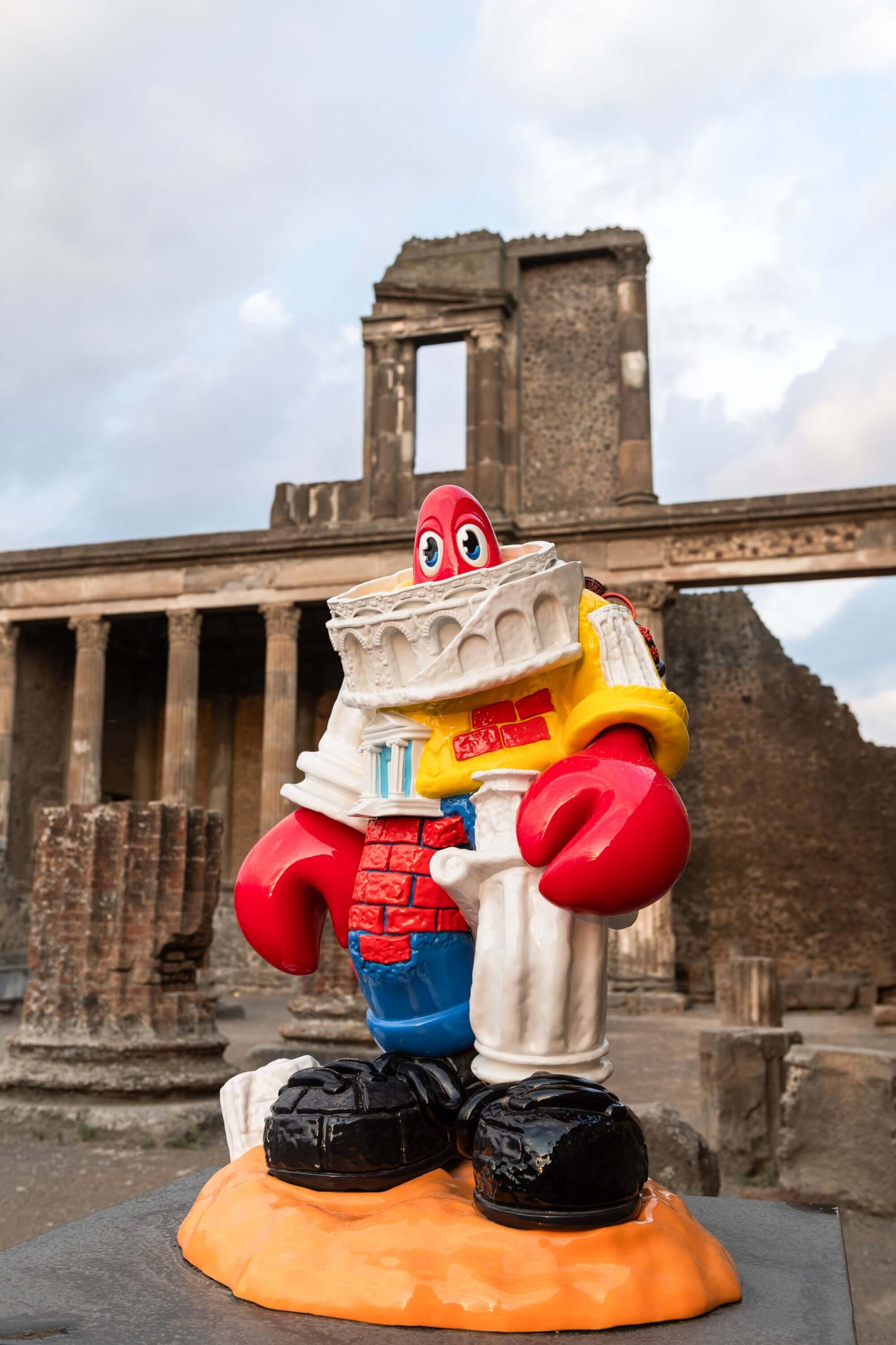
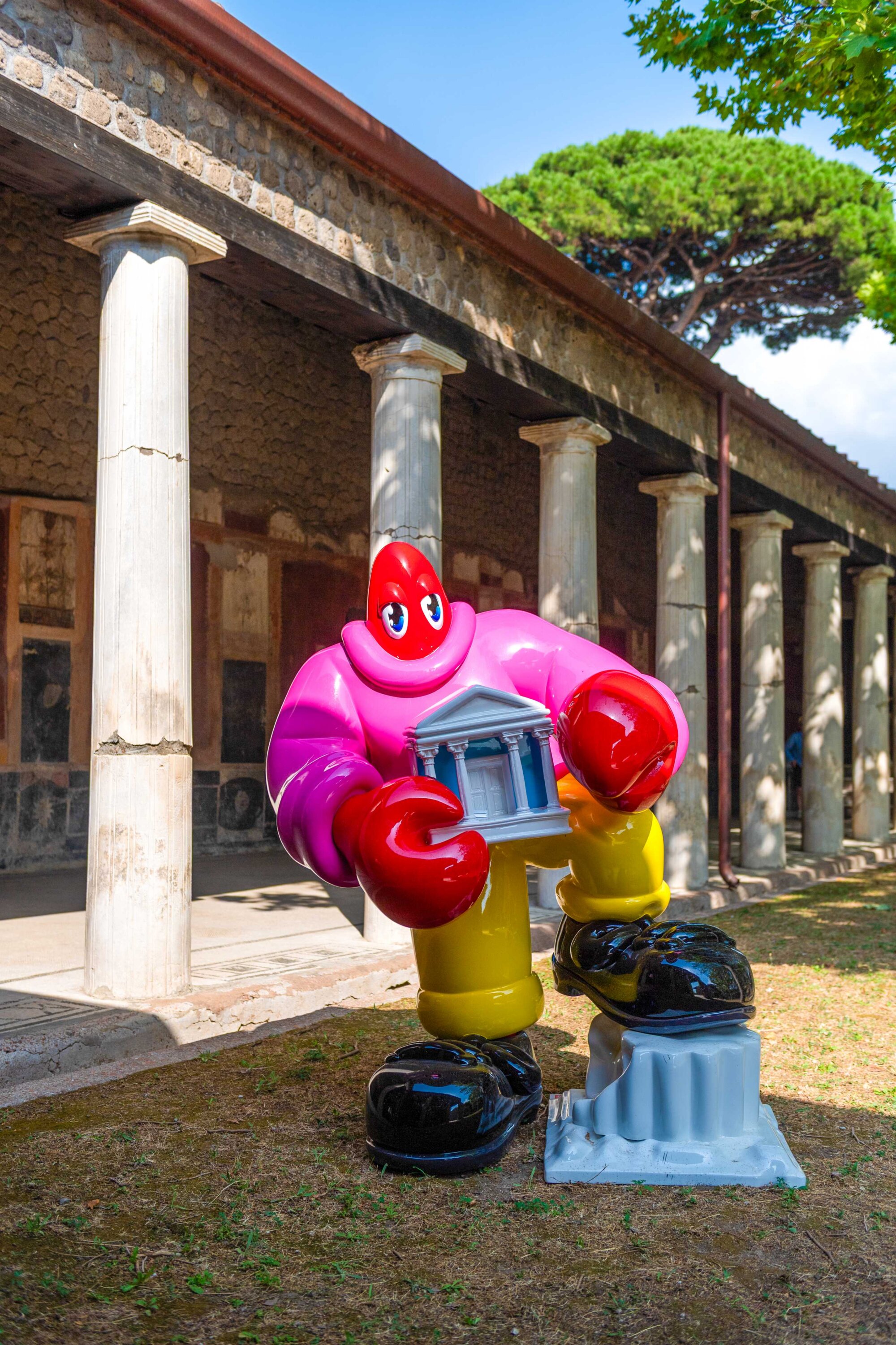
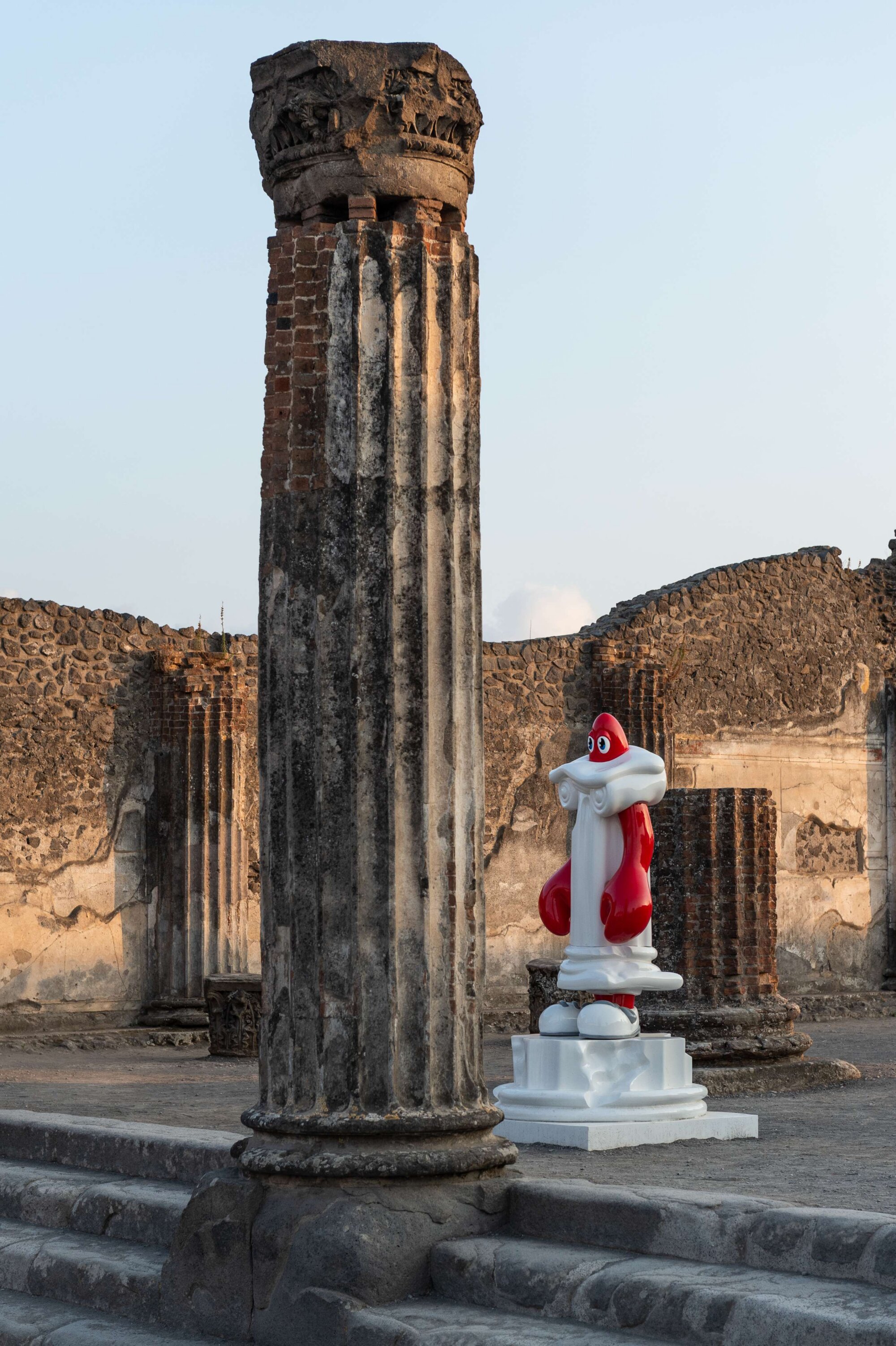
Philip Colbert in Pompeii: Pop Mythology, his largest public art takeover to date. Best known for his cartoon alter ego, the lobster, the Scottish-born, London-based artist has built a high-colour world where art history, mass culture, mythology and the digital age crash into one another with theatrical force.
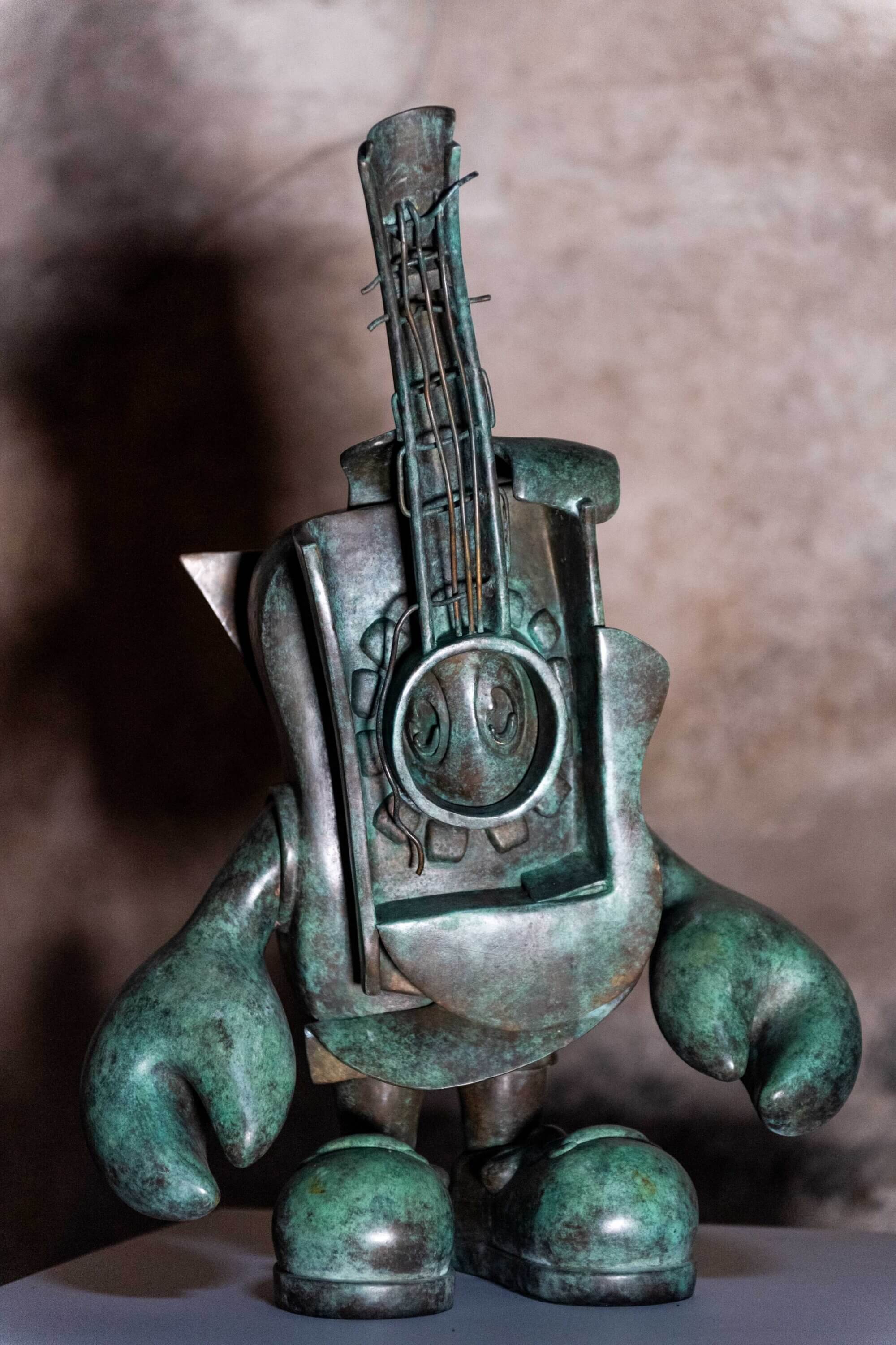
At Pompeii, this collision is uniquely loaded: more than 30 of Colbert’s sculptures are appearing across the Archaeological Park and its wider sites, setting stainless-steel lobsters and bronze-patina works among ruins, columns and ancient streets. The exhibition takes inspiration from Pompeii’s celebrated marine mosaic from the House of the Faun, now held at the National Archaeological Museum of Naples, where a lobster appears in a dramatic underwater scene. In Colbert’s hands, the creature becomes a bridge between ancient image-making and contemporary spectacle.
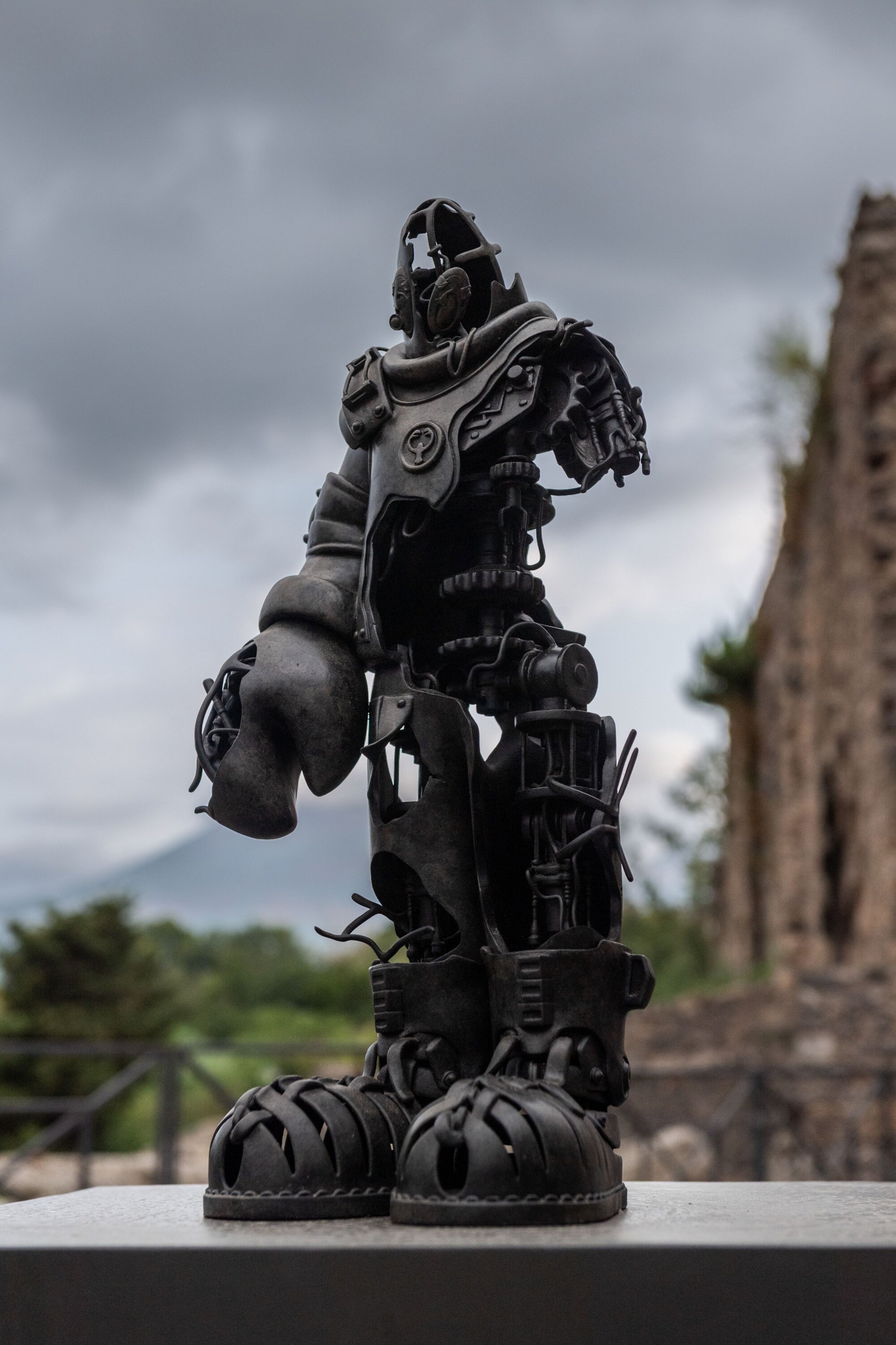
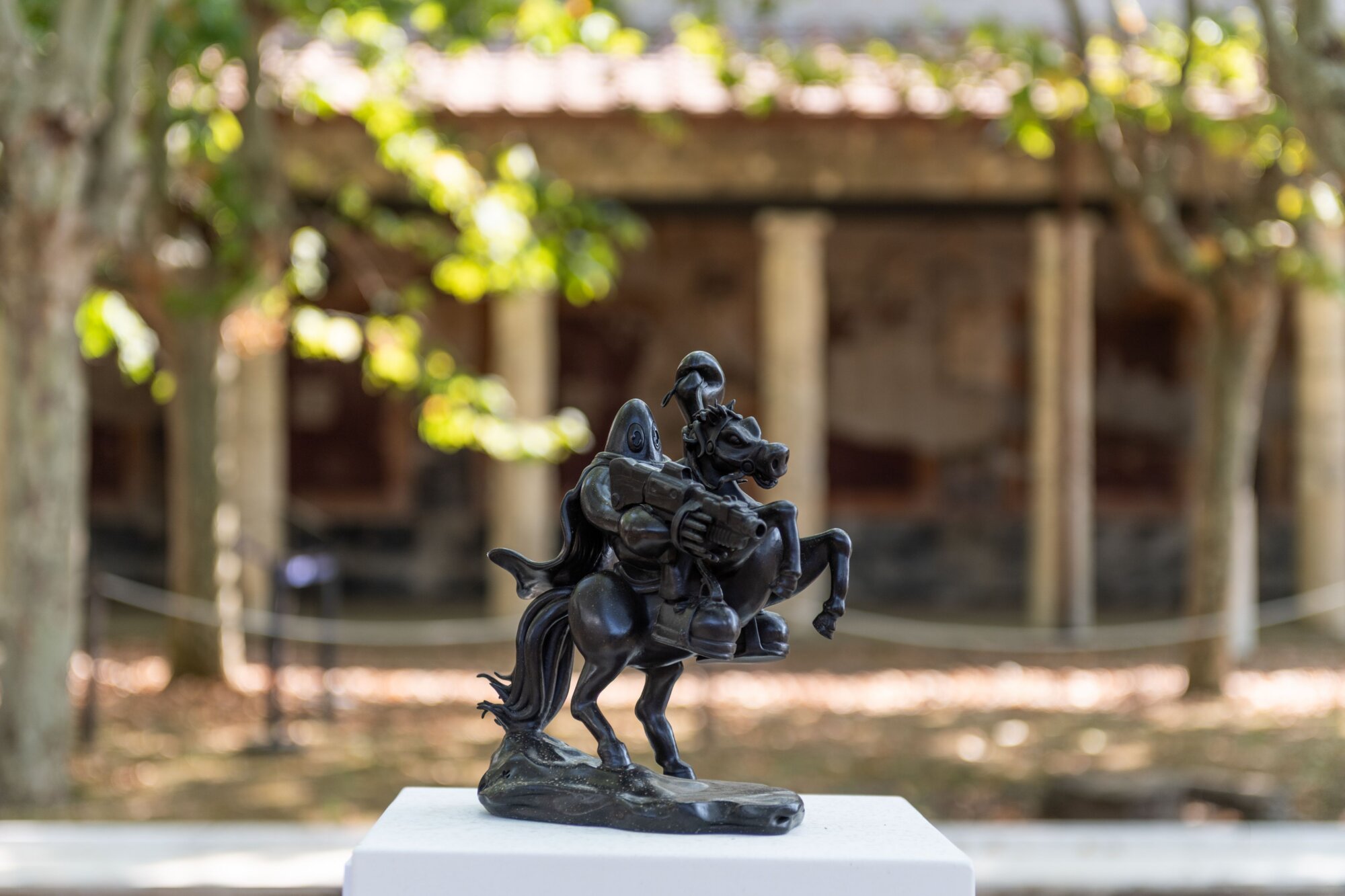
The show is also about time misbehaving. Pompeii is a city preserved by catastrophe, held between the moment of its destruction and its long afterlife as image and myth, and also a warning. Colbert uses this tension to stage a conversation between ancient visual culture and the futures we imagine for ourselves. A new trilogy of black-steel sculptures introduces robotic lobster warriors, described by the exhibition as relics from a future mythology.
The takeover extends beyond the main archaeological park, with works placed at Longola, Boscoreale, Oplontis, Villa San Marco, Villa Arianna and the Real Polverificio Borbonico. One sculpture at Longola carries particular weight after the recent fire at the site, bringing Colbert’s language of absurdity and spectacle into contact with questions of damage and renewal. It is a wild and odd collision of catastrophe, preservation and mass culture, but this is the point. Colbert’s lobsters may be absurd, but they also provoke, asking how ancient places can still make room for new myths. Pompeii has seen stranger things.