Low notes, high stakes.
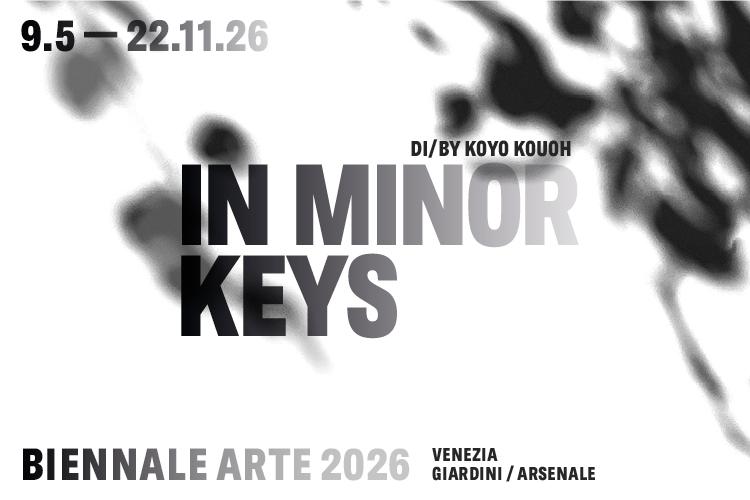
Venice is playing in a minor key this year. Opening to the public this weekend, the 61st International Art Exhibition of La Biennale di Venezia brings together 110 invited participants from across the world, from individual artists and collaborative duos to collectives and artist-led organisations, alongside national participations from 100 countries.
Titled In Minor Keys, the exhibition is the final curatorial project of the late Koyo Kouoh, who died unexpectedly in May 2025. Her vision has been carried forward with the support of her family and by the team she selected, preserving the ideas and curatorial framework she had developed before her death.
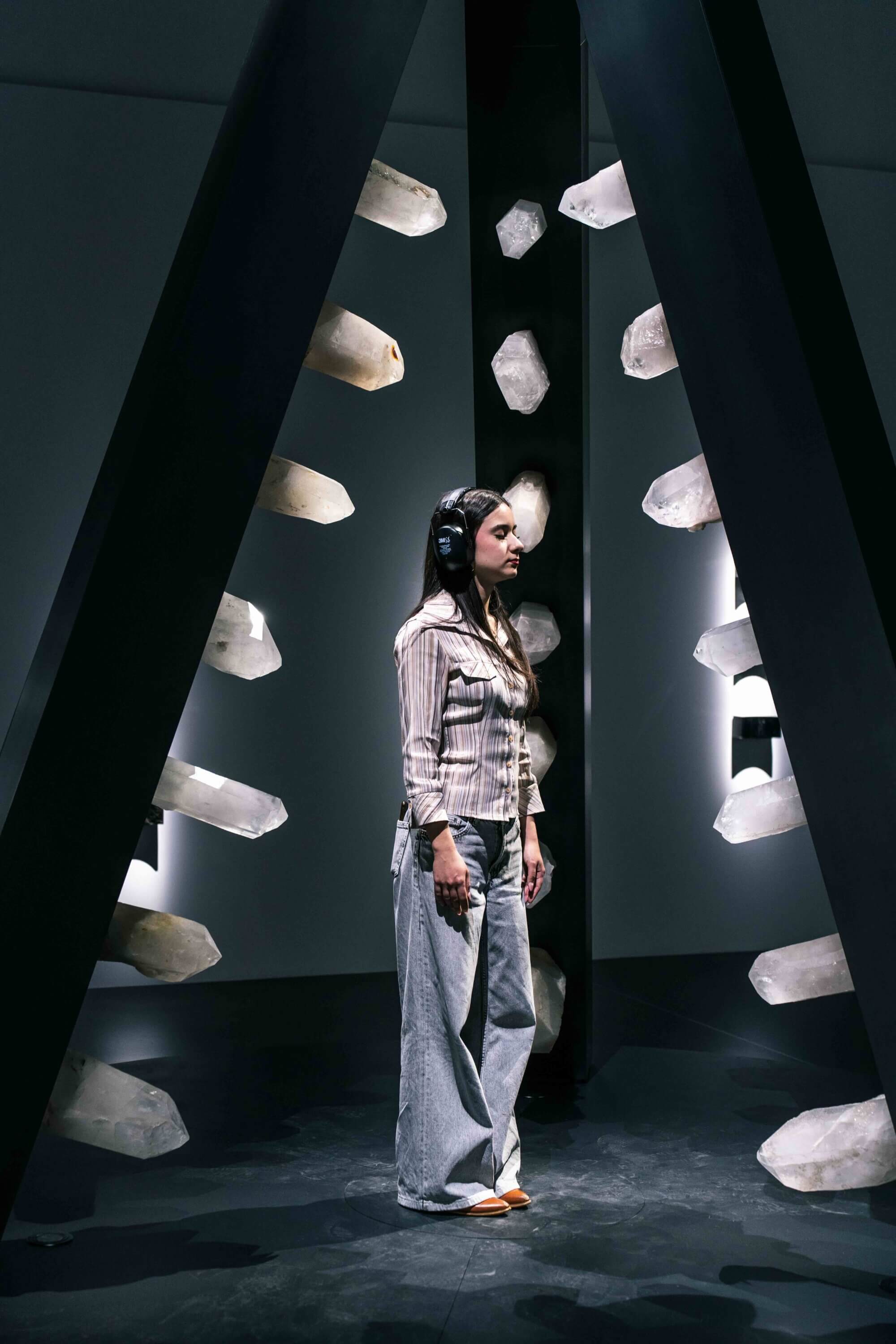
The exhibition is especially poignant because of this. Rather than grandstanding, In Minor Keys turns towards listening, proximity, spiritual charge, rest and the social life of art. Its invited participants span an international field of geographies and artistic languages, moving through motifs including shrines, processions, schools and oases to create a more intuitive map of affinities across cultures, generations and forms of practice.
With Issa Samb and Beverly Buchanan honoured as lodestar figures, and performance, poetry, installation and artist-led spaces threaded through the programme, this Biennale looks set to serve as both elegy and offering. An exhibition about collectivity, repair and paying attention, shaped by artists and ideas from across the globe.
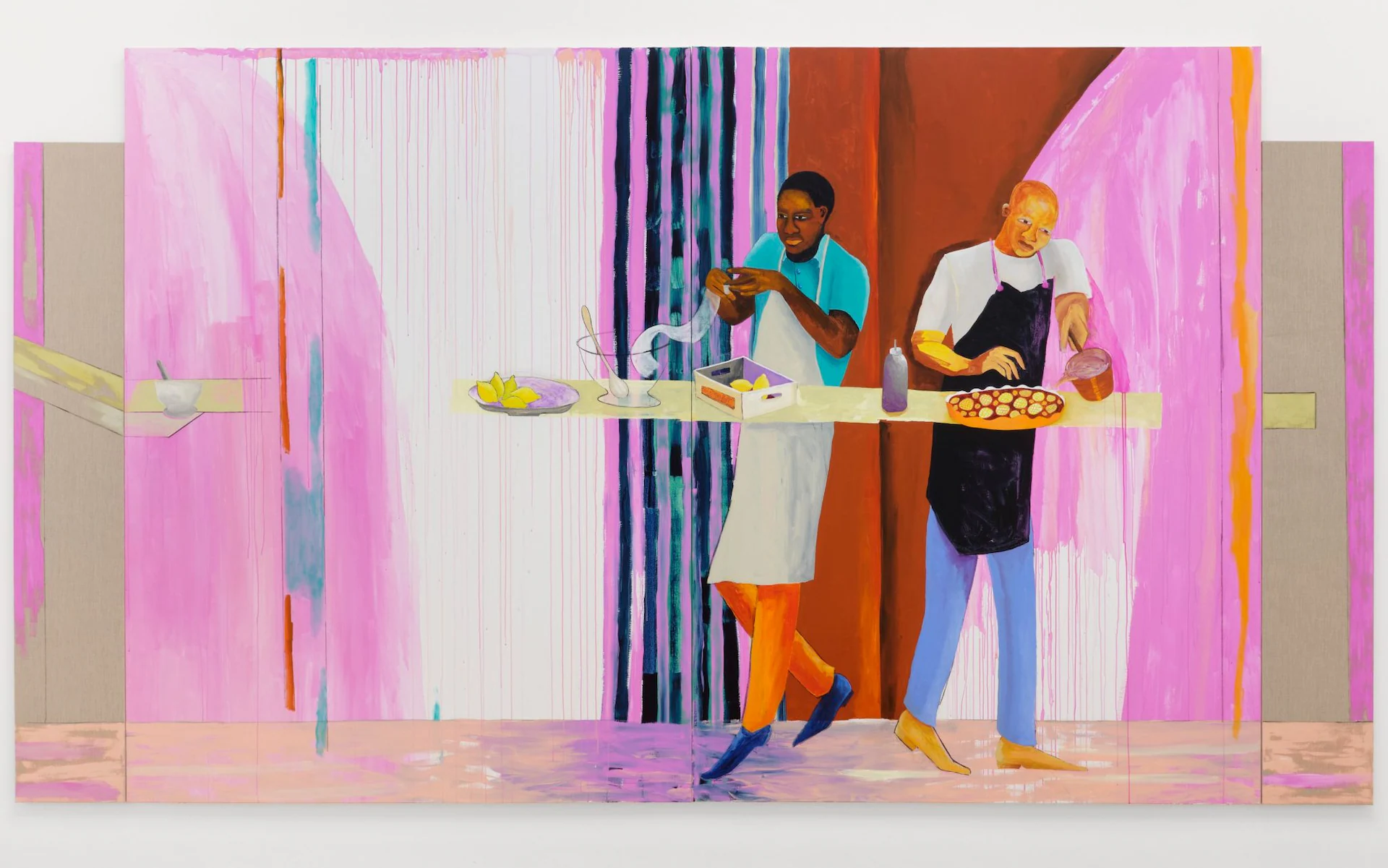
For UK audiences, there is another major reason to keep an eye on Venice this year, with Lubaina Himid representing Great Britain at the British Pavilion. A pioneering figure of the Black British Art Movement and Turner Prize winner, Himid has long used painting, installation, storytelling and historical research to question who gets written into history, and who is left outside the frame. Her pavilion presentation, Predicting History: Testing Translation, looks to ideas of belonging and translation, asking how spaces not built to welcome us might still be reimagined.
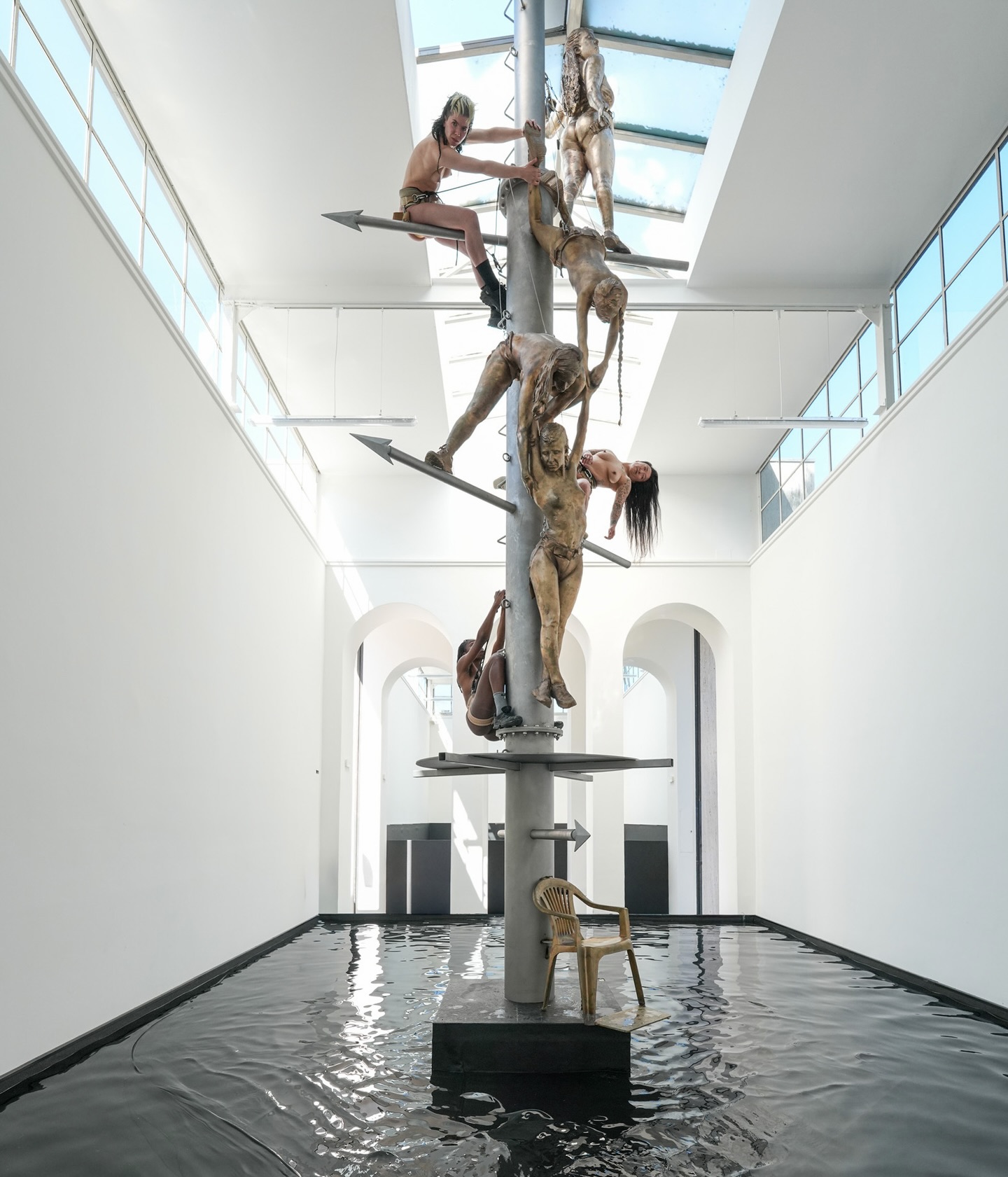
Florentina Holzinger’s Austrian Pavilion, SEAWORLD VENICE, is already setting the Biennale talking: a flooded, feverish installation that feels part underwater amusement park, part sewage plant, part sacred building. Known for pushing performance through choreography, theatre, stunt work and the exposed body, Holzinger uses water as both material and warning, bringing together rising tides, waste, purification and ecological collapse. In a city built on water and threatened by it, SEAWORLD VENICE forces visitors to imagine a dystopian vision of Venice shaped by climate anxiety.
Also high on the list is the India Pavilion, Geographies of Distance: remembering home, curated by Dr Amin Jaffer. The show responds to In Minor Keys through ideas of memory, migration and belonging. Bringing together five contemporary artists – Asim Waqif, Ranjani Shettar, Skarma Sonam Tashi, Alwar Balasubramaniam and Sumakshi Singh – the pavilion asks what home means when the places that shaped us are far away, altered or no longer exist. Through materials including clay, thread, natural fibres, bamboo and papier-mâché, the exhibition looks to home not as a fixed location, but as something remade through ritual, labour and remembering.
Beyond the national pavilions, Kiran Nadar Museum of Art presents Of Woman Born, a Collateral Event by Nalini Malani curated by Roobina Karode. Newly commissioned for the museum, the immersive animation chamber revisits the ancient myth of Orestes through a feminist lens, asking urgent questions about war, justice, memory and who is made to carry the violence of history. Projected directly onto the salt-crusted walls of the Magazzini del Sale, Malani’s moving images turn the building itself into witness, while her recurring figure of the Skipping Girl carries a fragile but persistent sense of hope and freedom through the work.
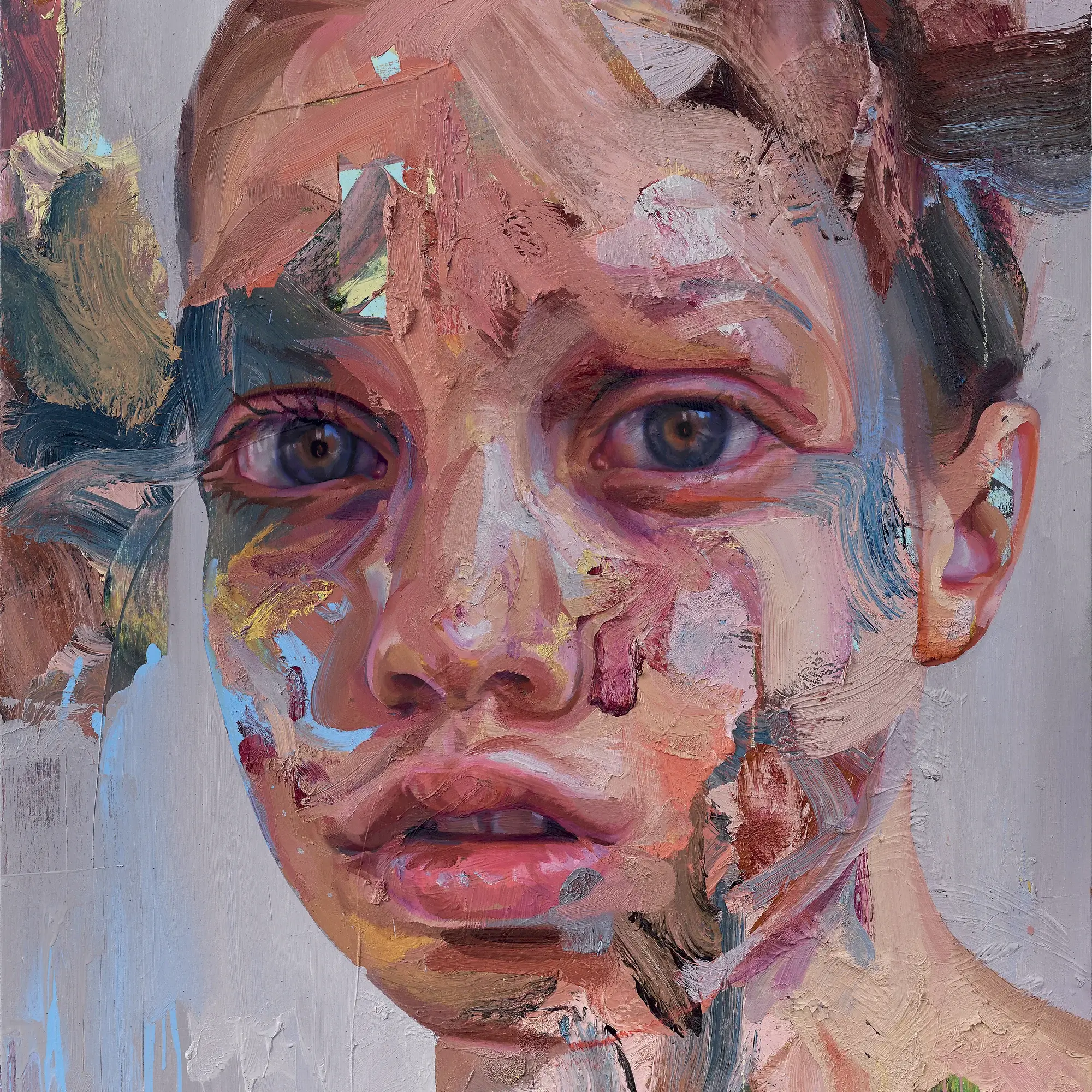
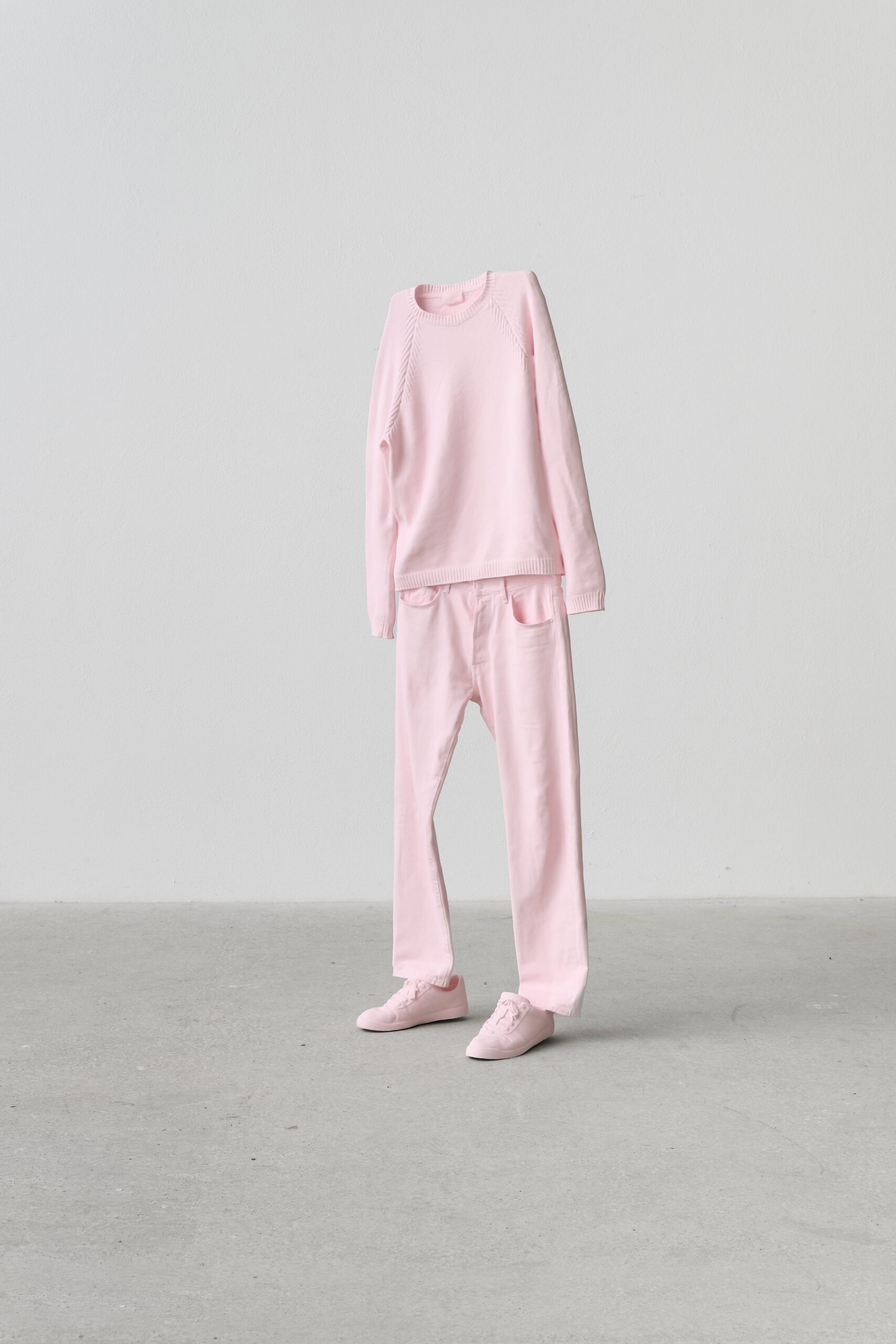
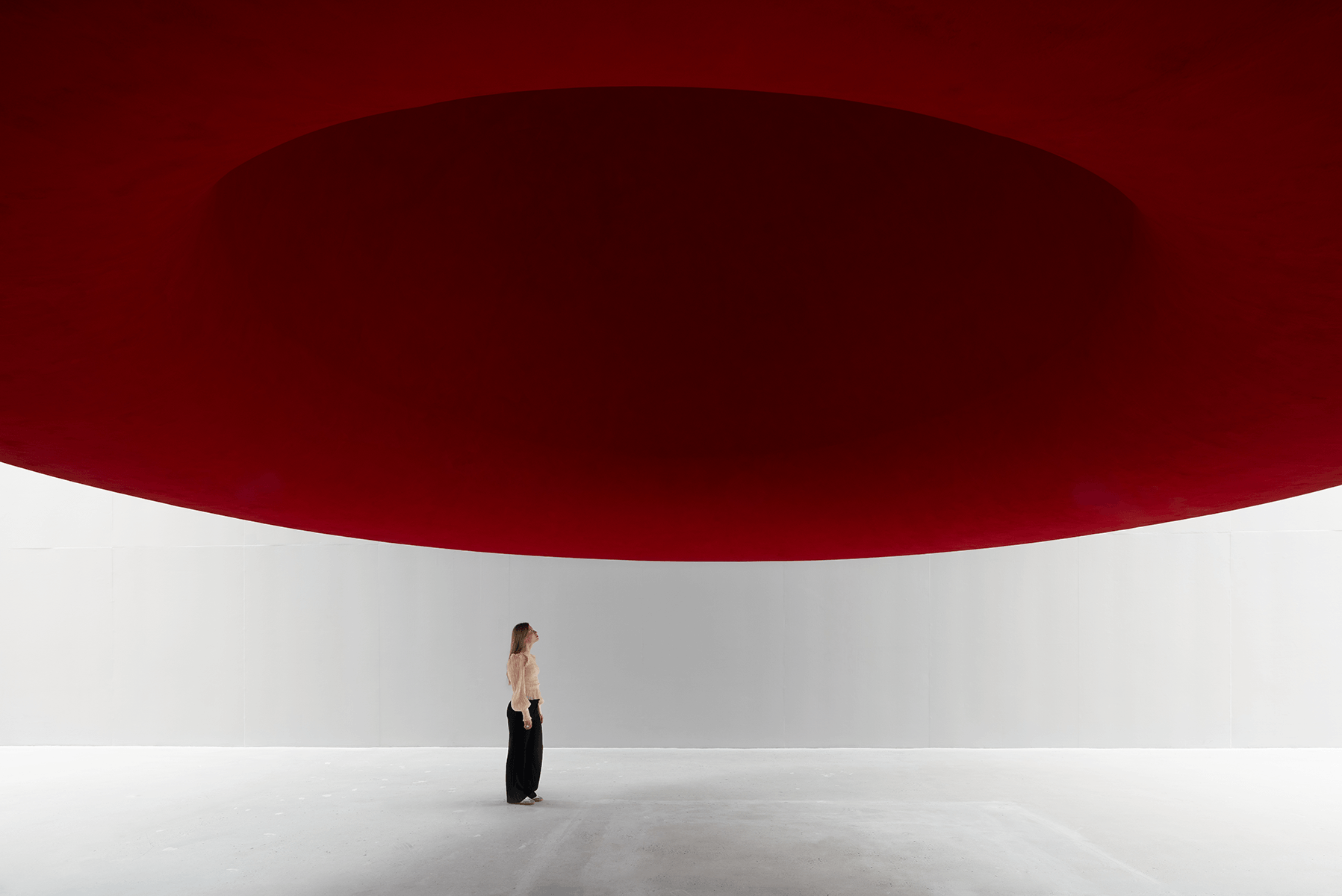
And while in Venice, be sure to make time for the wider constellation of shows unfolding across the city in tandem with the main exhibition. Off-site exhibitions and collateral projects bring major names into the mix, from Marina Abramović and Erwin Wurm to Anish Kapoor and Jenny Saville, turning Venice into an art-world map worth wandering through.
After a long day of exhibition-hopping, why not round off the trip with a prosecco and tomato at The Gritti Palace? Venice, after all, rewards those who linger.