The Wick Culture - Discover Huroshi Sugimoto

Discover Huroshi Sugimoto

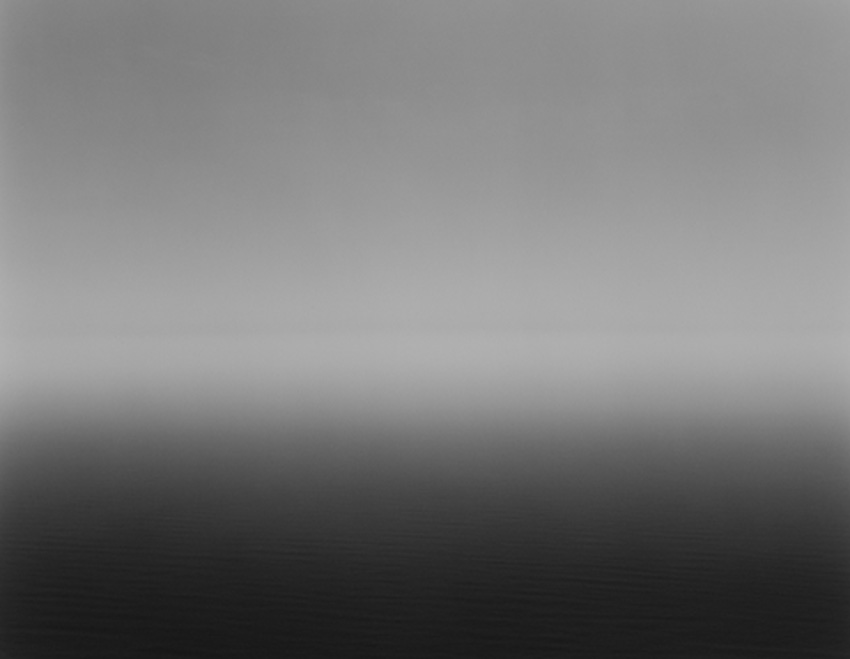
The Japanese photographer Hiroshi Sugimoto has dedicated much of his career to capturing earth’s most basic elements: water and air. ‘So very commonplace are these substances, they hardly attract attention,’ he says, ‘and yet they vouchsafe our very existence.’

He began his series of seascapes in 1980 and has since produced more than 200 black-and-white photographs of the horizon line where the sky meets the sea. In some, the landscape is rendered in exquisite detail; in others, including Ligurian Sea, Saviore, it’s rather blurred. They all, however, evoke a sense of timelessness. ‘Every time I view the sea, I feel a calming sense of security,’ says Sugimoto.
Share
The Wick Culture - Dream Henri Matisse

Dream Henri Matisse

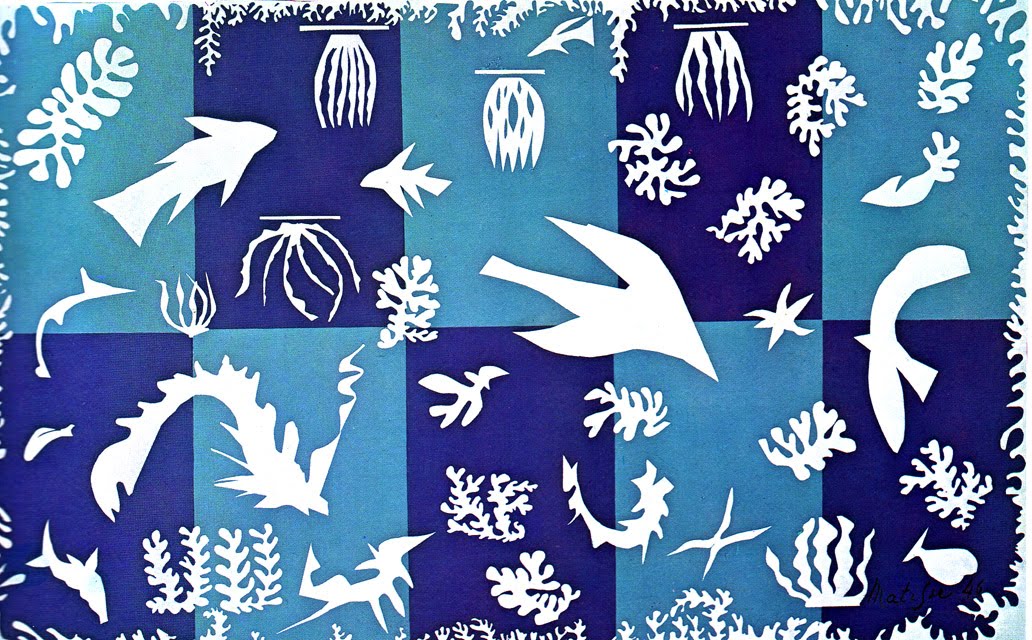
In the late 1940s, too weak to paint, Henri Matisse pioneered a new art form that came to be known as ‘cut-outs’. These consisted of painted sheets of paper, which he cut into various forms, and then arranged into joyous compositions.

Celebrated for his innovative approach to form, line and colour, Matisse described the process of making these works as both ‘cutting directly into colour’ and ‘drawing with scissors.’

The distinctive imagery of Polynesia, the Sea was likely inspired by the artist’s trip to Tahiti 15 years earlier. ‘It’s curious that all these enchantments of the sky and sea hardly inspired me right off,’ Matisse told Brassaï in 1946.
Share
The Wick Culture - Discover Yoan Capote

Discover Yoan Capote

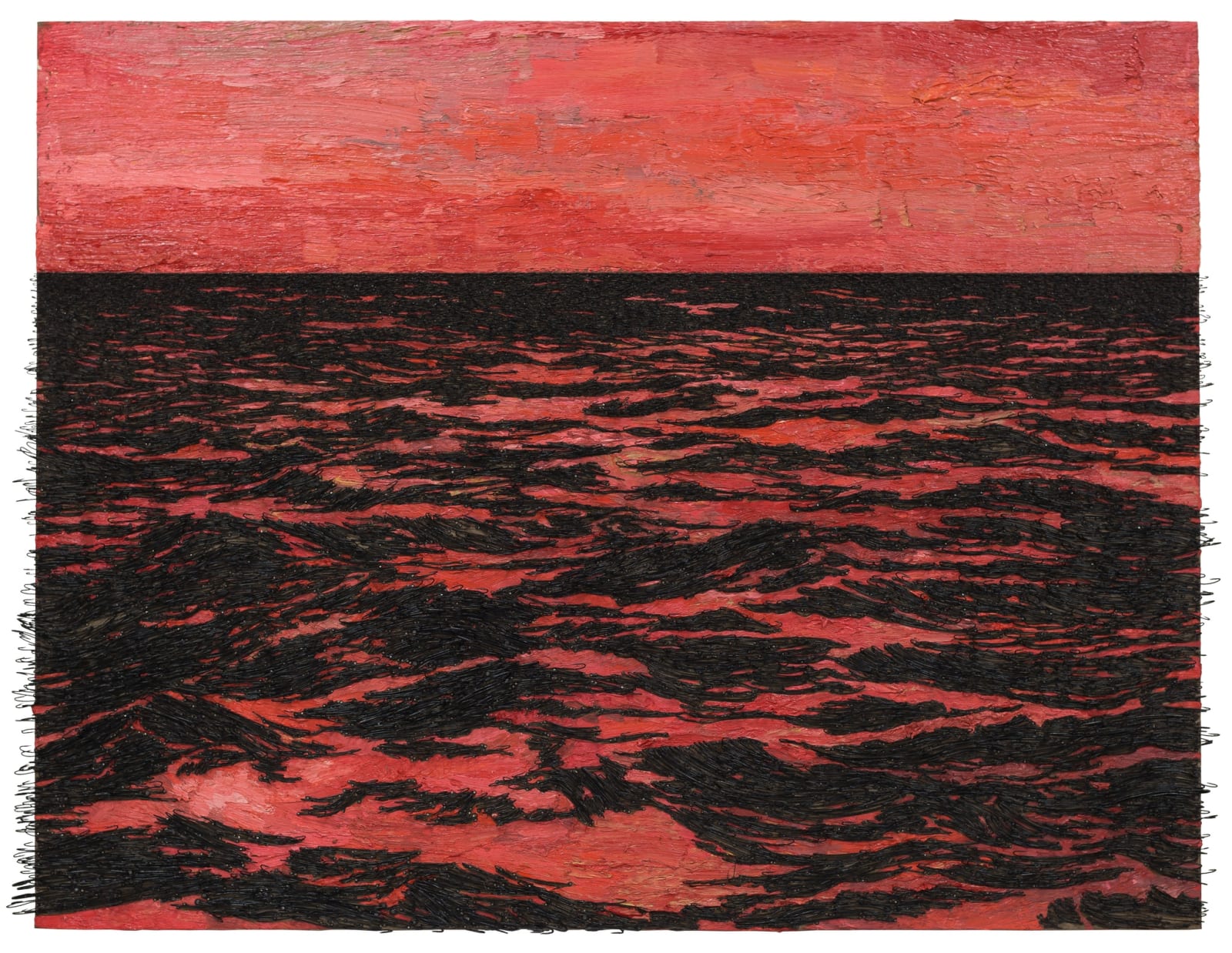
Yoan Capote’s fishhook paintings are as seductive as they are menacing. From afar they look like tranquil seascapes; from up close, they disorientate and threaten — just like the deadly waters around the Caribbean.

In Isla (Rojo), thick impasto creates a swirling, blood-red sky. Swelling beneath is a dark, stormy sea consisting of thousands of tiny fishhooks that pierce the canvas. For Cubans, the sea is both a symbol of hope and of death. Here, Capote explores that duality. ‘When I was a child, I looked to the horizon and would imagine the world beyond,’ he said. ‘The sea represents the seductiveness of these dreams, but at the same time danger and isolation.’
Share
The Wick Culture - JP1847

Dream Hokusai

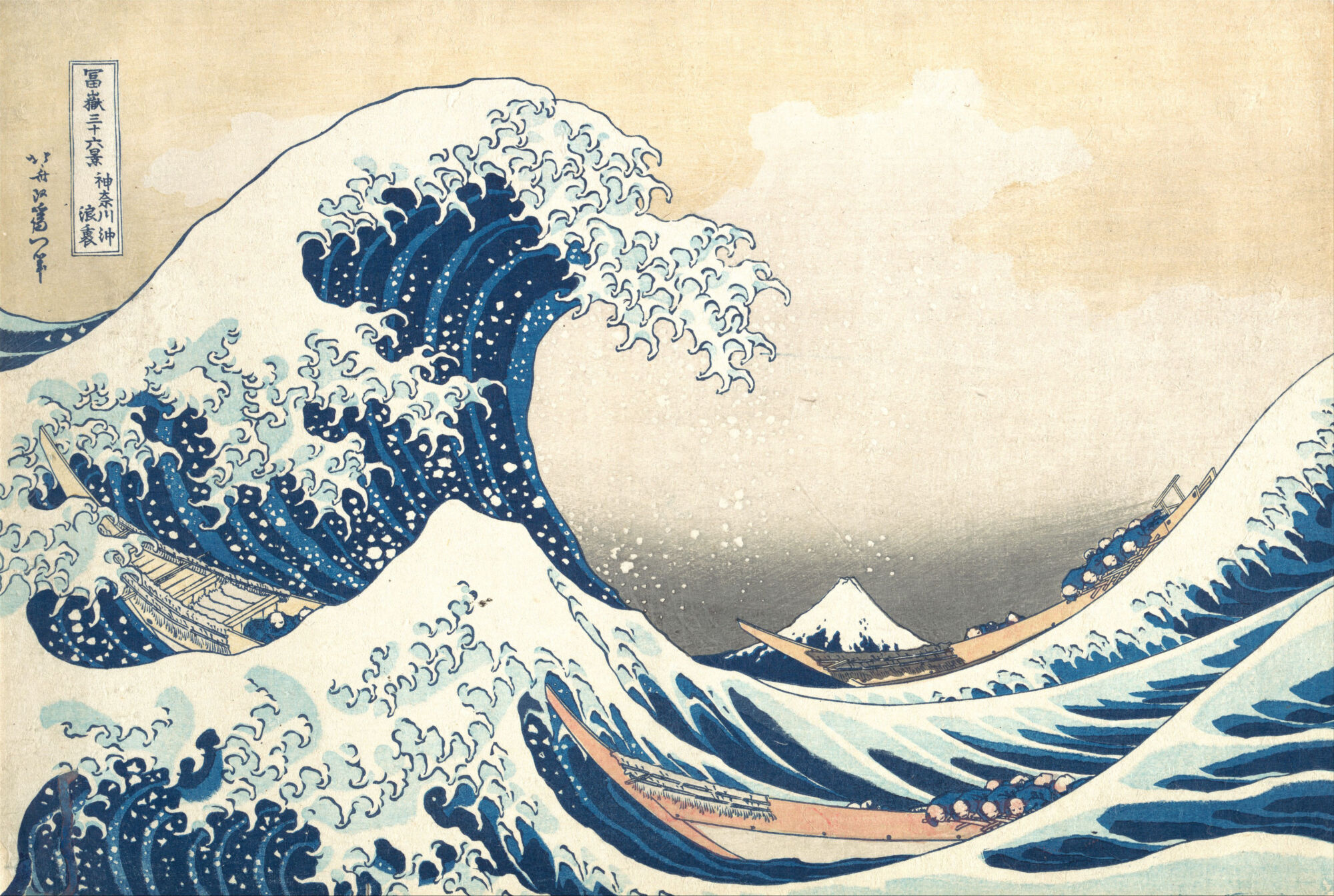
It’s hard to think of a more famous image than Hokusai’s The Great Wave. Since its introduction to Europe in the mid-19th century, it’s starred in blockbuster exhibitions, commanded million-dollar sums at auction and inspired artists from Van Gogh to Debussy. It even has its own emoji.

Despite such celebrity, it’s in fact quite a terrifying image. Battling for survival against a towering wave with claw-like crest are fishing boats heading away from Edo (Tokyo). For many, it’s the perfect representation of man within nature. Hokusai was in his 70s when he created this image, which would go on to make both his name and his fortune.
Share
The Wick Culture - Discover Emily Ponsonby

Discover Emily Ponsonby

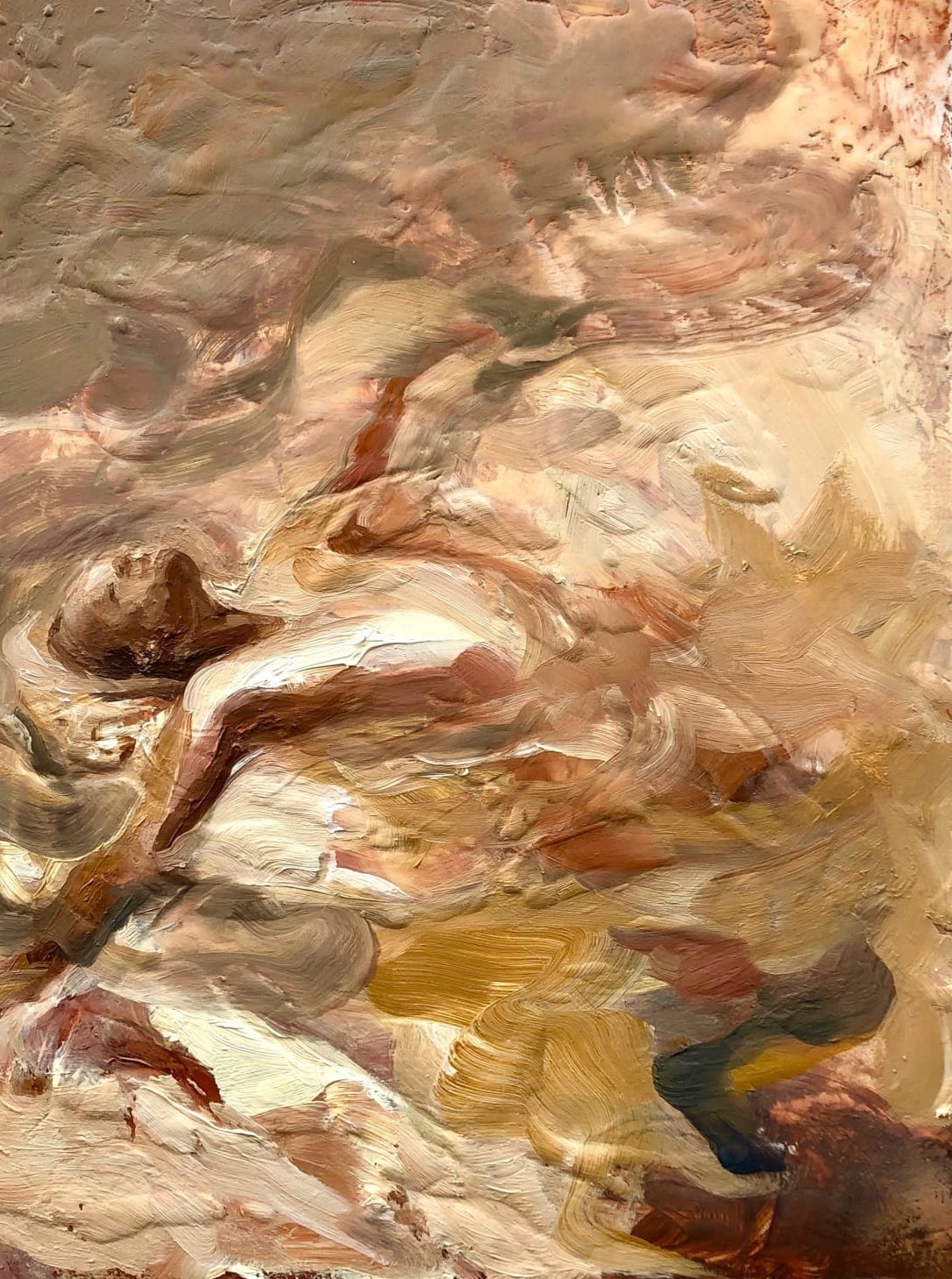
There’s something magnetic about this bathing beauty. Frolicking in shimmering, silky waters, she seems not to have a care in the world. Sunlight kisses her dancing body; the water ripples in her wake. Revelling in her most natural state, she is at one with her surroundings. The sense of freedom is palpable.

In her most recent body of work, the figurative painter Emily Ponsonby explores the meditative effects of water — notably the sense of physical and mental weightlessness when submerged in it whilst swimming. Her thick brushstrokes give the surface of the painting a textural quality, evoking the fluid movement of the water.
Share
The Wick Culture - Ini Archibong, Pavillion of the African Diaspora

Discover Ini Archibong

Created for the 2021 London Design Biennale, Ini Archibong’s Pavilion of the African Diaspora celebrates the contributions and creativity of the Black community around the world.

The pavilion, designed to be ‘Afrofuturistic, Afro current and Afro past’, comprises three sculptural forms: The Shell, which is inspired by the mythology of conches and cowries; The Wave, which nods to the Biennale’s theme of Resonance; and The Sail, which serves as a visual reminder of ancestral and onward journeys.

‘Anchored in history, the pavilion aims to serve as a space to tell our stories and to envision a future where our voices are recognised and respected,’ explains Archibong.
Share
The Wick Culture - Discover Frank Stella, Hiraqla Variation II, 1968

Discover Frank Stella, Hiraqla Variation II, 1968

The late 1960s marked a creative turning point for Frank Stella. The controlled minimalism of his early works (evident in his brooding, rectilinear Black Paintings) gave way to bold, rainbow palettes and sculpted surfaces. He also experimented with canvas shape and began to incorporate curvilinear elements into his compositions.

His celebrated Protractor series (1967-71), of which Hiraqla Variation II forms part, features multi-coloured arcs arranged to resemble the full and half circles of a protractor. The curved forms are inspired by the rounded, vibrant patterns traditionally found in Islamic art, while the titles draw on the names of ancient circular cities in Asia Minor.
Share
The Wick Culture - There Are None So Blind, 2018

Discover Oliver Jeffers

Most widely known for his children’s illustrations, there is a disarming quality to Oliver Jeffers’ art. His graphic worlds filled with colour and imagination have adorned picture books worldwide. The result, when confronted with his paintings of political and socio-geographical narratives, is to really sit up and take notice.

There Are None So Blind (2018) reflects Jeffers’ concerns about the changing natural environment. Combining beauty and disaster – a starry sunset against the rising of the ocean – the scene pokes fun at our human propensity towards disaster. It’s through the subtle approach of his critique that the artist hopes to turn the tide.
Share
The Wick Culture - Agnes Martin, Untitled #1, 2003

Discover Agnes Martin

Agnes Martin suffered from debilitating psychosis: she had visions and heard voices and was hospitalised repeatedly. In 1967 she fled New York, resurfacing around 18 months later on a remote mesa in New Mexico.

But these turbulent personal experiences did not directly shape her quiet, structured compositions. Rather she strived to capture the intangible essence of being — beauty, happiness, innocence, joy.

Painted just one year before her death, Untitled #1 2003 features two opaque triangles that evoke mountainous forms. ‘Nature is like parting a curtain, you go into it,’ she said. ‘I want to draw that quality of response from people, an experience of simple joy.’
Share