The Wick Culture - Virginia Damtsa The Wick Culture - Virginia Damtsa
Monday Muse

Interview: Town Hall Director of Visual Art & Curator Virginia Damtsa

Interview
Virginia Damtsa
27 October 2025
Interview
Virginia Damtsa
27 October 2025
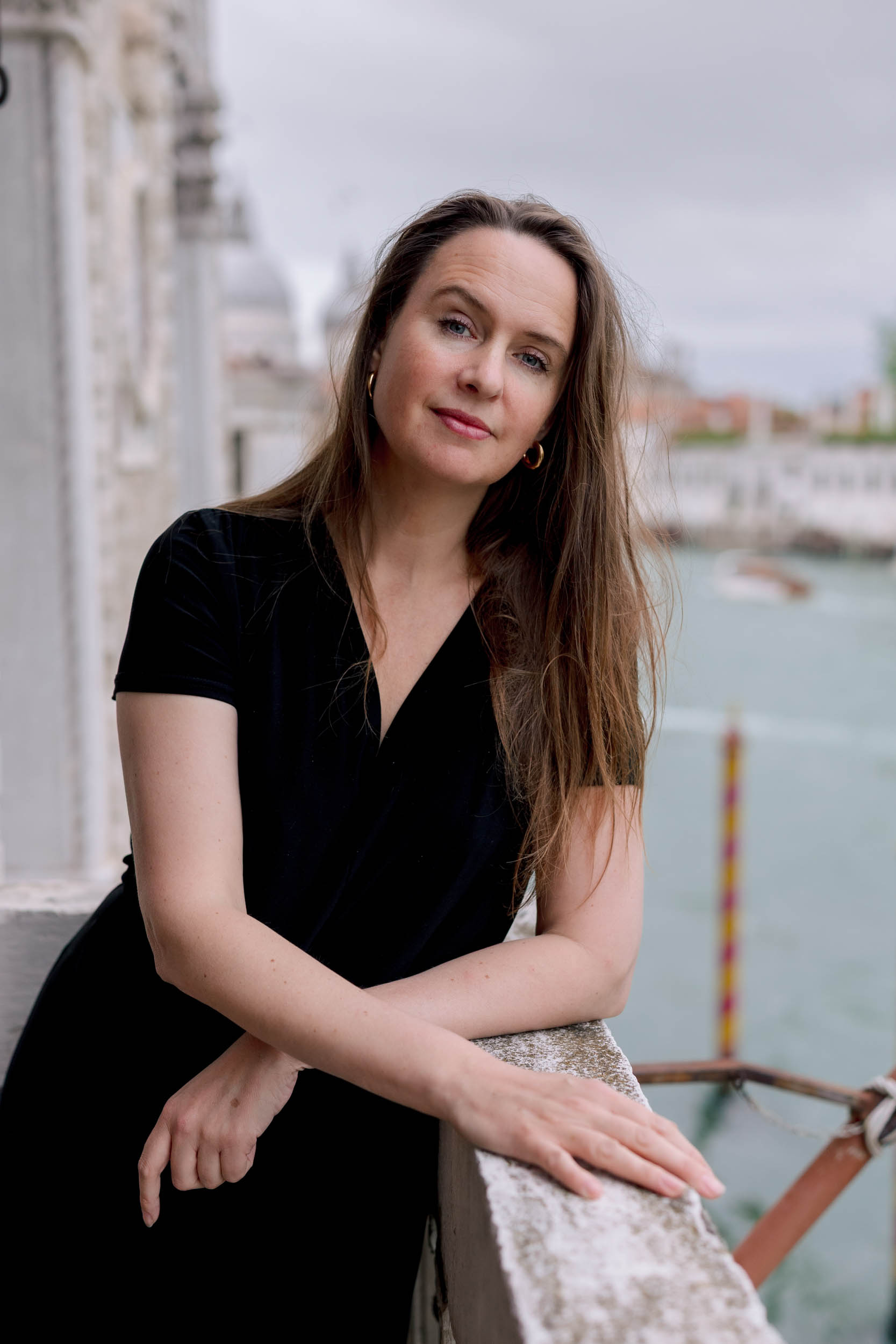
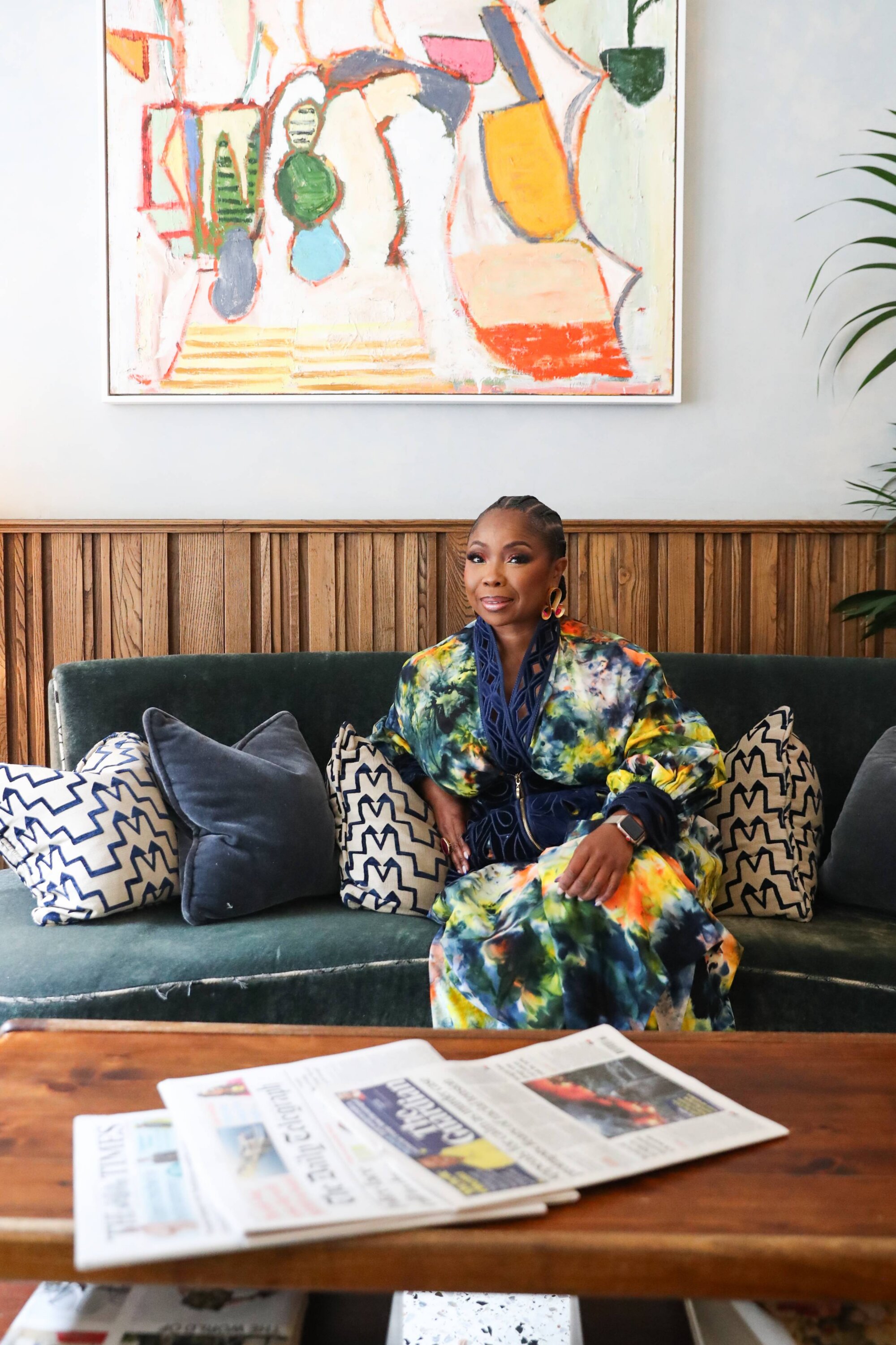
Virginia Damtsa’s career in the art world began at 16, when she assisted her uncle with the opening of the Museum of Alekos K. Damtsa, in The Art Centre Giorgio de Chirico, Rome. It sparked a lifelong passion for the arts. Damsta went on to gain Masters degrees in Art Management at the University of the Arts and Contemporary Art at Sotheby’s. She even converted her apartment into a gallery showcasing emerging artists. Later she co-founded Riflemaker Gallery, and has worked on exhibitions with leading artists including Conrad Shawcross, Chris Levine, Judy Chicago, Yoko Ono, Gavin Turk and Michael Craig-Martin. With her wealth of experience in the arts – now spanning nearly three decades – Damtsa is an internationally respected art dealer, curator and cultural strategist. She was recently appointed Director of Visual Art and Curator at Town Hall, King’s Cross, an exciting new cultural hub housed in a historic London landmark. The Wick caught up with Damtsa after a busy Frieze Week that saw crowds flocking to Town Hall to see a Prada Mode installation by artists Elmgreen and Dragset.

THE WICK:   What does a typical Monday morning look like for you?

Virginia Damtsa:   Who truly likes Monday mornings? I used to be a prima ballerina with Opéra National de Paris, so discipline is in my DNA. My Mondays still begin early — at 6 a.m. — with a quick ballet-inspired routine to centre my mind and body. Then I hit the road for a full day of studio visits, artist meetings, strategic planning for upcoming shows, and taking collectors to discover new works. It’s a rhythm that keeps me grounded yet constantly inspired.

TW:   You were recently appointed Director of Visual Art & Curator at the Town Hall in King’s Cross, host to the hugely successful Prada Mode installation in collaboration with artists Elmgreen & Dragset. How was this project to work on, and how do you feel about the response it received?

VD:   The response was extraordinary. It brought something new and unexpected to London — a beautiful collision of fashion, art, performance, and conversation. People are craving deeper, more immersive experiences, and Prada’s collaboration with Elmgreen & Dragset and Town Hall offered just that. My role at Town Hall is to create through art, spaces where boundaries dissolve — where a philosopher like Alain de Botton can engage with an artist, or where a charity like The Circle founded by Annie Lennox can collaborate on an exhibition about women’s rights. Town Hall isn’t just a venue; it’s where art merges with life, and where ideas can ignite real change and be born.

TW:   Town Hall merges the worlds of art, design, fashion, performance, and technology, acting as a gallery, salon, stage, community centre, and soon a Society. What is your vision for the programme, and what can visitors expect?

VD:   Exactly — Town Hall is not a traditional institution. It’s an ecosystem where art, design, fashion, technology, business, and society intersect. My vision is to bring art to life, sparking unexpected collaborations, cultural dialogues, and a genuine sense of community around creativity. For example, we are hosting Mirror Mirror, published by Thames & Hudson and written by curator Michael Petry, bringing together 150 artists from Jeff Koons to Cindy Sherman to exchange ideas and inspire one another. Too often the art world feels divided, and I hope Town Hall can serve as a space for unified, cross-disciplinary conversations.

TW:   Town Hall’s inaugural exhibition is Her Stories Untold, celebrates women’s voices across generations and disciplines. You have long been an advocate for women in the arts: why is this exhibition important now?

VD:   I want to celebrate women’s resilience — not just as artists but as leaders, innovators, and storytellers. So many incredible companies are led by women, yet we don’t celebrate ourselves nearly enough. This exhibition brings together women from different fields — artists, entrepreneurs, change-makers — to share their stories. The leading work is a portrait of activist and writer Malala Yousafzai by Jonathan Yeo. Town Hall is a forum for free expression, and in some parts of the world, girls and women are still denied access to education. That reality makes this exhibition especially powerful and timely.

“Town Hall isn’t just a venue; it’s where art merges with life, and where ideas can ignite real change and be born.”

TW:   From pioneering Riflemaker Gallery in the 2000s to working as an independent advisor and curator, you have worked in various roles in the art world. What has been your proudest achievement to date?

VD:   After Riflemaker Gallery, I had the privilege of collaborating with musician Peter Gabriel on his album i/o, which reached number one in the UK, working alongside extraordinary artists such as Ai Weiwei, Cornelia Parker, Nick Cave, and Olafur Eliasson. Seeing their work come alive on stage during his concerts gave me goosebumps — it was art and music breathing in unison.
There have been many other proud moments: introducing Judy Chicago to Nicola Serota and Hans Ulrich Obrist, which led to exhibitions; placing Penelope Slinger’s photo-collages with Tate Modern; collaborating with Yoko Ono; presenting Stories of the Manhattan Atomic Project at Photo London ahead of the Oppenheimer film release; Grace Jones & Chris Levine exhibition at VinylFactory, and curating London’s first AI and painting exhibition. These are just a few of the milestones I hold close to my heart.

TW:   You’re originally from Athens — which Greek artists have shaped your practice?

VD:   Yes, I was born in Athens, raised in Paris and now British too — a cultural hybrid. One of my earliest memories is collaborating with Maria Papadimitriou, Greece’s representative at the Venice Biennale, and Martin Kippenberger during their collaboration on a Greek island — a truly magical meeting of minds. I also worked with Takis when I was just 16. He was brilliant — and very strict. Athens is a fantastic city for artists to find inspiration.

TW:   Which fashion designer is your favourite to wear to art events?

VD:   I love to mix styles and brands. For me, fashion is about originality, not labels — I like to create unexpected combinations that tell a story.

TW:   Who is your ultimate Monday Muse?

VD:   I have many. My muses are the visionaries who create fearlessly — from artists and dancers to philosophers, entrepreneurs and activists, especially my artists and female friends.


Share story
READ MORE
The Wick Culture - Interview: Town Hall Director of Visual Art & Curator Virginia Damtsa
Monday Muse

Interview “The Architect I Would Most Love to Work With Is Nature”: Lonneke Gordijn on Dandelions, Drones and DRIFT

The Wick Culture - Interview: Town Hall Director of Visual Art & Curator Virginia Damtsa
Monday Muse

Interview “The Most Powerful Work Often Already Exists”: Sabine Senn on Prix Pictet and the Power of Photography

The Wick Culture - Nicoletta Fiorucci, 2026. Photo by Maxim Dosca Courtesy of My Art Guides, Lightbox (2026)
Monday Muse

Interview “Fall in Love with the Work You Want to Acquire”: Nicoletta Fiorucci on Artists and the Art of Patronage

The Wick Culture - Interview: Town Hall Director of Visual Art & Curator Virginia Damtsa
Monday Muse

Interview “Art Had to Be a Part of a Well-Lived Life”: Phyllis Kao on Sotheby's, Auctioneering and Asian Art

The Wick Culture - Eva Omaghomi. Photo: Ernest Simons
Monday Muse

Interview “Africa Has Always Produced Luxury”: Eva Omaghomi on Putting African Fashion Front and Centre

The Wick Culture - Photo © Anne Tetzlaff
Monday Muse

Interview “If an Artist Can Imagine It, We Can Try and Make It Happen”: Marie McPartlin on Ten Years of Somerset House Studios