Spotlight Anuk Rocha creates patchwork portraits from fleeting feelings
WATCH
WATCH
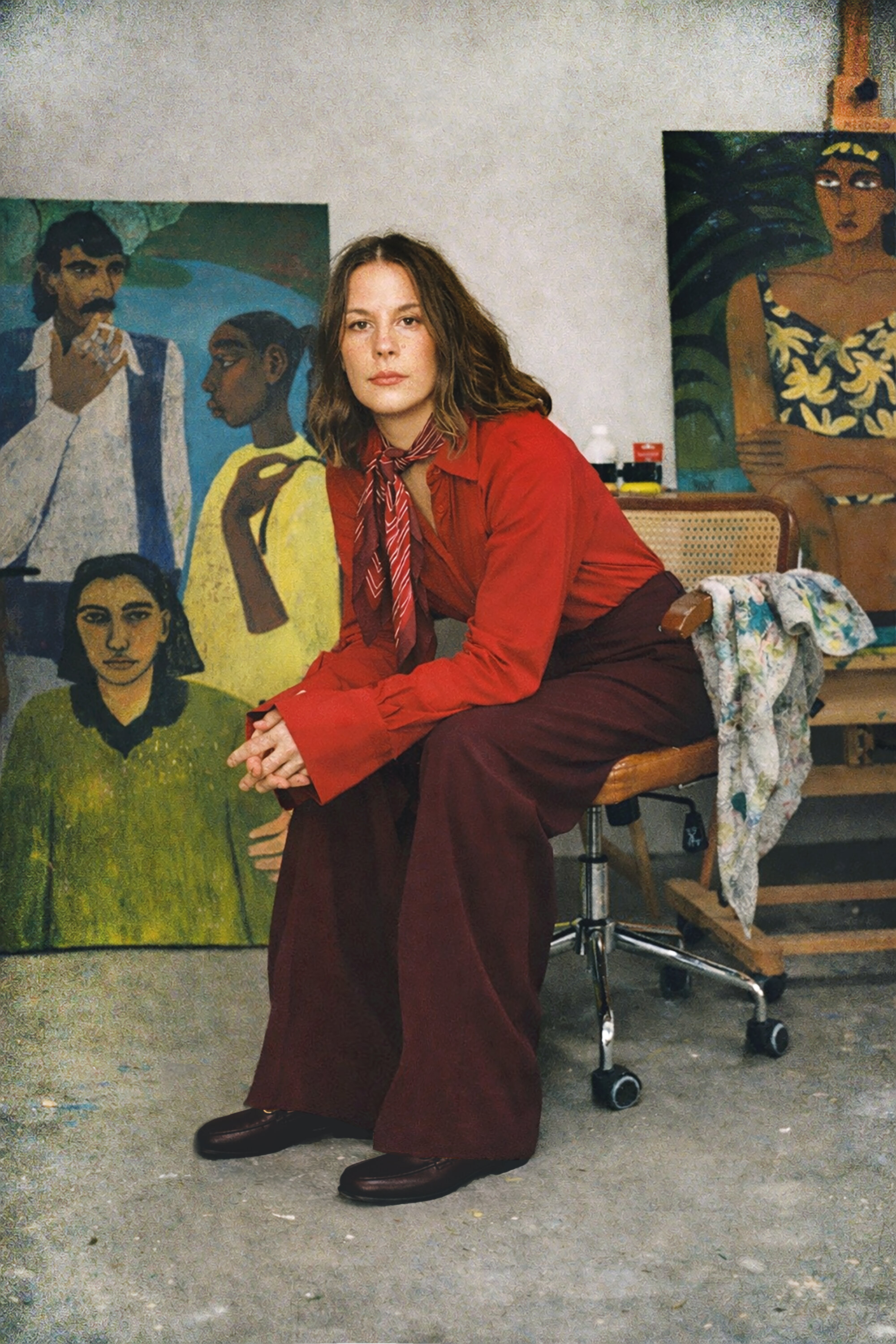
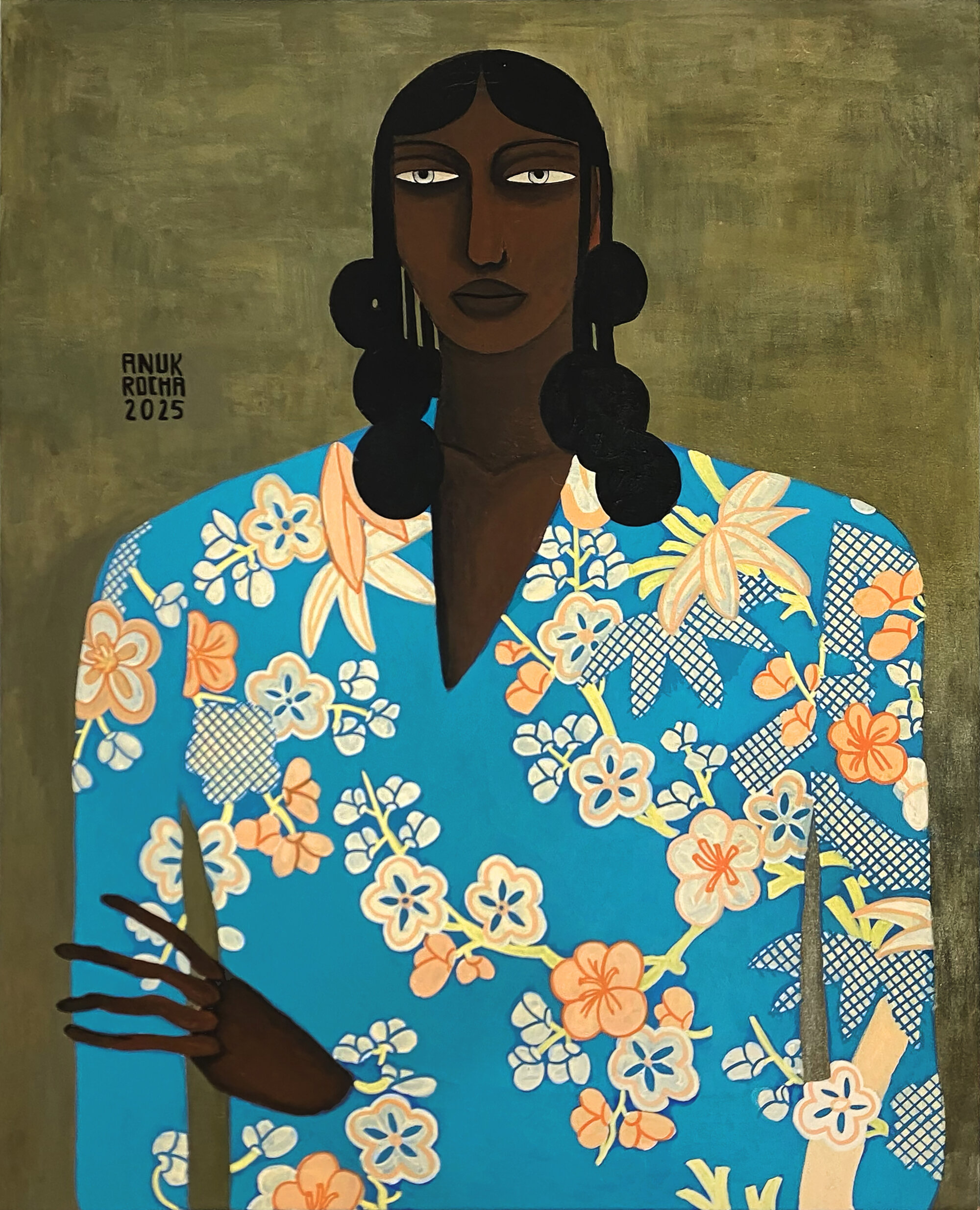
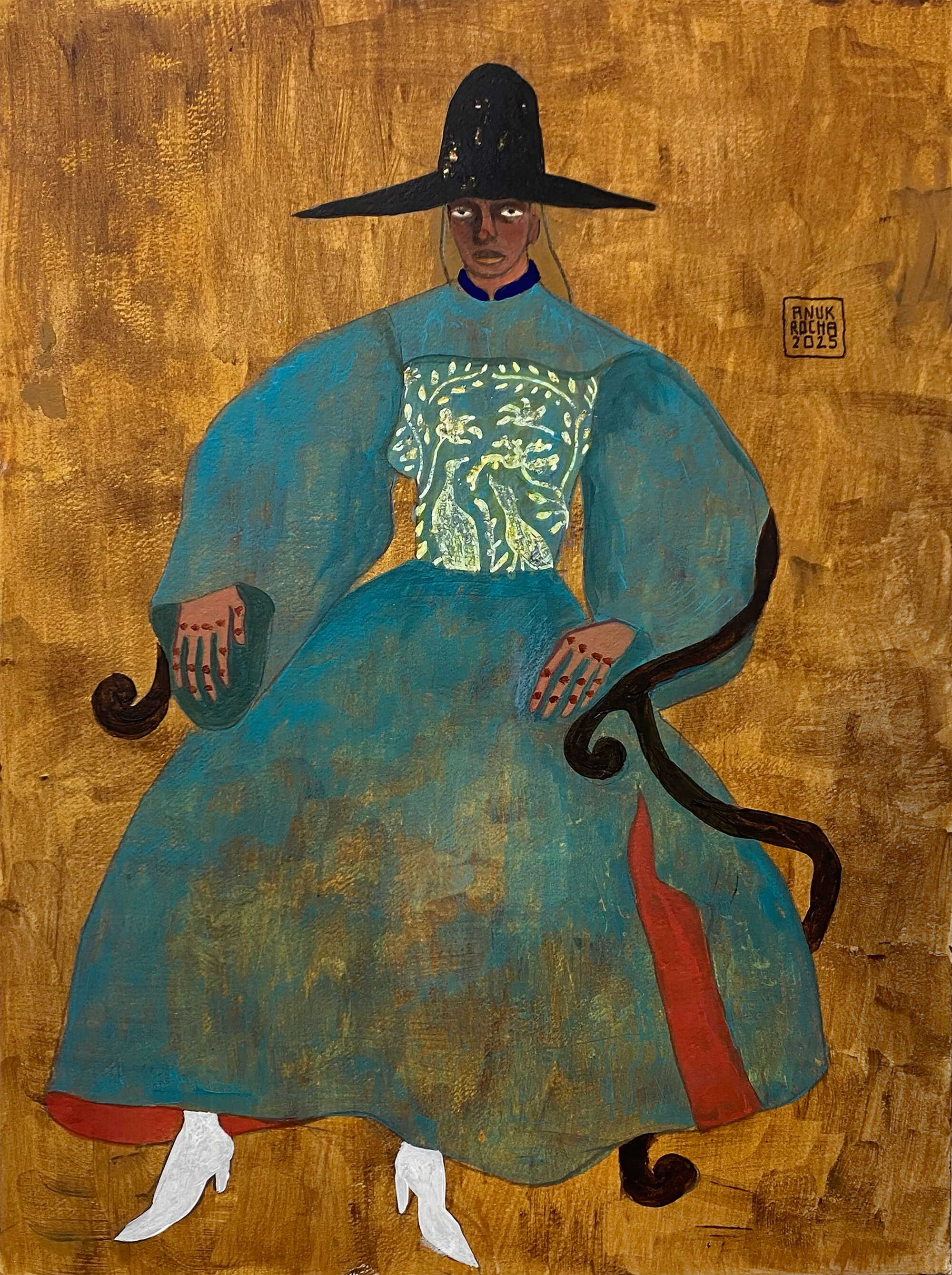
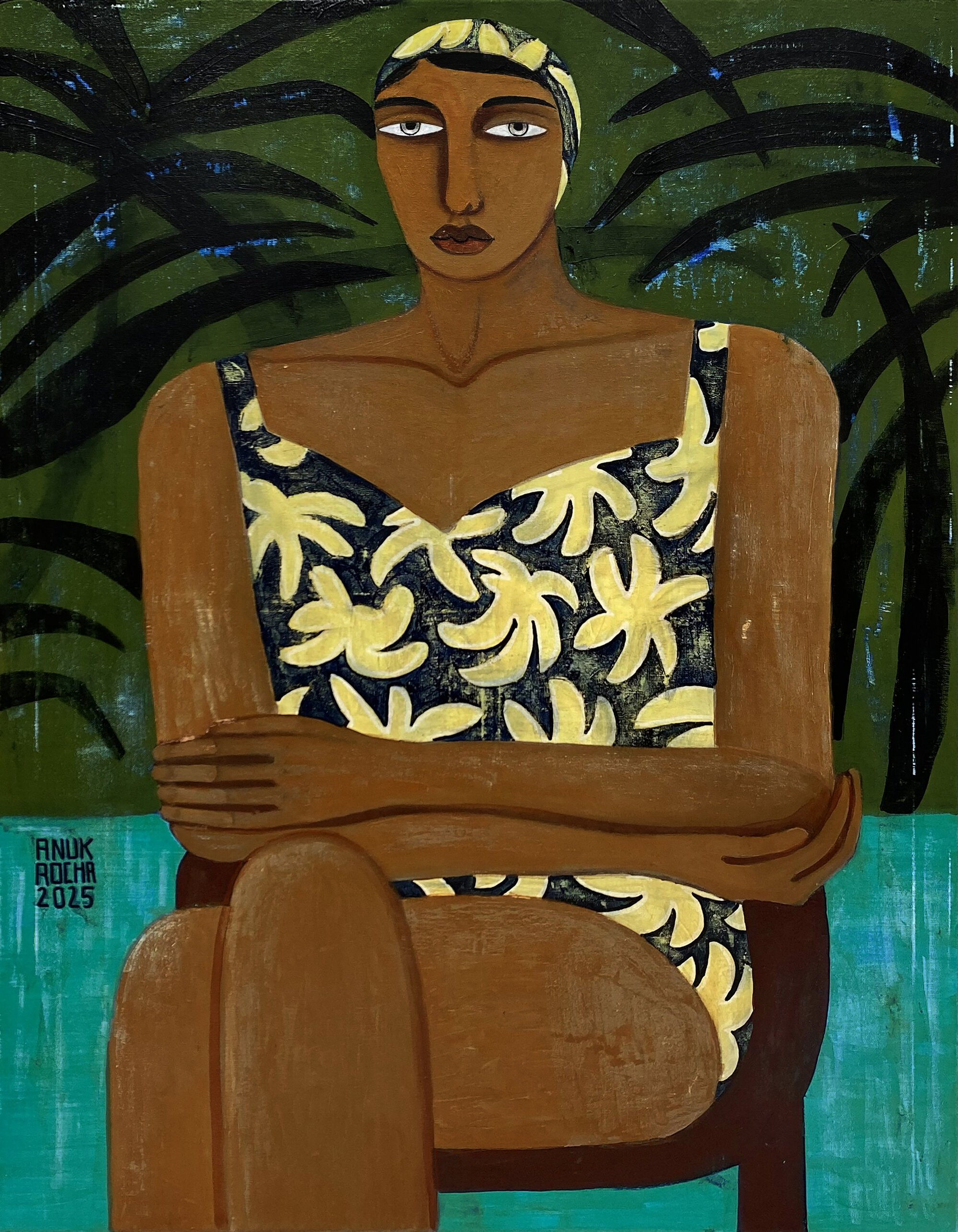
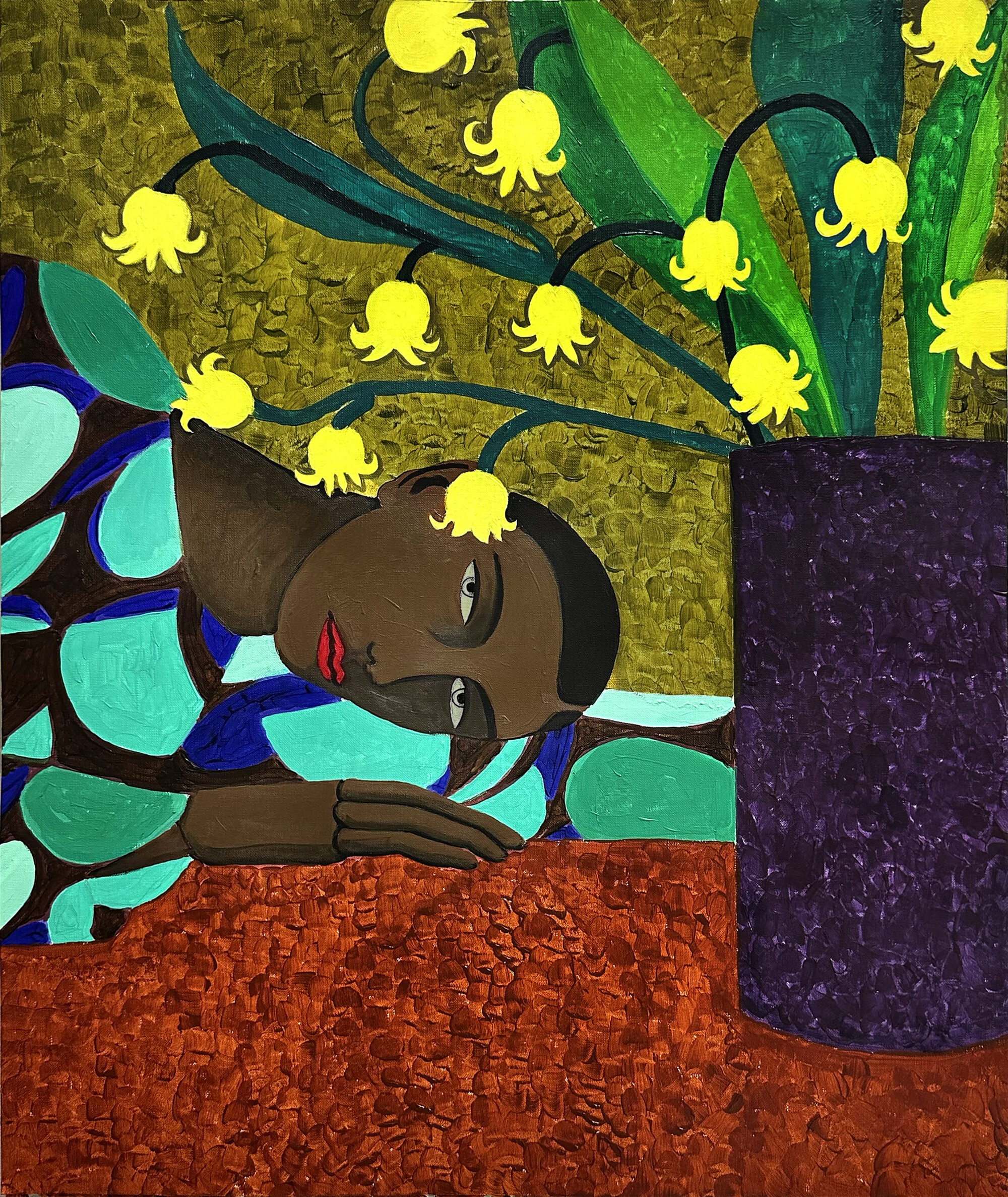
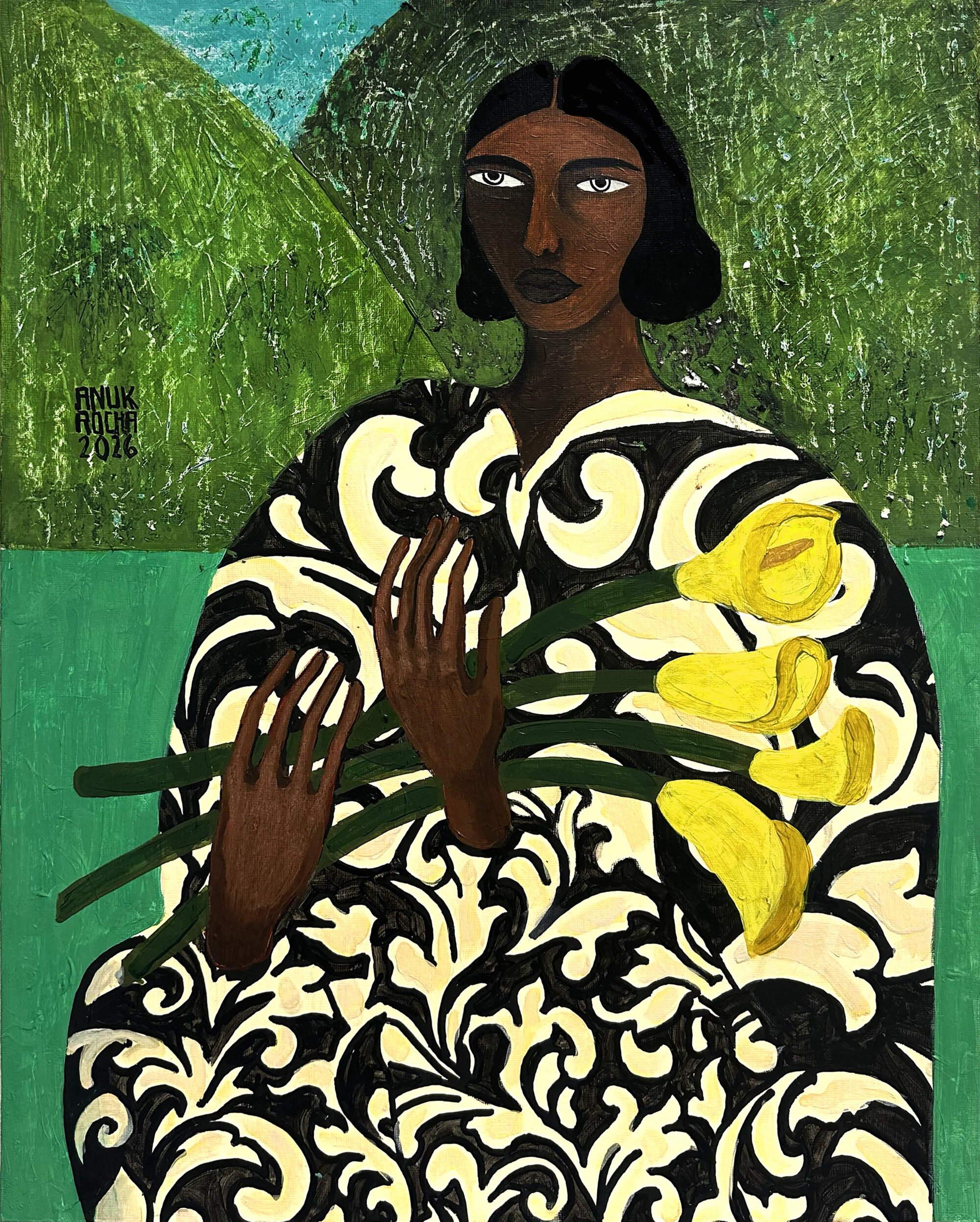
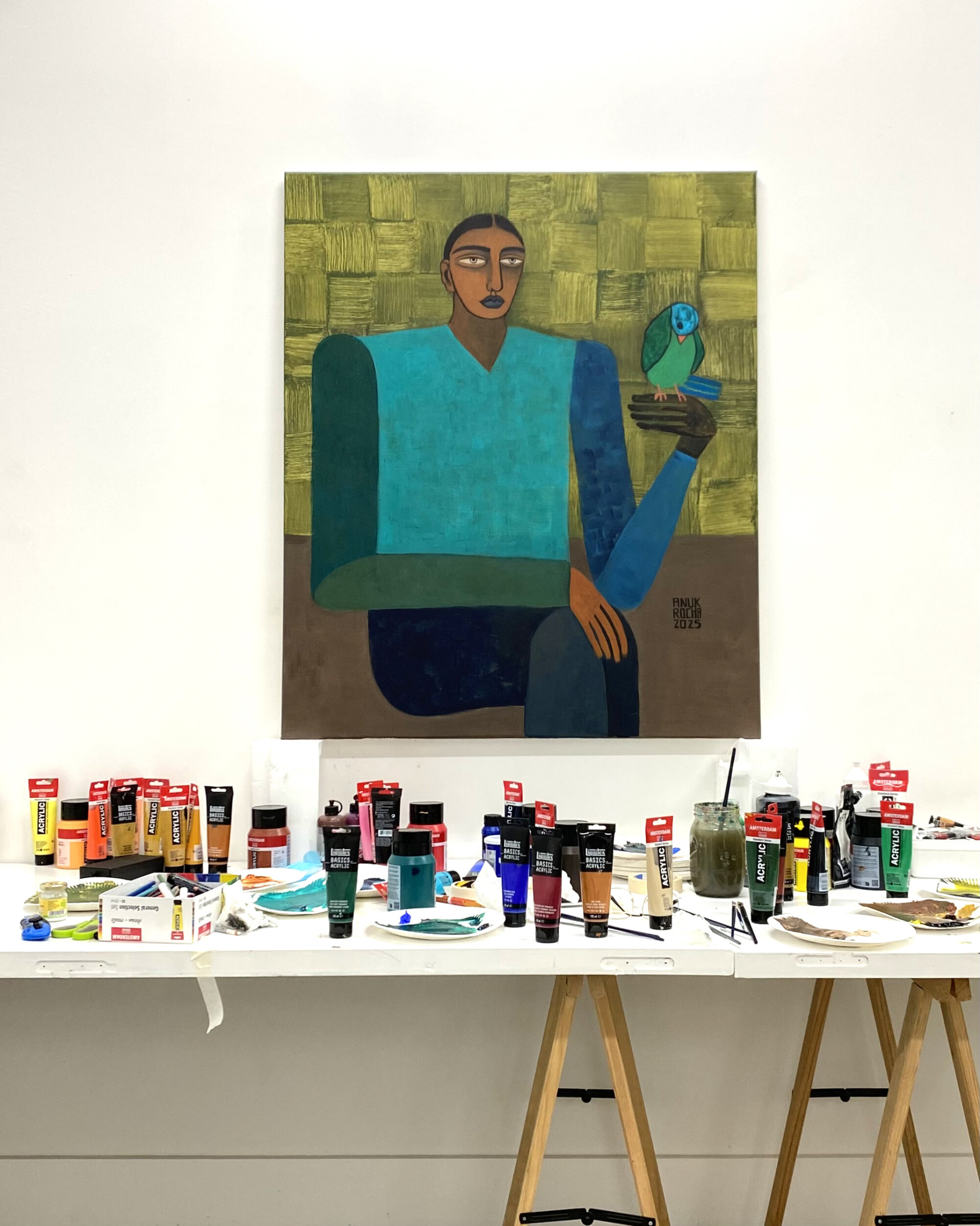
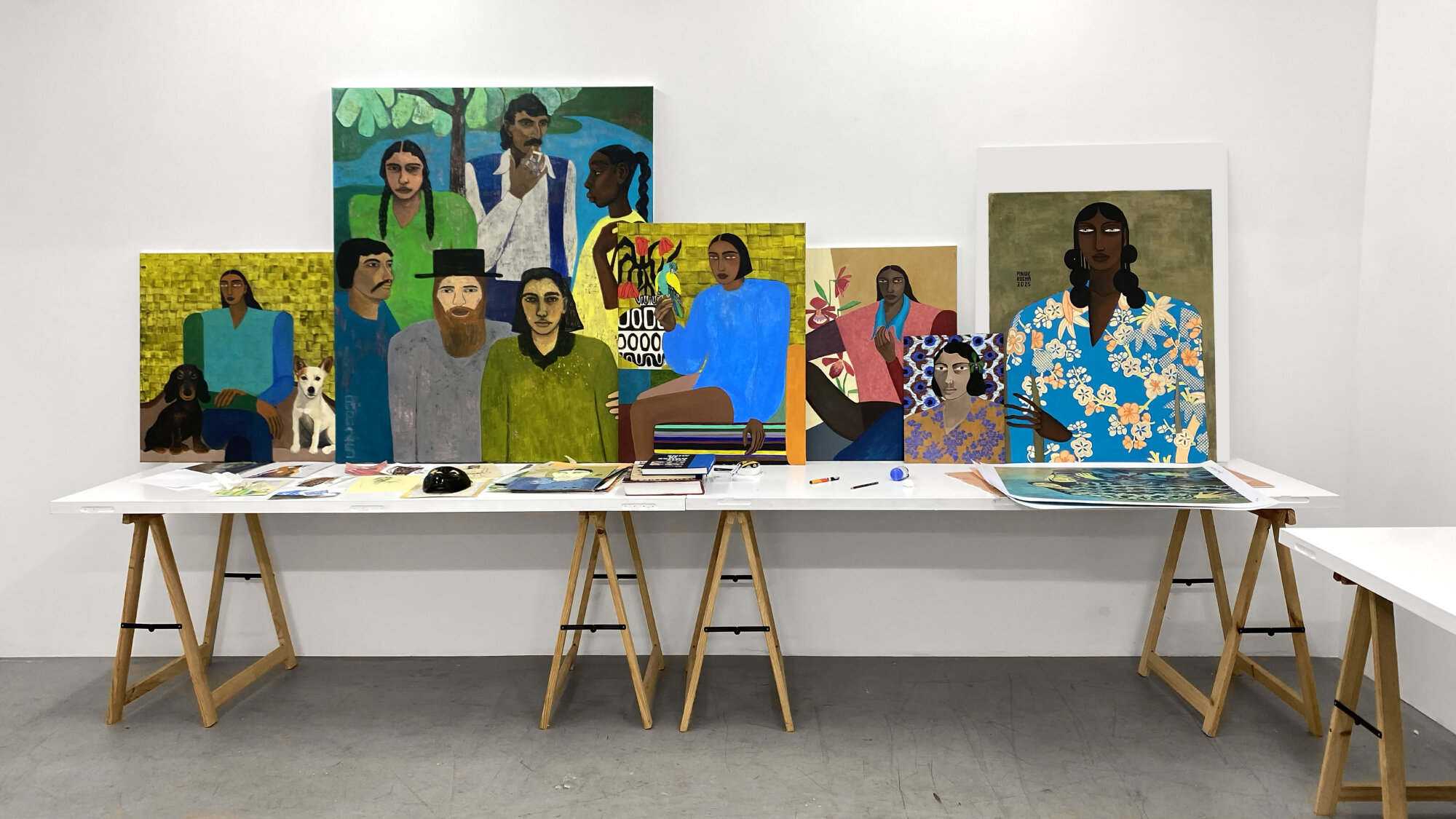
Rocha’s paintings are often described as patchwork portraits, composite figures assembled from memory rather than direct observation. Faces become containers for feeling rather than fixed identities, while textiles and patterning carry their own symbolic weight. Some motifs are clear, others fade into suggestion.
The artist’s sensitivity to surface and structure is not incidental. Before turning fully to painting, Rocha studied fashion design in Paris and worked for Maison Martin Margiela and Damir Doma. Despite her career change, fashion has not entirely disappeared from Rocha’s work. It lingers in the way she handles silhouette, rhythm and fabric, and in the care with which clothing is used to signal character and atmosphere.
More recently, Rocha has found herself returning to the visual language of the 1920s to 1940s. She speaks of an almost instinctive familiarity with that period, and it now filters into her treatment of portraiture, gesture, attire and hairstyling. It suits a practice already attuned to the slippery nature of selfhood and memory.
“Her work creates a space where beauty and vulnerability coexist, without forcing a narrative, yet leaving a lasting impression.”
This slow reveal is part of what makes the work so persuasive. Van de Velde describes the decision to collaborate on The Wunderwall as something that “came very naturally,” saying it felt like “the right moment to bring her work into our context, one that values intuition, but also gives space for deeper engagement over time.” She adds that, the longer she works as a gallerist, the more she values “this kind of mutual recognition,” where “a shared enthusiasm between artist and gallery often forms the foundation for a meaningful and lasting collaboration.”
Rocha’s own measure of achievement is similarly grounded. Rather than naming a single exhibition or award, she points to the fact of sustaining herself through art, and to the way painting has transformed her life “not only materially, but on a deeply personal and existential level.” It is an answer entirely in keeping with the work itself, subtle and thoughtful; and profound in what it contains.
Rocha is currently showing as part of The Wunderwall Enlarged, a group exhibition at Gallery Sofie Van de Velde. As her practice continues to unfold, her portraits remain open and searching. They are less interested in pinning a person down than in staying with the complexity of what a person might hold.
About the champion
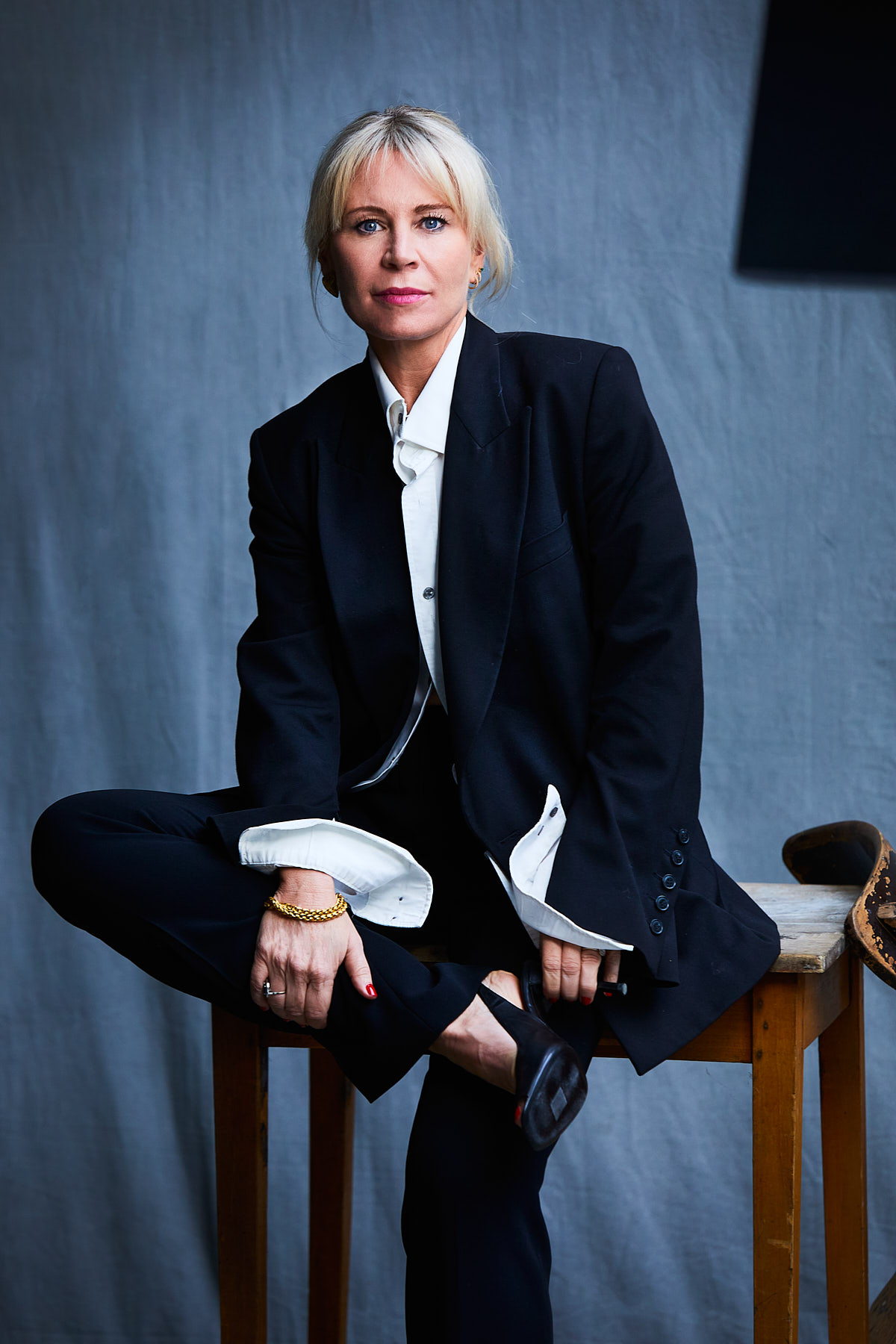
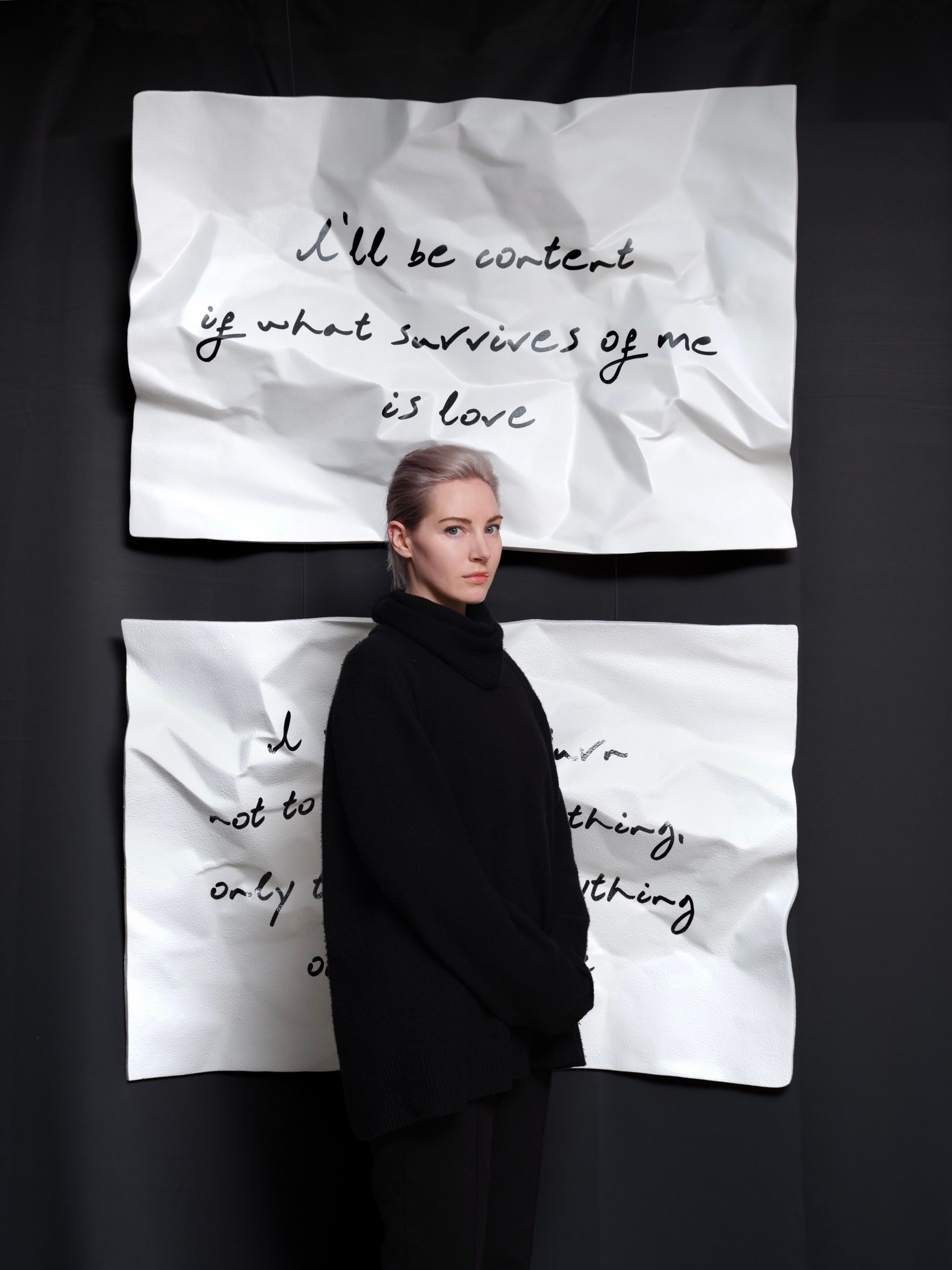
Sofie Van de Velde (Antwerp, 1971) is a Belgian gallerist and founder of Gallery Sofie Van de Velde. With a background in social work and education, she brings a people-centered and long-term approach to the art world.
After seventeen years in the social sector, she transitioned into the arts in 2010 and established her gallery in 2013. The gallery is known for its strong commitment to supporting artists through sustainable development and international positioning, while fostering dialogue between contemporary practices and historical contexts.
Van de Velde is President of the Belgian Association of Modern and Contemporary Art Galleries (BUP) and Vice-President of FEAGA. She is also widely recognised for making art accessible to broader audiences through media and public engagement.