Spotlight Federica Belli Gives Paper a Point of View
WATCH
WATCH
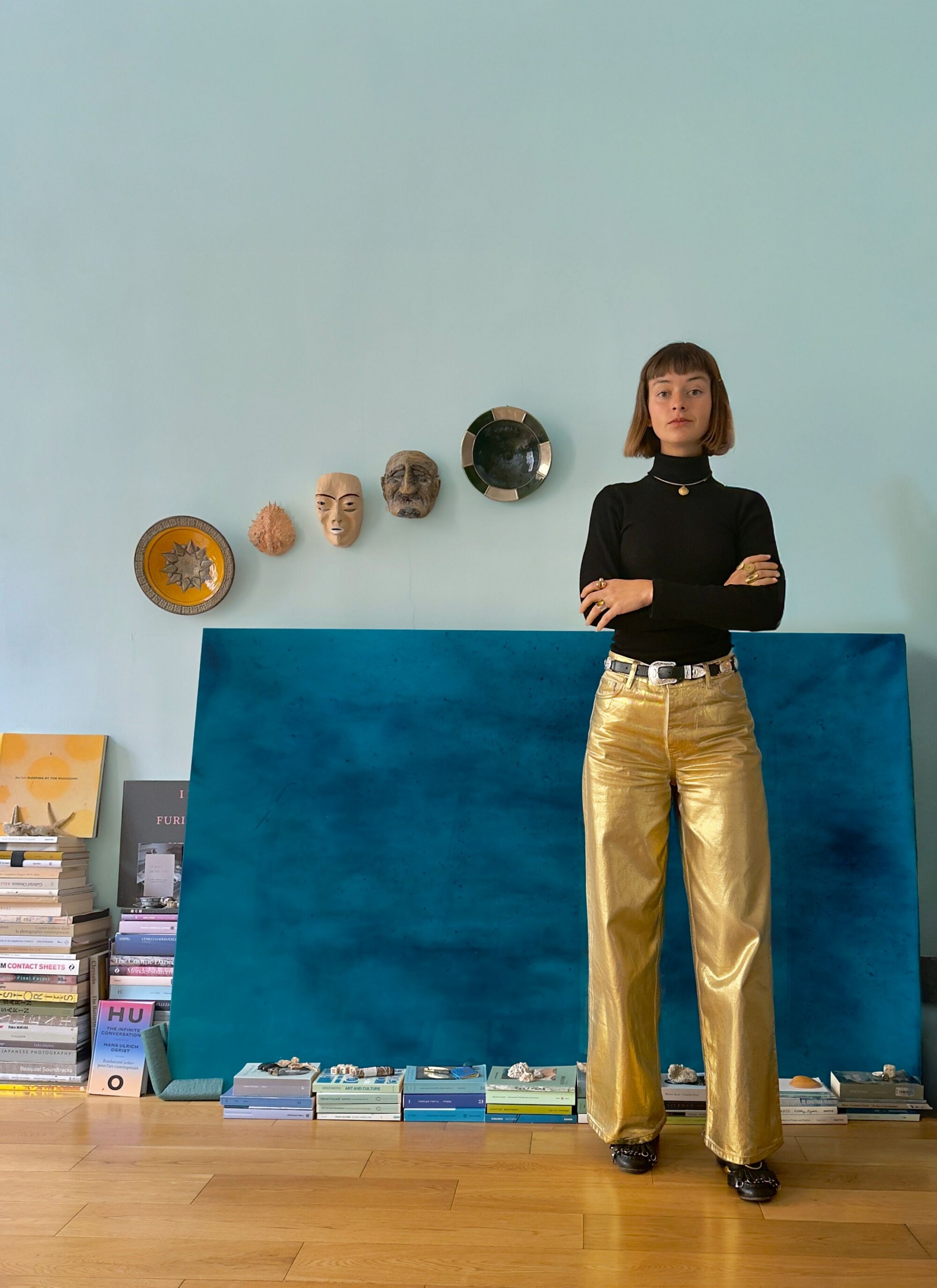
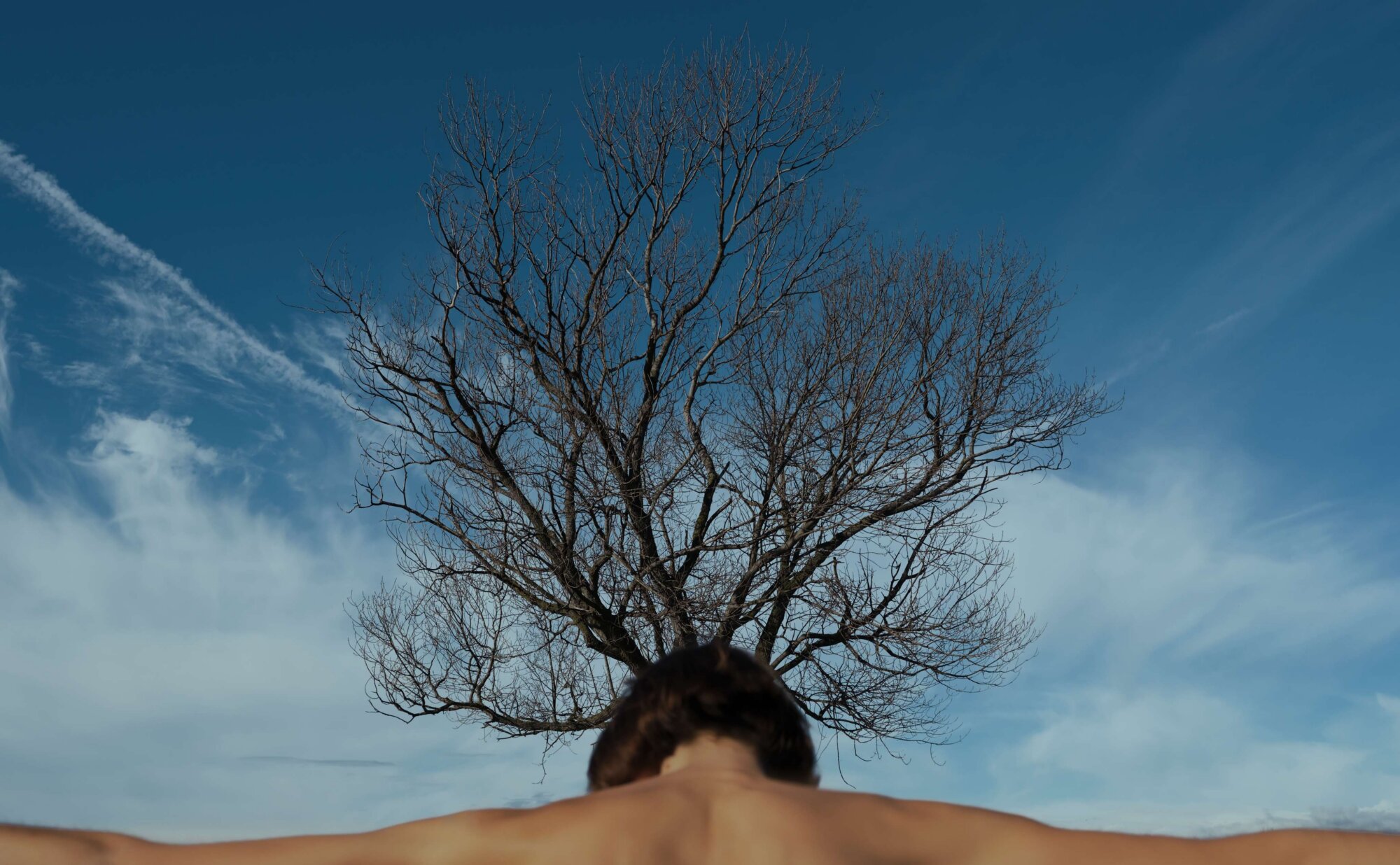
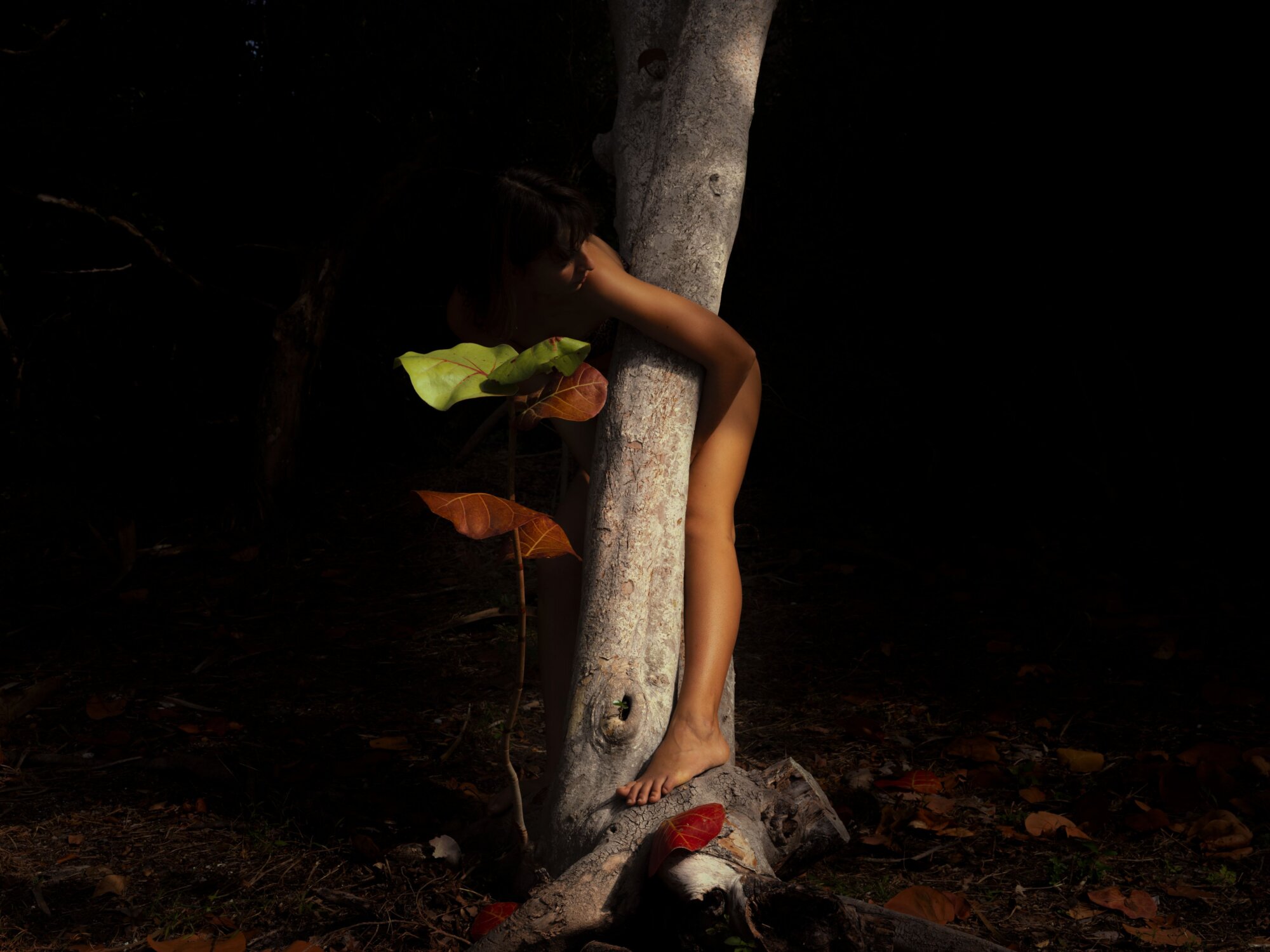
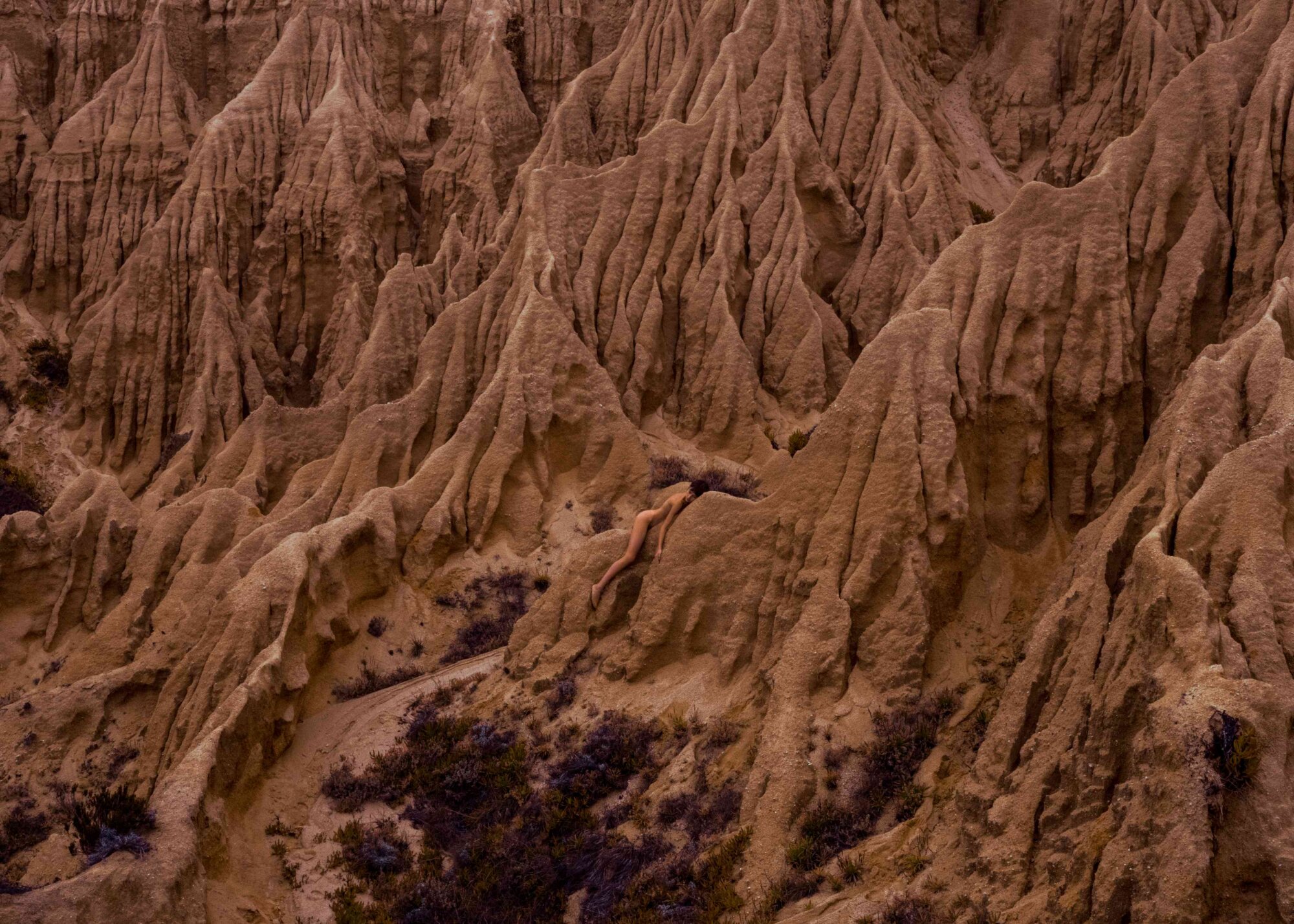
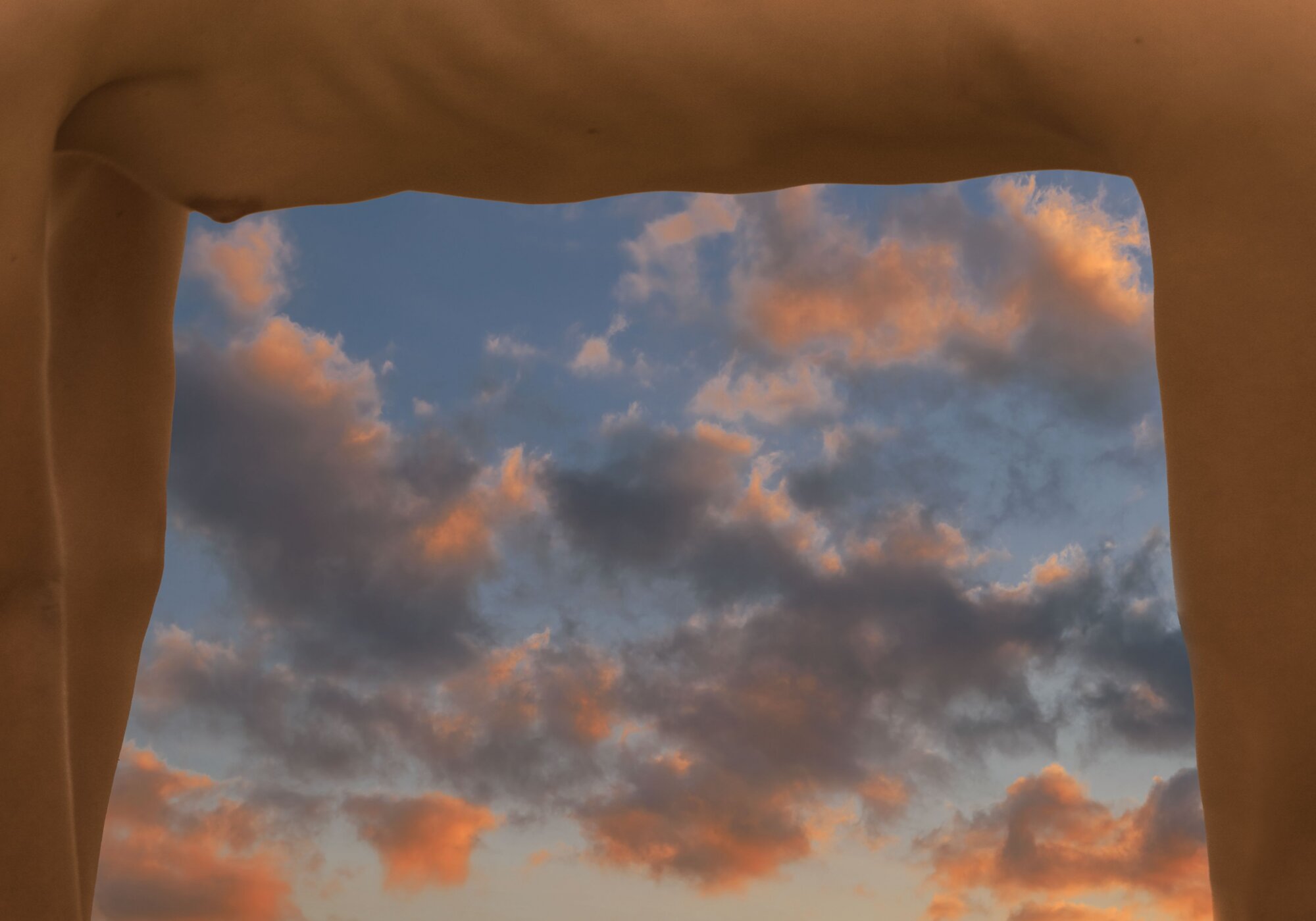
For Belli, inspiration is “almost never directly visual” but “mostly intellectual and moral.” Her influences are wide, ranging from fractals, physics and the proportions common to living beings to 20th-century literature, Stoic philosophy and the biographies of artists and intellectuals whose lives align with their work. She names Louise Bourgeois, Hildegard Von Bingen, Glissant, Bataille, Didi-Hubermann, Emanuele Coccia and her first mentor, Oliviero Toscani, among the figures who have shaped her thinking. The work, she says, is “a visual translation of the idea of humanity” that she is slowly building through life, informed by “an embodied, almost pantheistic empathy” and by the courage of accepting herself as “only a tiny part of a single big consciousness that animates our reality.”
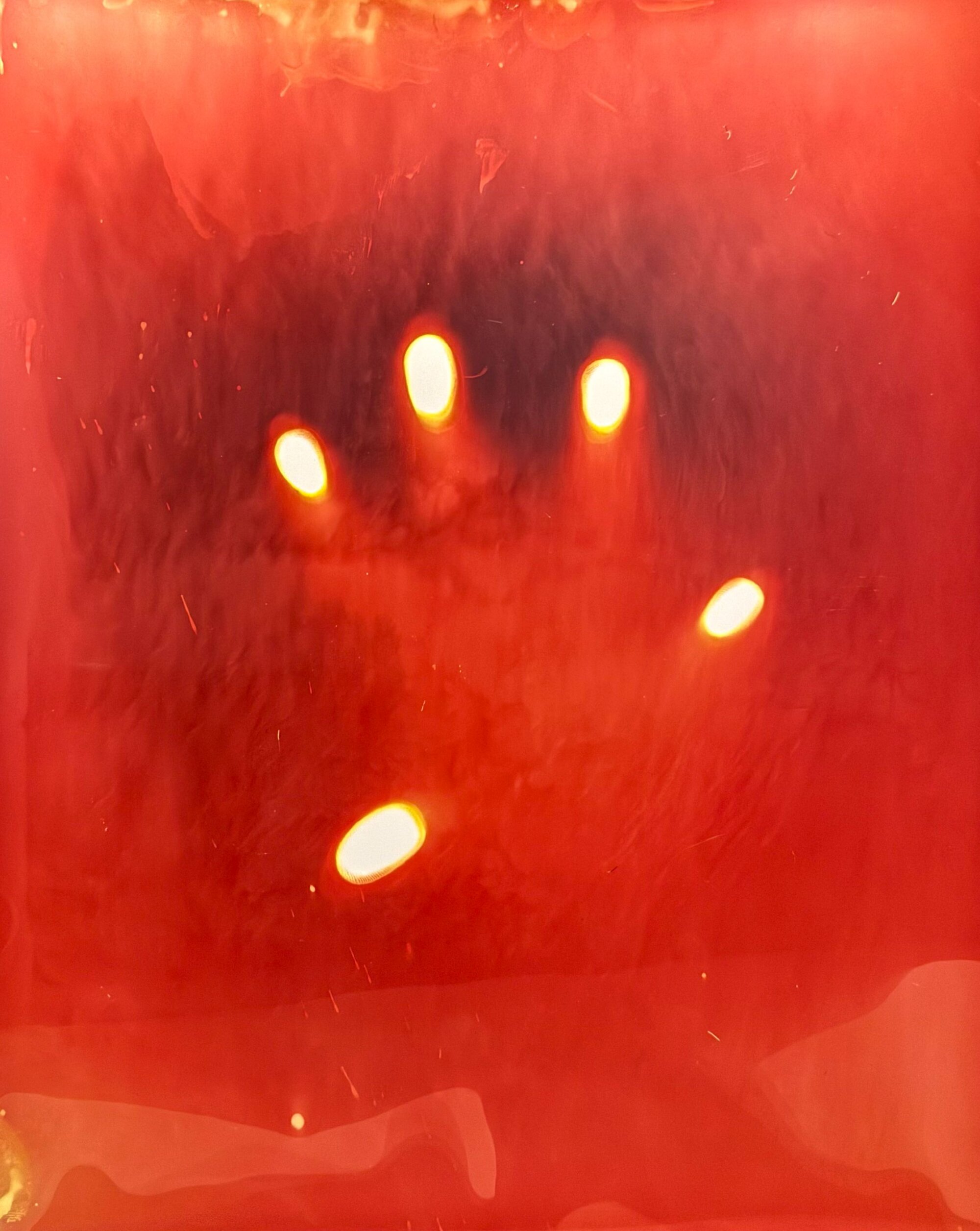
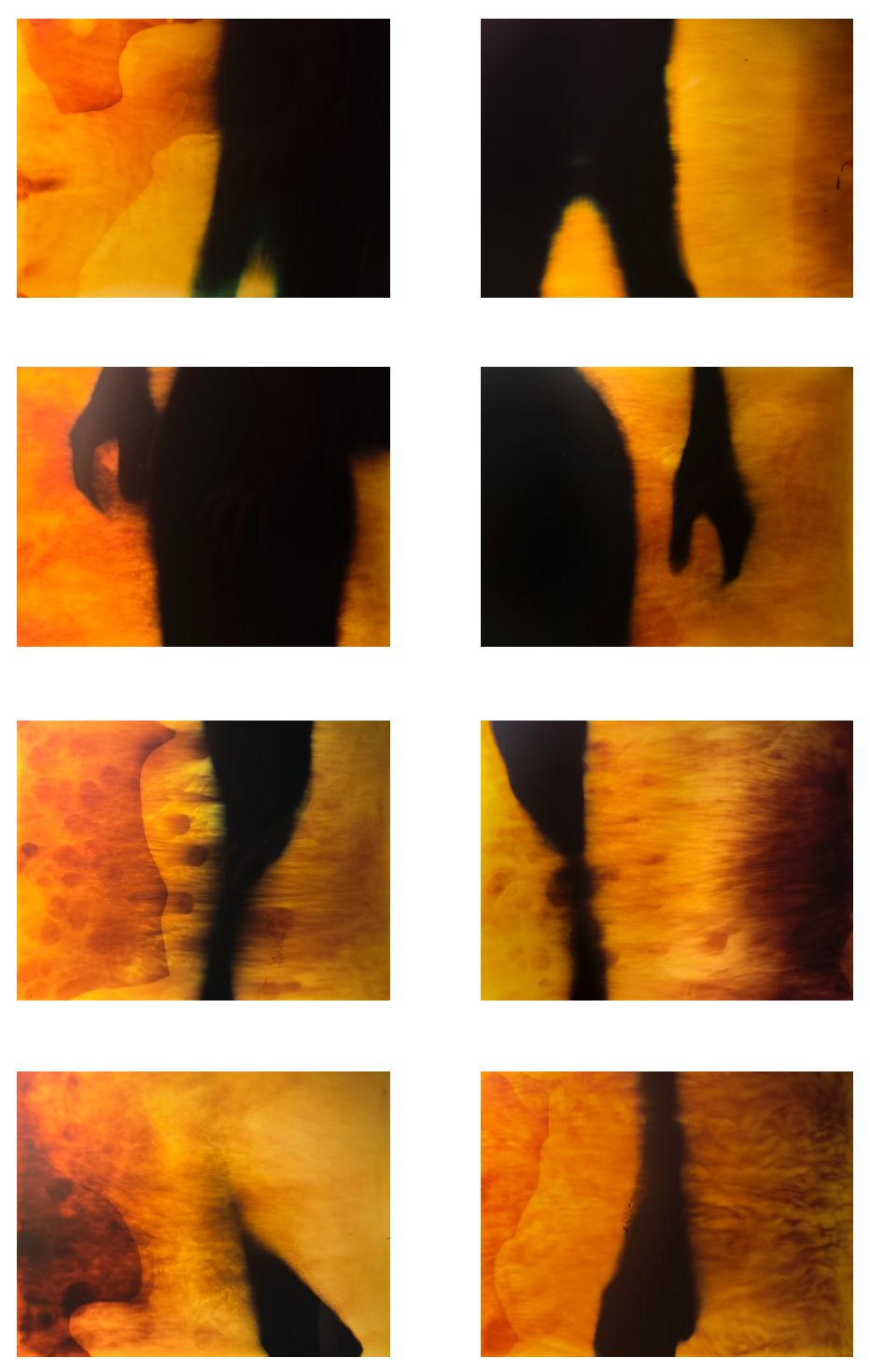
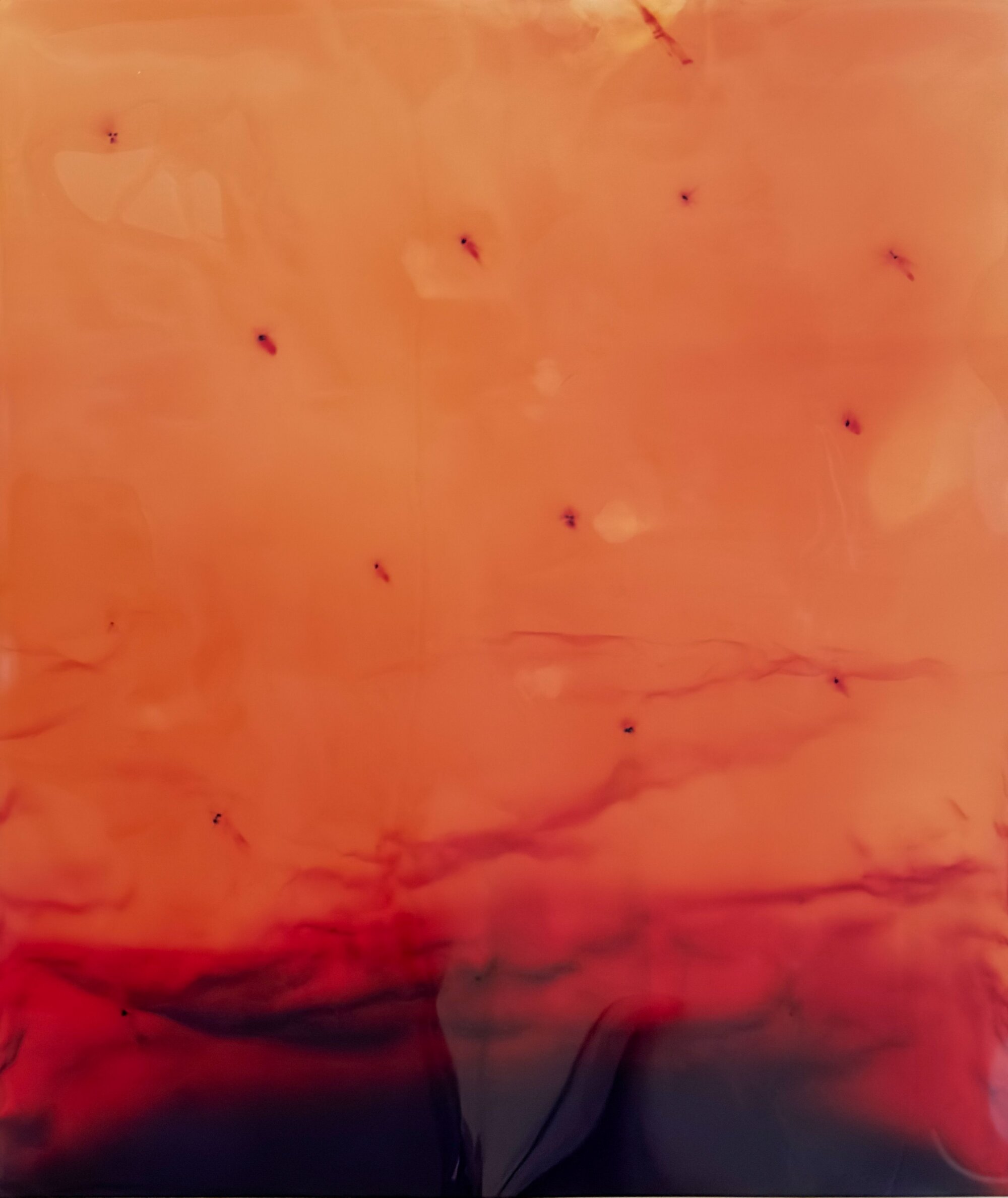
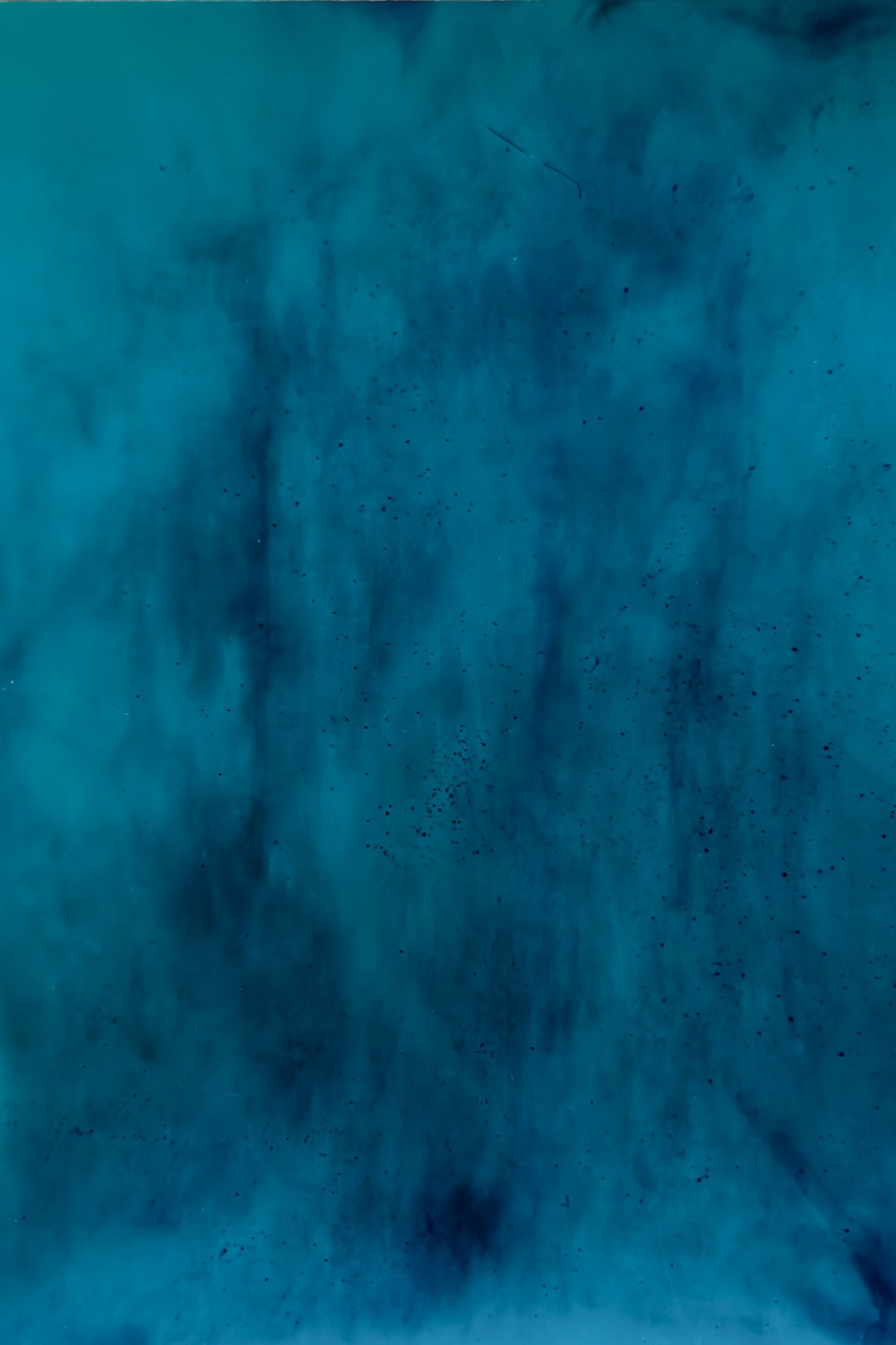
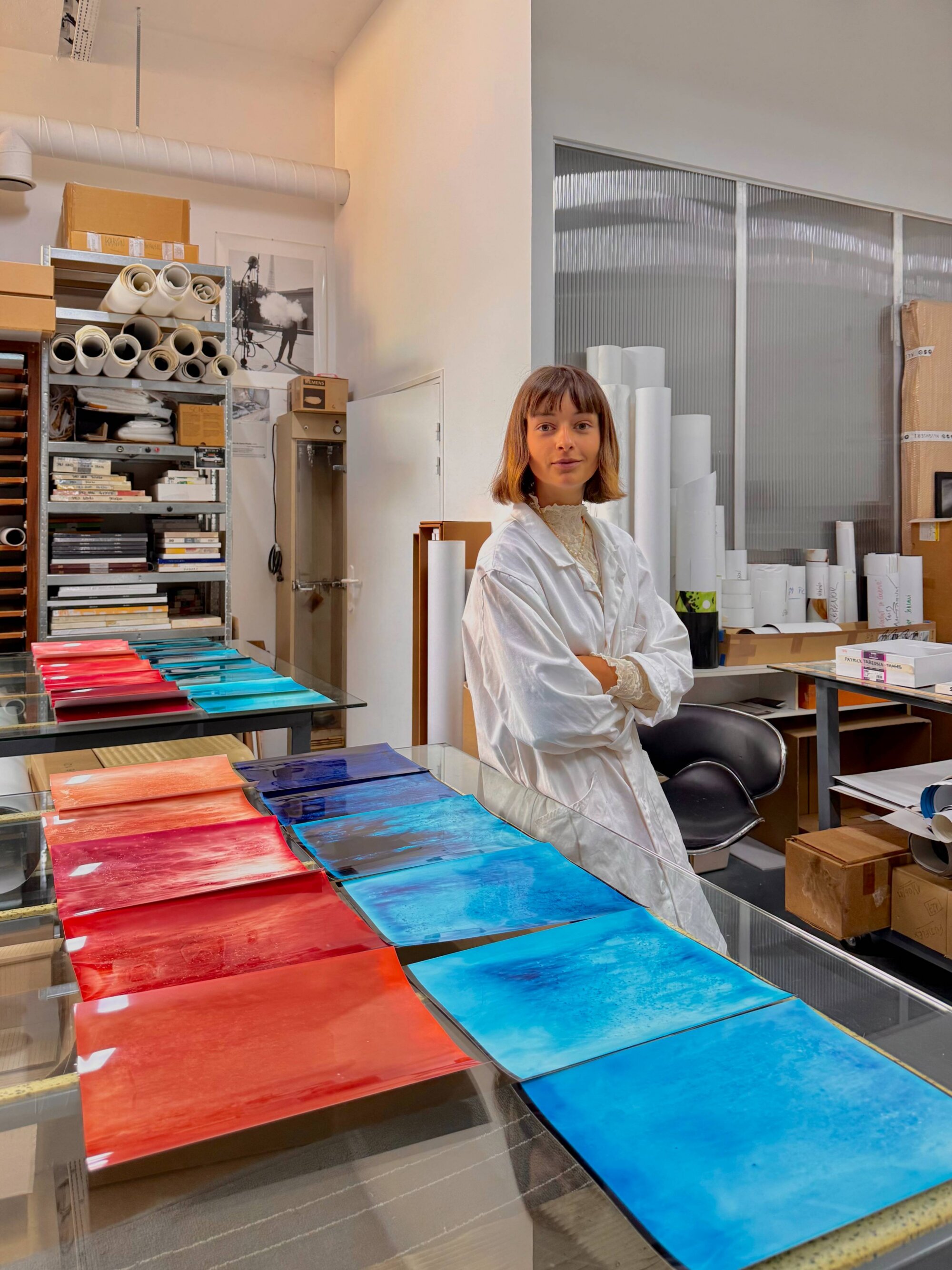
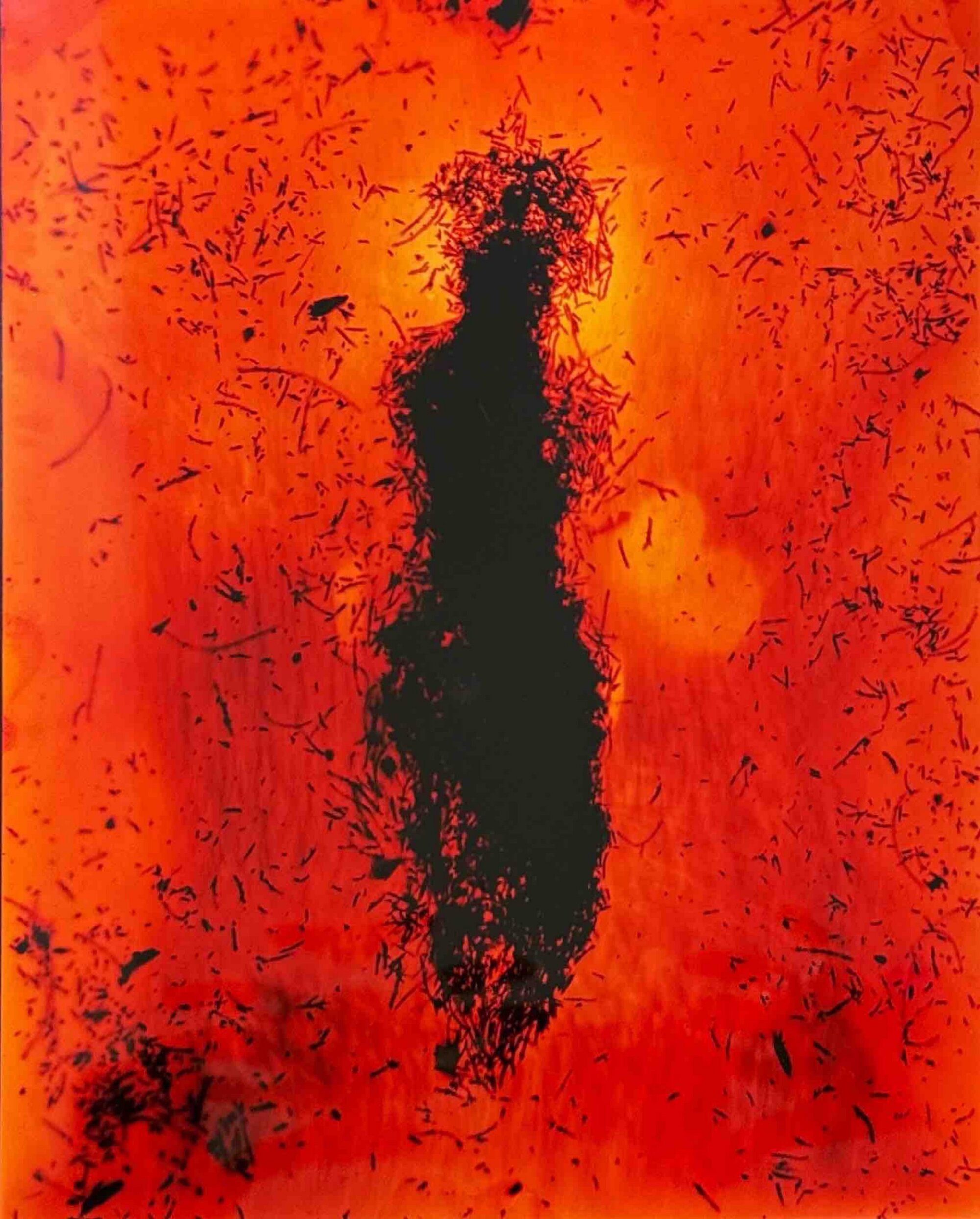
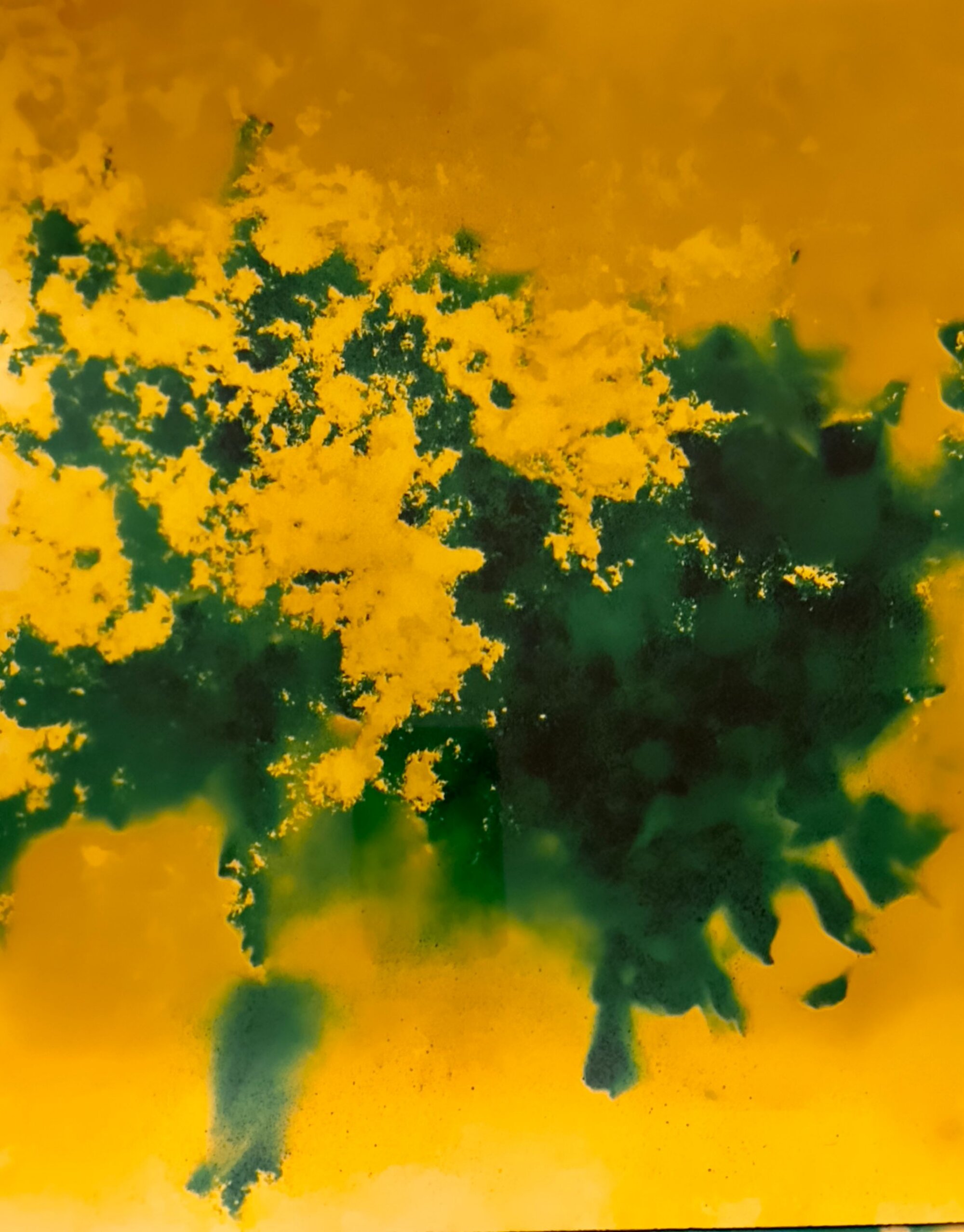
This way of thinking runs directly into her current research, which has occupied her for the last four years. Belli exposes photosensitive paper to the same ecosystem she inhabits, studying its reaction and response as though it were a living presence. “Sort of the same way we wonder ‘how does a tree perceive the world?’” she explains, “I wonder about the paper.”
Since winning Sky Arts Master of Photography in 2018, Belli has received the BNL-BNP Paribas Prize at MIA Photo Fair, been named an Exibart Emerging Artist to Invest In, and won the Mario Cucinella Prize and BCC Young Emerging Artist award. She has also given two TEDx Talks, and is currently showing in Bodies of Light with Fondazione Iannaccone at BULGARI Roma and States of Motion at Floating Art Hotel in Monaco.
Asked about her biggest achievement to date, Belli turns the question inward. The toughest part of her work, she says, consists in “not surrendering to the fascination with the comfort of simply sliding through life,” and in continuing to ask “uncomfortable questions no matter what.” She speaks of the responsibility that comes with being alive, breathing, influencing and being influenced, and of trying to find visual form for the sensations that make her human. “I see myself as a sort of mycelium network that thrives through love and questions,” she says. “The mushroom you see at the surface is my work, but what makes it evolve and thrive is definitely hidden.”
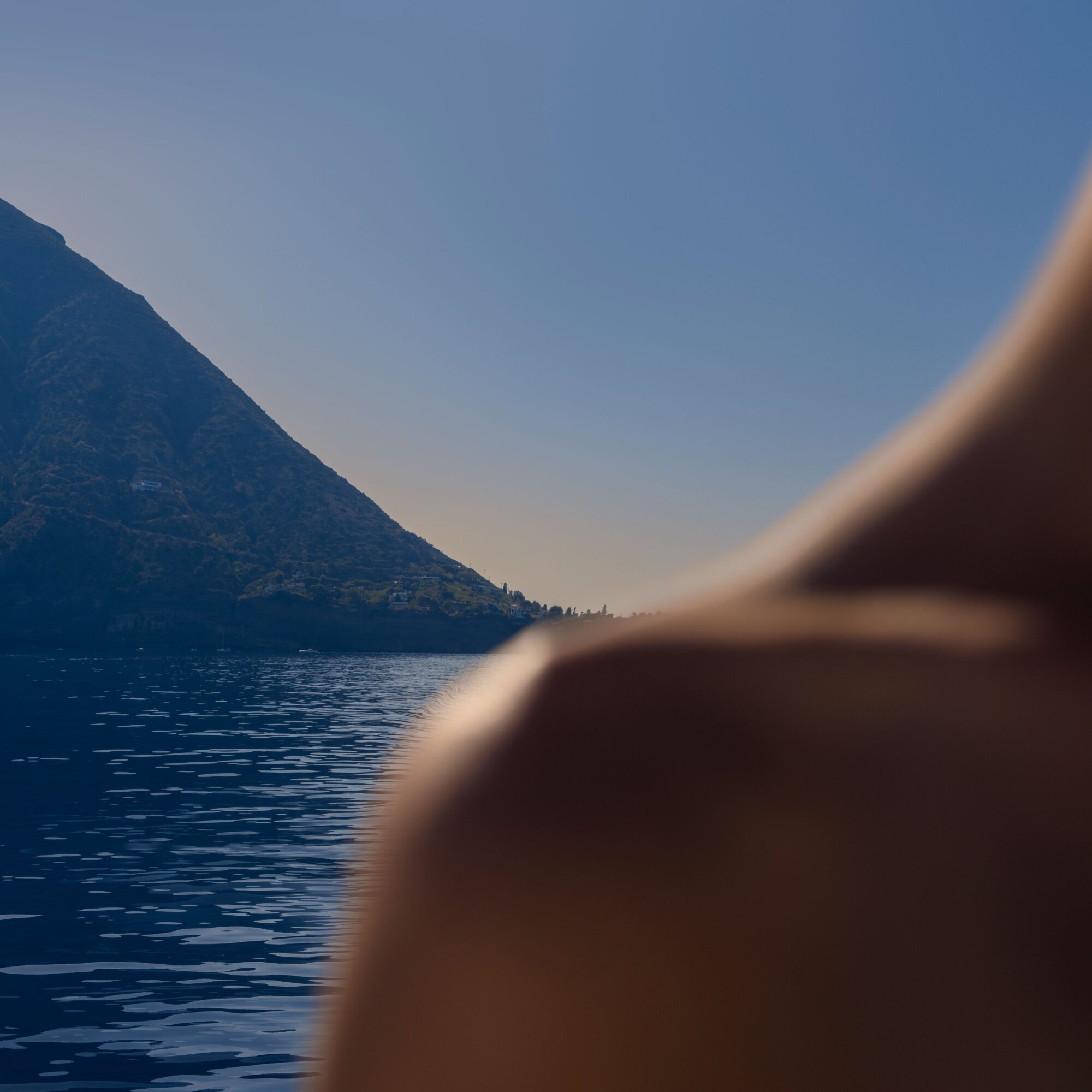
Her champion is Marc-Olivier Wahler, Director of MAH Museum of Art and History in Geneva. Wahler frames Belli’s work through rare patience and the relinquishing of control. He writes poetically of her work and its effect: “One hesitates to call it courage, the patience required to wait upon the world rather than seize it, yet something of that patience surfaces, unmistakably, in the work of a young woman who has renounced the lens, the eye, the whole confident machinery of human looking, and has chosen instead to let the sea write upon her paper what no hand could compose.”
A striking reading of a practice devoted to traces of being and the fragile life of the instant. In Wahler’s words: “Stefan Zweig has spent a great part of his life among manuscripts, treasuring the page that bears the trace of a hand now stilled, Goethe’s correction, Beethoven’s furious crossing out, on the supposition that the document outlasts the document. Federica Belli offers something stranger still: a manuscript authored by no one, by moonlight repeated through an entire night, by soil keeping its own appointments, by a body’s salt water standing in for ink. In an age grown fluent in copies and weary of presence, she has gone looking for the one thing that resists reproduction, the instant itself, and persuaded the world to sign for it.”
“She has gone looking for the one thing that resists reproduction, the instant itself, and persuaded the world to sign for it.”
For an artist drawn to hidden networks, slow exposure and forms of attention that exceed the human, Belli’s work leaves the page imbued with everything that has passed through it. The art world watches this young talent with bated breath.
About the champion
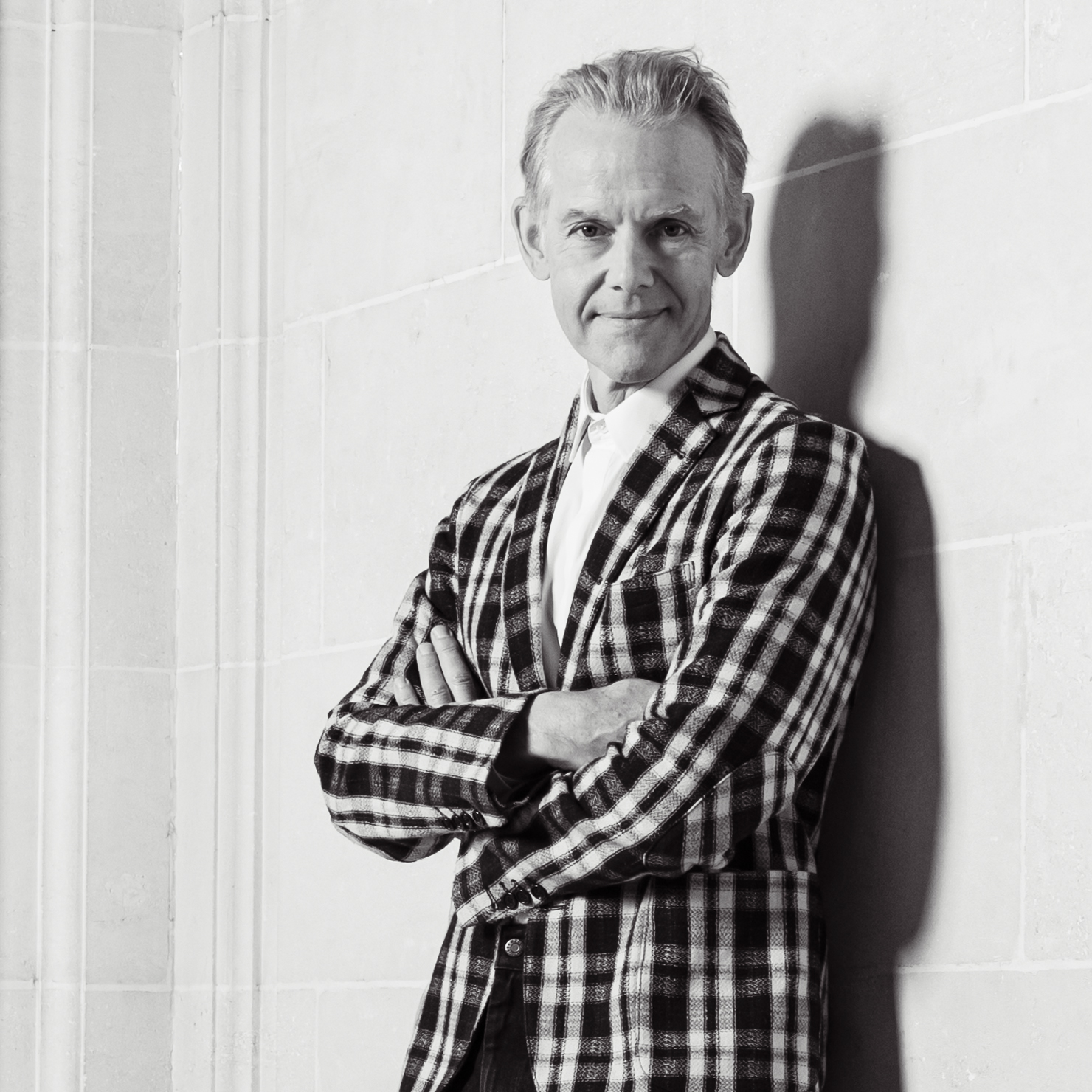
With a 30-year career directing art institutions across Europe and the United States, Marc-Olivier Wahler is renowned for developing spaces with distinct identities, designed to function as genuine “ecosystems”. His extensive contributions to the art world include founding three art centres, two magazines, a sculpture park, an educational television series, an online radio station, and an art laboratory. He is currently the Director of the MAH (Musée d’art et d’histoire) in Geneva.
Over the past three decades, Wahler has curated and organised more than 400 exhibitions worldwide. An accomplished author, he writes regularly on contemporary art and its underlying challenges, contributing to monographs, international journals, and theoretical anthologies. Among his notable publications are the five-volume encyclopaedia From Yodelling to Quantum Physics (Palais de Tokyo) and The Transported Man (MSU Broad Museum), an exploration of the intersections between art and magic.