The Wick List
Viewing Painting the French Riviera
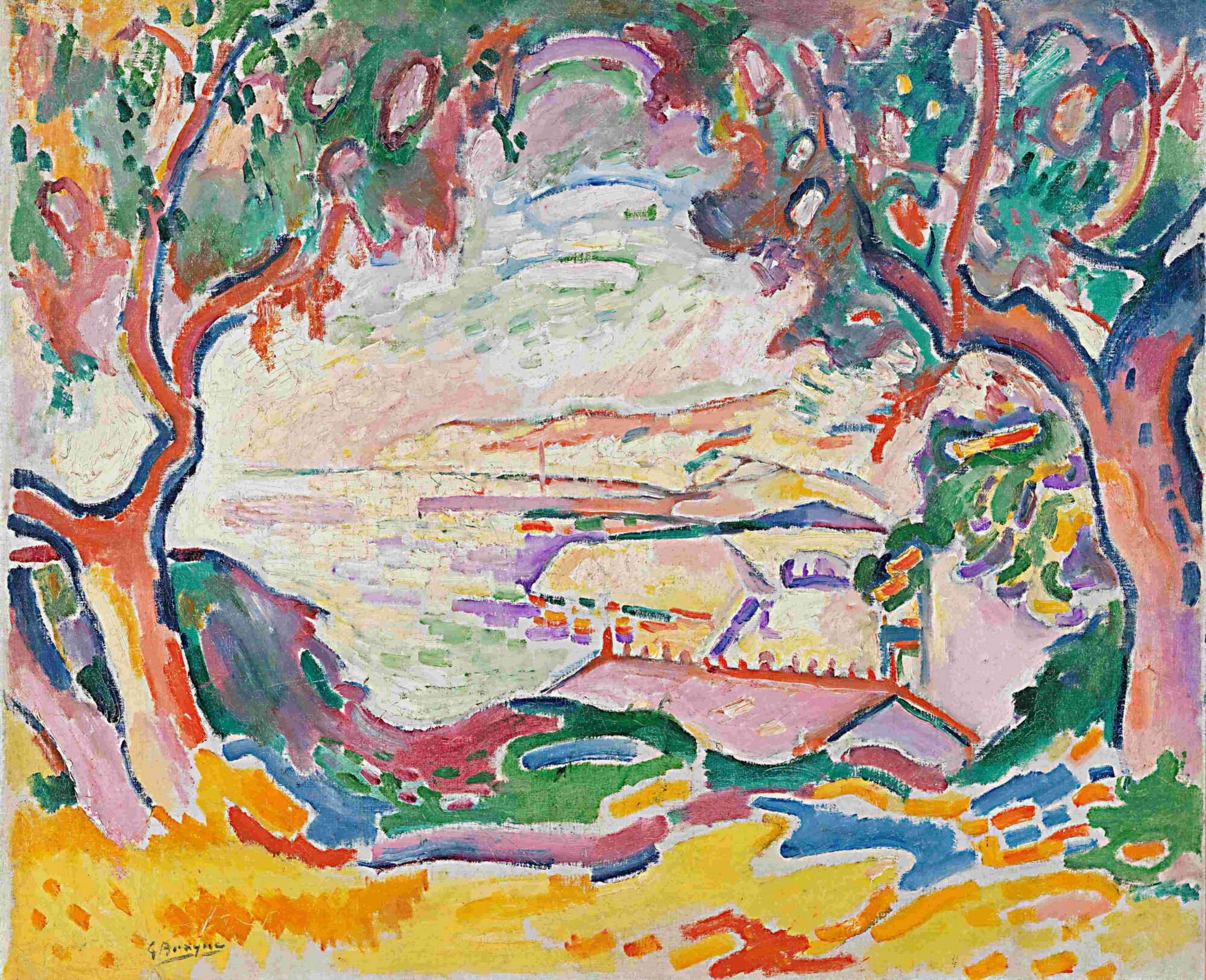
Above Georges Braque, Seascape, L’Estaque, 1906. Oil on canvas, 59 x 72.4 cm. Museo National
Thyssen-Bornemisza; Carmen Thyssen Collection. © 2026 ADAGP, Paris and DACS, London
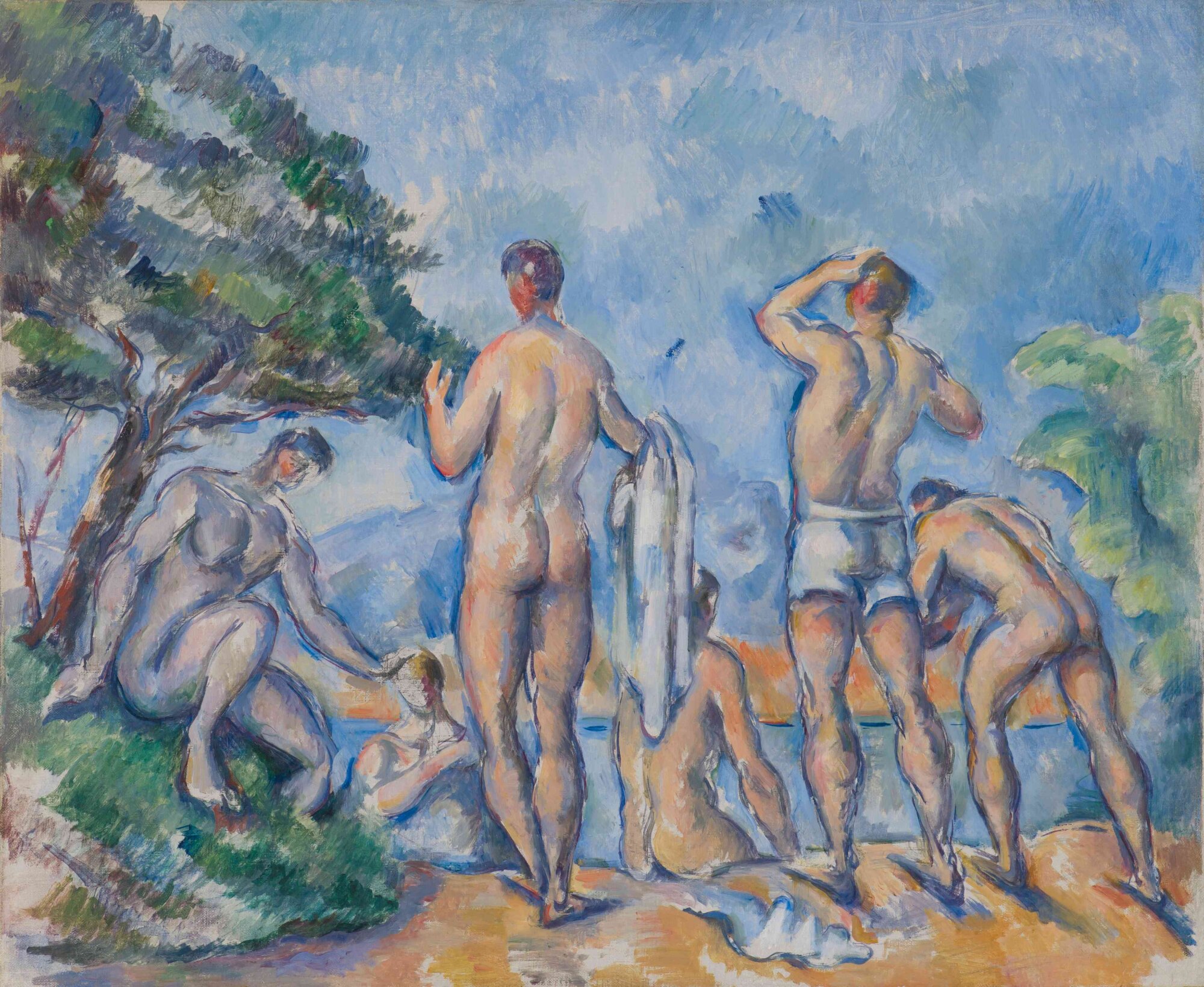
Above Paul Cézanne, Bathers, 1890-92. Oil on canvas, 54.3 x 66 cm. Saint Louis Art Museum, Funds
given by Mrs. Mark C. Steinberg
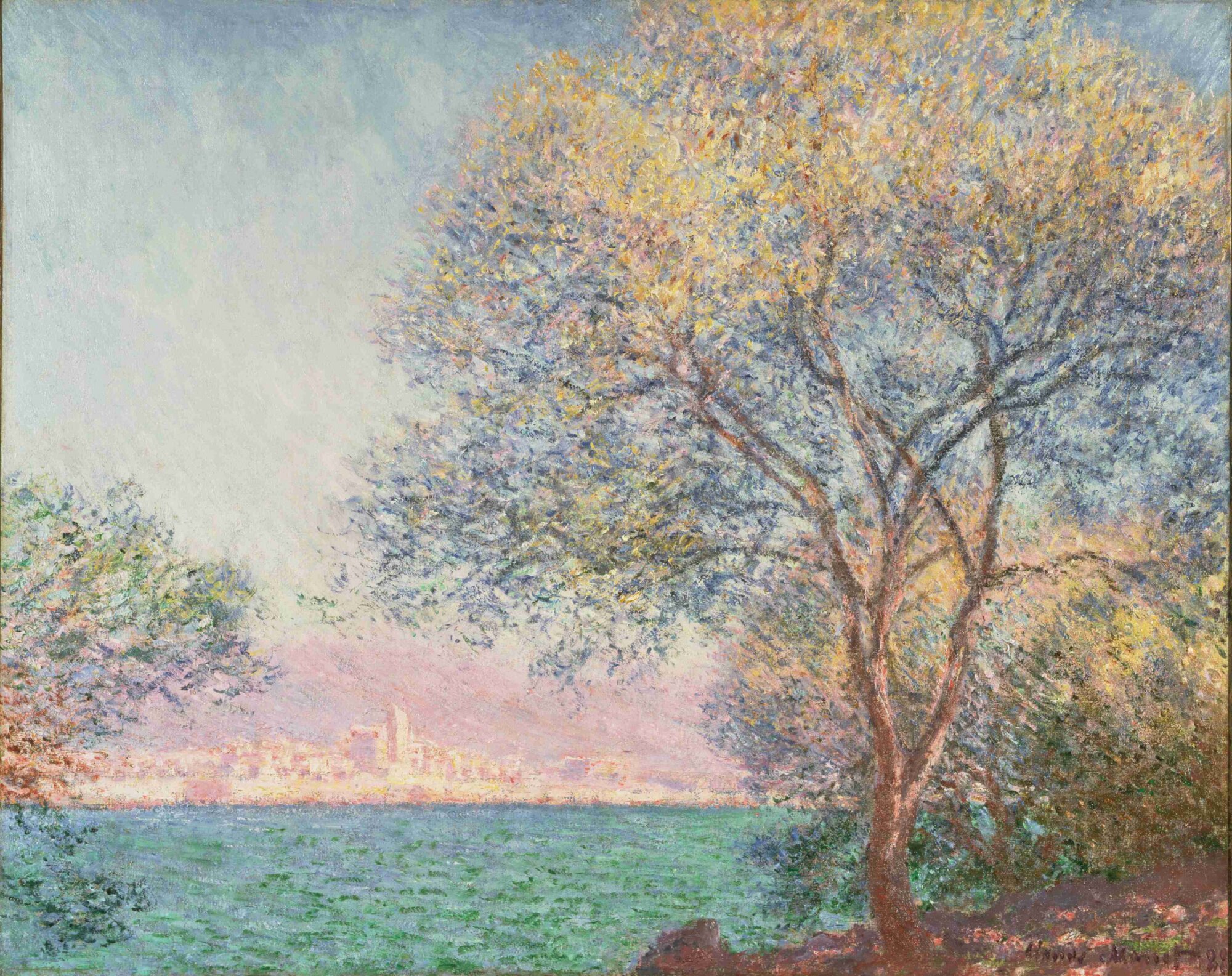
Above Claude Monet, Morning at Antibes, 1888. Oil on canvas, 65.7 x 82.1 cm. Philadelphia Museum of
Art: Bequest of Charlotte Dorrance Wright, 1978-1-22
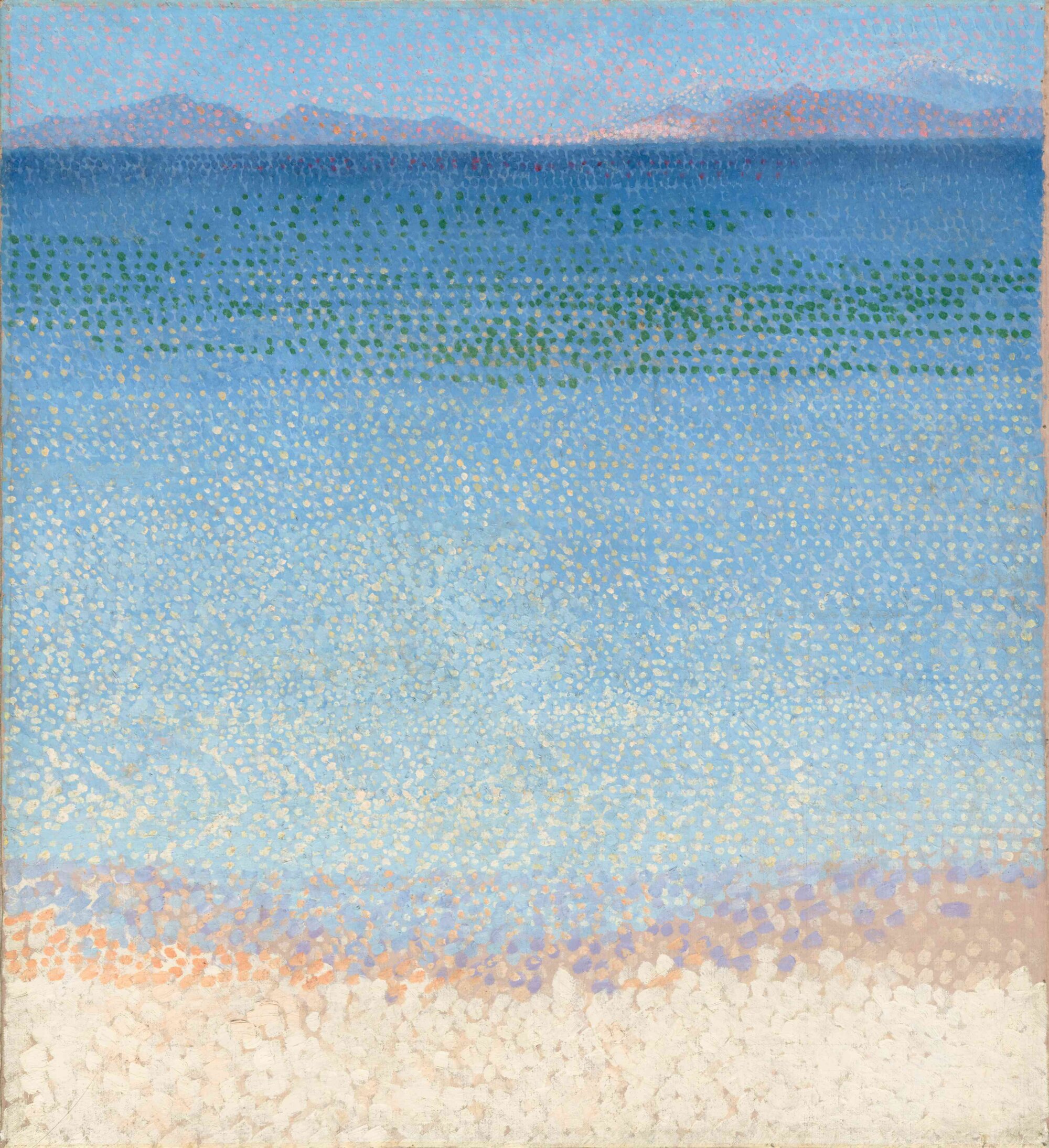
Above Henri-Edmond Cross, Les Îles d’or, îles d’Hyères (Var), c.1891-1892. Oil on canvas, 59.5 x 54 cm.
Paris, Musée d’Orsay. Photo: © GrandPalaisRmn (musée d’Orsay) / Hervé Lewandowski
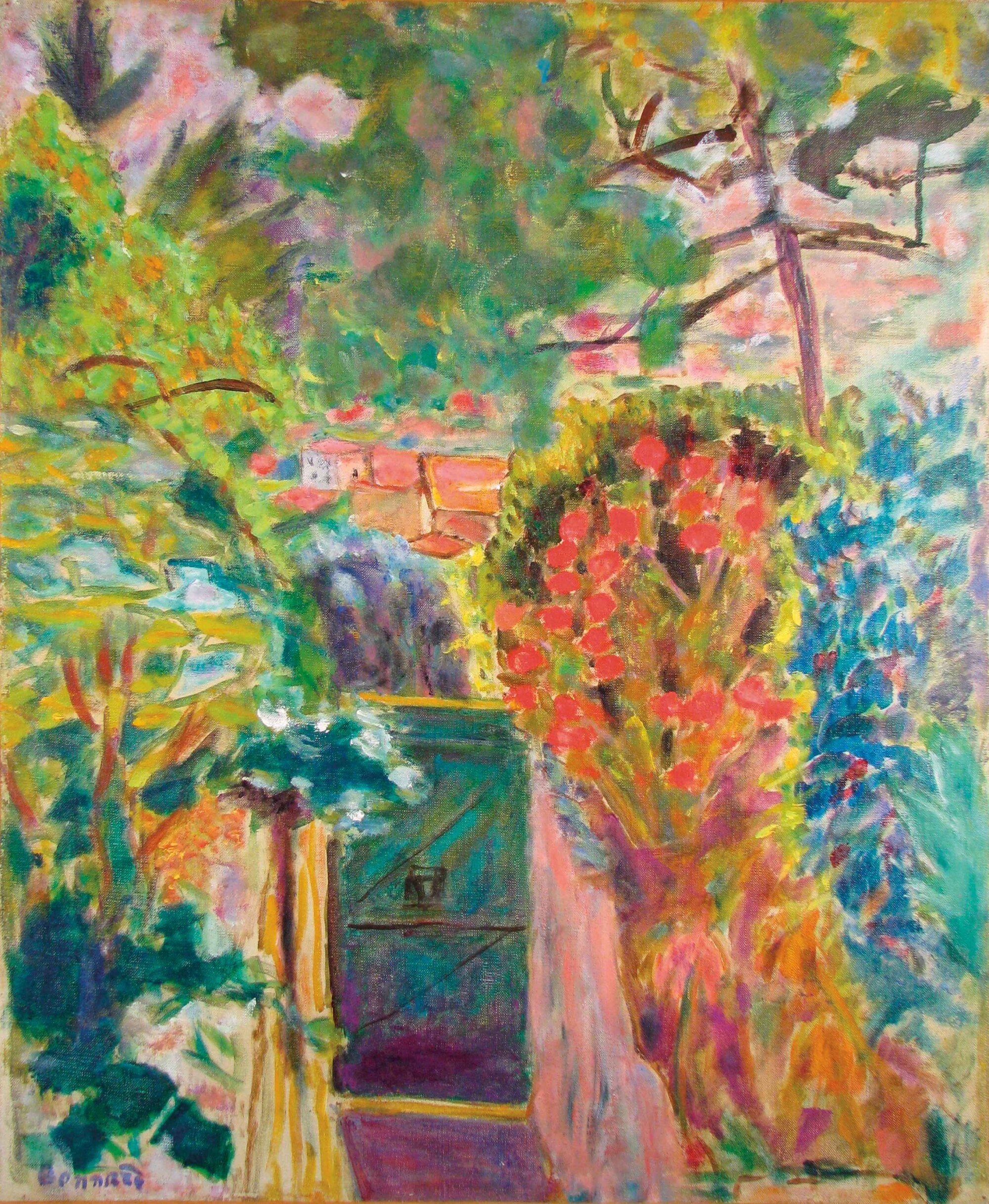
Above Pierre Bonnard, The Gate of the Villa du Bosquet in Le Cannet, 1944. Oil on canvas, 61.6 x 49.8
cm. Loan courtesy of the Muskegon Museum of Art, Gift of the L.C. and Margaret Walker
Foundation
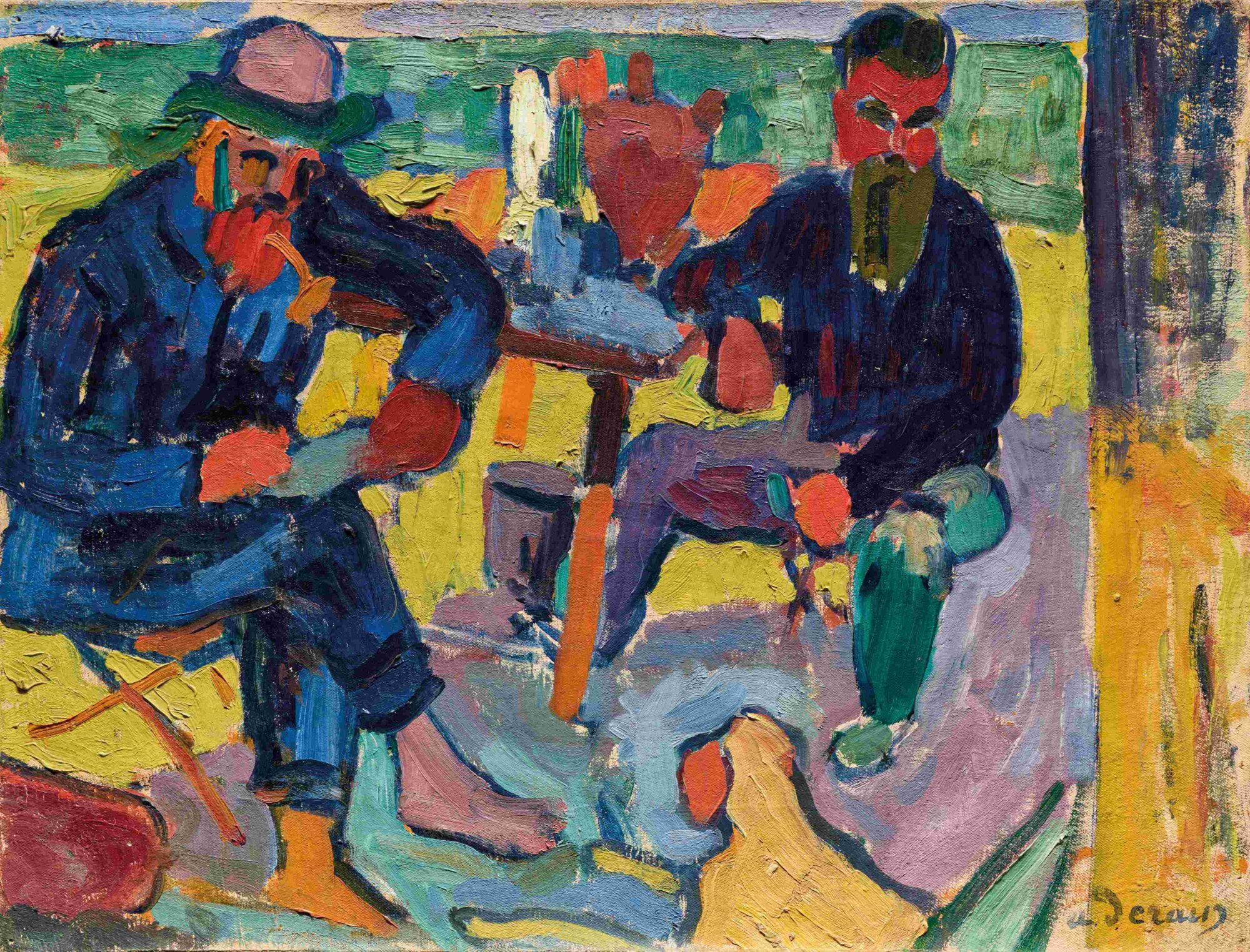
Above André Derain, Matisse and Terrus, 1905. Oil on canvas, 40.3 x 54.3 cm. Private Collection
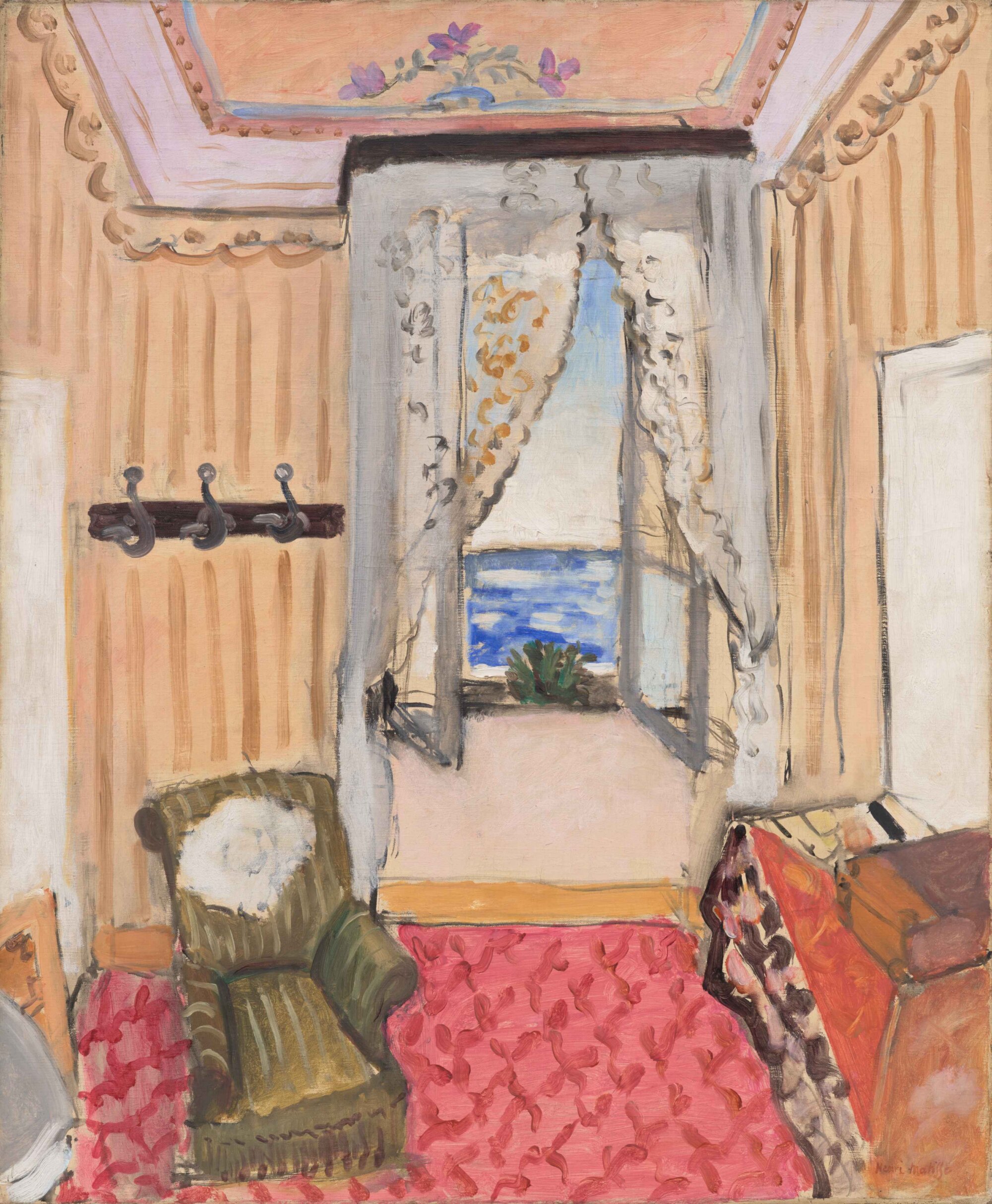
Above Henri Matisse, Interior at Nice (Room at Beau-Rivage), 1917-1918. Oil on canvas, 73.7 x 60.3 cm.
Philadelphia Museum of Art; A. E. Gallatin Collection, 1952-61-79
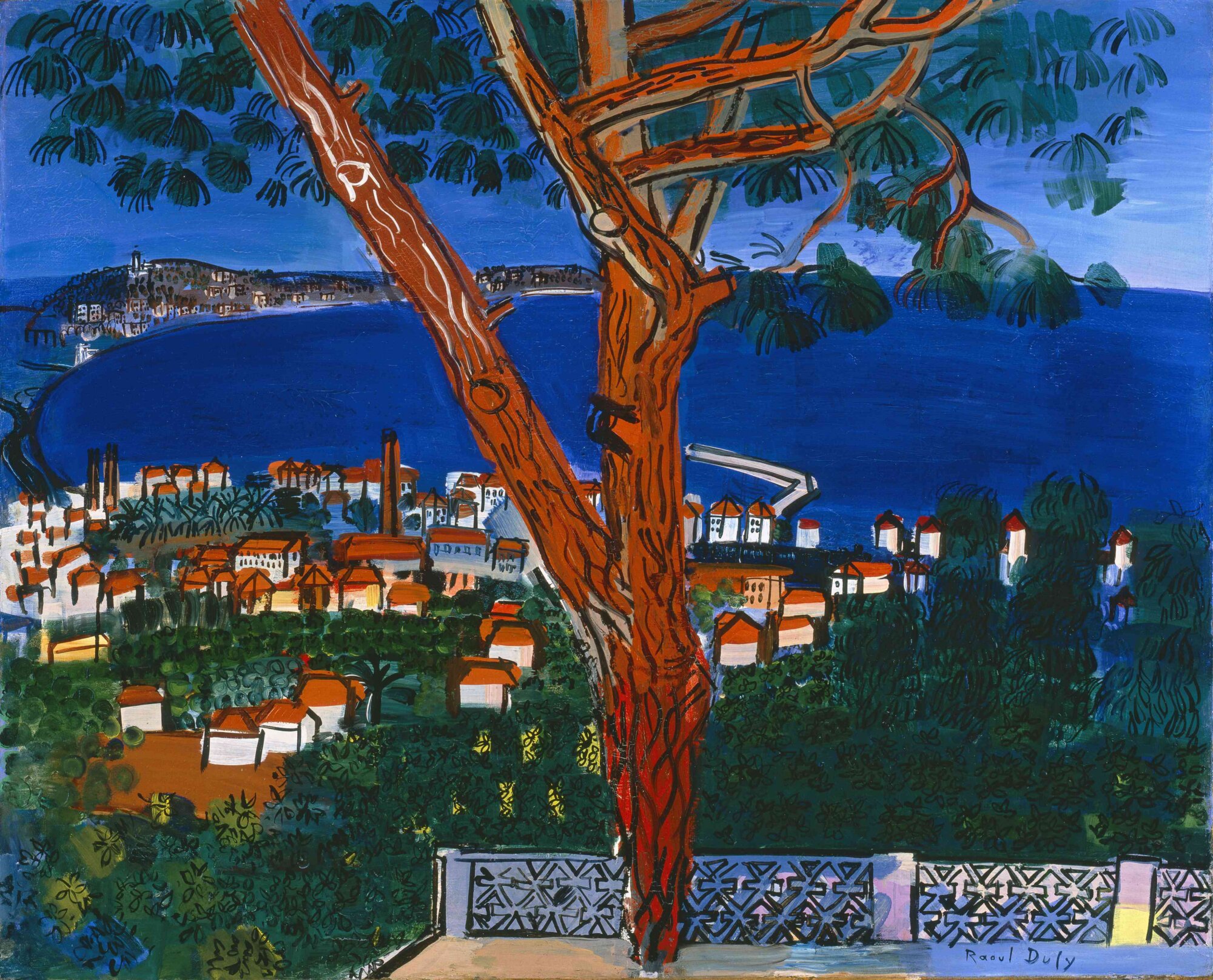
Above Raoul Dufy, Golfe Juan, 1927. Oil on canvas, mounted on board, 81.8 x 100.6 cm. Collection of the
McNay Art Museum, Bequest of Marion Koogler McNay, 1950.38
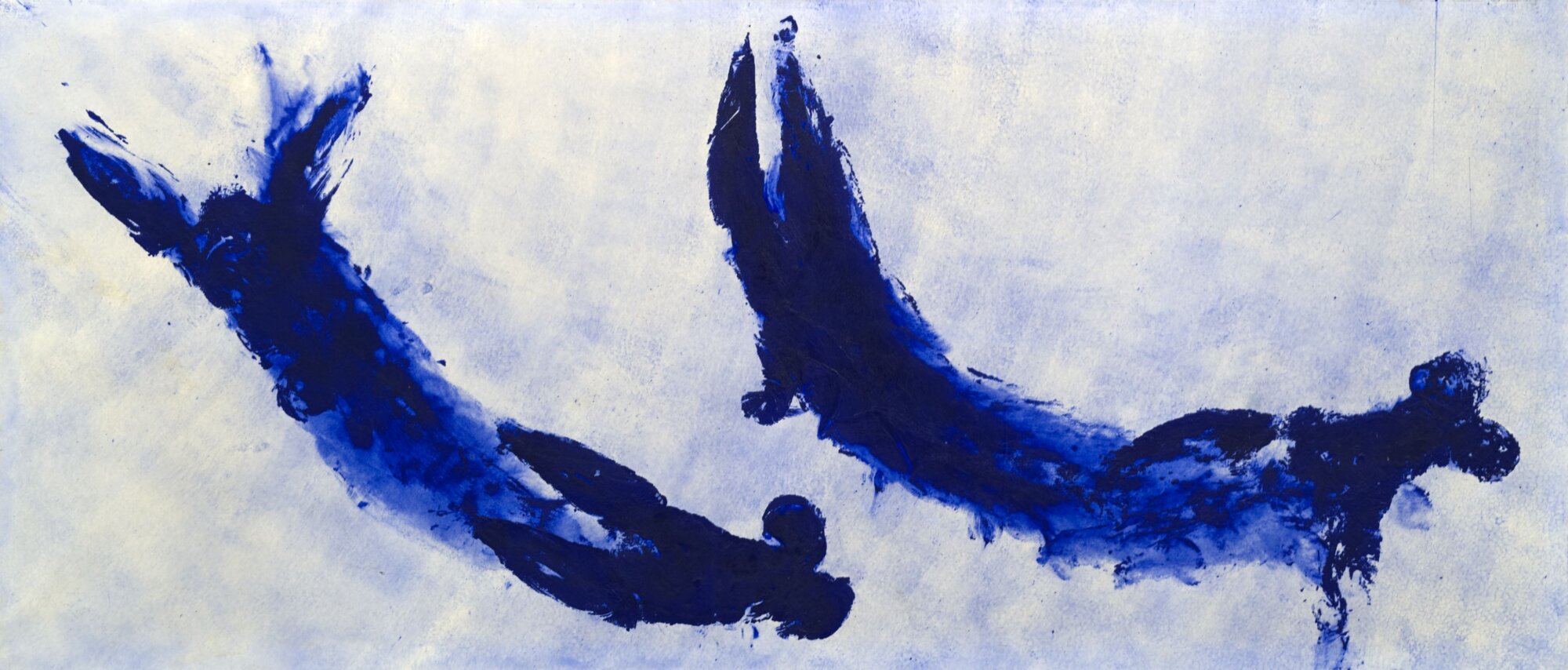
Above Yves Klein, ANT 84, 1960. Pure pigment and synthetic resin on paper mounted on canvas, 155 x
359 cm. Musée d’Art Moderne et d’Art Contemporain (MAMAC) – Ville de Nice
© 2026 Succession Yves Klein c/o ADAGP, Paris and DACS, London
Above Georges Braque, Seascape, L’Estaque, 1906. Oil on canvas, 59 x 72.4 cm. Museo National
Thyssen-Bornemisza; Carmen Thyssen Collection. © 2026 ADAGP, Paris and DACS, London
Above Paul Cézanne, Bathers, 1890-92. Oil on canvas, 54.3 x 66 cm. Saint Louis Art Museum, Funds
given by Mrs. Mark C. Steinberg
Above Claude Monet, Morning at Antibes, 1888. Oil on canvas, 65.7 x 82.1 cm. Philadelphia Museum of
Art: Bequest of Charlotte Dorrance Wright, 1978-1-22
Above Henri-Edmond Cross, Les Îles d’or, îles d’Hyères (Var), c.1891-1892. Oil on canvas, 59.5 x 54 cm.
Paris, Musée d’Orsay. Photo: © GrandPalaisRmn (musée d’Orsay) / Hervé Lewandowski
Above Pierre Bonnard, The Gate of the Villa du Bosquet in Le Cannet, 1944. Oil on canvas, 61.6 x 49.8
cm. Loan courtesy of the Muskegon Museum of Art, Gift of the L.C. and Margaret Walker
Foundation
Above André Derain, Matisse and Terrus, 1905. Oil on canvas, 40.3 x 54.3 cm. Private Collection
Above Henri Matisse, Interior at Nice (Room at Beau-Rivage), 1917-1918. Oil on canvas, 73.7 x 60.3 cm.
Philadelphia Museum of Art; A. E. Gallatin Collection, 1952-61-79
Above Raoul Dufy, Golfe Juan, 1927. Oil on canvas, mounted on board, 81.8 x 100.6 cm. Collection of the
McNay Art Museum, Bequest of Marion Koogler McNay, 1950.38
Above Yves Klein, ANT 84, 1960. Pure pigment and synthetic resin on paper mounted on canvas, 155 x
359 cm. Musée d’Art Moderne et d’Art Contemporain (MAMAC) – Ville de Nice
© 2026 Succession Yves Klein c/o ADAGP, Paris and DACS, London
Royal Academy of Arts
Burlington House
Piccadilly
London
W1J 0BD
2 October 2026 – 31 January 2027