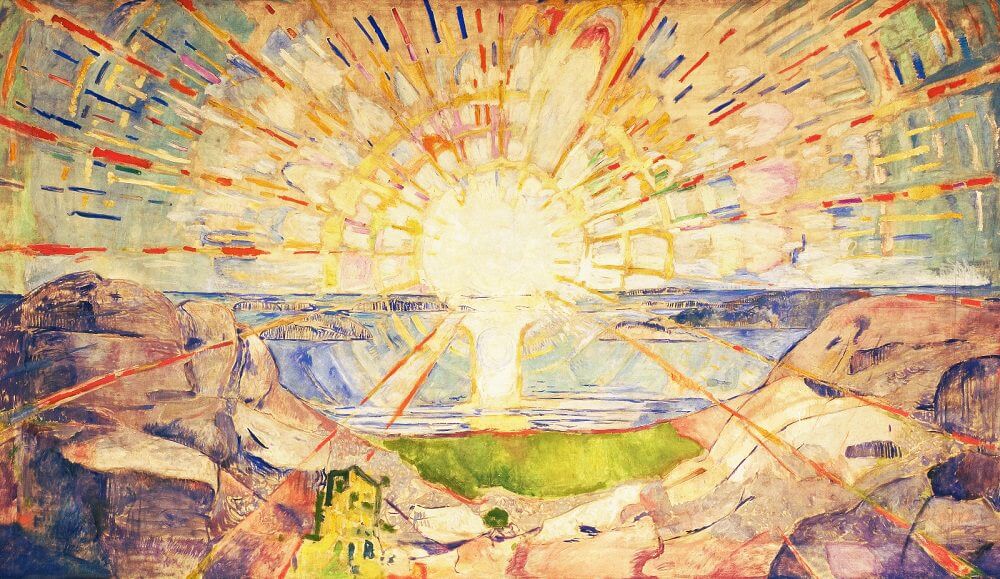
The Wick Culture - The Sun, 1909, Edvard Munch

Discover The Sun, Edvard Munch

Born in Norway in 1863, Edvard Munch is best known for sombre works — from paintings and watercolours to drawings and lithographs — that explore matters of human mortality, anxiety and emotional suffering. But he also produced paintings of nature, recreation and long summer days by the sea, suffused with luminous light and vibrant colours. After suffering a nervous breakdown in 1908, Munch returned to Norway to lead a quiet life, finding inspiration in the landscape, farm labourers and animals around him. Created for the University of Oslo’s new ceremonial hall (Aula), The Sun (1909) depicts a glowing sunrise over the rocky archipelago off Kragerø. Not only does it reflect Munch’s newly optimistic outlook but also his interest in nature and Vitalism, a school of thought that promoted health and hygiene and emphasized the sun as an energy-giving source.
Share
The Wick Culture - Yayoi Kusama

Dream Yayoi Kusama

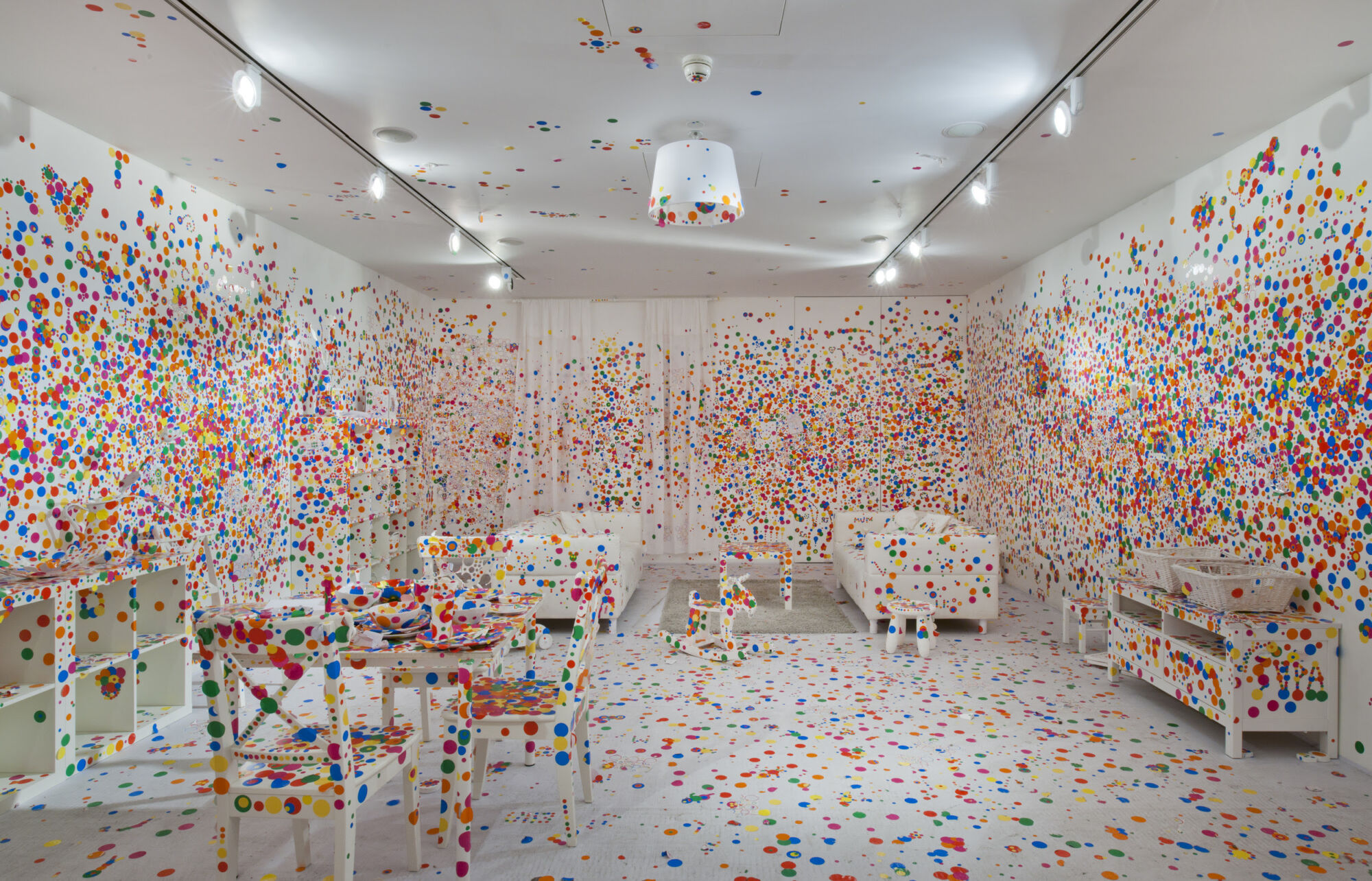
Yayoi Kusama has become synonymous with dots, infinity nets and pumpkins. Since coming to prominence in New York in the 1960s, she has expanded her creative practice to include installation, painting, sculpture, fashion design and writing. The obliteration room, which opens at Tate Modern on 23 July, reflects her enduring obsession with repetition, obliteration and interactivity. Originally conceived as a project for children by the Queensland Art Gallery in 2002, it consists of a white space, fully furnished with white furniture. Visitors are invited to cover every available surface with colourful dot stickers, transforming the room from a blank canvas into an explosion of colour.
Share
The Wick Culture - Chris Levine, Lightness of Being, 2004

Discover Chris Levine, Lightness of Being, 2004

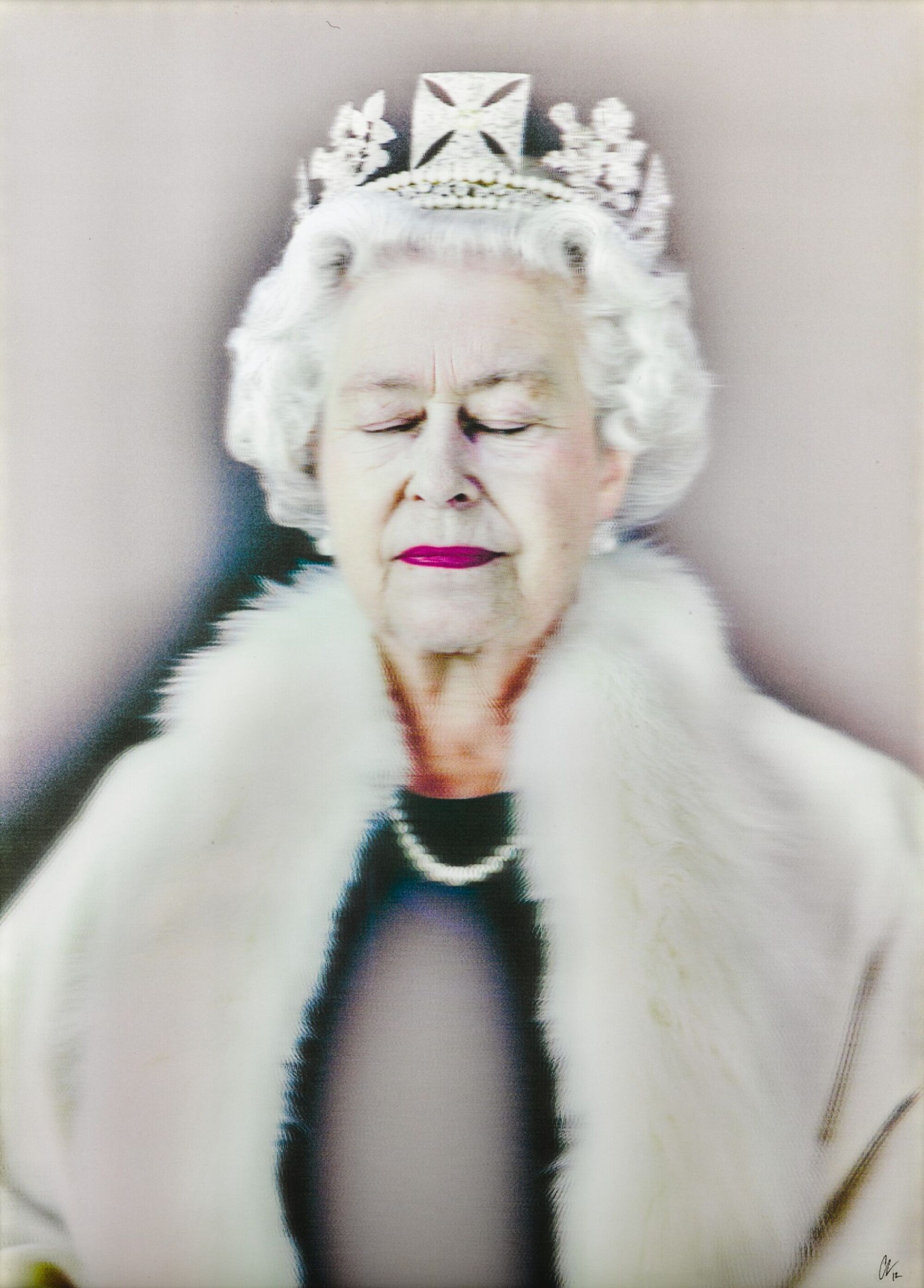
Few images of the Queen are as mesmerising as this one. An outtake from Chris Levine’s official hologram portrait shoot of Her Majesty, commissioned by the Jersey Heritage Trust in 2004, it shows the Queen serene, her eye closed. ‘The camera that shot the sequence of stereo images took a while to reset itself after each pass,’ said Levine. ‘Meanwhile the Queen was brightly lit, and I suggested to Ma’am she might rest between shots.’ It was during these moments of rest that Levine captured Lightness of Being (2004). The sense of tranquillity that pervades the portrait stems from the artist’s interest in meditation. ‘I was very conscious of her breathing in order to capture a sense of calm in the work.’
Share
The Wick Culture - Nick Knight, Roses from my Garden

Discover Nick Knight, Roses from my Garden

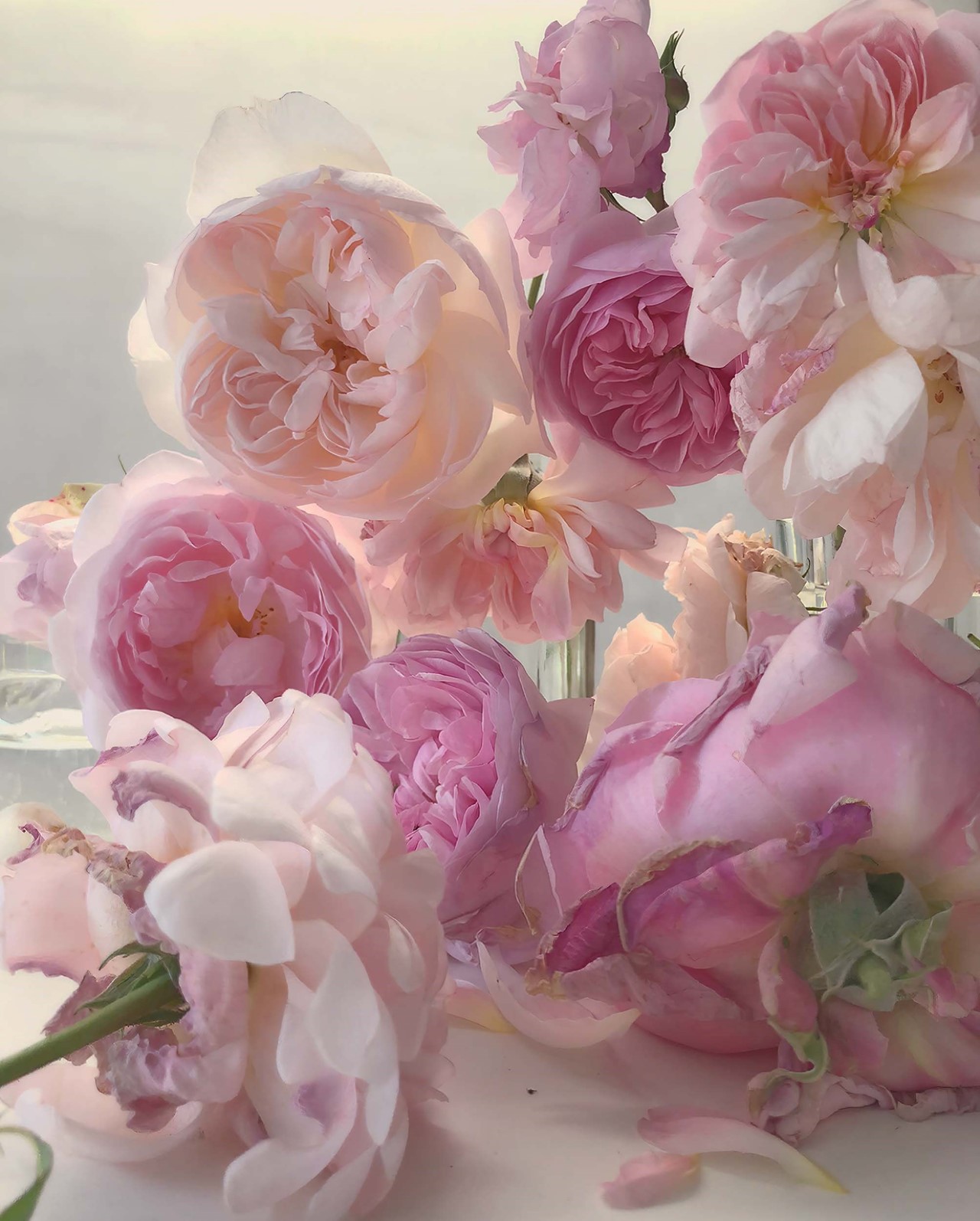
This painterly photograph of roses comes from Nick Knight’s critically acclaimed series ‘Roses from my Garden’. Inspired by the work of 16th and 17th century still life painters like Jan Brueghel the Elder and Jan Van Huysum, Knight shot cut roses from his garden on his iPhone, using only natural daylight to illuminate them. He then enlarged the images and filtered them through software that uses AI to fill in the spaces between the pixels. ‘Roses from my Garden references the rich history of classical painting whilst also looking towards the exciting world of new technologies,’ he has said. Lush, delicately coloured and resolutely modern, Knight’s roses are among the most alluring in art history.
Share
The Wick Culture - Lord Ohene, Possess gaze copy

Discover Lord Ohene

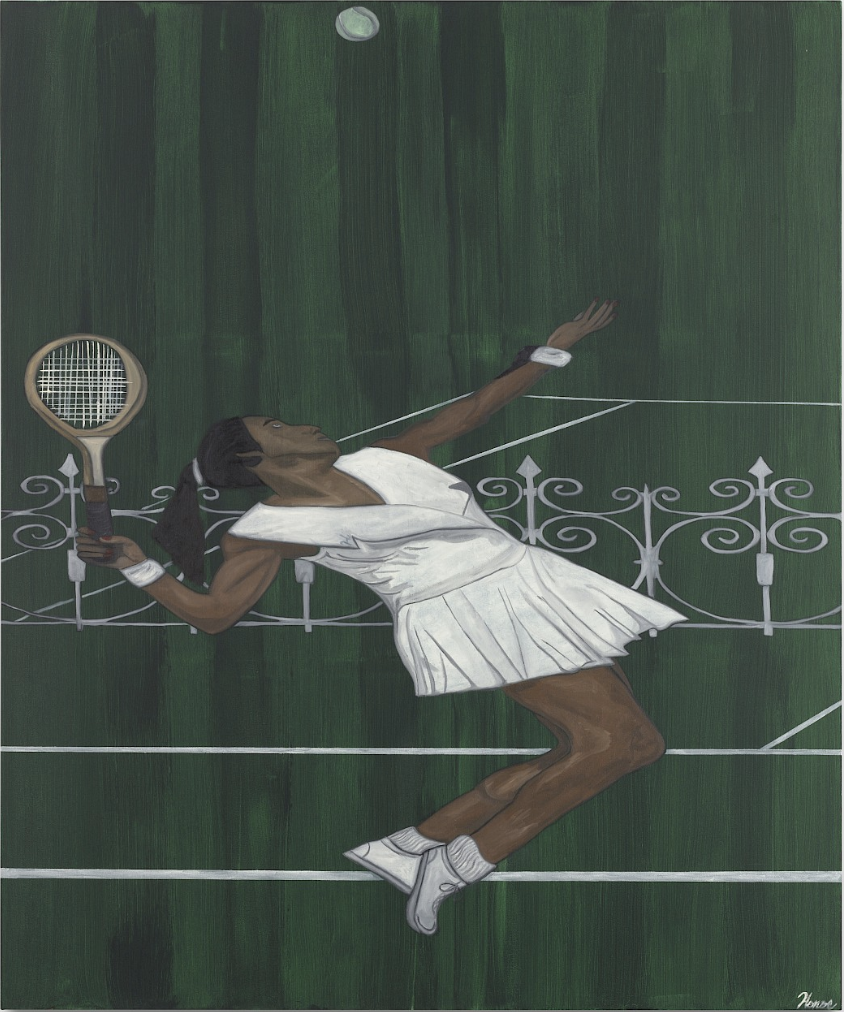
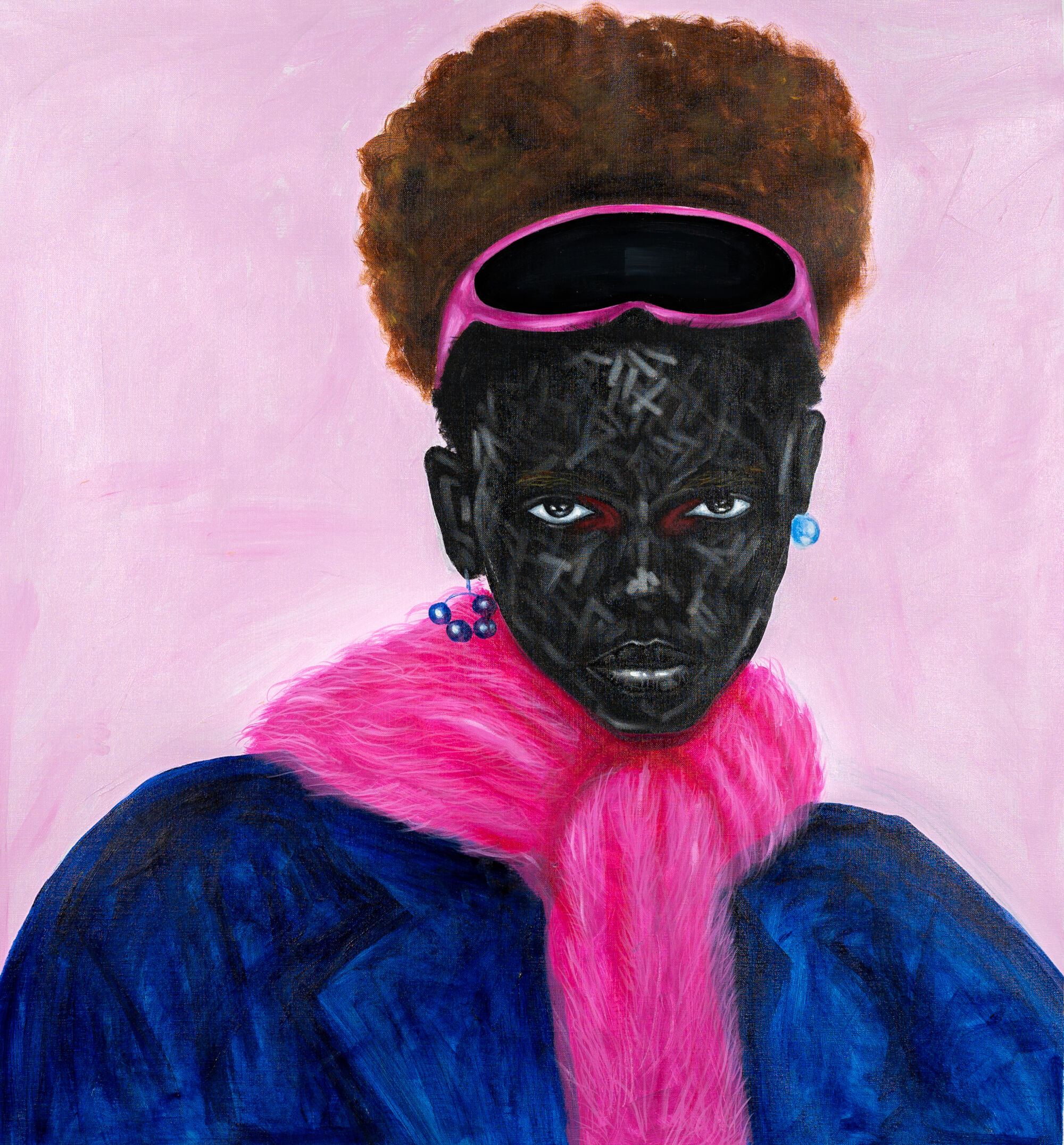
Gallery 1957 has established a reputation as one of the world’s leading galleries dedicated to artists of West Africa and the diaspora. Launched by Marwan Zakhem in Accra in 2016, it has since expanded overseas, opening its first London outpost in 2020. On display at the gallery’s booth at 1-54 New York is this painting by Lord Ohene, a Ghanaian portrait, figurative and still life painter currently based in Amsterdam. Part of the artist’s ‘Afro Memoirs’ series, Possess Gaze (2021) features Ohene’s signature palette of bold, brilliant hues and delicate beadwork, which hints at the character, style, performance and dreams of the sitter. ‘I incorporate elements from life which are inspired by people from my past and my hardships along the way,’ he has said. Catch her eye and you’ll find it hard to look away.
Share
The Wick Culture - Discover Refik Anadol’s Casa Batlló

Discover Refik Anadol’s Casa Batlló

Refik Anadol’s Casa Batlló: Living Architecture is a constantly changing, live NFT inspired by the 1906 Gaudí building after which it’s named. The result of a collaboration between Casa Batlló and the Turkish-Armenian artist Refik Anadol, it is made using environmental data gathered in real-time, making the building the first UNESCO World Heritage Site to take the form of a live NFT. ‘Refik’s work resides between art and technology, expands the possibilities of architecture, and brings a new outlook beyond space and time,’ said Gary Gautier, Casa Batlló’s manager. This monumental artwork will be offered for sale on 10 May (estimate: $1 million - 2 million) in New York, with ten percent of the sale proceeds benefiting the Associació Aprenem Autisme and Fundació Adana institutions. It will be on display outside Rockefeller Plaza until 13 May. Catch it if you can!
Share
The Wick Culture - Discover Keith Haring Untitled (Dolphin)

Discover Keith Haring Untitled (Dolphin)

Tomorrow would have been Keith Haring’s 64th birthday. Known the world over for his visual language of bold figures and bright backdrops, Haring’s work started popping up on New York sidewalks in the 1980s and has been an irrepressible artistic force ever since, spawning a worldwide legacy. Having created his own iconography, Haring toyed with his collection of characters: angels, mermaids, dolphins and UFOs re-emerge time and time again.

Like his compatriot Jean-Michel Basquiat, Haring’s paintings brought the raw energy and playful colours of the street to the white walls of the gallery world. The two are inextricably linked in public imagination - when Basquiat died in 1988 at 27, Haring penned his obituary for Vogue, and paid homage to his fellow artist with the work A Pile of Crowns for Jean-Michel Basquiat. Friendship is not all they shared, as market prices for both oeuvres skyrocketed in the late eighties in an ironic defiance of the social commentary contained within their works.

Despite their childlike colour palate and shapes, Haring’s bold figures take a wry cartoonish eye to the darker social themes of the time, addressing drug abuse, exploitation, war, safe sexual practice and the AIDS epidemic. These themes spawned multiple public art campaigns (including his famous Crack is Wack mural) eventually setting up the Keith Haring Foundation to provide funding and imagery to AIDS organisations and children’s programs. Speaking on his mission statement of art for all, he said: “I don't think art is propaganda; it should be something that liberates the soul, provokes the imagination and encourages people to go further. It celebrates humanity instead of manipulating it.”


Share
The Wick Culture - Discover Rana Begum, Catching Colour, 2022

Discover Rana Begum, Catching Colour, 2022

In a career that spans more than two decades, Rana Begum has made her name creating colourful, sensory works that blur the boundaries between sculpture, painting and architecture. Begum’s striking exploration of shifting colour, light and movement draws on the rhythms of minimalist abstraction as well as the geometric patterns from traditional Islamic art and architecture.

Catching Colour, a new outdoor sculpture created for London’s public art walk, The Line, features clouds of suspended coloured mesh that cast dancing shadows on the ground below. ‘I’m fascinated by the way natural light can change an artwork throughout the day,’ Begum has said. The large-scale installation is partly inspired by Begum’s childhood memories of the forms and reflections cast by fishing nets suspended over water in Bangladesh.
Share
The Wick Culture - Rony Plesl, Trees Grow from the Sky, 2022

Discover Rony Plesl, Trees Grow from the Sky, 2022

Czech artist Rony Plesl has explored the creative possibilities of glass for more than 40 years. His distinctive aesthetic is inspired by the rhythms of sacred geometry, the Italian Renaissance and the architectural opulence of the Baroque. Plesl comes to Venice with Trees Grow from the Sky, a new installation comprising four large-scale glass sculptures for the church of Santa Maria della Visitazione.

To create the site-specific work, Plesl has used a new technique for casting glass as if it were bronze. Erected vertically in the centre of the space are three pure crystal glass sculptures decorated with the imprint of an 80-year-old oak tree found in the woods of Northern Bohemia. The sculpture placed near the altar is made from glowing uranium glass and covered with bas-reliefs of the body of Christ.

‘The overall concept of the exhibition addresses questions of human existence and definition of humanity, touching upon the relation of man and nature, and its multiple layers of meaning,’ explains the artist. ‘The narrative revolves around a journey; around seeking our path in the world of today.’ It's not to be missed if you’re visiting the Biennale this week.
Share