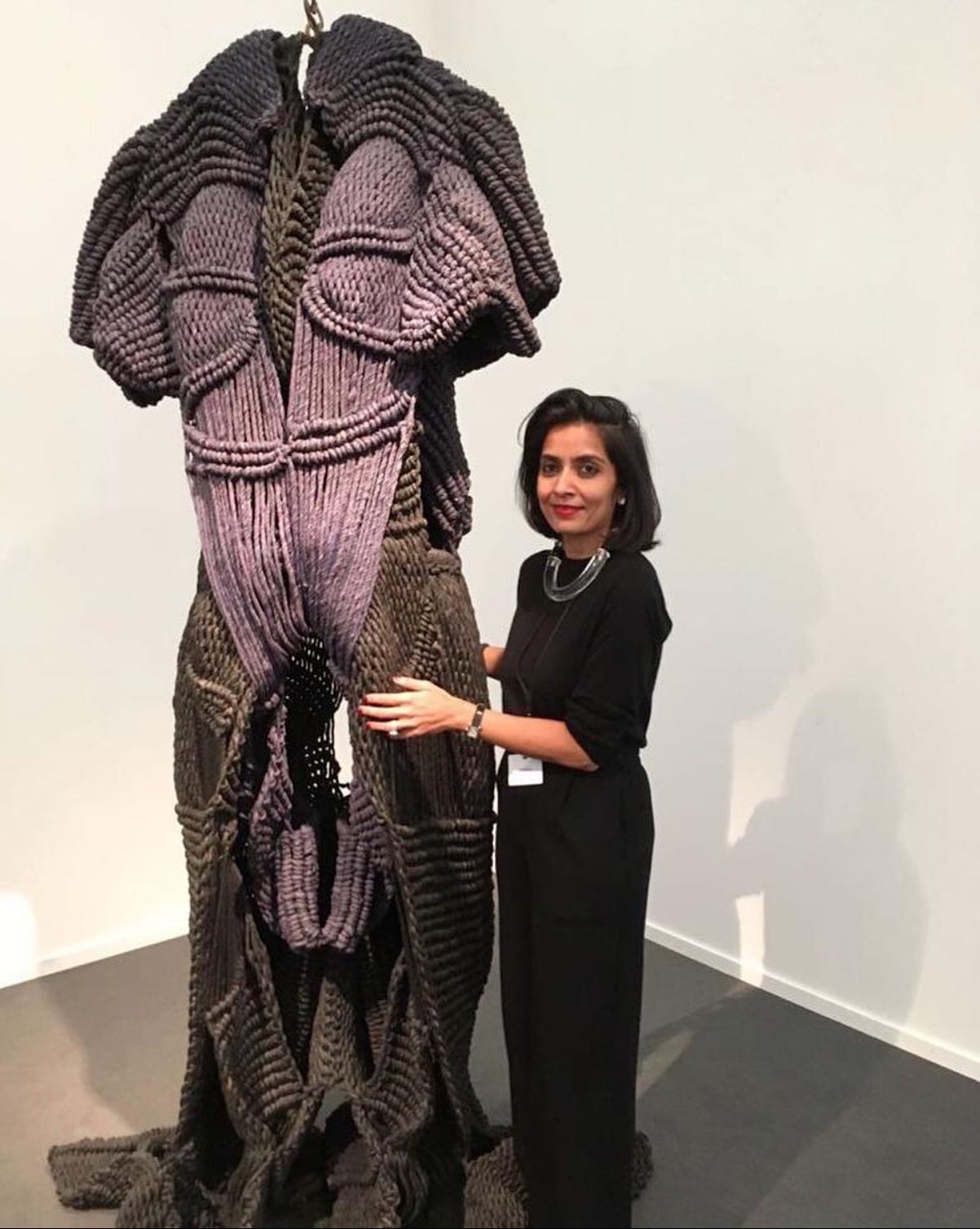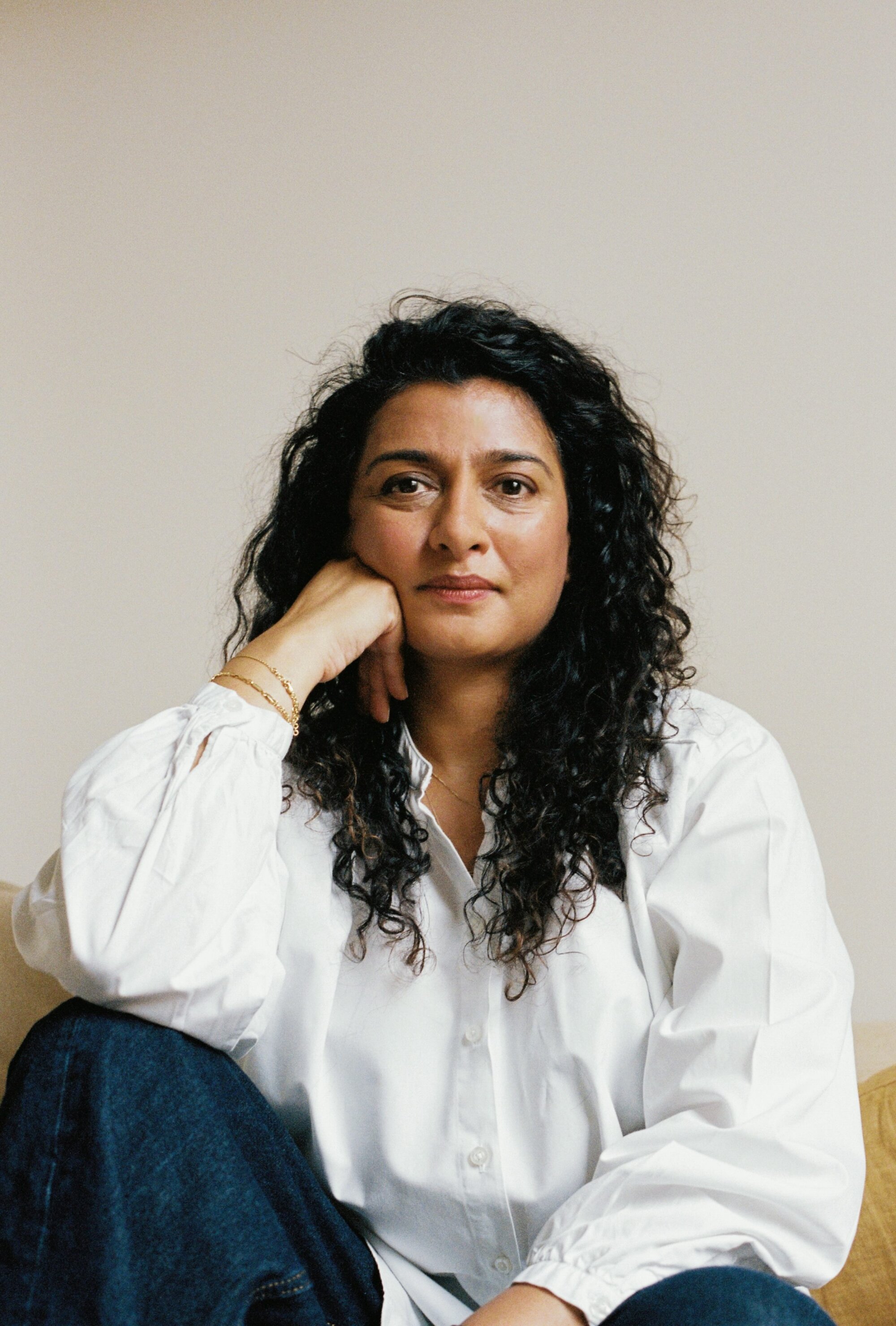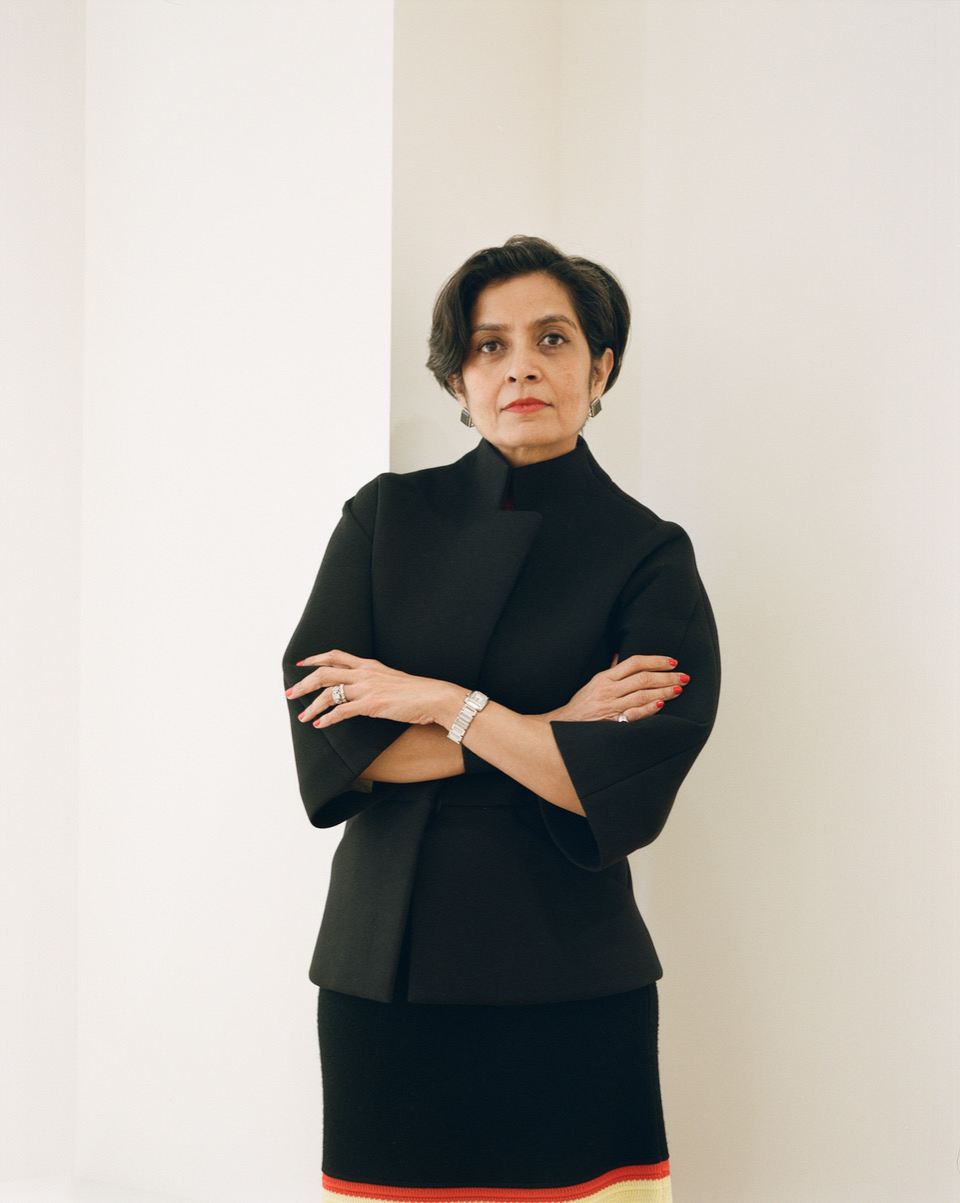
The Wick Culture - Photo: Matthew Cole The Wick Culture - Photo: Matthew Cole
Monday Muse

Interview “I Fell Into My Career by Accident”: Amrita Jhaveri on Building a Life in Art

Interview
Amrita Jhaveri
Photography
Matthew Cole
31 August 2026
Interview
Amrita Jhaveri
Photography
Matthew Cole
31 August 2026
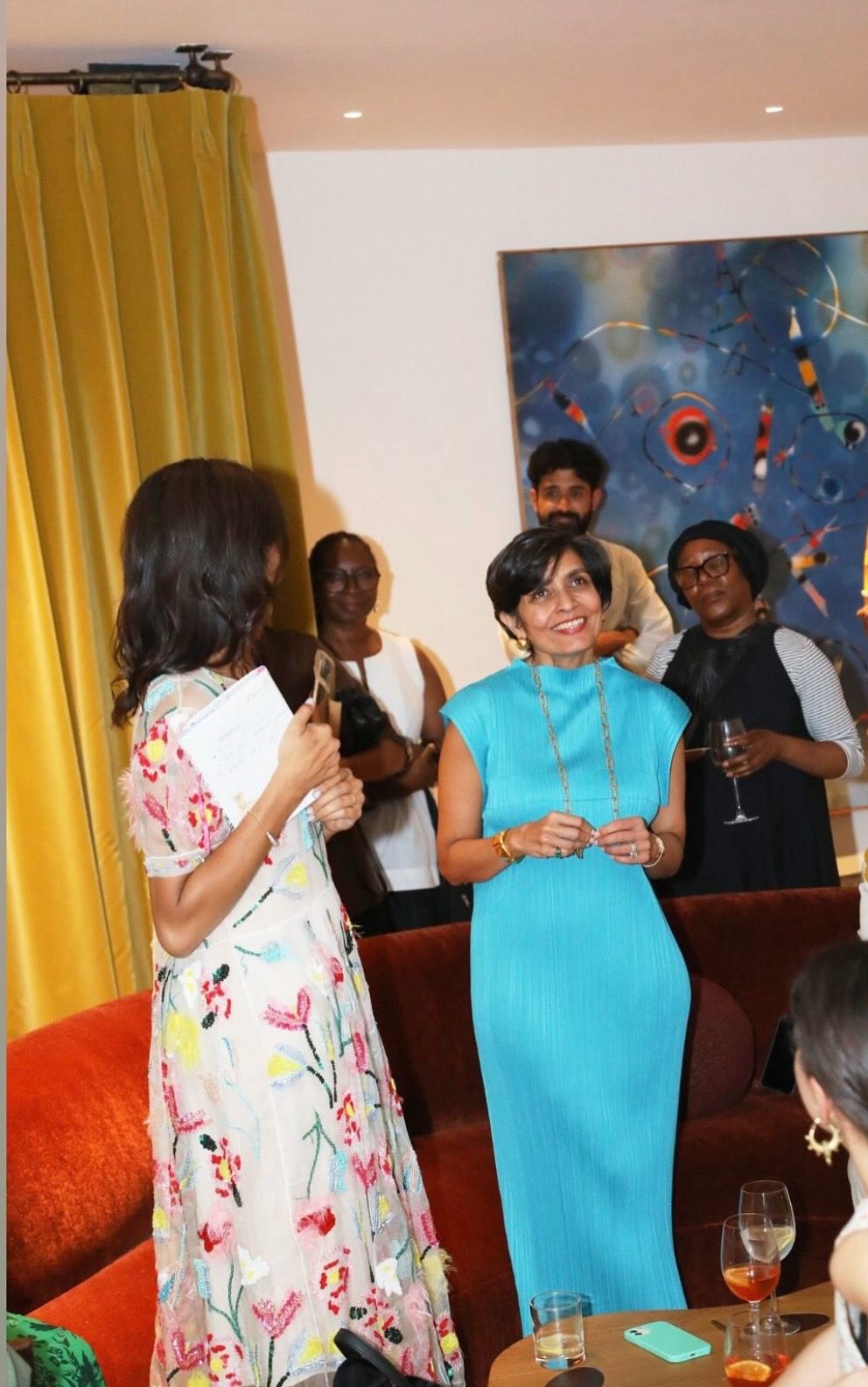
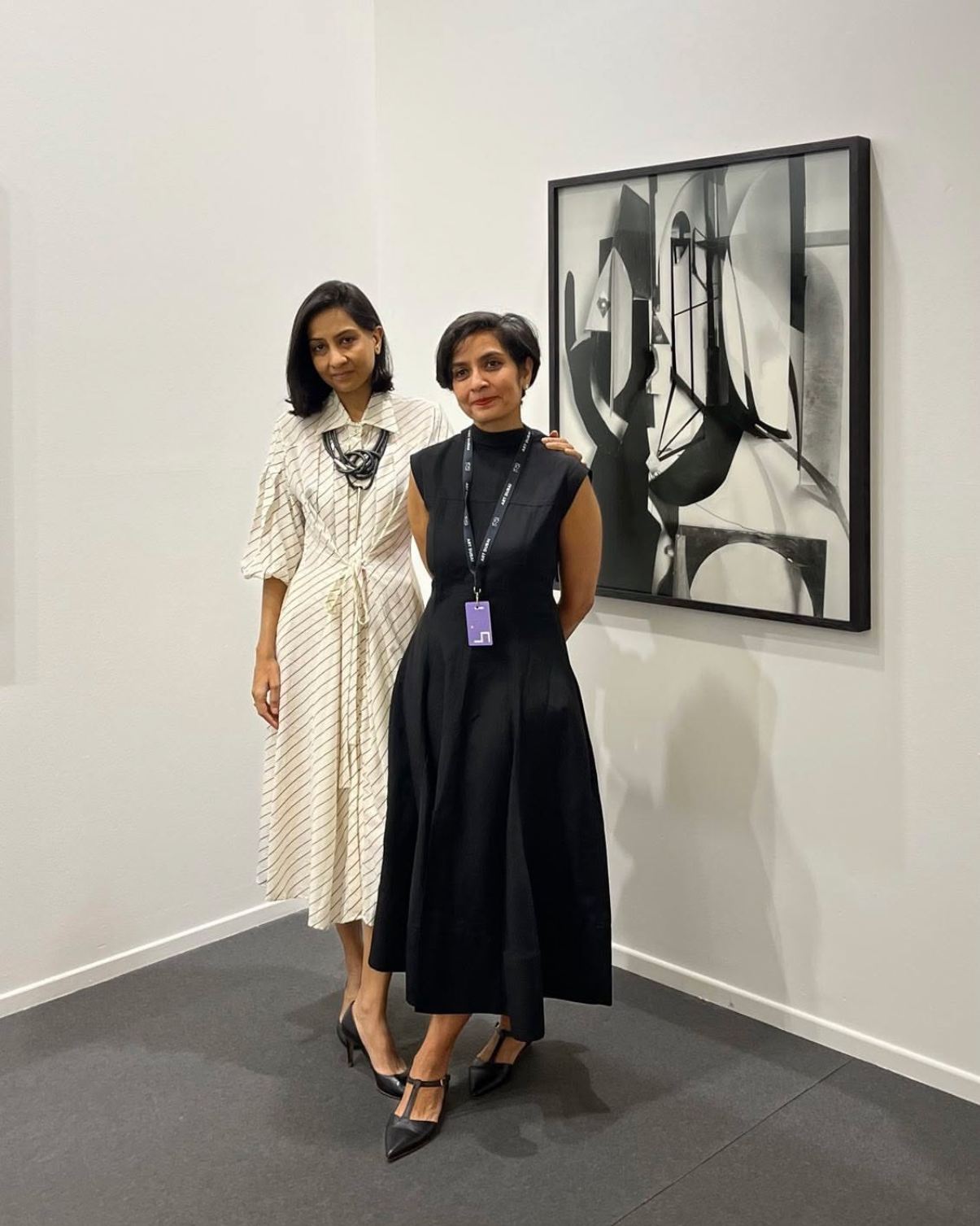
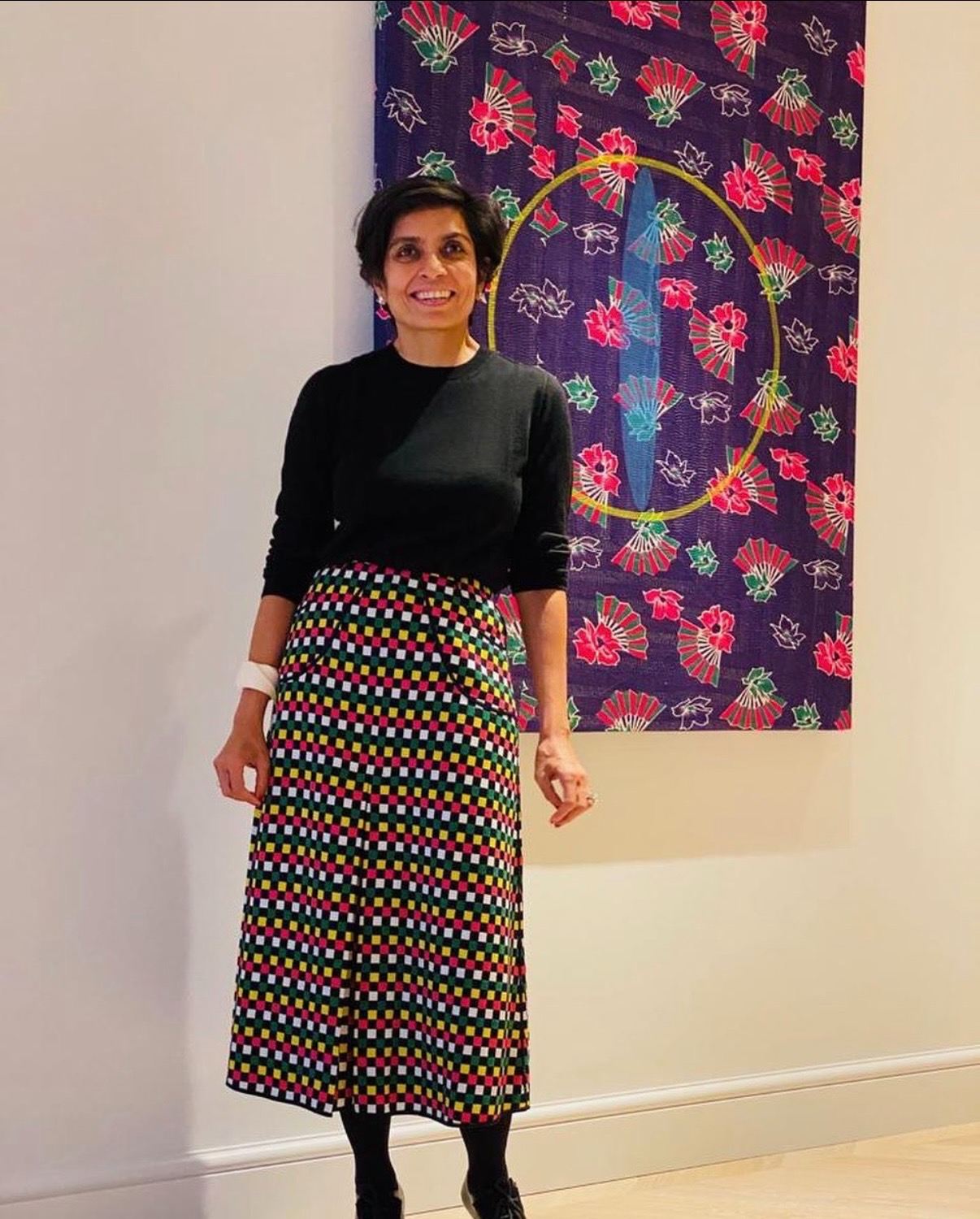
Amrita Jhaveri never set out to build a life in the art world. Over three decades later, after establishing Christie’s presence in India, writing an authoritative guide to modern and contemporary Indian art and founding one of Mumbai’s most respected galleries, it has proved a remarkably productive turn of events. Jhaveri was studying comparative literature at university when a professor first encouraged her towards the arts. By the 1990s she was helping Christie’s establish itself in India, learning, as she puts it, by being “thrown in the deep end” at a moment when the market for modern and contemporary Indian art was only beginning to find an international audience.

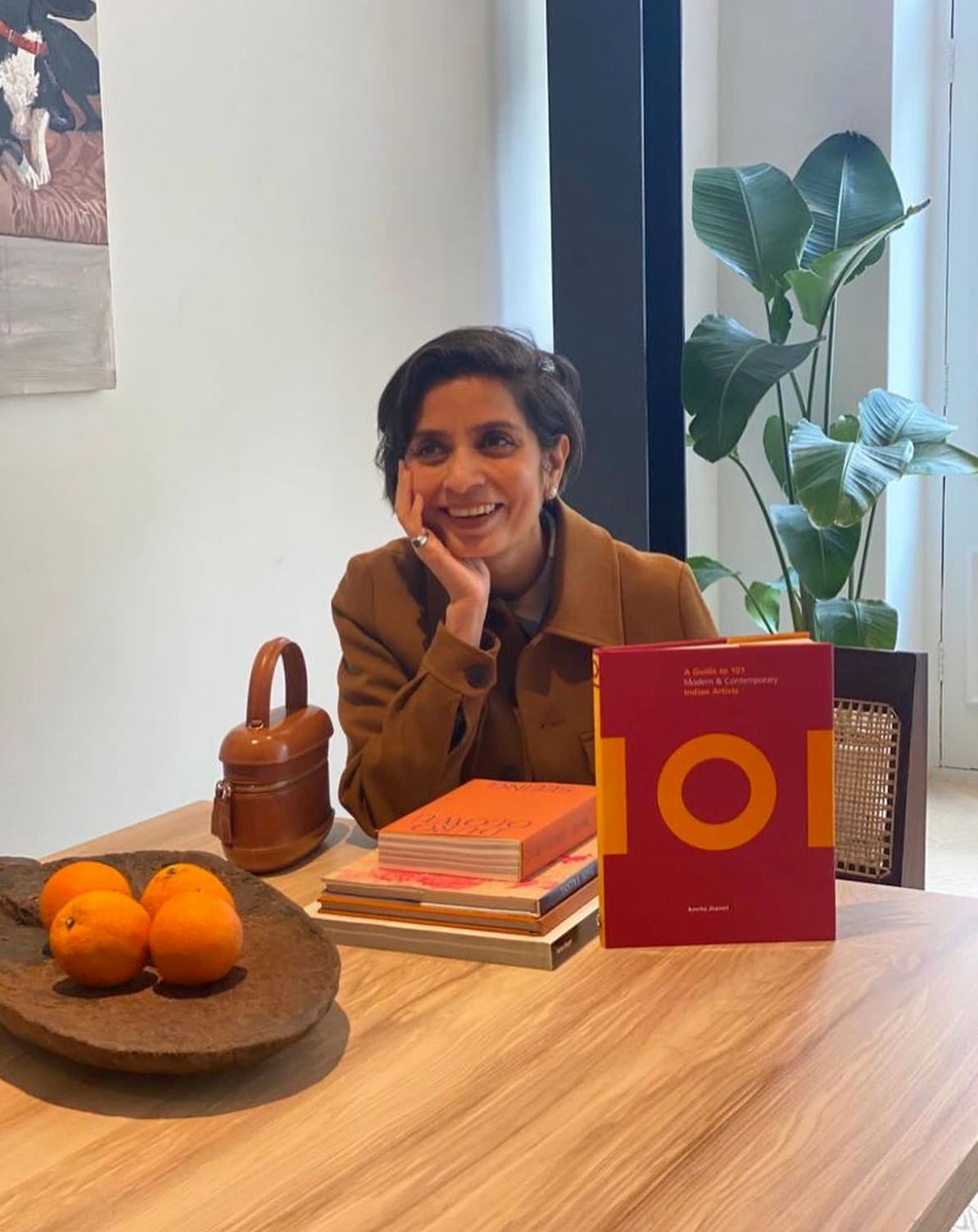
Jhaveri went on to work independently with private and corporate collections, artist projects and large-scale commissions, before establishing Jhaveri Contemporary in Mumbai with her sister Priya in 2010. The gallery has since become an important international platform for artists connected to South Asia, bringing emerging voices into conversation with overlooked figures from its modern art histories. This curiosity has carried beyond the gallery walls too: Jhaveri co-curated ‘Thinking Tantra’ at Drawing Room in London and ‘South Asian Modernists 1953–63’ at the Whitworth in Manchester and is a trustee of the Kochi Biennale Foundation. Her 2005 book, ‘A Guide to 101 Modern and Contemporary Indian Artists’, written with Priya as her editor, captured an art scene on the cusp of monumental change.

This September, Jhaveri Contemporary brings this conversation to London with two concurrent presentations at Frieze’s No.9 Cork Street. Fiza Khatri’s ‘The Great Rebuild!’ and Kirtika Kain’s ‘Chronicles / Mimetics’ bring together artists of the same generation whose works emerge from very different communities and visual languages. Ahead of the exhibitions, The Wick caught up with Jhaveri to trace the accidental beginnings of a life in art, hear her take on what is still misunderstood about Indian art today and discover why Amrita Sher-Gil – after whom she was named – remains her ultimate Monday Muse.

THE WICK:   What does a typical Monday morning look like for you?

Amrita Jhaveri:   6.00am alarm, a strong coffee, 7.30am to the gym, breakfast at home before I get to work by 10.00am. As I work with India, which is 5 hours ahead, my inbox is already full!

TW:   What first drew you to a career in the arts? Was there a particular artist, exhibition or experience that sparked your interest?

AJ:   I fell into my career by accident, inspired by a professor at university where I was studying comparative literature.

TW:   Before founding Jhaveri Contemporary, you helped establish Christie’s presence in India in the mid-1990s. What did that experience teach you about the Indian art market and what ultimately made you want to open a gallery of your own?

AJ:   My career at Christie’s was brief but intense. I had to teach myself everything as I was thrown in the deep end.

My time there taught me to be entrepreneurial, which was helpful when setting up a gallery. I had never worked at a gallery previously.

“My career at Christie’s was intense. I had to teach myself everything as I was thrown in the deep end. [But] my time there taught me to be entrepreneurial…”

Amrita Jhaveri

TW:   You published A Guide to 101 Modern and Contemporary Indian Artists. What inspired you to write the book and what was the most surprising thing you found in writing it?

AJ:   I was approached to write a book when I decided to leave Christie’s and was setting up to be an advisor. The most surprising thing was working alongside my sister Priya, who was my editor. She was terrific. We continue to work together.
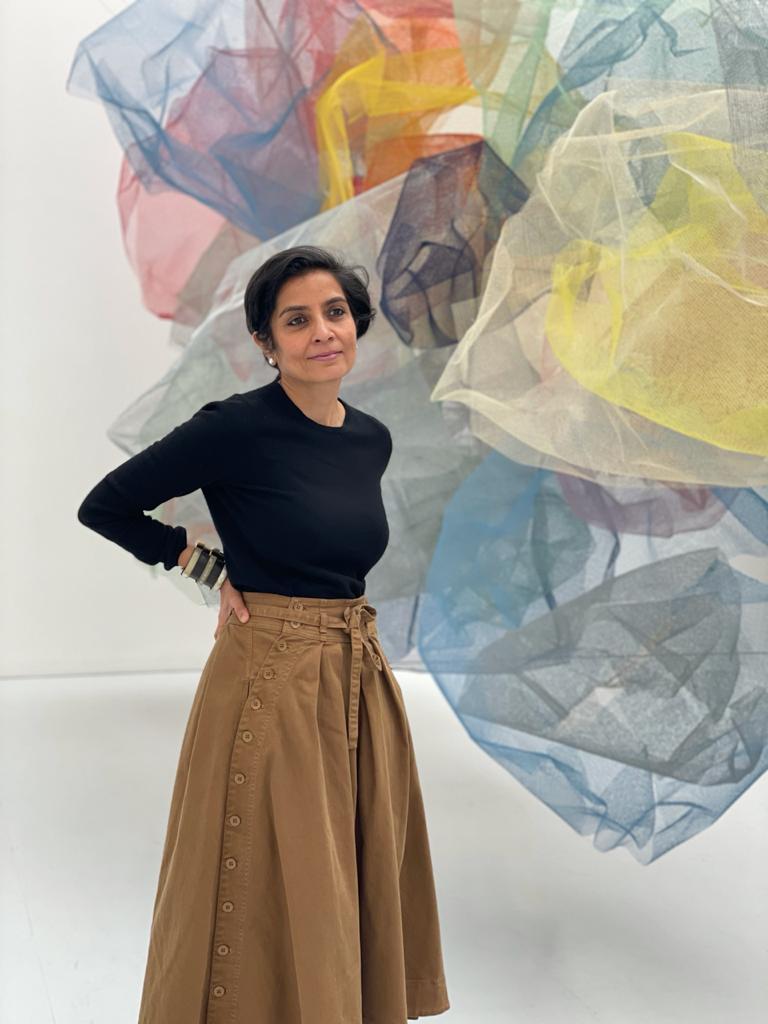
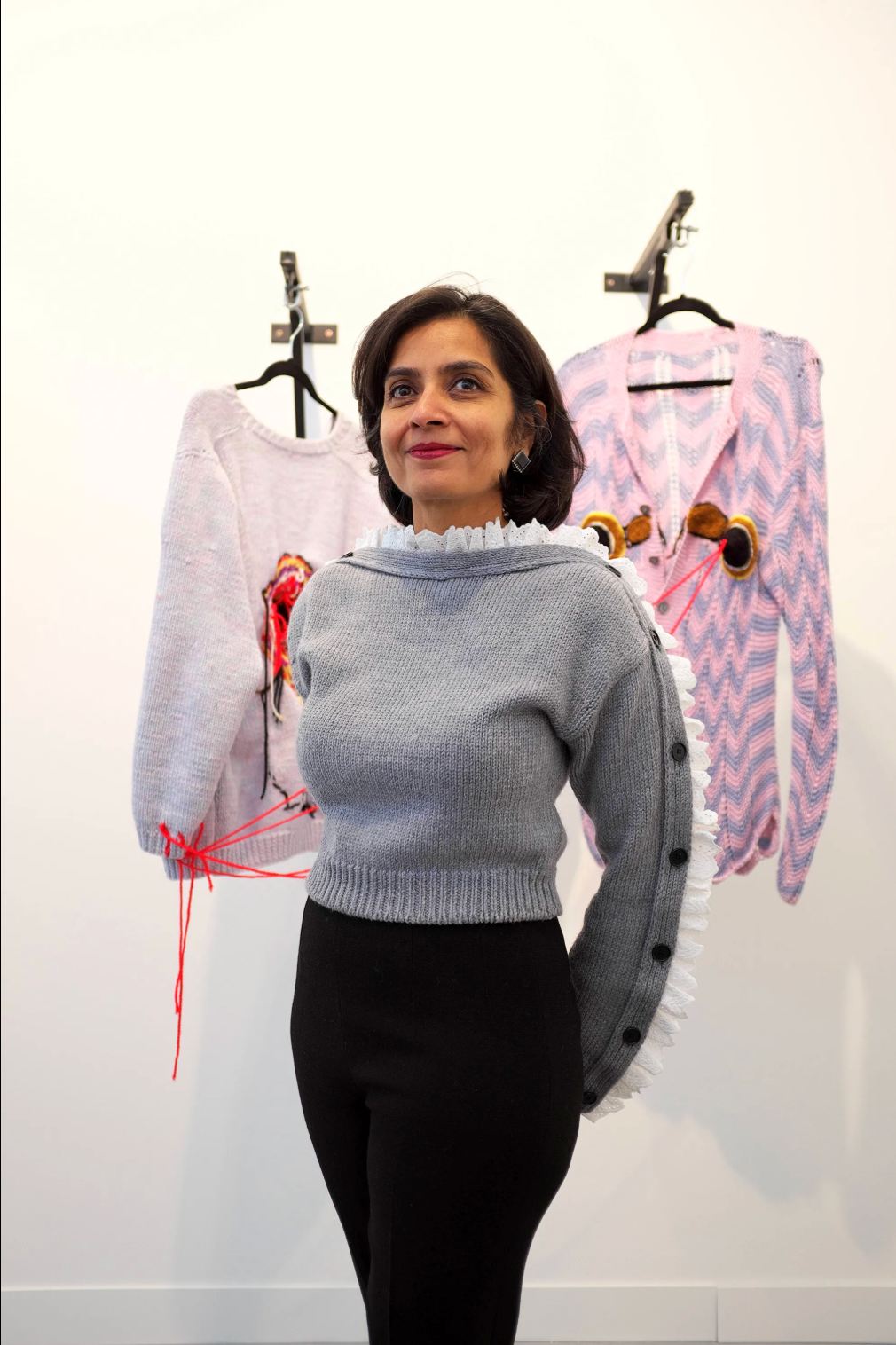
TW:   Indian and South Asian artists have gained significantly greater international visibility in recent years. In your view, what is the key factor driving that shift and what do you feel is still misunderstood or overlooked?

AJ:   The growth of the economy in India has fed into the market for Indian art. I think people always think of Indian art as being maximal, but it can also be very minimal and spare.

TW:   Whose advice has been most valuable to you as a female founder and what was it?

AJ:   The advice I had from my partner, who said I should never start a gallery, was invaluable, as that is exactly what I proceeded to do!

TW:   Where is your favourite Culturally Curious spot in Mumbai and London?

AJ:   In Mumbai, it’s G5A or JNAF, which I always enjoy. In London, it’s Raven Row, YDP and The Perimeter for the wonderful work they do, but also my workspace, which is thanks to my lovely friend Sonam Kapoor, who has made it such a happy place to work from.

TW:   Jhaveri Contemporary is presenting two concurrent exhibitions at Frieze’s No.9 Cork Street this September: The Great Rebuild!, a new body of work by Fiza Khatri, and Chronicles / Mimetics by Kirtika Kain. What made you want to bring these two exhibitions to London?

AJ:   Both artists are of the same generation but from different communities – Fiza is embedded in the queer space and Kirtika in the Dalit community. Fiza makes figurative painting, Kirtika makes abstract work. Fiza lives in the US and Kirtika in Australia. Their works are so far apart but speak to one another in surprising ways.

TW:   Which Asian designers will you be wearing to Frieze week events?

AJ:   Pero, Raw Mango and Duro Olowu, who is not Asian but whose work I love to wear.

TW:   What are you reading right now?

AJ:   ‘First House’ by Avni Doshi.

TW:   Finally, who is your Monday Muse (alive or dead) and why?

AJ:   My Monday Muse is Amrita Sher-Gil. I was named after her and embrace her independent, bohemian spirit.


Share story

READ MORE
The Wick Culture - Natasha Shafi photographed by Hannah Dace, 2026
Monday Muse

Interview Inside Natasha Shafi’s World of Artful Travel

The Wick Culture - © Cleo Leather
Monday Muse

Interview Vanessa Branson

The Wick Culture - Zineb Sedira. Photo: Adrian Flower
Monday Muse

Interview Zineb Sedira Is Letting Cinema Speak

The Wick Culture - Above: Rana Begum. Courtesy of SCAD
Monday Muse

Interview Rana Begum

The Wick Culture - Aoife Leach Headshot
Monday Muse

Interview Aoife Leach

The Wick Culture - Sophia Thakur. Courtesy of the artist
Monday Muse

Interview Award-winning Poet Sophia Thakur on Poetry, Faith, Music and the Power of Language