Interview Rana Begum
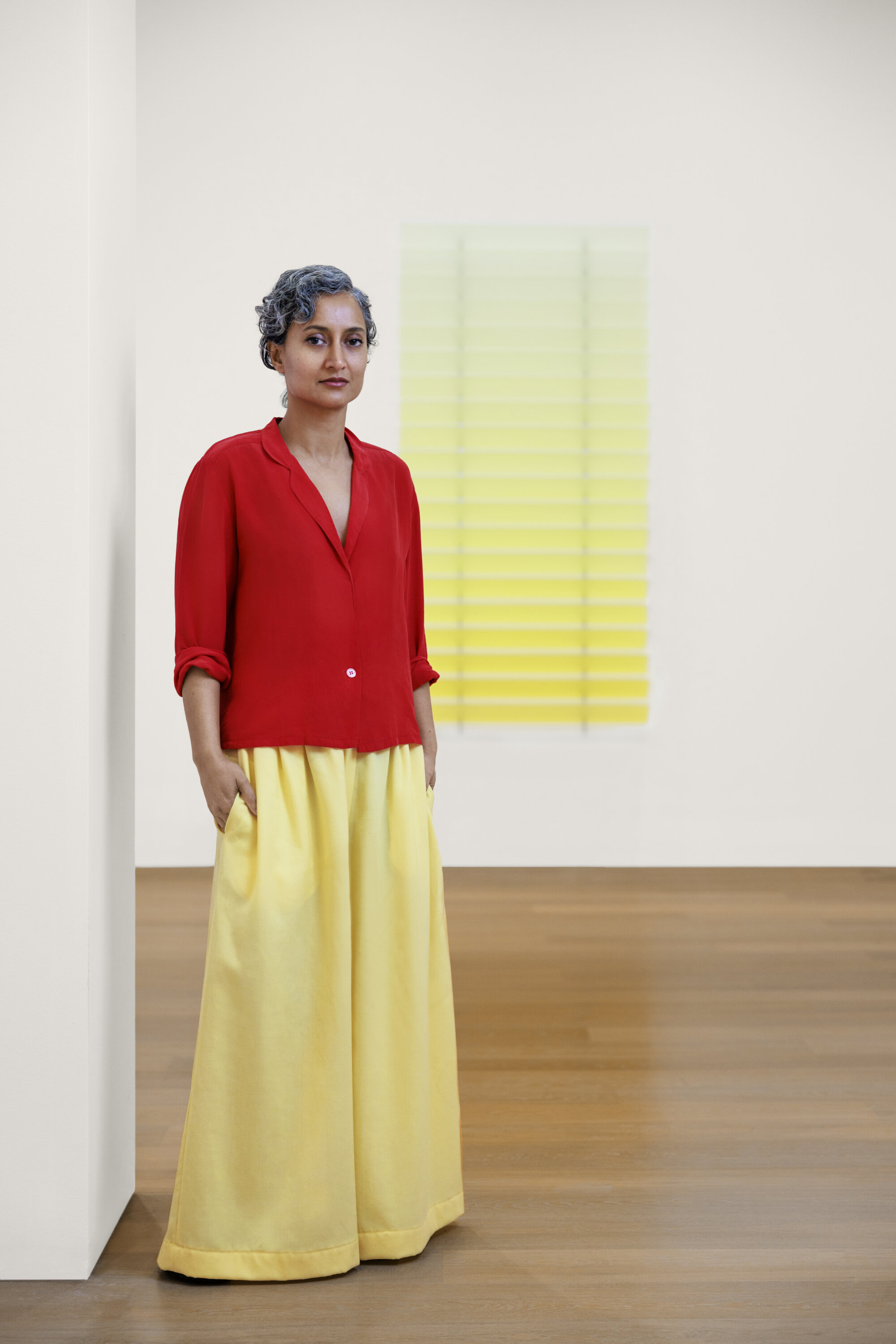
Born in Bangladesh in 1977 and raised in England, Begum’s story is one of two worlds held in exquisite tension. The rhythmic repetition of childhood Qur’anic recitals; the geometric intricacy of Islamic art and architecture; the industrial textures of the British cityscape, all distilled into work that is at once Minimalist and deeply alive. Meditative but electric. A Royal Academician and recipient of both the Jack Goldhill Award for Sculpture (2012) and the Abraaj Group Art Prize (2017), Begum has built a body of work that collectors covet and institutions compete for, but that ultimately belongs to anyone who has ever stood before it and felt inexplicably moved.
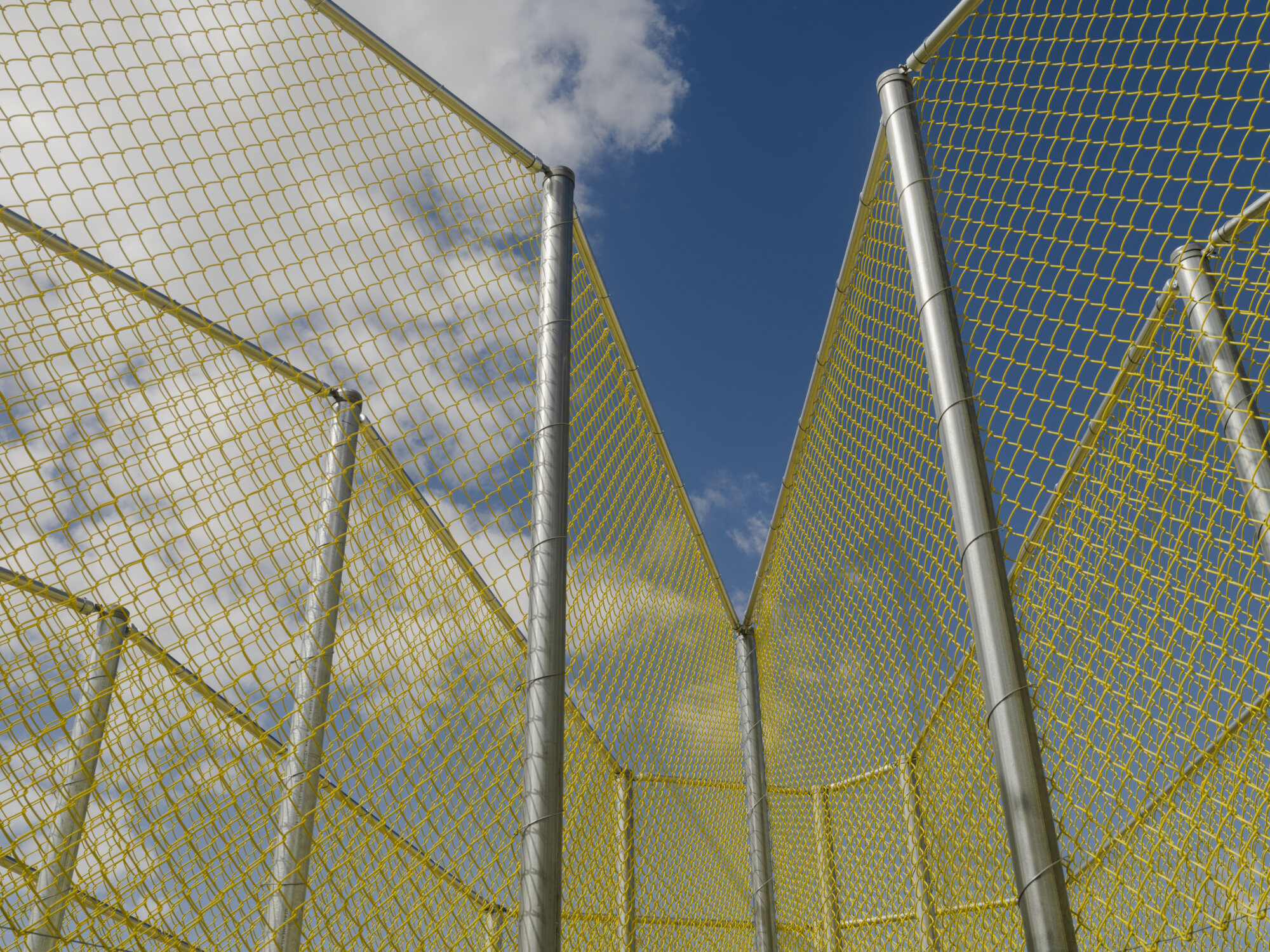
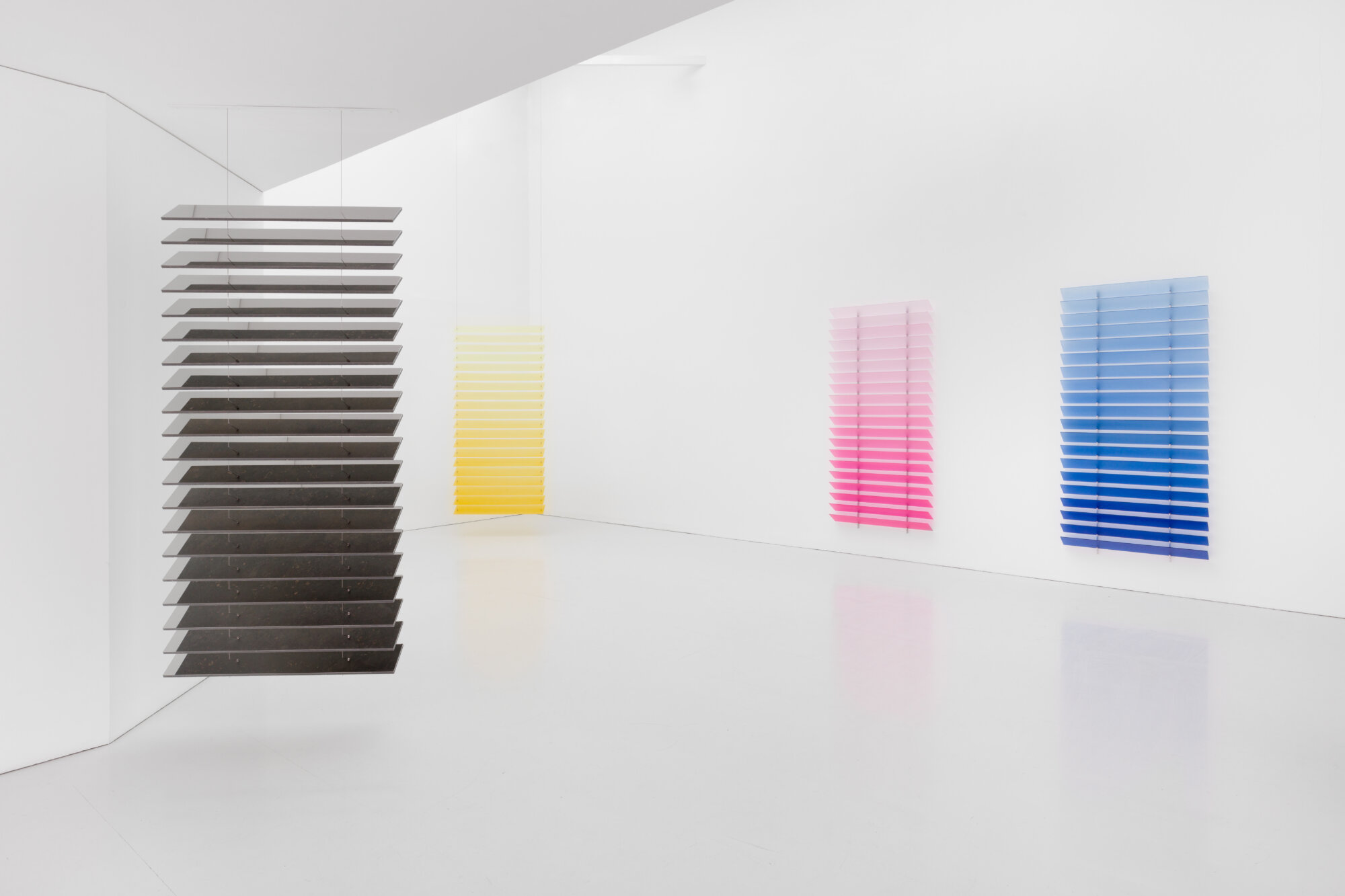
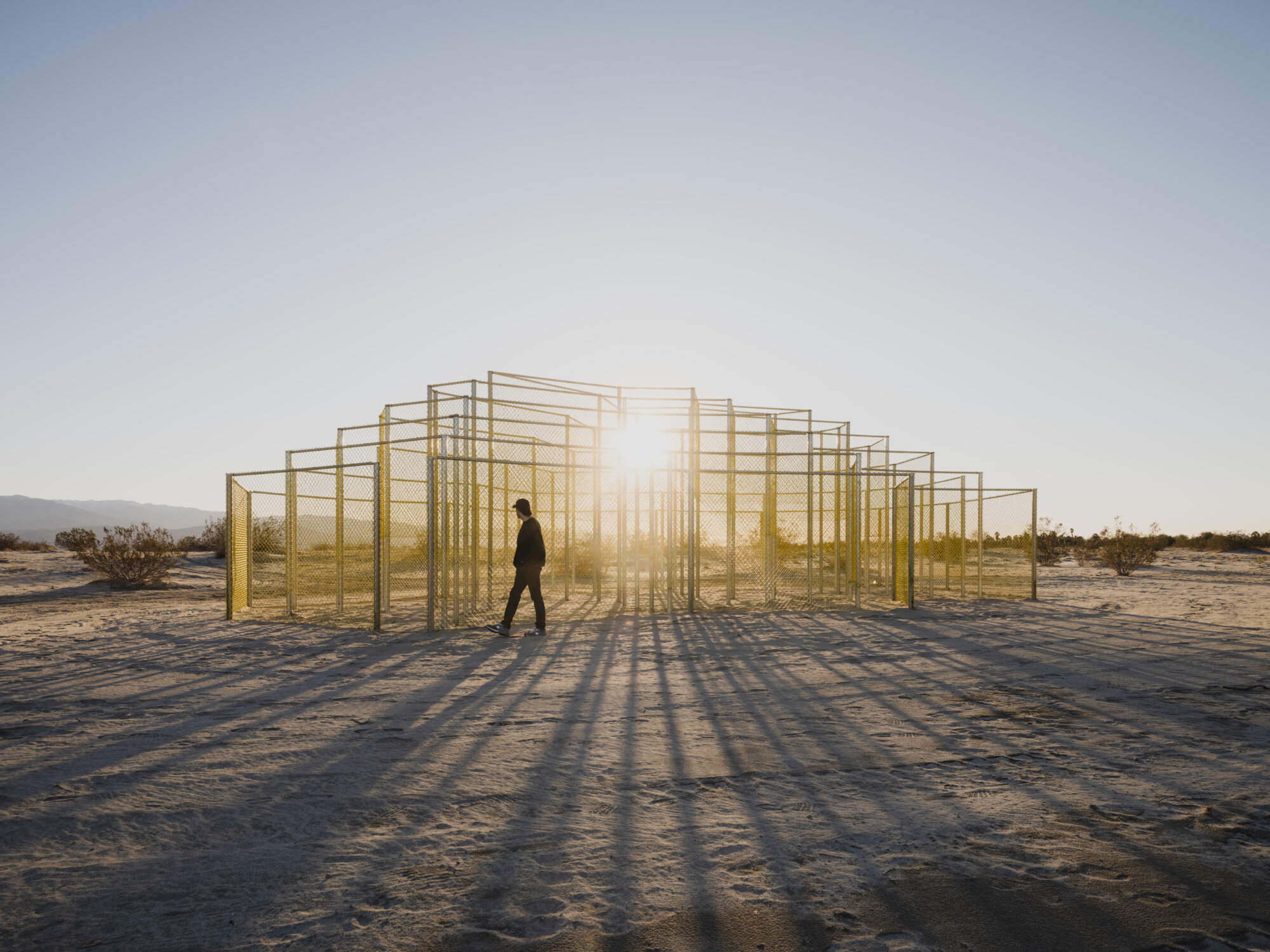
Her material language is defiantly unexpected: automobile light reflectors, safety tape, chain-link fencing, metal and glass panels. In Begum’s hands, these industrial staples become the building blocks of something almost transcendent: sculptures and installations that absorb and reflect light with an alchemist’s precision, shifting as you move around them, as the seasons change and as the daylight hours shift. With a BA from Chelsea and an MFA from the Slade, she has spent over two decades blurring every boundary she encounters, between sculpture and painting, architecture and landscape, the sacred and the everyday.
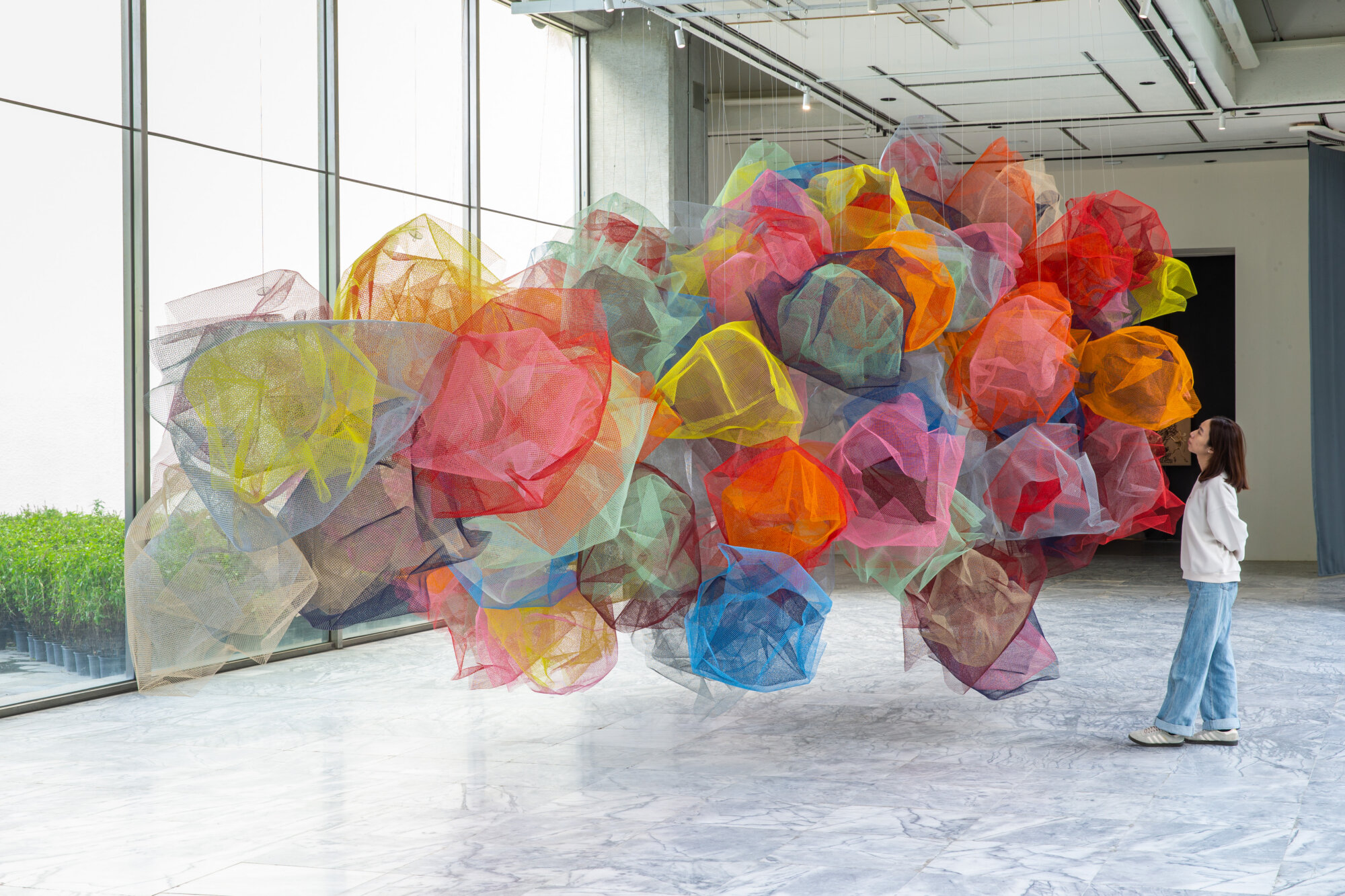
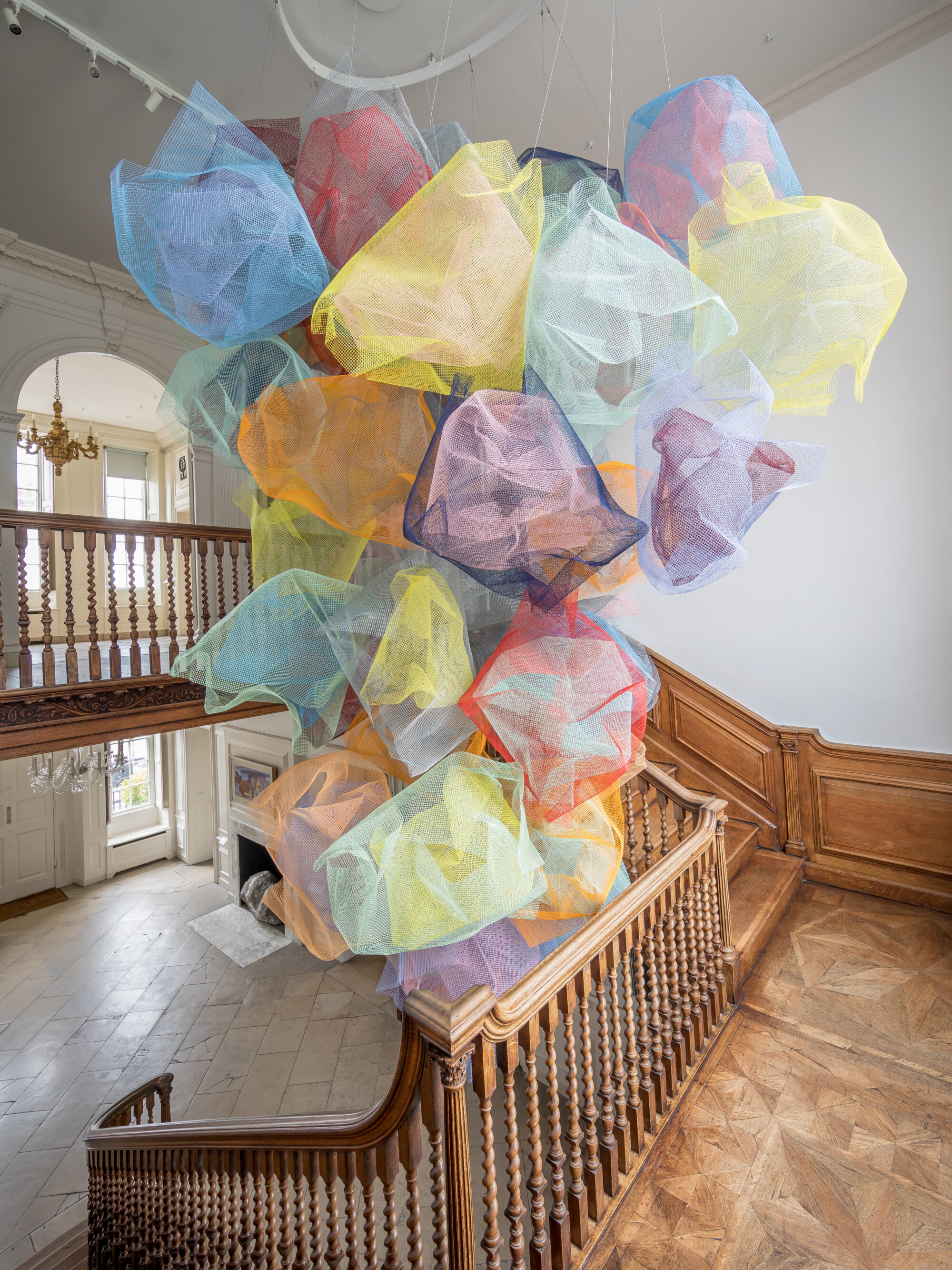
Her public commissions are the stuff of a great city’s visual memory from clouds of coloured mesh suspended above east London on The Line, to cascading installations through an 18th-century staircase at Pallant House Gallery. Further afield, her work has also been shown at: Desert X, Whitechapel Gallery, Yorkshire Sculpture Park, Dhaka Art Summit and SCAD Museum of Art.
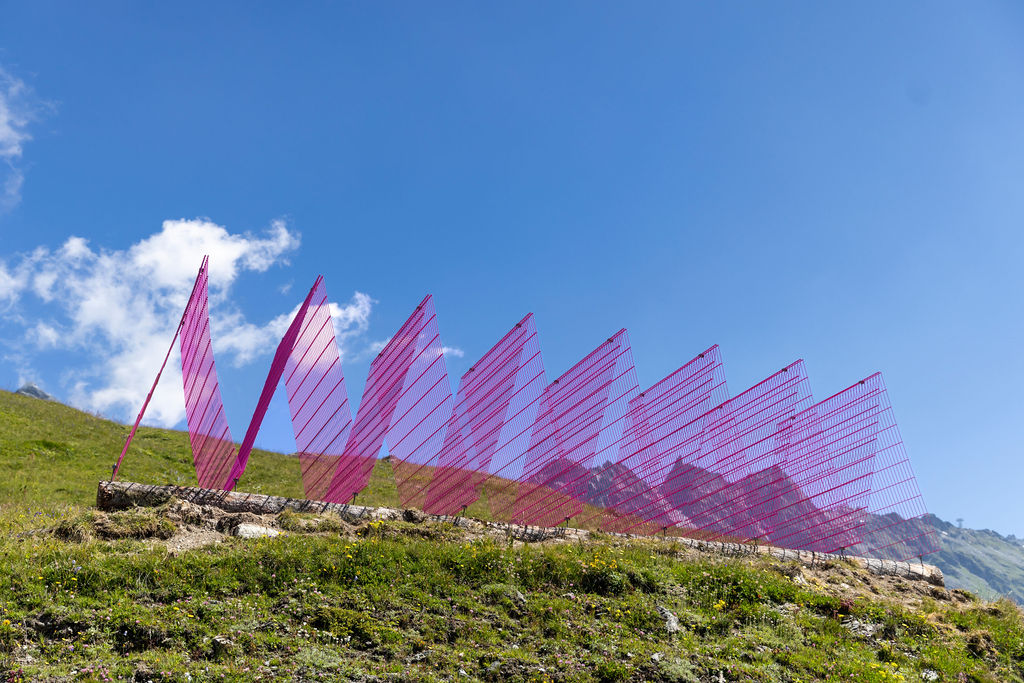
Now, the natural world beckons. Opening on 5 June as part of Henry Moore and More – a landmark year-long outdoor exhibition at Wakehurst, in partnership with the Henry Moore Foundation and Institute – Begum unveils No. 1604 Mesh, a 14-metre-long world premiere commission unlike anything she has made before. We catch up with the artist to find out more…
THE WICK: What does a typical Monday look like for you?
Rana Begum: Usually getting kids ready for school and then studio. On the first day of the week we usually have a team meeting and go through various jobs, projects and series of work. I am trying to be in the studio more than in the office in front of the computer!
TW: You were born in Bangladesh. How did these early experiences inform your practice?
RB:
I was in Bangladesh until I was 8 years old, and spent a lot of time outdoors surrounded by rice fields and water. Those early experiences are imprinted in my memory; it is never forgotten. The experience of light from the morning to the late afternoon always used to amaze me and continues to have an impact on my work.
I have memories of reading the Quran in a small mosque in the village that I grew up in. It’s basically a square room with windows on all sides and a water fountain at the front. I remember how each morning the light would flood in through the windows and you would have sound of the water and repetition of the suras, it was just beautiful. The space, the sound, the light became one element that you are immersed in.
TW: Your work blends worlds of painting, sculpture, and architecture, resisting categorisation. How do you work with space and visual experience to create what you call ‘ordered form’?
RB:
For me light and space exist as one. I am fascinated with natural light and how it affects the viewer. We often take light for granted and I think what I am trying to say is through constructed space light becomes very real. It enters a space and becomes as significant and tangible as the materials used to construct the space.
Whether or not I am working with painting, sculpture, installation or architecture, the rhythm of the geometry, the breath and the layering of colour combine to create a feeling of presence and contemplation. The works are activated by the movement of the viewer and the natural, rhythmic changes in light.
TW: You have had iconic installations at Pallant House, The Line, Verbier and MFA Boston. What would be your dream collaboration or project?
RB:
I have been very fortunate because I have been able to explore and see my work in various different scales and settings. I find collaborations exciting, they really challenge my practice. I’m currently working on few dream projects in the UK and Finland that I’m excited about unveiling: Kew Wakehurst, Towner Gallery and Oulu!
As far as dream projects, there are so many places I would love to show my work in one day, like Chinati Foundation, Dia Beacon and Storm King.
“Public art can act as a great catalyst for conversation, new experiences and ideas. It should be accessible to as many people as possible: it’s an important part of creating new experiences and moments to connect with our urban and natural environments.”