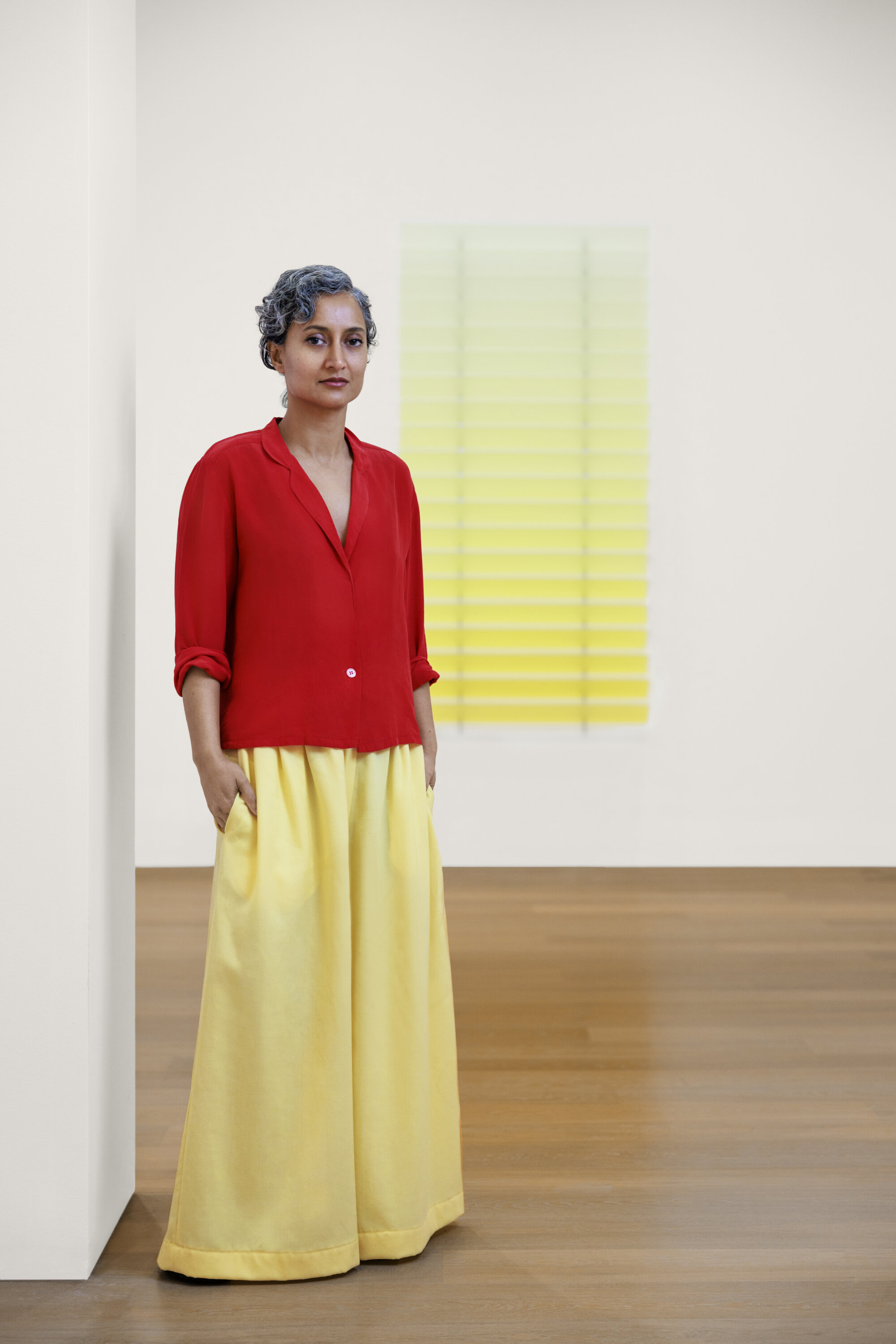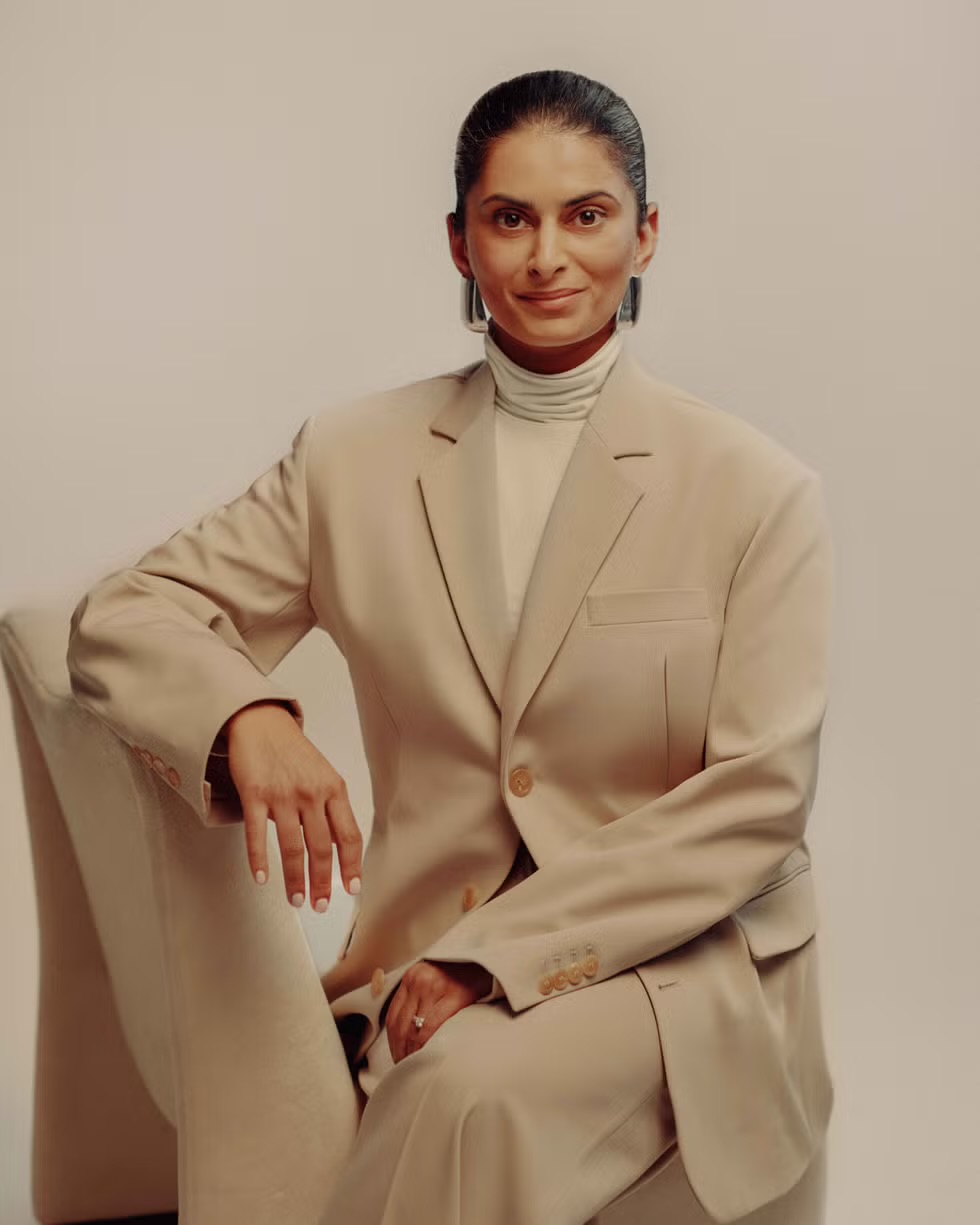
The Wick Culture - Photographed by Sophia Spring The Wick Culture - Photographed by Sophia Spring
Monday Muse

Interview Bags of Ethics Chief Executive Smruti Sriram, OBE

Interview
Smruti Sriram OBE
Photography
Sophia Spring
23 March 2026
Interview
Smruti Sriram OBE
Photography
Sophia Spring
23 March 2026
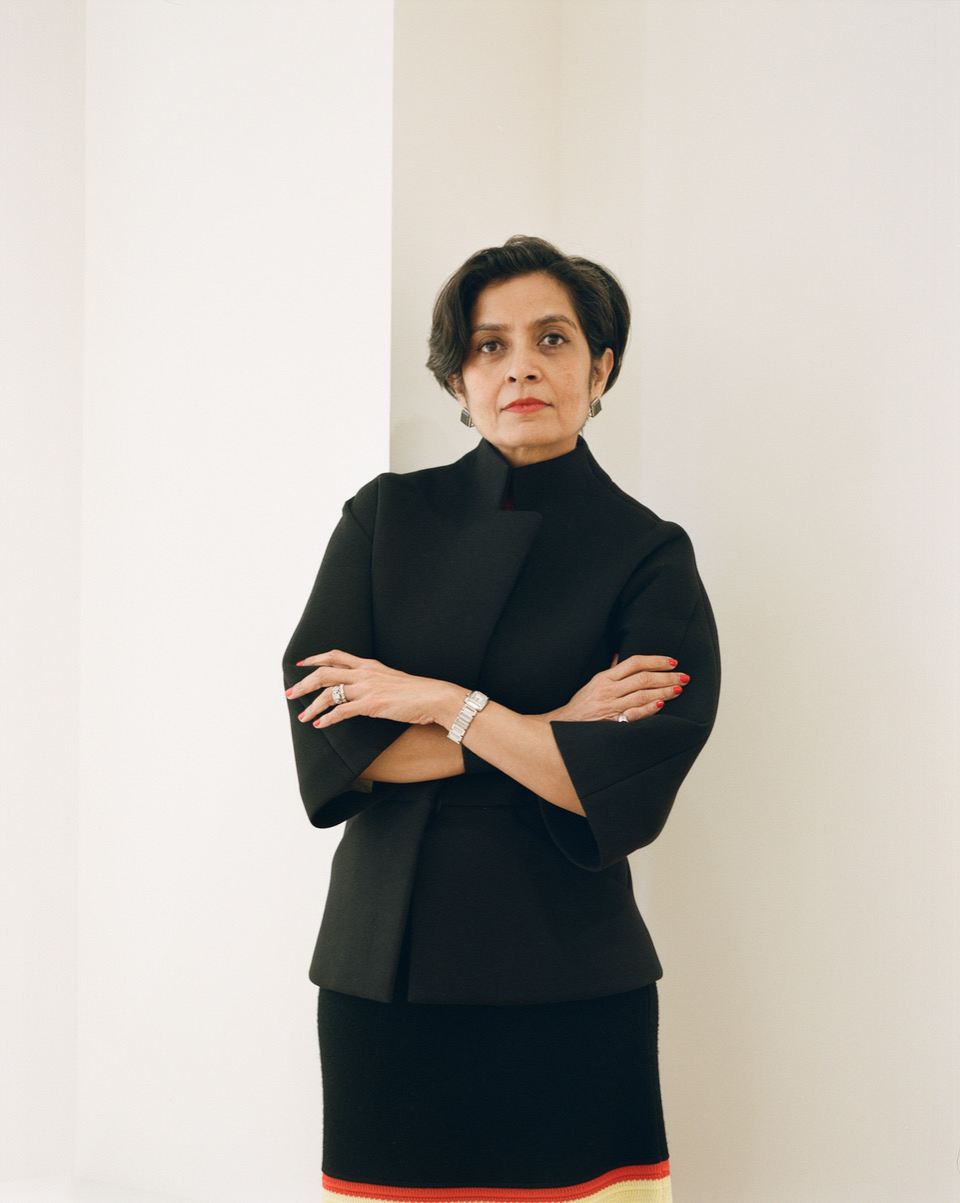
Smruti Sriram is a dynamic leader who brings equal parts sharp strategy and infectious energy to everything she does. As Chief Executive of Bags of Ethics and CEO of Supreme Creations, the world’s largest ethical manufacturer of reusable bags, she has built a reputation for turning ambitious ideas into tangible impact, steering organisations with clarity, creativity, and a people-first mindset. Supreme has received awards from HM King Charles III and is the COP26 Business Ambassador, and Smruti has led many collaboration projects for charity including for British Fashion Council, Fashion Trust Arabia, Queen’s Green Canopy. She is a BBC 100 Women and Veuve Clicquot Young Woman of the Year finalist. Smruti is known for championing growth that actually means something – at the company’s factory in Pondicherry, women make up 90% of the workforce. She’s been recognised with numerous awards and accolades, not least an OBE. Sriram is not just leading organisations; she’s reshaping what leadership looks like today. The Wick caught up with Sriram to learn more about her typical Monday, the importance of humility and where she loves spending precious free time in London.

THE WICK:   As a CEO of an international organisation, what does a typical Monday look like for you?

Smruti Sriram:   Mondays are full and energising. I wake up at 5:20am, put on my gym gear, and head to a strength training session at my local semi-private PT gym. After that, I come home, shower, and prepare snacks and lunch for my five-year-old son before dropping him off at school. Then I head to work. My day usually starts with my team, reviewing sales figures and going through current opportunities. I’m in constant communication with our factory team in Pondicherry, where all our manufacturing takes place, and we collaborate on product development. I also have meetings with clients, connecting our factory, atelier, pattern makers, and design studio with global brands. These brands bring intricate and inspiring design briefs that we bring to life on the production floor. Our HQ team in London is highly global, so we’re often planning travel for shows, events, and trade shows across the industries we supply, whether that’s beauty, interiors, architecture, fashion, art, or food and beverage. If I have external meetings, I attend those as well. And if I’m on school pickup duty, I’ll do that while continuing to work on my phone. My phone is essentially my office when I’m not at my desk. Because of the time zones, my mornings are with India, my evenings are with Europe, and occasionally I connect with the US.

TW:   You’ve teamed up with major brands such as Dior, London Fashion Week and Selfridges. What place does eco-merchandise have in the world of fashion, luxury and art?

SS:   I strongly believe in the power of design. It touches every aspect of our lives, including fashion, luxury, and art. When a product is beautifully designed, clever, sustainably made, and doesn’t involve waste, it creates an emotional connection. It speaks to the heart and soul of the consumer. People are drawn to it visually, but they keep it because of its quality and purpose. Sustainability and design are truly a match made in heaven. A product can be desirable and responsible at the same time, whether through reusable materials, compostable elements, or long-lasting design. People may aim for that product because of its beauty, but they may keep it for a long time because it’s been made in a way that is highly sustainable.

TW:   You’ve worked with so many creatives to make your products. Who would be your dream artist to collaborate with, and which artistic project are you most proud of to date?

SS:   I’m most proud of our pandemic project, where we raised well over £1 million to support British fashion designers, the NHS, and our children’s charity, Wings of Hope. We created designer face masks made from reusable cotton in our factory. They became a number one product and consistently sold out across our retail partners. It was a dream, and I was so blessed to have several friends at the British Fashion Council believe in the fact that we could be the number one reusable face mask brand for the country and raise so much money during the pandemic. We collaborated with incredible designers including Julien MacDonald, Mulberry, Liam Hodges, Raeburn, Rixo, and Halpern. Since then, we’ve worked with global designers such as Zuhair Murad, Rahul Mishra, Manish Malhotra, Priya Ahluwalia, Erdem, and Simone Rocha. We’ve worked with loads of brilliant artists globally. My dream collaborator would be Maria Grazia Chiuri. I admire her bold feminist approach to design, her understanding of the female form, and her commitment to global craftsmanship, especially her work with Indian artisans and her relationship with the Chanakya School of Craft in India. I think she is an incredible designer, incredibly inspiring, very humble, and someone who uses her platform to showcase the power of women and design.

TW:   You’re a co-founder of the Wings of Hope Children’s Charity, an organisation dedicated to improving the life skills of children across the globe. What is your big goal for future generations?

SS:   My goal is to keep optimism and entrepreneurial spirit alive and cherished. Entrepreneurs are the backbone, the beating heart, of every country. They take risks, bet on themselves, create jobs, work with a variety of suppliers, cater to unique and new audiences, innovate, and build communities. I strongly believe in social entrepreneurship, combining business with purpose. Social entrepreneurs really are the heart and soul of communities. Future generations should feel empowered to be bold leaders, strong communicators, and collaborative thinkers. I hope they don’t get stymied in any way and are constantly being pushed to be entrepreneurial, to push their skills in communication, teamwork, and collaboration, and, most importantly, in bold leadership.

“I strongly believe in social entrepreneurship, combining business with purpose. Social entrepreneurs really are the heart and soul of communities.”

TW:   Your top cultural spots in London and beyond?

SS:   My first is the Natural History Museum. I’ve become a member because my son loves animals and dinosaurs, so we regularly go there. I love it because of its incredible architecture. They’ve got a beautiful garden at the front where the dinosaurs in brass are on full display, wonderful Tasmanian ferns which are prehistoric, and beautiful footprints of different animals engraved into the stone. It’s a wonderful area for us all to walk through, and they also have a lovely garden kitchen. As a member, you get access to the Anning Rooms on the top floors of the Natural History Museum, so you can look over Kensington, have a lovely meal, and enjoy the library. I really, really love the Natural History Museum.

I also love walking along the Embankment in London, starting from Westminster and walking towards the Savoy and then to St Paul’s. You can see all of the most exquisite sights of London from the river, which is so dreamy, with the cruise boats, the Uber Boat, the London Eye, Westminster, Parliament, and Whitehall all around you. It’s a very nostalgic walk for me. During my gap year, I would get off on the Jubilee line at Westminster and then walk to Embankment, where I was doing my work experience at PwC, so it holds a very special place in my heart.

I really, really, really have absolutely loved visiting Christie’s. It’s not a spot that we can always access, but I think the way the art and artefacts are put together in those huge halls is just so beautiful. It’s a unique auction house, and I’m completely inspired by Anthea Peers. When she gave me a tour of Christie’s, I did fall in love with it.

If I’m allowed to move slightly out of London, the Radcliffe Camera in Oxford holds a very special place in my heart. It’s a central dome-like library in the middle of Oxford, where I studied, and it was my home. Every morning at 9am I would cycle there and hope to get a corner seat in the library where the sunlight would flood in. The librarians were so kind, and it was the meeting spot for lots of friends, but it was also where you studied. It was incredibly quiet, academic, but also sociable. It’s very, very special to me.

I also love Cliveden House, just outside London. It’s a very beautiful country escape with rolling grounds, wonderful forest walks, a brilliant café in a glasshouse, a lovely restaurant in the stables, and a spa. It really caters to everyone, children and adults alike, and it has the most amazing Trevi-style fountain at the entrance.

TW:   You’ve been nominated for a Veuve Clicquot Bold Woman Award this year. What is the best advice you’ve received around leadership, and from whom?

SS:   I’ve been fortunate to learn from many leaders through work experience and mentorship, from agencies to government to global businesses. When I was very young, I applied for a variety of work experience opportunities, so I was able to be amongst brilliant business leaders and lots of women leaders. I did work experience at Saatchi & Saatchi, in the Houses of Parliament, and with a State Senator in California. Two key traits stand out for me.

The first is humility. I think one has to be humble to know what skills you do have and, more importantly, the strong and special skills that your team has. Great leaders know when to step back and let others shine. They know when to tap into those skills, which can be highly specialised and connected to people’s particular passions. Someone who is great on Excel will be perfect when you have a financial question, and someone who is beautifully artistic, perhaps a dancer or a musician within your organisation, may bring a completely different specialist skill or knowledge. Having the humility to recognise that you do not have all of the skills, and that you need to tap into the skills of your team, your friends, your network, and your community, is really important.

The second is collaboration and community. I’m very much a believer in supporting other people on their journeys wherever I can. If I know someone who could be helpful to another person, I’m going to introduce them to each other. This is the power of collaboration. I’ve worked on so many collaborations because I’ve been open-minded about partnerships and about creating win-win situations, whether they’re with designers, artists, retail activations, or for our charity, Wings of Hope, when I’m bringing together speed mentors across my network. How can we bring a melting pot of people together where there is a total win-win-win situation? Whether in business or charity, collaboration leads to meaningful impact.

I’m also deeply inspired by my parents, who embody generosity, leadership, and community spirit. They give generously to different causes, with their time, their effort, and their hearts, and they feed people. So I think community spirit and humility are very much traits within the family.

TW:   Who is your ultimate Monday Muse?

SS:   I find inspiration in many incredible women rather than just one. My Monday Muse is a collective, women who are creative, bold, and purpose-driven across industries.


Share story
READ MORE
The Wick Culture - Sophia Thakur. Courtesy of the artist
Monday Muse

Interview Award-winning Poet Sophia Thakur on Poetry, Faith, Music and the Power of Language

The Wick Culture - Luella Bartley Portrait by Vanina Sorrenti
Monday Muse

Interview Artist & Designer Luella Bartley MBE

The Wick Culture - Photographed by Dasha Tendita
Monday Muse

Interview: Director of The Women's Art Collection Harriet Loffler

The Wick Culture - Rejina Pyo photographed by Bob Foster
Monday Muse

Interview: Fashion Designer and Creative Director Rejina Pyo

The Wick Culture - Interview Bags of Ethics Chief Executive Smruti Sriram, OBE
Monday Muse

Interview: Presenter Anita Rani

The Wick Culture - Anthea Peers
Monday Muse

Interview: President of Christie's Europe, Middle East and Africa, Anthea Peers