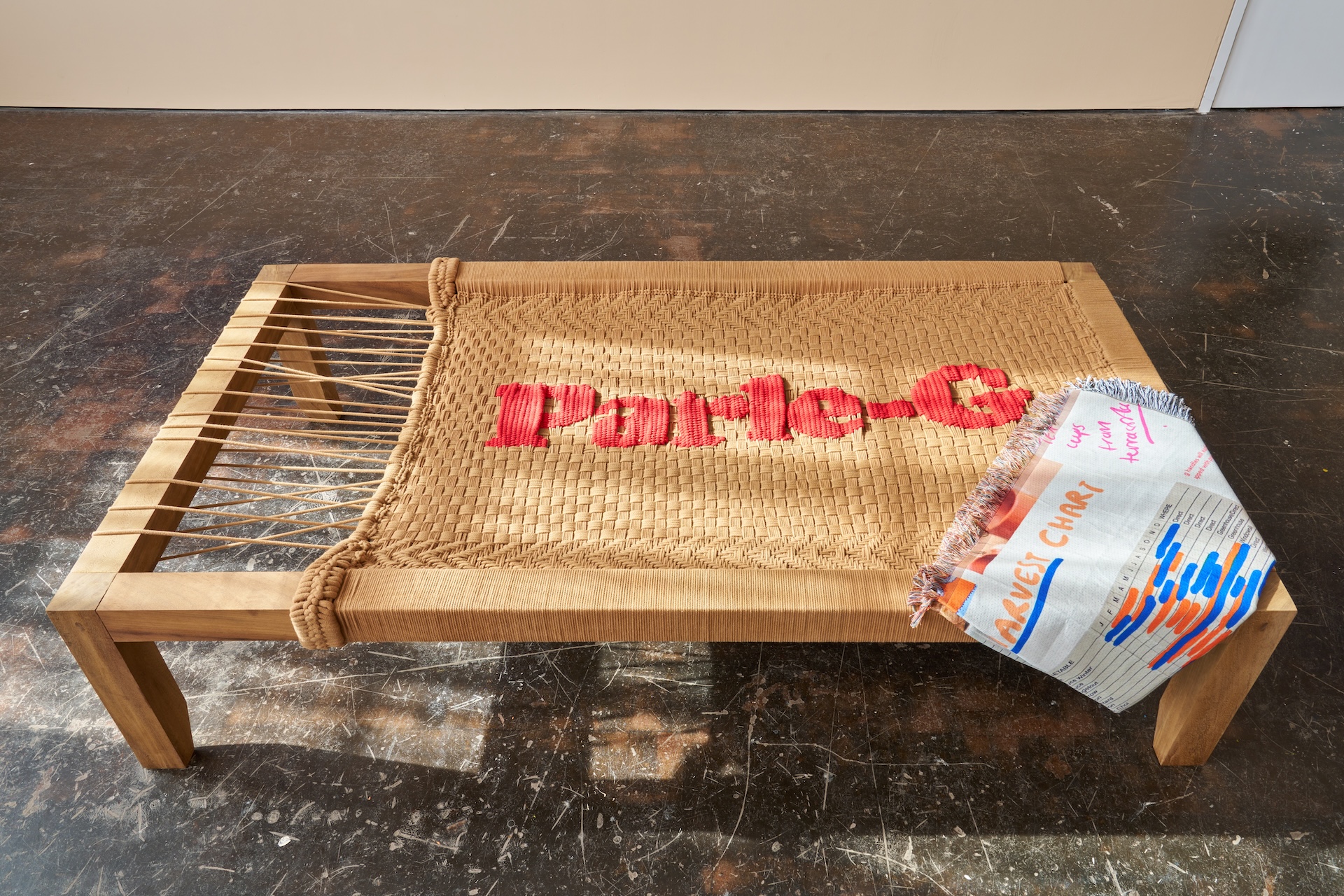
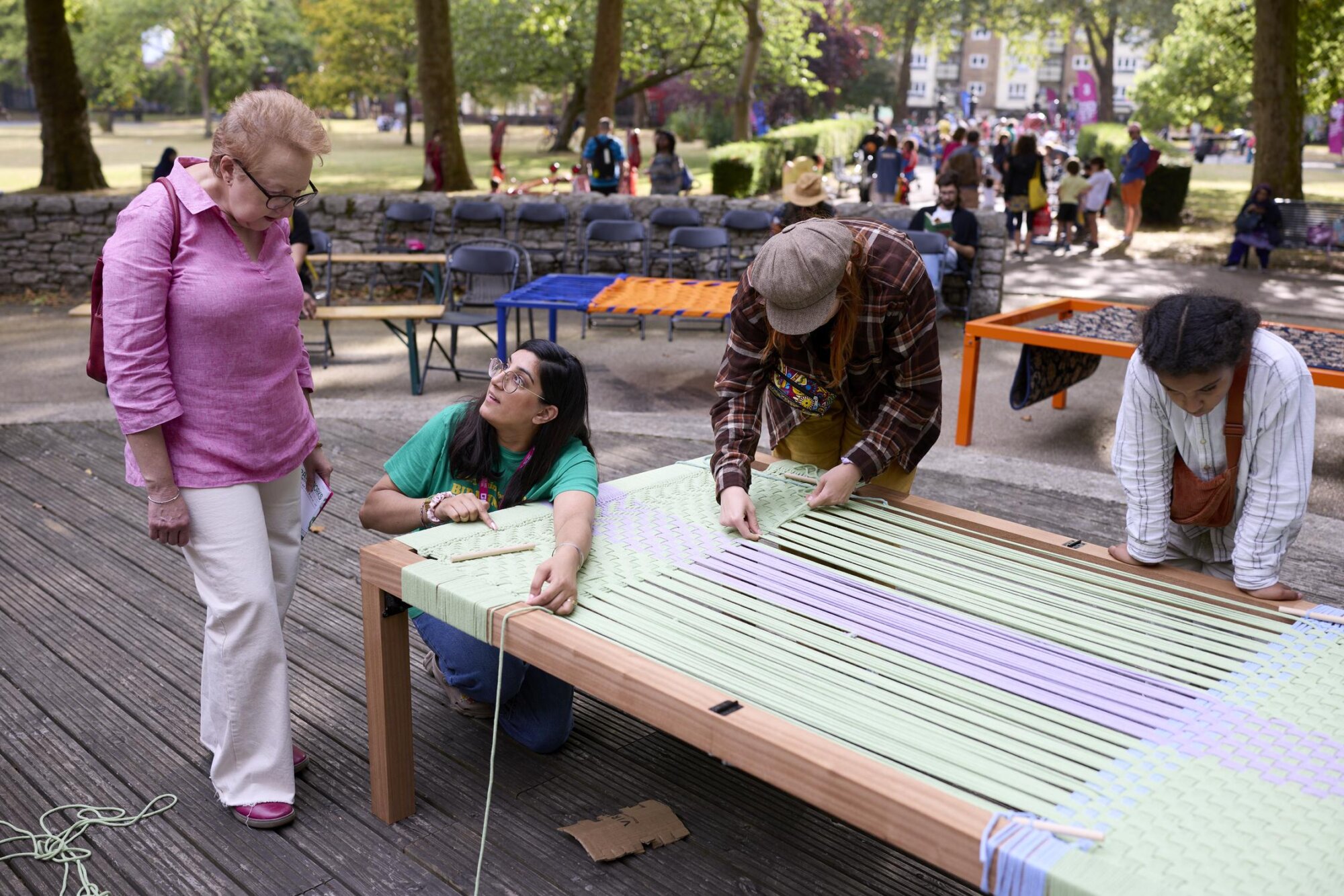
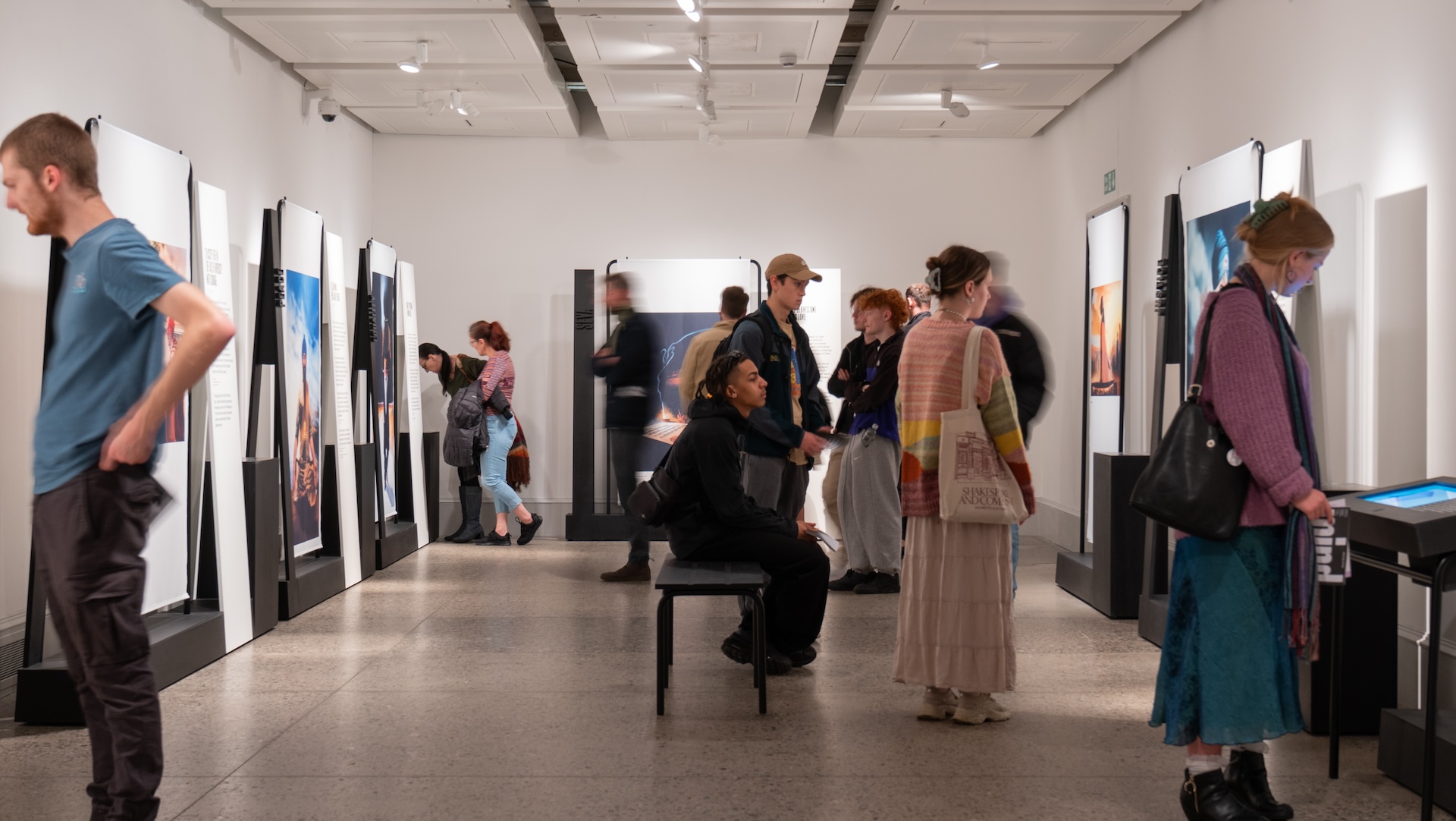
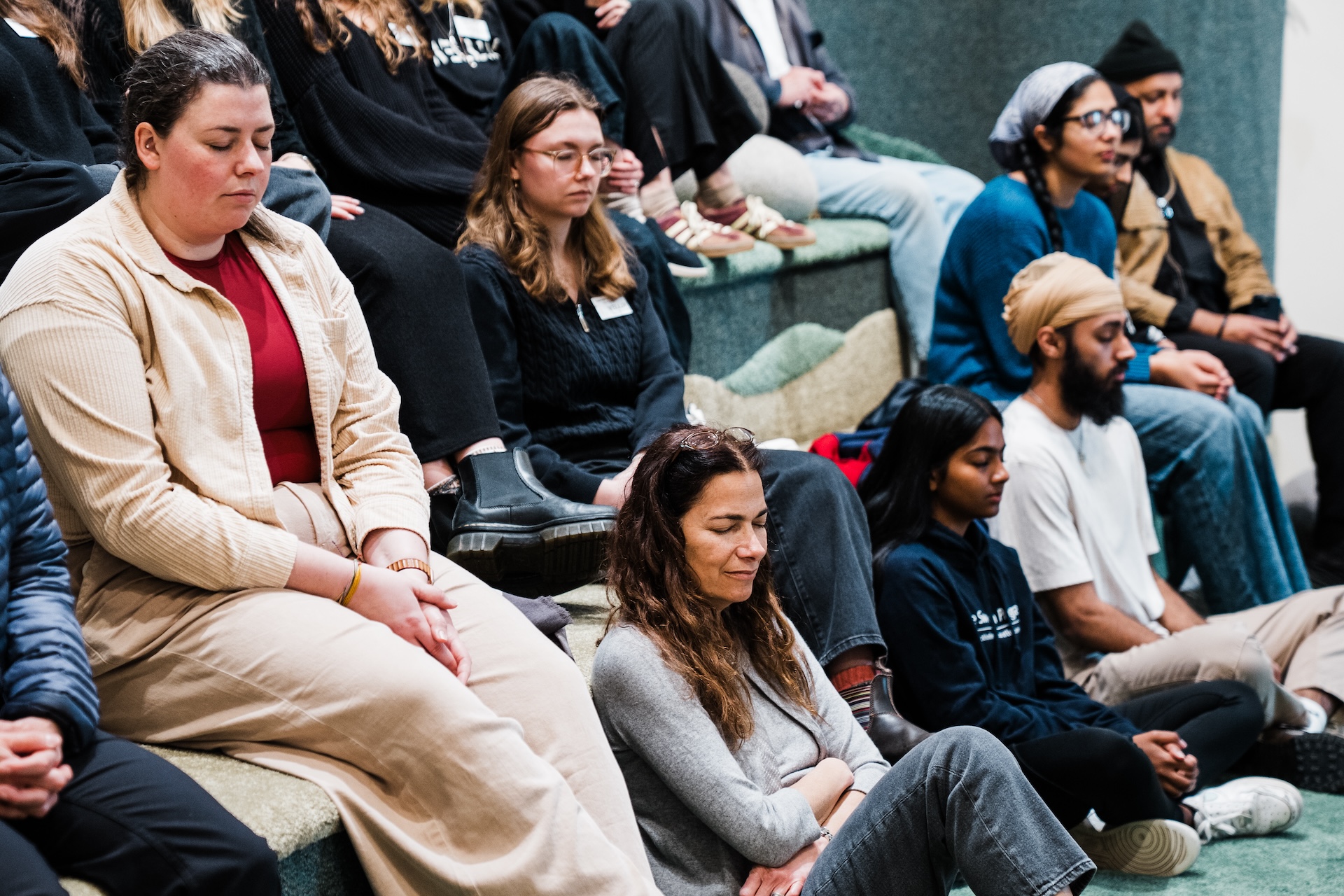
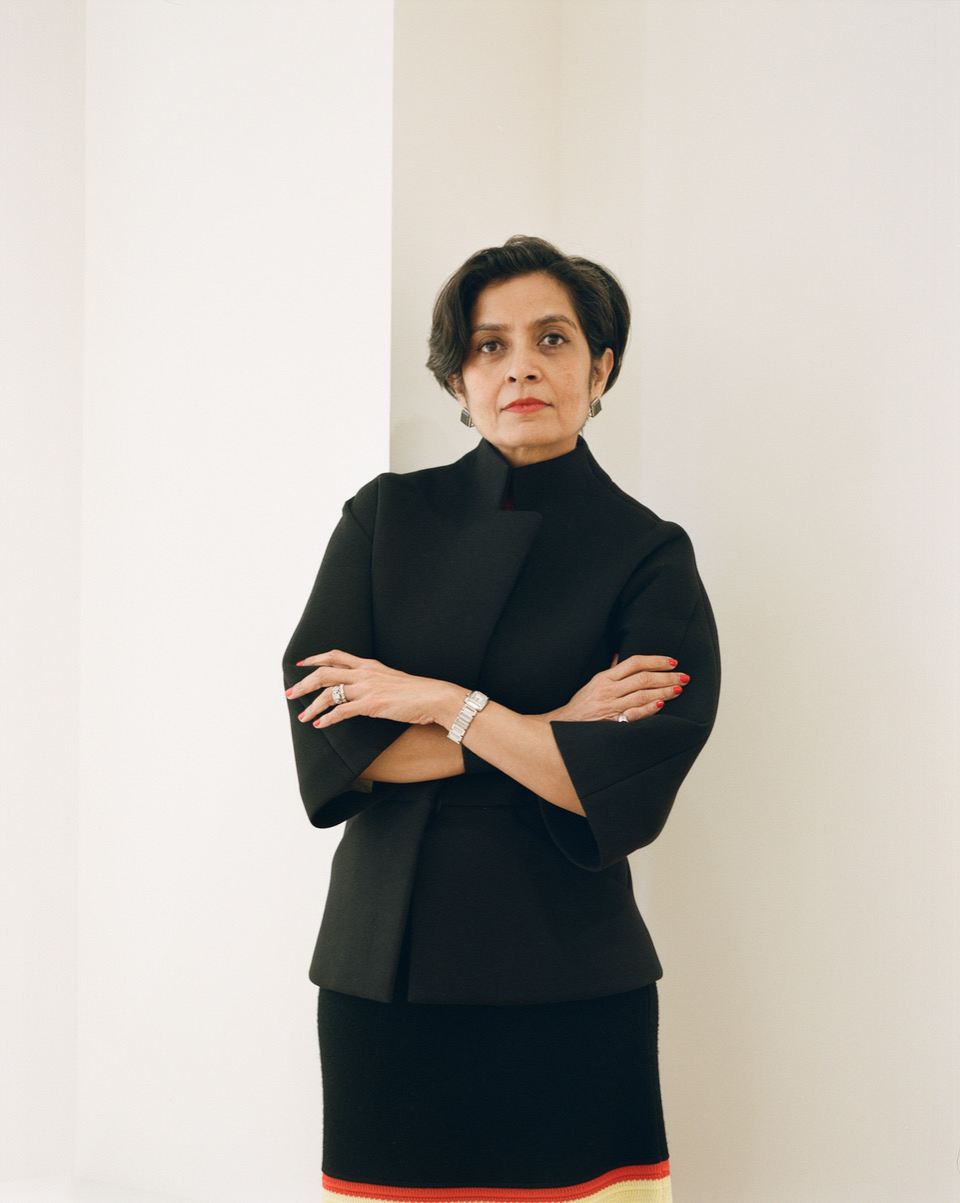
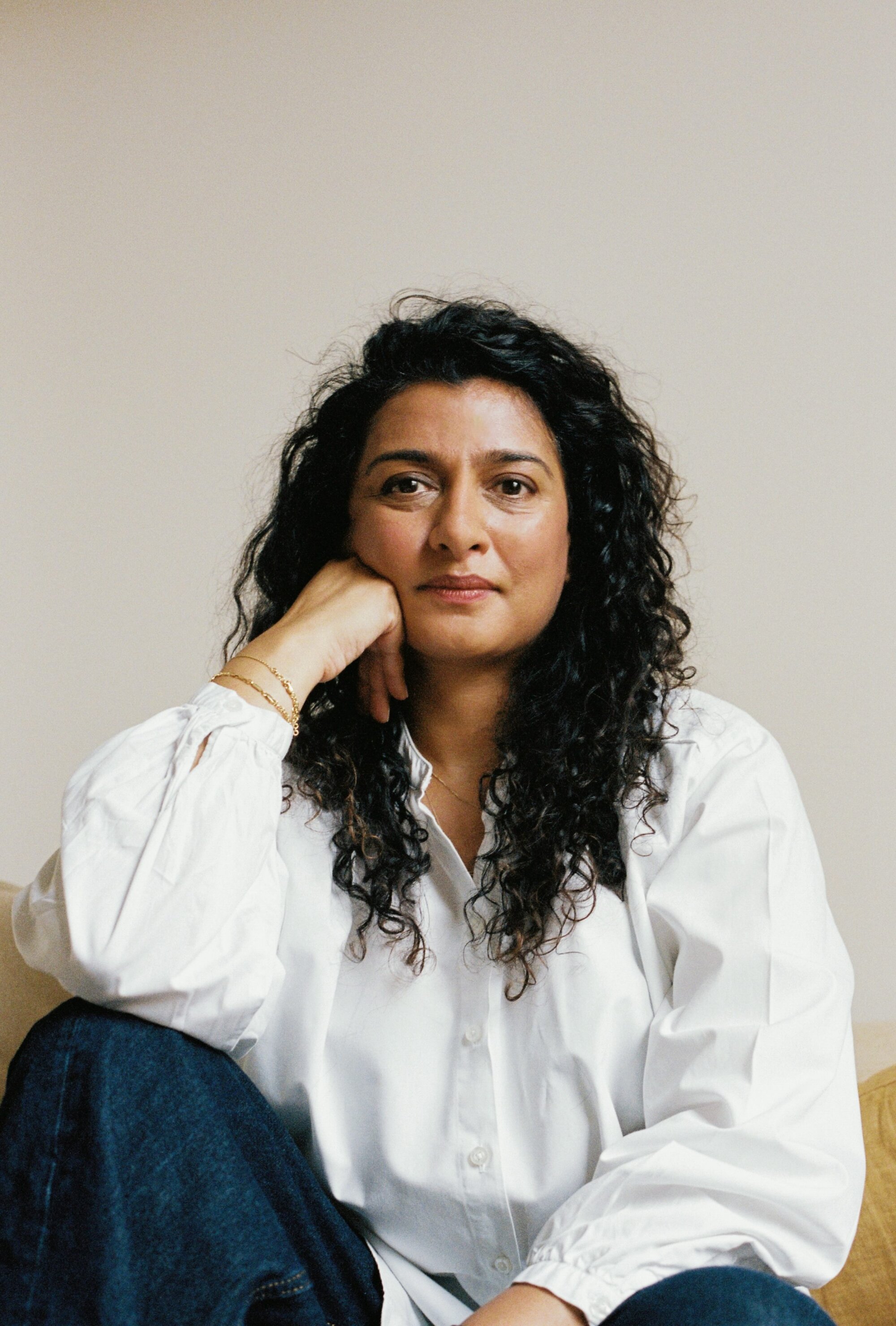
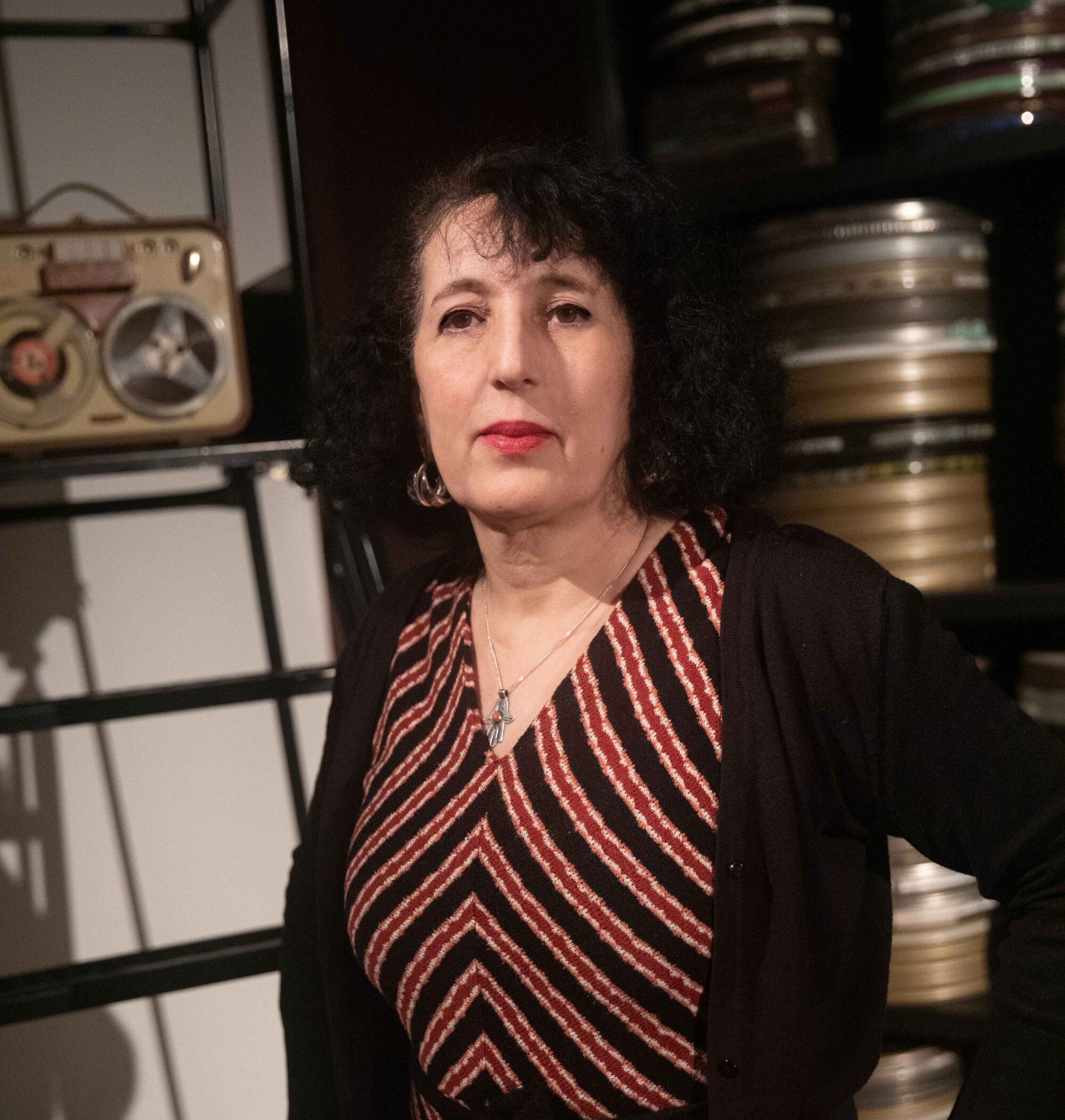
The Wick Culture - Deep Kailey at Without Shape Without Form's new HQ in Slough, courtesy Without Shape Without Form The Wick Culture - Deep Kailey at Without Shape Without Form's new HQ in Slough, courtesy Without Shape Without Form
Monday Muse

Interview: without SHAPE without FORM Co-Founder and Artistic Director, Deep Kailey

Interview
Deep Kailey
Photography
without SHAPE without FORM
18 August 2025
Interview
Deep Kailey
Photography
without SHAPE without FORM
18 August 2025
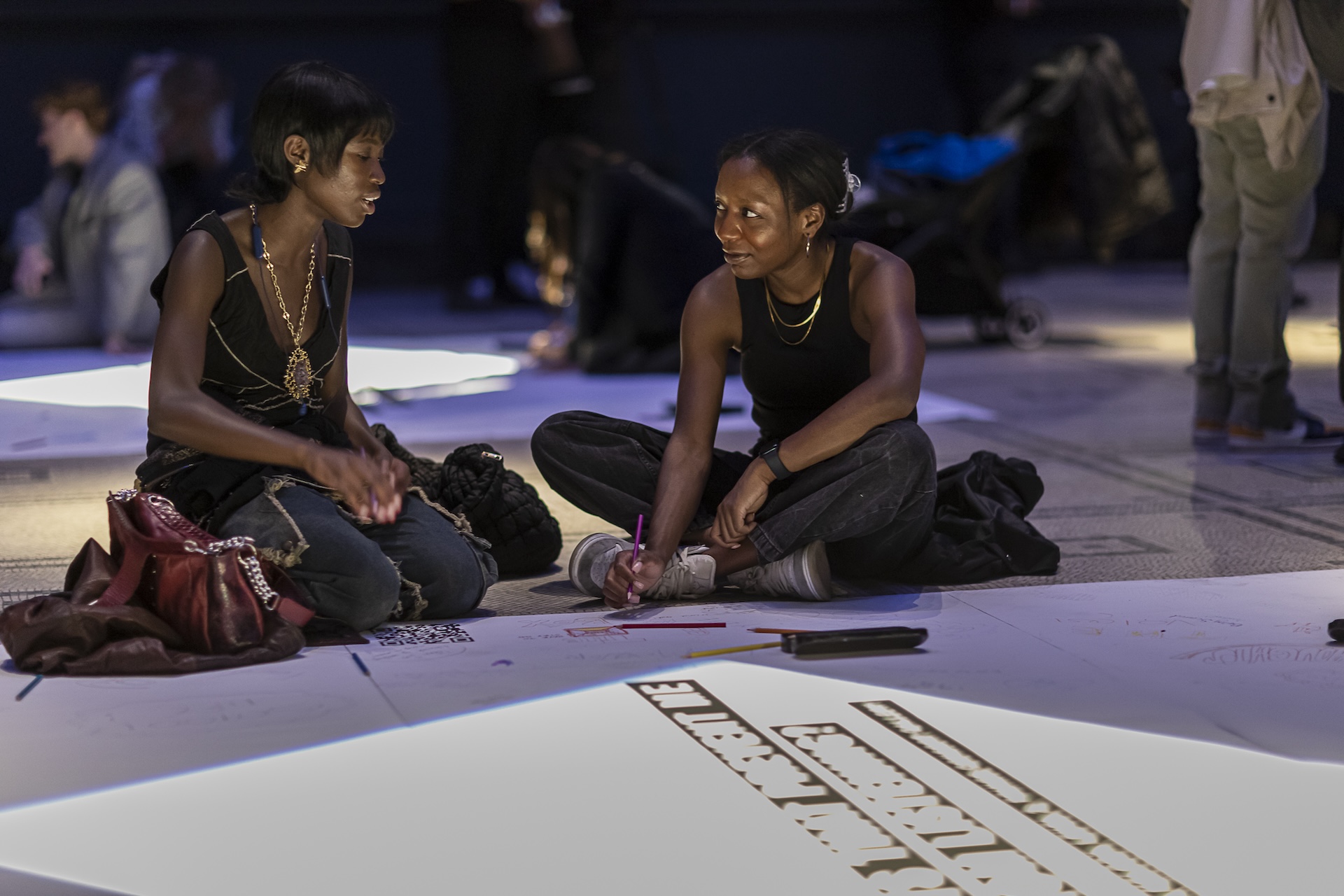
Deep Kailey is the former fashion director who began her career at Dazed Magazine working under the legendary Nicola Formichetti, and from there joined the team who launched Vogue India, before returning to the UK where she took on the role of fashion director at Tatler. Over her illustrious career she’s styled some of the world top stars, but Kailey has said she has always wanted to work with artists. This was the motivation in co-founding the arts organisation without SHAPE without FORM, championing art as a catalyst for social change. They’ve already partnered with major museums, including the V&A, and organised touring exhibitions like Journey of the Mind which appeared at Cromwell Place in London last year. In September, WSWF open a permanent space in a 7,500 square foot former Citroën showroom in Slough. Their first show, Reflections – Sangat and the Self (18 September 2025 – 2 May 2026) features two rising voices in British contemporary art, Jasmir Creed and Roo Dhissou. WSWF also unveils an exhibition at Queens Museum in October.

THE WICK:   What does a typical Monday look like for you?

Deep Kailey:   Mornings begin quietly, Simran first, lemon and ginger water second. I like to ease into the day by checking in with myself before checking in with the world. Mondays often mean a mix of creative direction, research, mentoring, and figuring out if the exhibition install schedule matches the actual realities of the world. At some point, I’ll remind myself to eat.

TW:   A spiritual journey has taken you from a career in fashion editorial to founding without SHAPE without FORM. What inspired you to take that leap?

DK:   The shift began with grief. I lost my mother at ten, and that early encounter with loss made me question life’s purpose. I poured myself into fashion – Dazed, Vogue India, Tatler and loved the creativity, but something deeper was always stirring. Years later, I discovered Simran, a Sikh focused practice of the mind. Within minutes, I felt I’d come home. During the pandemic, that inner shift became outer action. I helped lead a food programme, and realised true fulfilment came not from titles or bylines, but from service.

That’s when without SHAPE without FORM was born. A space to explore contemporary Sikh wisdom through art and storytelling. I used to curate visuals, now I try to curate spaces where people can reflect, connect and transform.

TW:   Tell us about your new space in Slough and the upcoming exhibition, Reflections – Sangat and the Self.

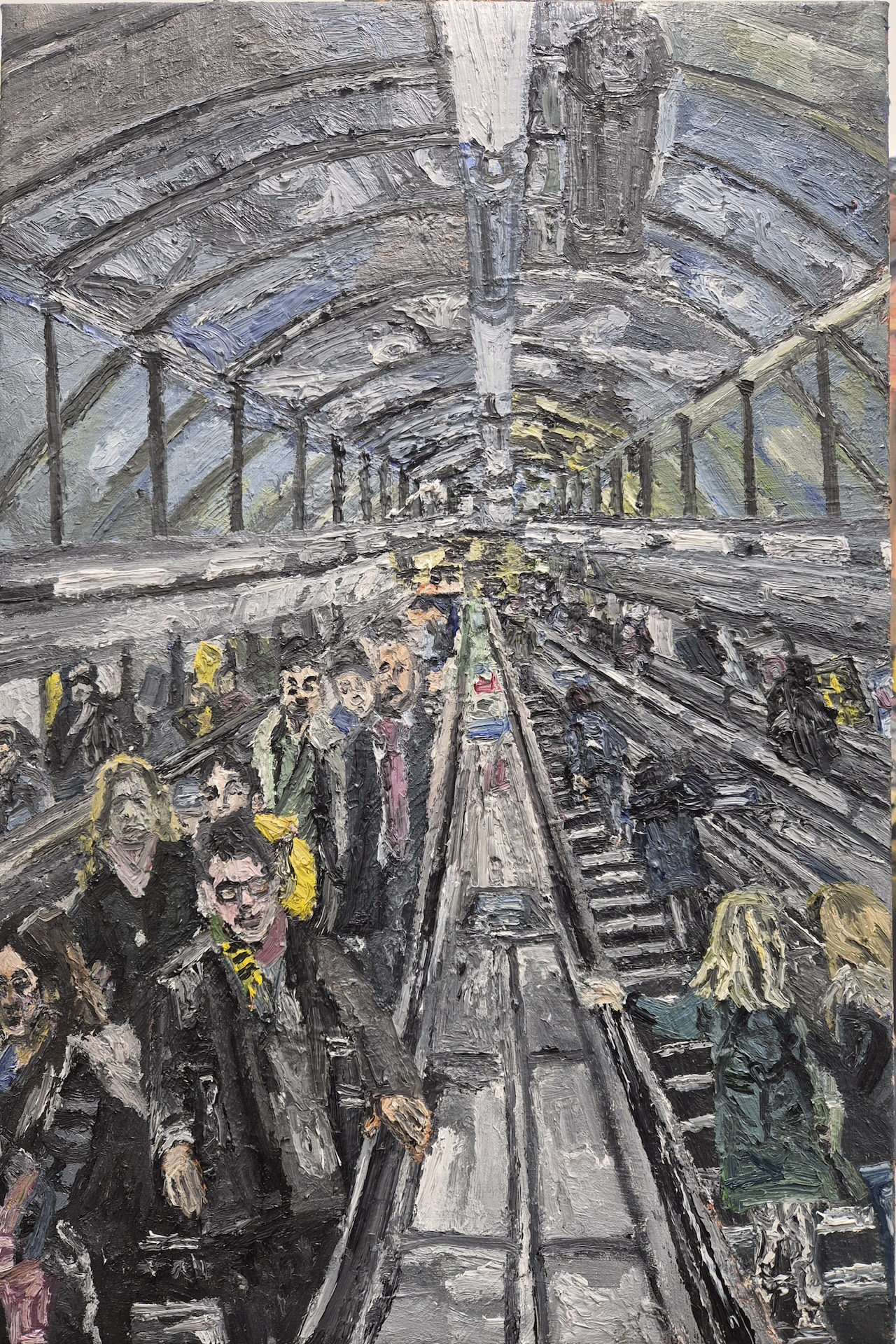
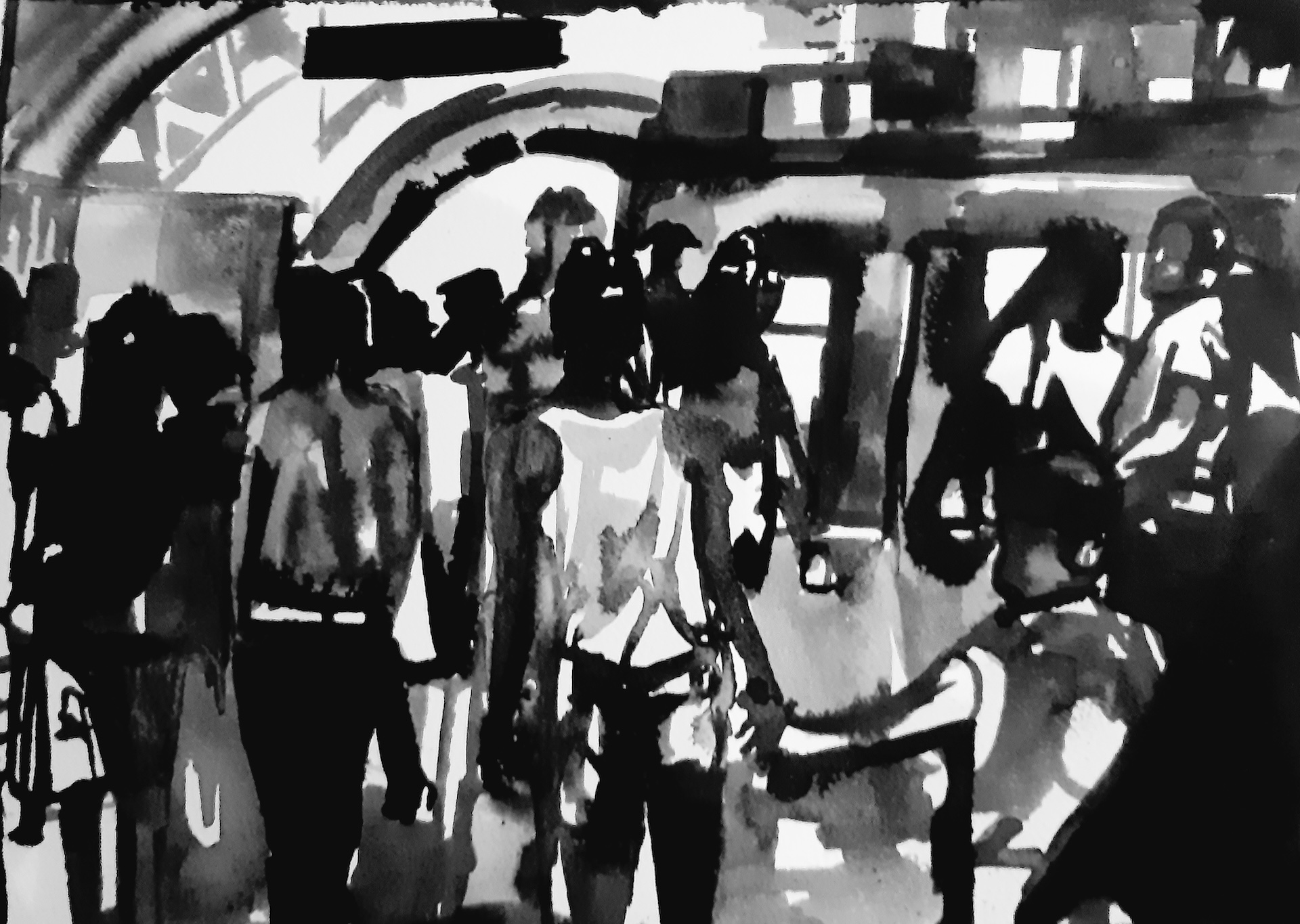
DK:   After four years touring all over the UK, welcoming over 50,000 visitors into spaces of stillness and self-discovery, we return home to start a bold new chapter with a transformed gallery in a town deprived of such spaces. Starting with Reflections – Sangat and the Self which brings together works by Manchester-born painter Jasmir Creed, Birmingham-based multidisciplinary artist Roo Dhissou, and participatory pieces from without SHAPE without FORM. It’s an exhibition about the individual, kinship and healing, but also about mental wellbeing and the quiet epidemic of disconnection.

Each artist explores the relationship between self and collective. Jasmir delves inward, Roo celebrates the shared ritual of gathering, and without SHAPE without FORM offers a space where these worlds meet with Simran (focused practice), Shabad (Unstruck Melody) and Sangat (gathering and fellowship) as tools for overcoming isolation and division.

This exhibition underscores the idea that true and lasting healing begins within. It’s an invitation to pause, engage and consider your own sense of self – through community, daily practice and the quiet power of reflection.

TW:   You’ve spoken before about the duality of being South Asian and growing up in the West. How do you navigate these identities, and how does representation come through in your work?

DK:   I’ve never seen my identity as a tension between cultures. It’s more like a dance. I’ve learnt that duality isn’t a divide, it’s a richness. My upbringing shaped how I see the world: the sense of duty and belonging from my Sikh heritage, paired with the creative freedom and exploration through various mediums.

Representation, for me, isn’t about visibility alone, it’s about responsibility. My work centres around deeper values: compassion, courage, consciousness. I’m less interested in aesthetic clichés and more in creating spaces for reflection, both inward and shared. Through without SHAPE without FORM, I try to offer platforms that speak to a multiplicity of identities. Not to define them, but to honour the fluidity of how we exist, move, and grow.

“I used to curate visuals, now I try to curate spaces where people can reflect, connect and transform.”
TW:   Simran, a practice of stillness and deep listening, is central to your life. How has it shaped you?

DK:   Simran has been my compass and foundation. When the outside world is noisy or chaotic, it’s a tool that centres and connects me at all times, calmness for me isn’t found in changing my surroundings, but in changing how I meet them. The journey to control one’s mind is not easy, but as someone who has been practicing it for a while, it’s also not impossible, though I have a long way to go, every step to deep connective purpose and being useful in this world, is worth the effort. It now defines the way I show up and live in the world, how I express myself and how I endure situations – it’s the reset I didn’t know I needed.

TW:   Which book and artwork would you take with you to a desert island?

DK:   Book: Journey of the Mind by Koi. It’s part philosophy, part mirror, the kind of book that changes as you do.

If I had to choose an artwork, it would be one of Mrinalini Mukherjee’s fibre sculptures. There’s something deeply grounding in her work, organic, familiar, textured, like she’s braided time and earth into form. Her pieces remind me to sit with complexity, to let the quiet do the talking. Being ‘stranded’ somewhere doesn’t worry me. With Simran, I’m not alone with my thoughts, I’m free from them. And in that freedom, there’s peace and space.

TW:   without SHAPE without FORM’s exhibitions have taken place in five cities in the UK. What’s your favourite Culturally Curious spot and why?

DK:   The Whitworth in Manchester is a favourite. There’s something about the atmosphere and sense of space there – it’s calm but charged. There’s a strong sense of intention in how the art is curated with civic responsibility. I think the vibe reflects the city itself – creative, resilient, unpretentious. It doesn’t shout for attention, but it leaves a mark.

TW:   What (or who) would you wear to your next exhibition opening?

DK:   Sacai and Phoebe Philo (mixed with a white tee and loafers) pretty much sum up my style for any occasion. 

TW:   What’s the best piece of advice you’ve ever received?

DK:   “Do the work. Let go of the outcome.” It was offered with so much stillness that I didn’t realise its power until much later. It’s a daily practice, not easy when your mind is trained to chase results, but it’s what keeps me aligned.

TW:   Who is your ultimate Monday Muse?

DK:   Grace Wales Bonner. Her work is layered, not just beautiful but deeply thoughtful. I admire how she weaves together history, identity and spirituality with such elegance. There’s a stillness in her creativity that really resonates. She’s not just designing clothes; she’s creating cultural memory. That kind of quiet confidence is powerful.

READ MORE
The Wick Culture - Aoife Leach Headshot
Monday Muse

Interview Aoife Leach

The Wick Culture - Sophia Thakur. Courtesy of the artist
Monday Muse

Interview Award-winning Poet Sophia Thakur on Poetry, Faith, Music and the Power of Language

The Wick Culture - Luella Bartley Portrait by Vanina Sorrenti
Monday Muse

Interview Artist & Designer Luella Bartley MBE

The Wick Culture - Photographed by Sophia Spring
Monday Muse

Interview Bags of Ethics Chief Executive Smruti Sriram, OBE

The Wick Culture - Photographed by Dasha Tendita
Monday Muse

Interview: Director of The Women's Art Collection Harriet Loffler

The Wick Culture - Rejina Pyo photographed by Bob Foster
Monday Muse

Interview: Fashion Designer and Creative Director Rejina Pyo