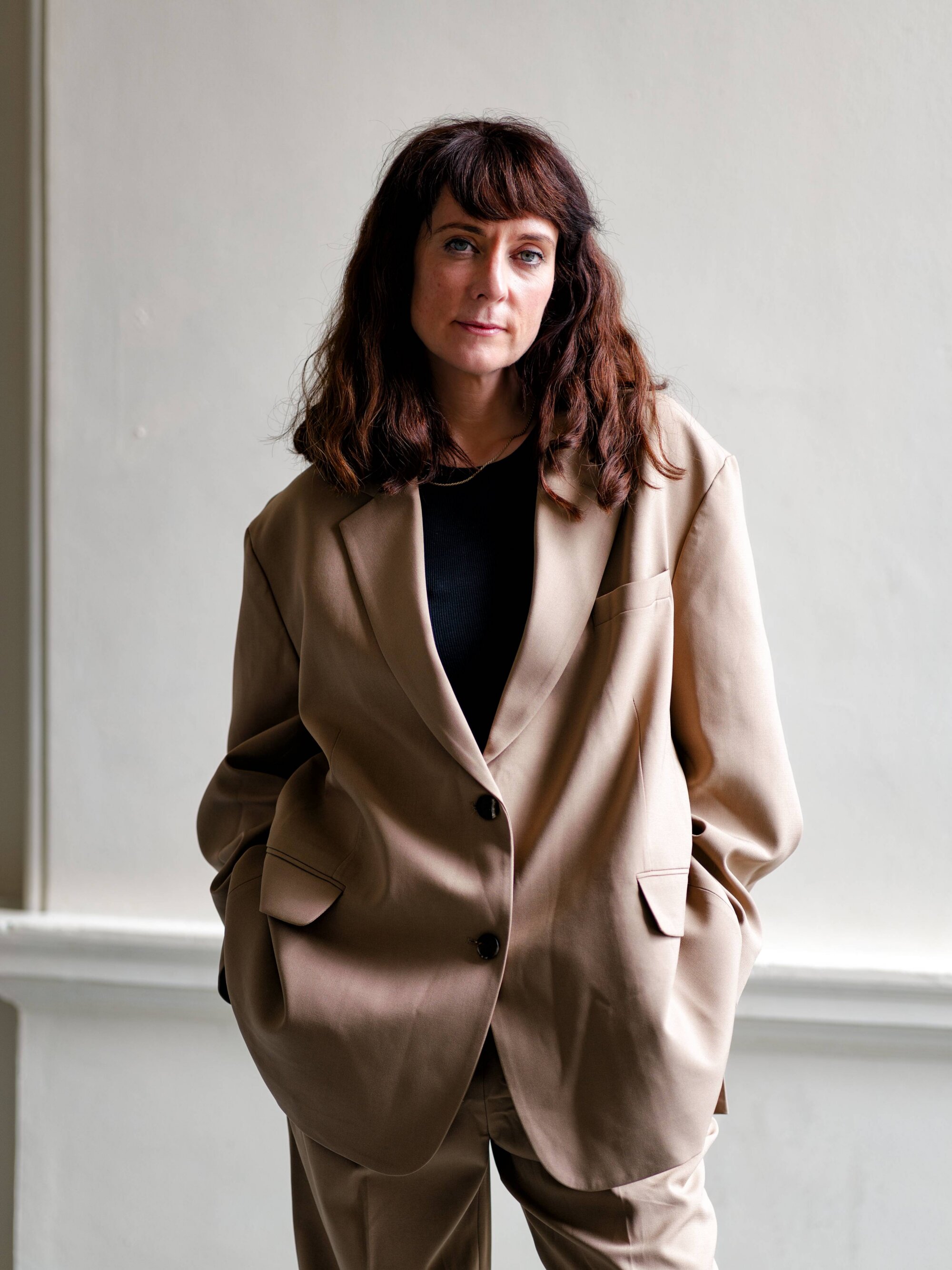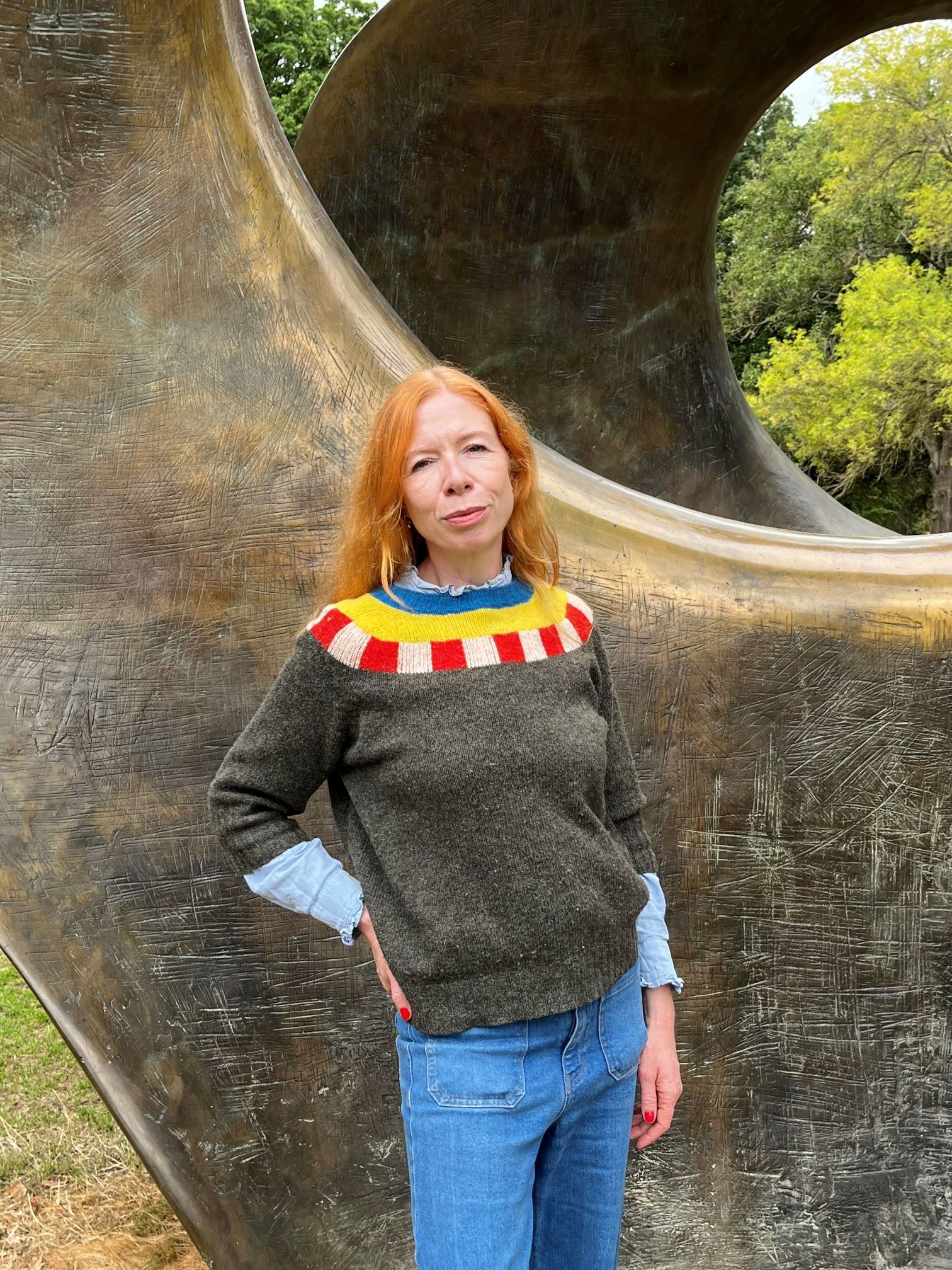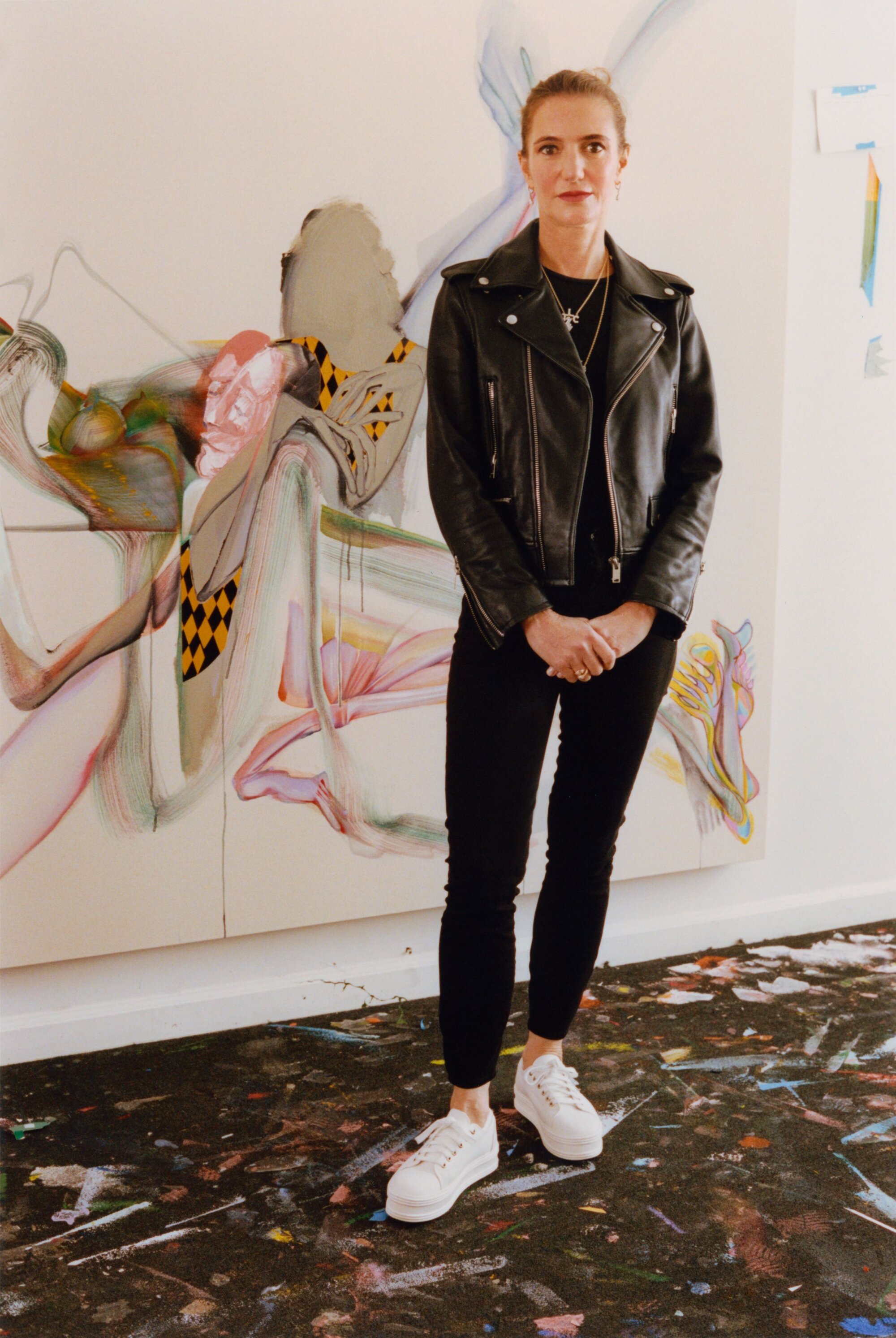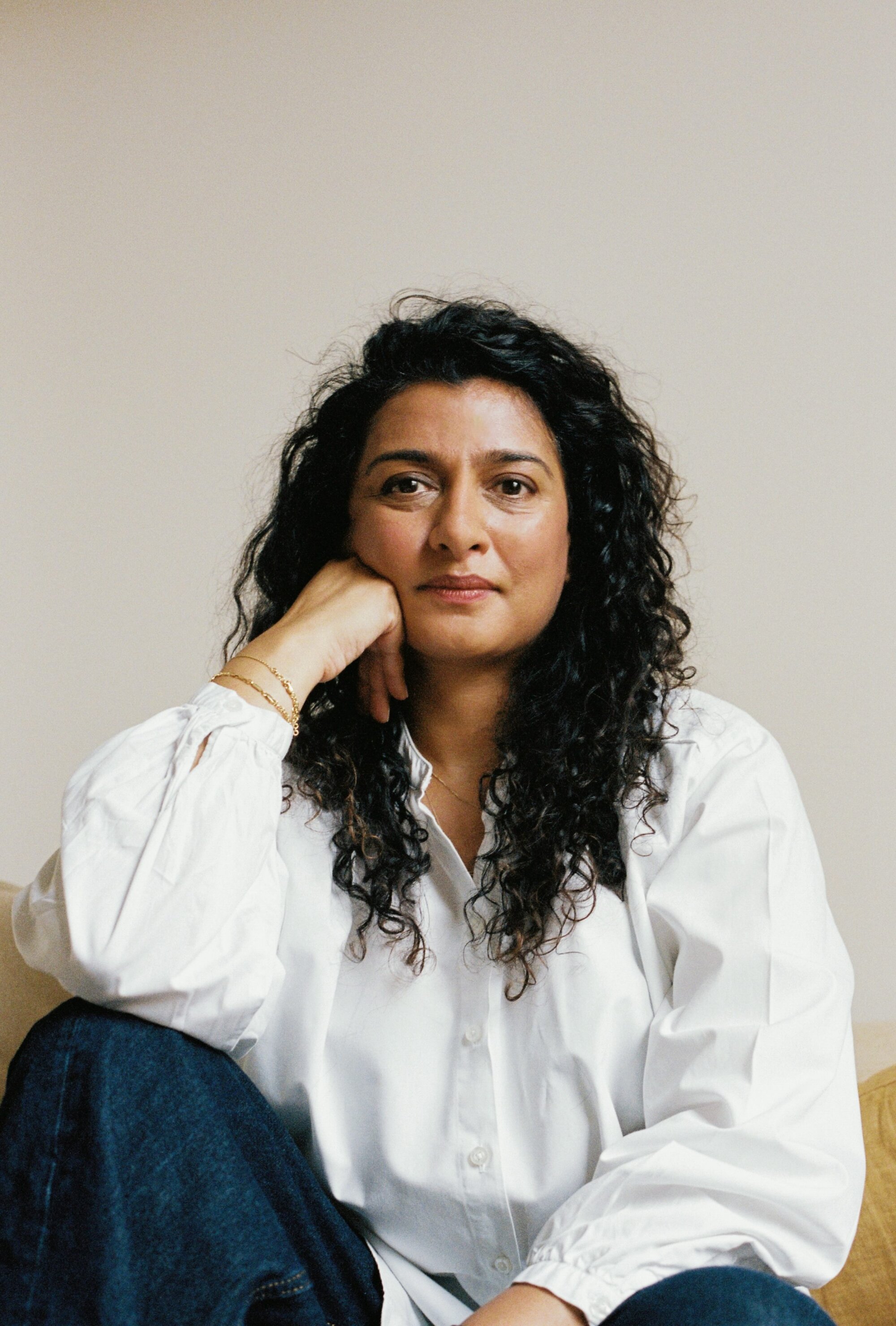
Interview Artist & Designer Luella Bartley MBE
And it is of course dressing and garments where Bartley’s journey first began. Many first associate Bartley with her former life as a designer – she launched her eponymous label in the late 1990s, earning the British Fashion Council’s New Generation Award in 1996 and Designer of the Year in 2001 as well as an MBE. Her witty, punk-inflected tailoring and fearless reinvention defined her practice; a fearlessness which has defined her trajectory from creator to artist. After serving at the helm of Marc Jacobs alongside Katie Hillier in the early 2000s, Bartley’s early investigations into drawing and painting were presented in collaboration with Miuccia Prada for Miu Miu.
Born in London in 1974, Bartley studied painting at Chelsea College of Art and Central Saint Martins, foundations that continue to inform her work – often touching on personal explorations of vulnerability, intimacy, and conflict around the female experience, specifically related to the body, including works on paper in pencil and oil, photographs and sculpture. All contributing to an intimate investigative process. Bartley’s journey as a visual artist has earned her art world accolades on the top of many collectors lists. She has already appeared in Expo Chicago & Illinois as well as Armoured at Kristin Hjellegjerde Gallery. We got a chance to catch up with Bartley to discuss her favourite places to spend time and what drives her:
THE WICK: What does a typical Monday look like for you?
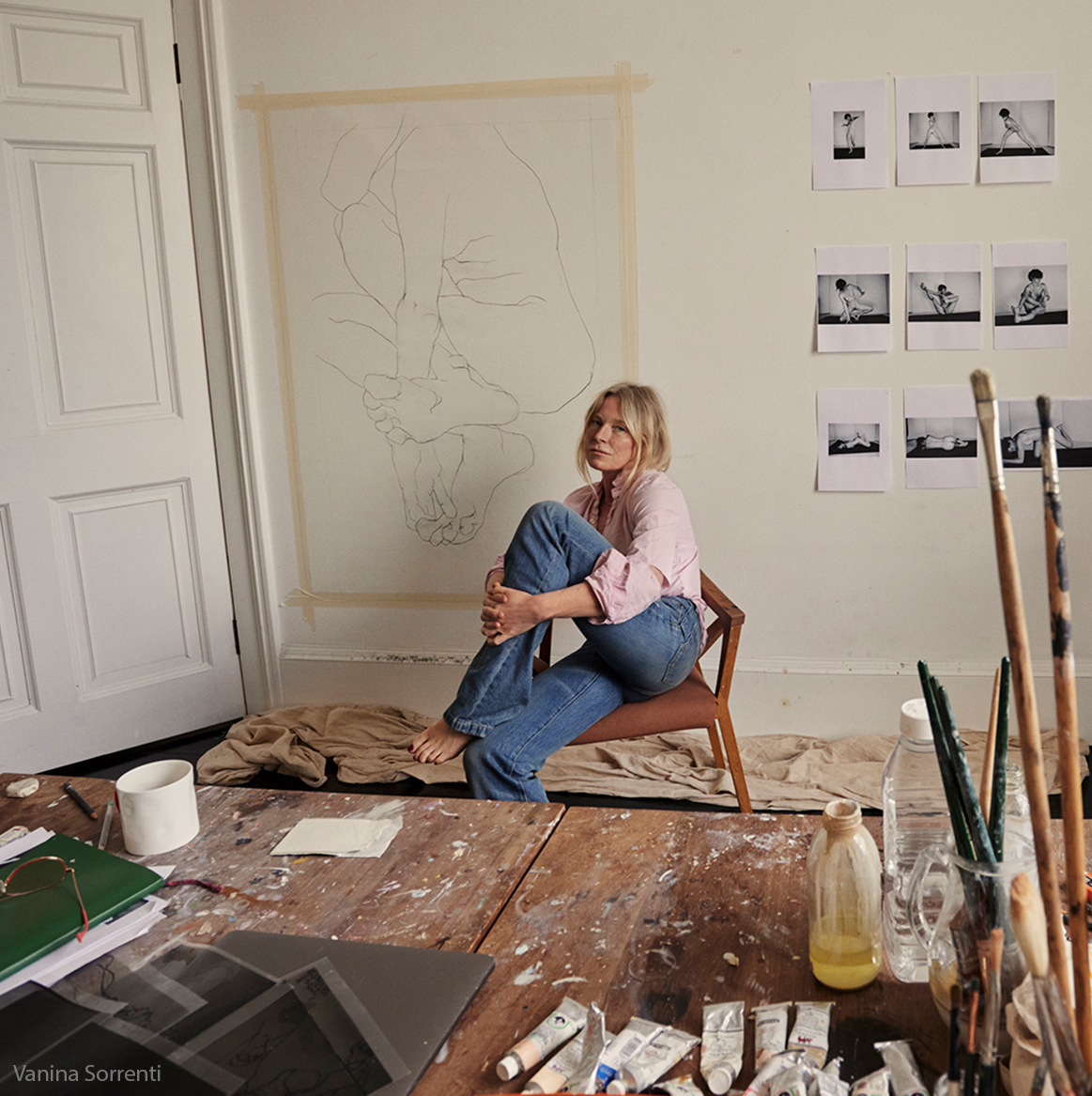
Luella Bartley: I’m quite a creature of routine. I spend half my week in Paris but if I’m in London, mornings are always the same, I get up early and head straight to the park with my dogs. I find being in nature, even London nature, sets me up and straightens my thoughts. When I return I’m in my studio most of the day. My painting room is in my house so I have to be quite disciplined about staying in there and not getting too distracted but I like the comings and goings of being at home and being able to return in the evenings to just sit and look and think.
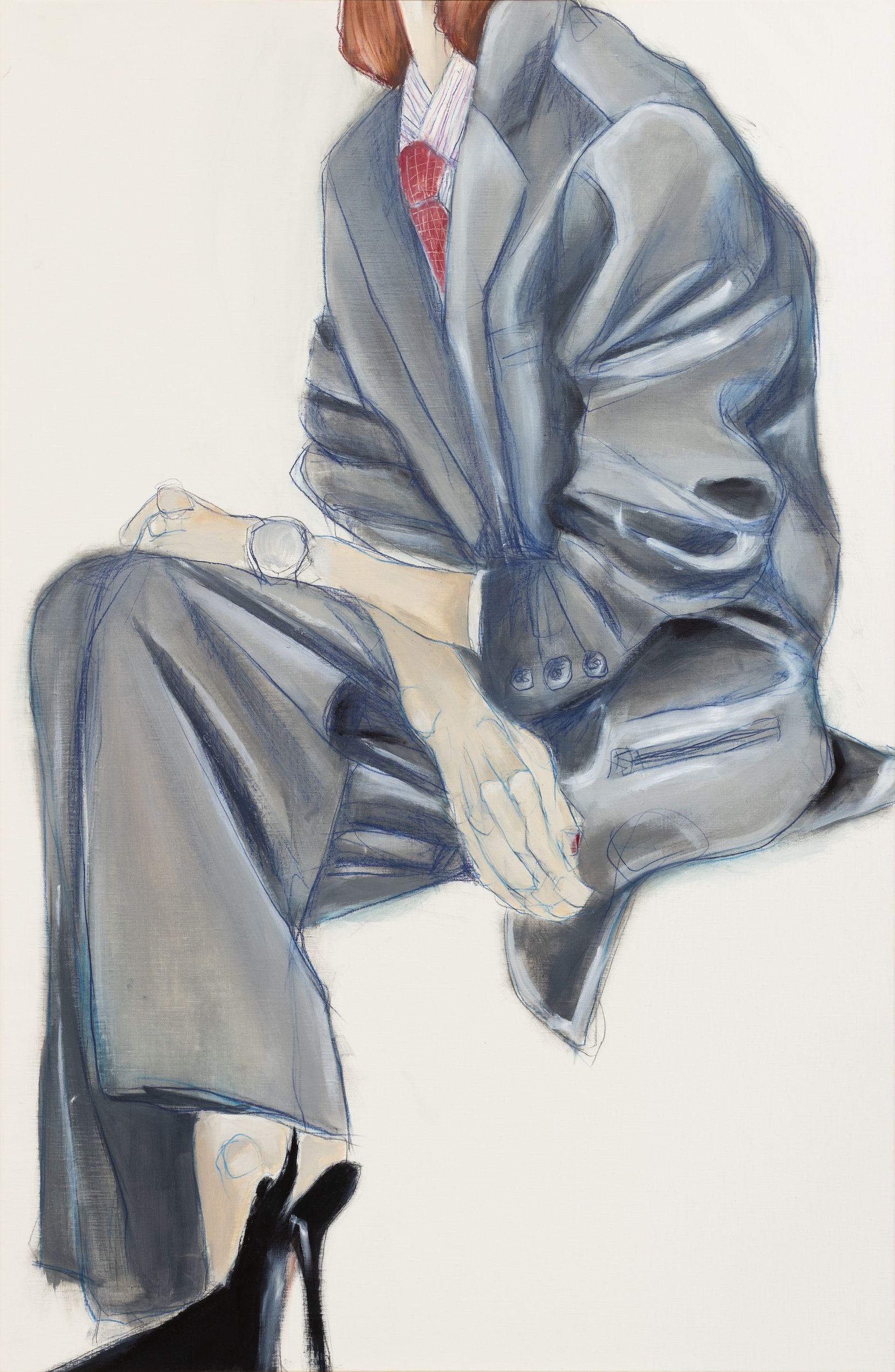
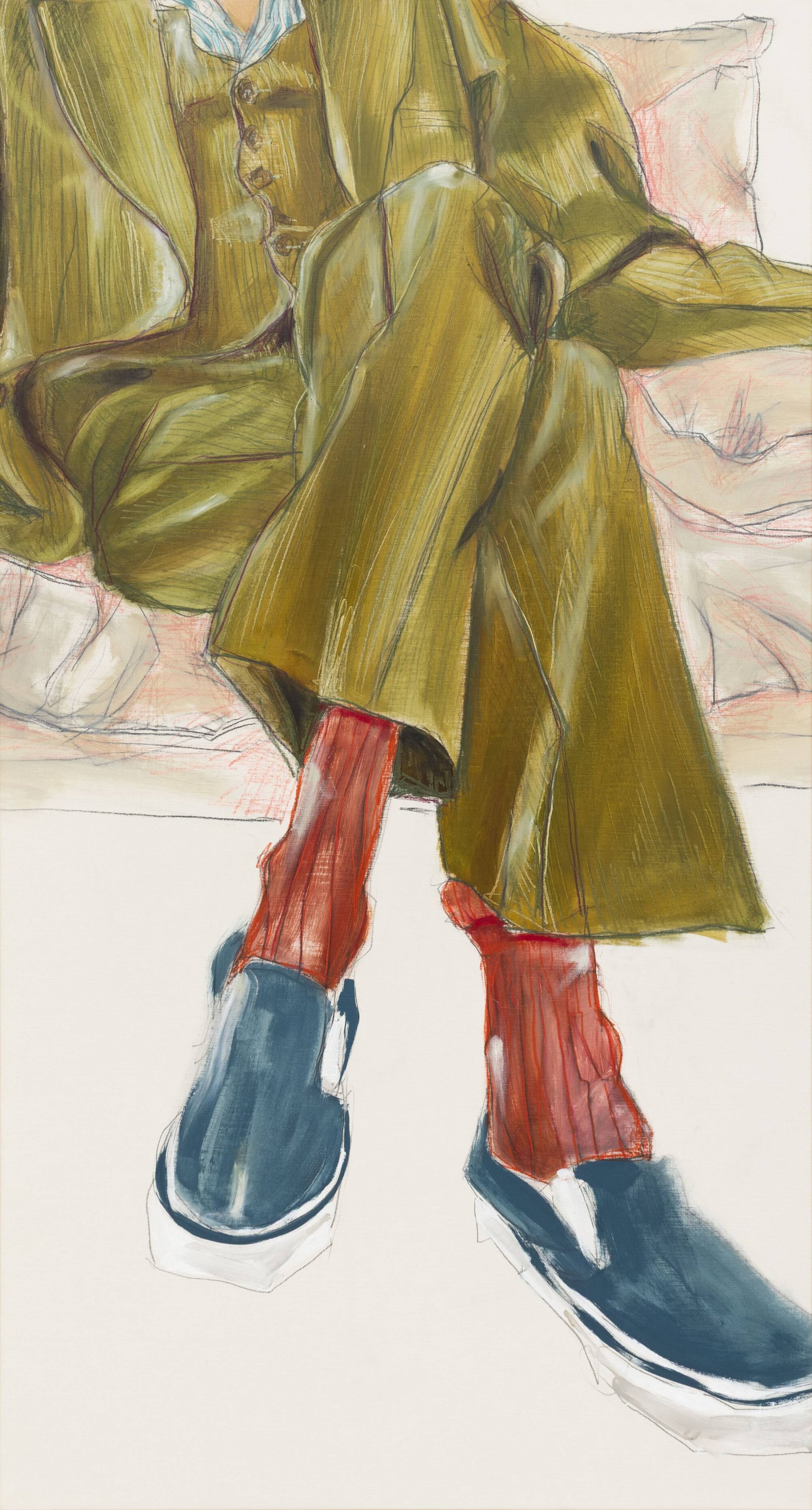
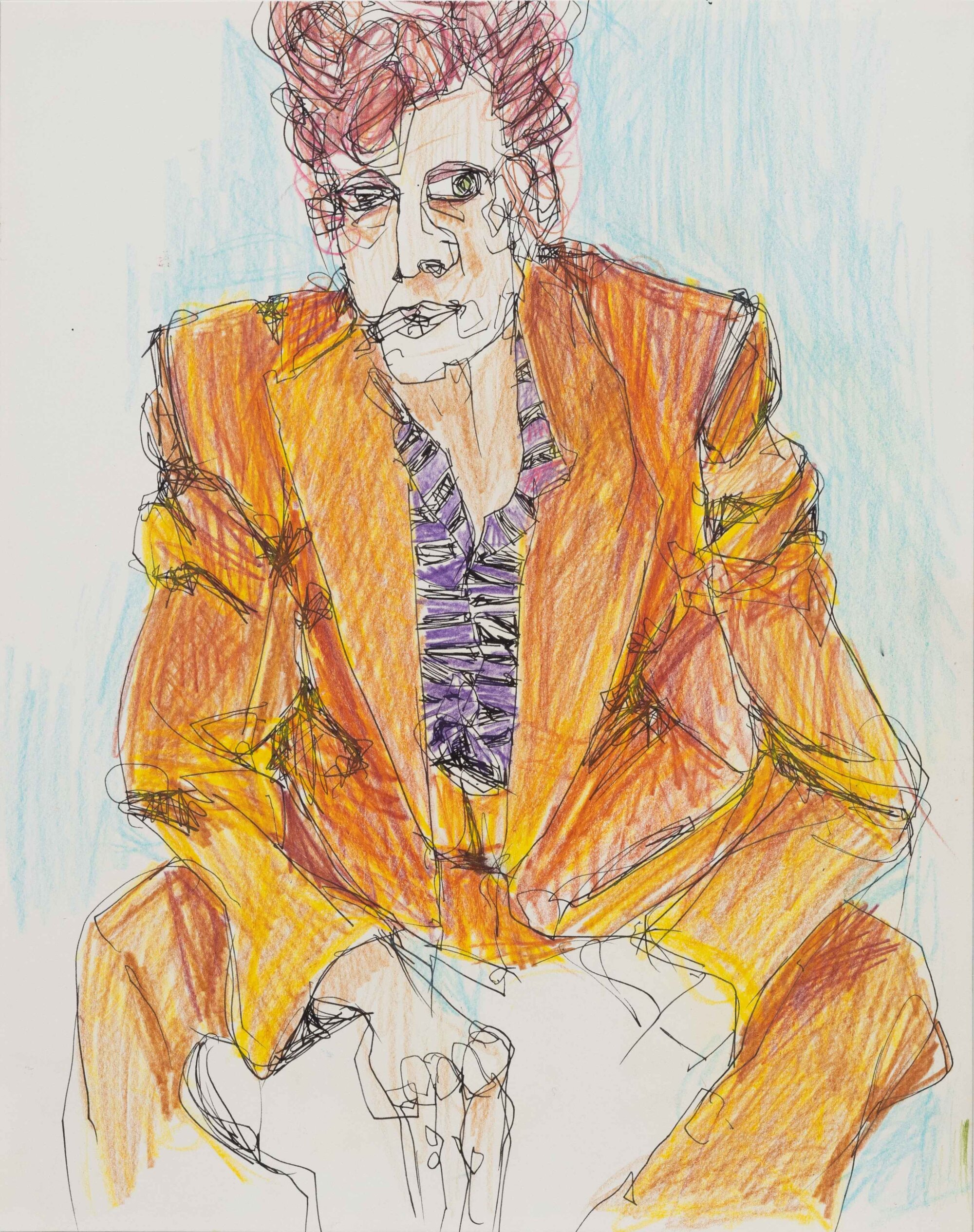
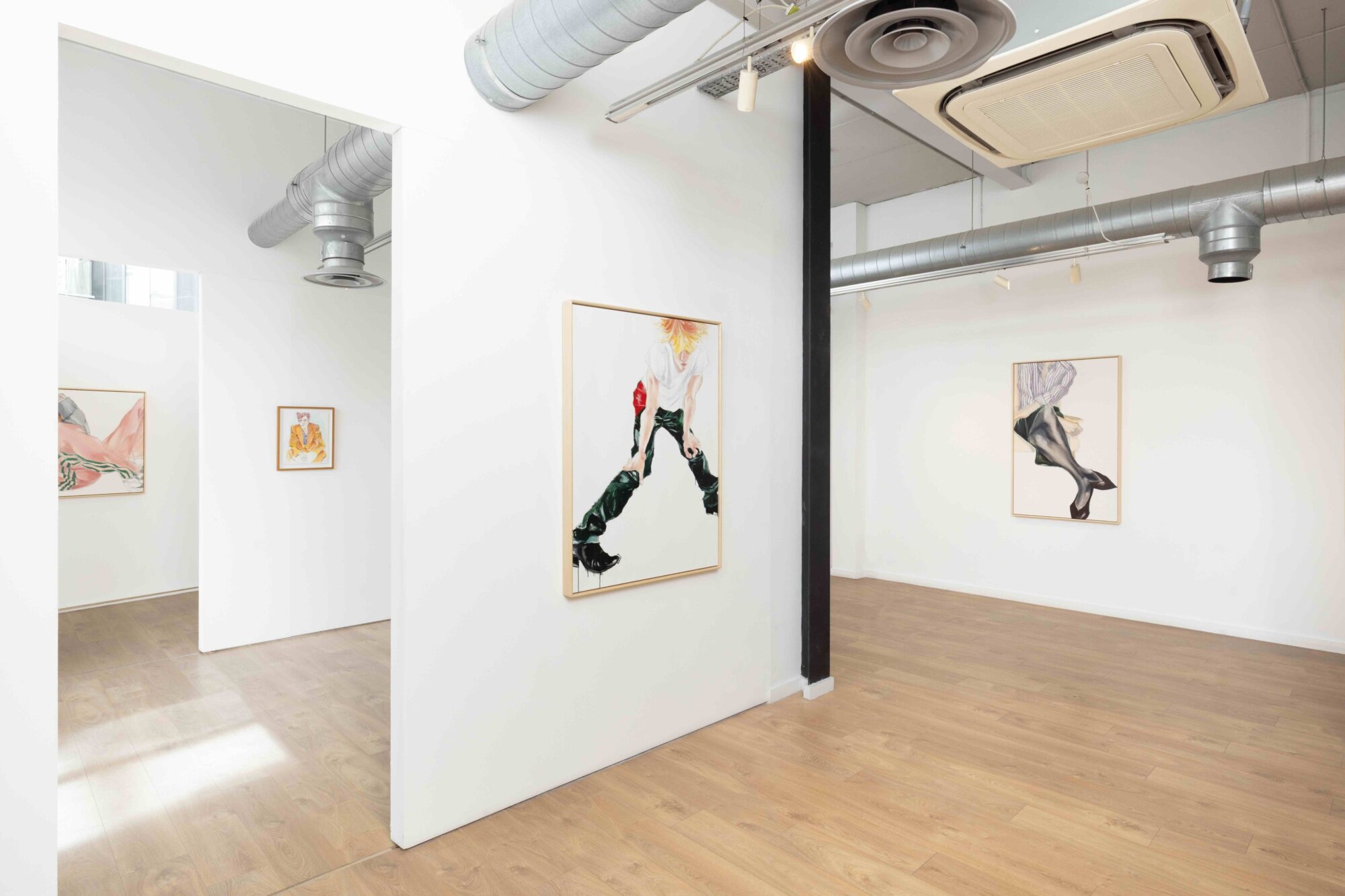
TW: Congratulations on the opening of Dressing For Pleasure at Kristin Hjellegjerde. Why is this exhibition important at this juncture in time and what do you hope viewers will take from it?
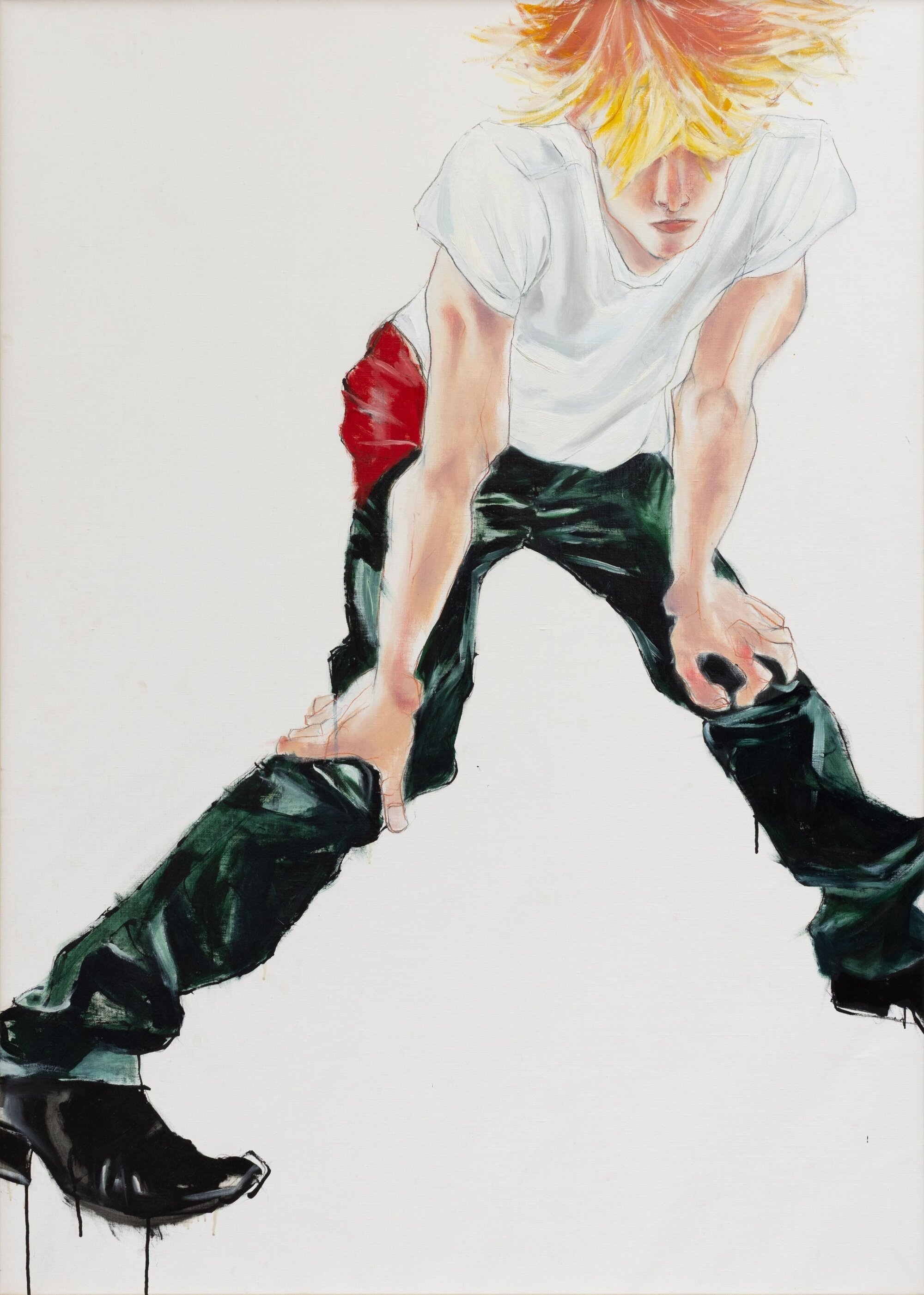
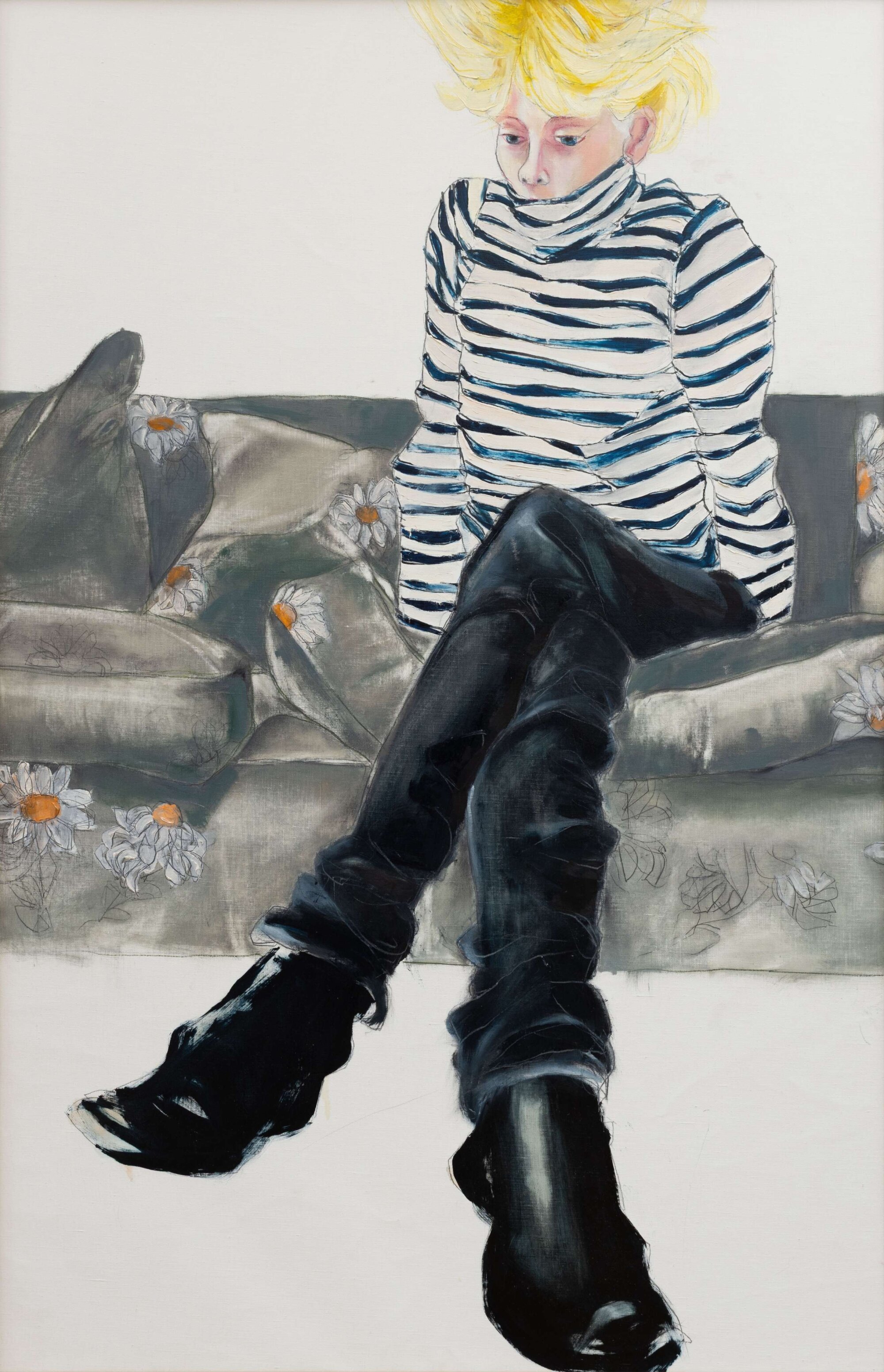
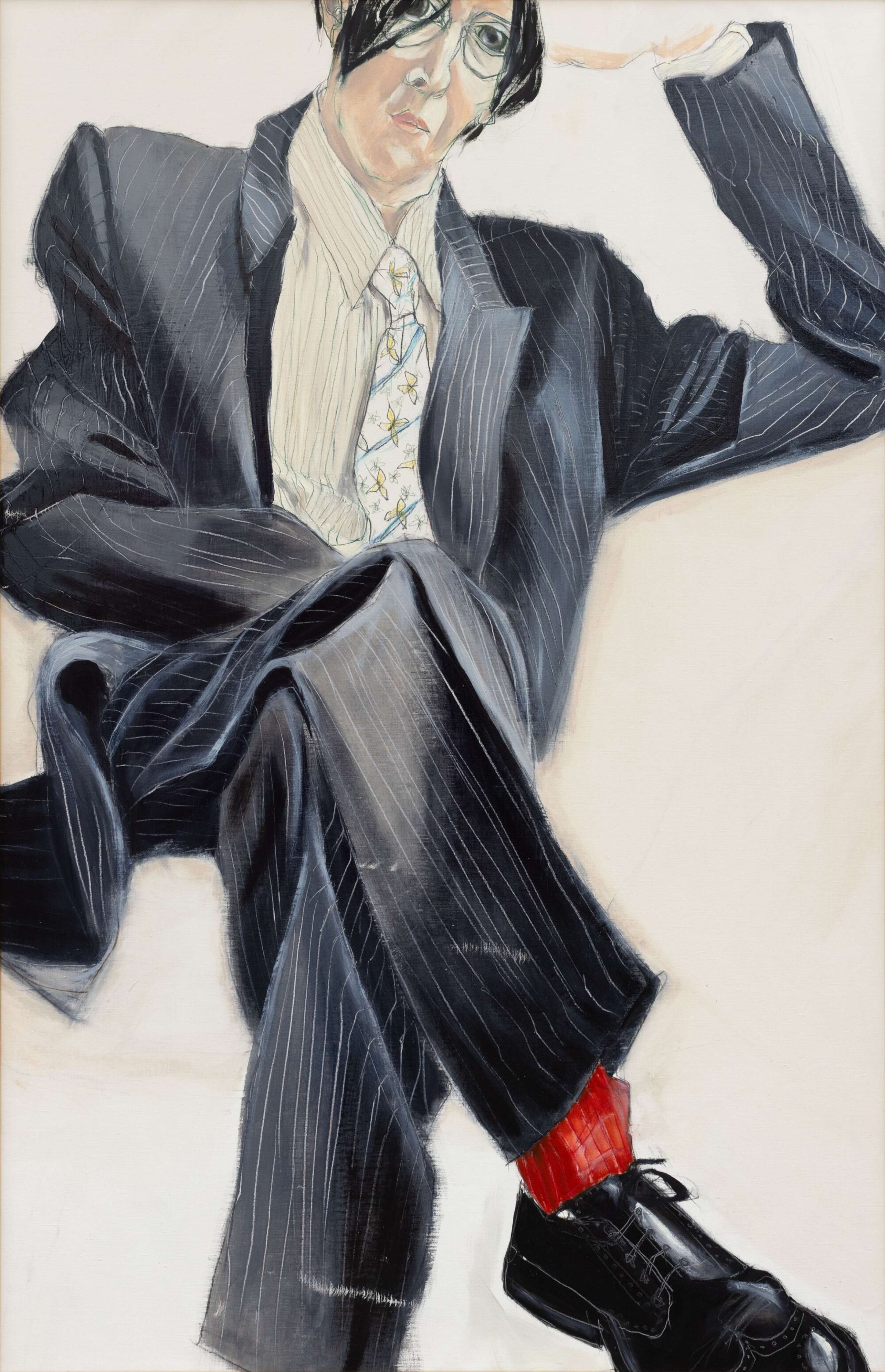
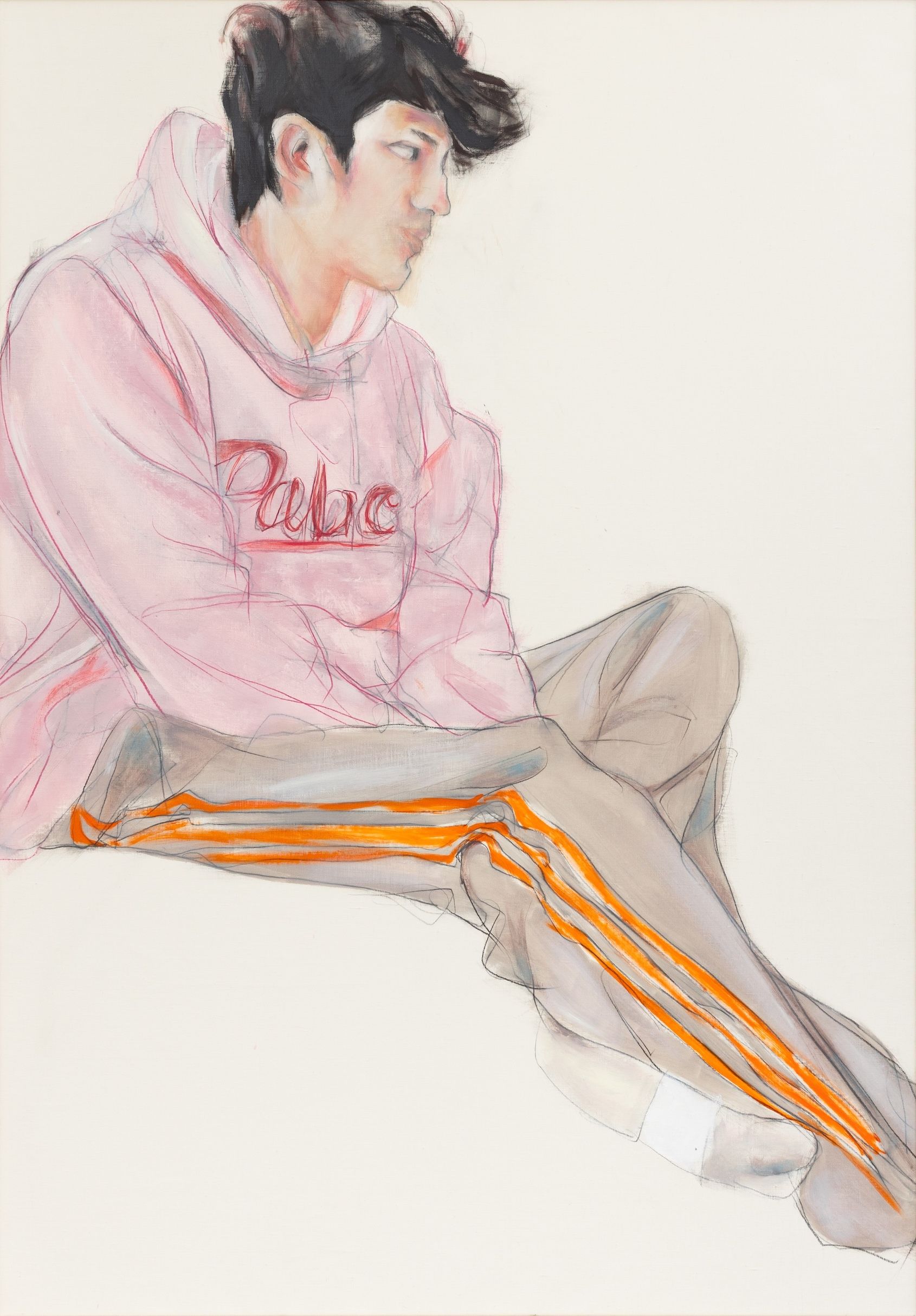
LB: I think the progression with these paintings is an element of freedom and joy, performance and expression. It’s been a journey from the rawness and vulnerability of the first works coming to something more playful. But there are layers and there’s still elements of cloaked vulnerability, complex identity and hidden emotion in the body language beneath the exterior performance.
TW: Your subjects in Dressing For Pleasure are often stripped of context, yet their clothes reveal so much about presence, emotion, performance and identity. What does Dressing for Pleasure mean for you?
LB: I think it’s exactly that dance, what we choose as our exterior identity and how the body behaves inside our covers. We are always knowingly and unknowingly communicating something. I wanted to try and capture and process that idea. It’s not really about fashion but an inherent sense of who we are and want to be, the small nuances and oddness that shows our character when we dress, even a hoodie or a pair of knackered vans can be performative. I think the close crops and the anonymity bring focus to the body and its autonomous communication. If there is a face to engage with we immediately are drawn to that.
TW: As a fashion designer, how are you seeing the practices of fashion and art coming more closely together?
LB: For a long time I felt like the two could not coexist. In my art practice I literally stripped the body bare and raw but after my second show painting the dancers I realised that the layers, the colours, the shapes, the textures, how they sat on or stuck to our bodies were important communicators of self and were fascinating and I could take a studied approach to the idea of dressing.
TW: Your most recent works feature fashion as the focus rather than the nude but still both celebrate bodily form as sculpture. What prompted this shift in practice?
LB: I think the paintings are strangely mostly about drawing and a bold line. I love line and dysmorphic proportions but to add more colour and texture has really opened things up for me.
TW:
Trained at Central Saint Martin’s; a career in fashion and now as an artist – what is the biggest creative lesson you have learned and would pass on?
LB:
Not to be held back by the anxiety of judgement. Since college doubt and shyness have been a constant backdrop and I guess it’s part of the process, but it has eased with more life experience. The process has been a kind of therapy and the end product becomes important but secondary. There is no better feeling than to not quite know where a painting has come from but is something you love and you can pick apart its meaning afterwards.
TW: What did art allow you to express that fashion could not?
LB: I came to art as a kind of retreat. Fashion is sociable and collaborative and when I started painting I needed to be more alone. I literally retreated to my home and made a room where I could paint and make and sit with myself without noise or engagement. It was a difficult time but four years on I have started to integrate the fashion part back into my life. Now I enjoy both and worry less but they still occupy very different feelings and processes.
“It’s not really about fashion but an inherent sense of who we are and want to be.”