Interview Award-winning Poet Sophia Thakur on Poetry, Faith, Music and the Power of Language
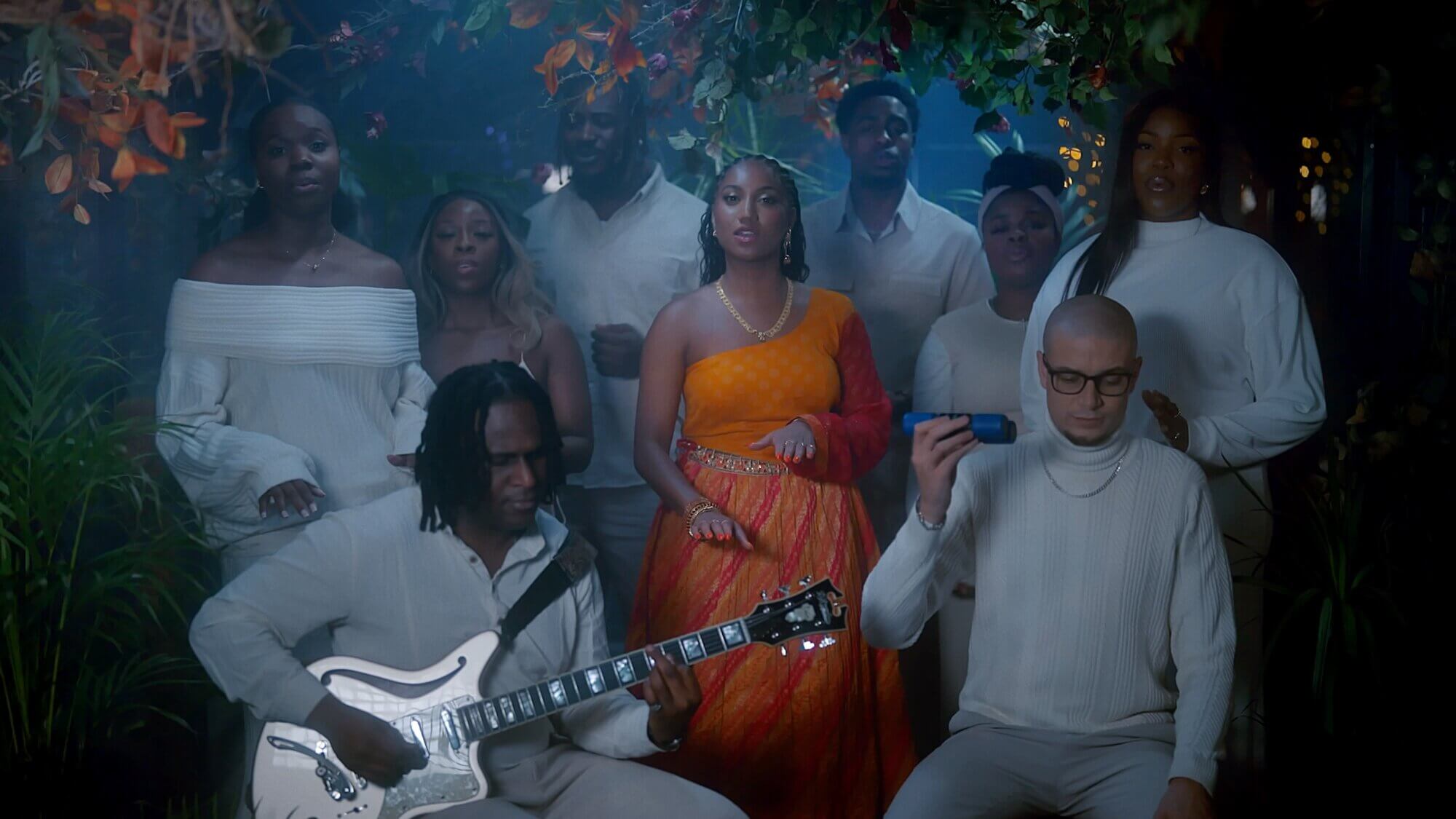
It is a fitting rhythm for a writer who has helped bring poetry into spaces once thought beyond its reach. Her live shows have sold out venues including the Royal Albert Hall, The Jazz Cafe and Abbey Road, while her blend of poetry, neo-soul, afrobeat and folk has helped carve out a new place for spoken word within live music. Recognised by Forbes 30 Under 30, Thakur has moved between headline stages such as Glastonbury and collaborations with major brands including Tiffany & Co., Calvin Klein, Nike, BMW, MINI and Google. Her work has travelled far and wide without ever losing the intimacy that makes it land so deeply.
As her practice expands further into music following the release of her debut single ‘My City’ in 2025, Thakur remains drawn to the ideas that have long animated her writing: faith, love, family, hope, healing and the words we reach for when the world feels harder to hold. We caught up with Thakur to talk about the rituals shaping her Mondays, the seasons informing her work, why poetry still is so vital now and the artists helping her imagine what comes next.
THE WICK: What does a typical Monday look like for you?
SOPHIA THAKUR:
My Monday begins on Sunday evening. I insist on giving myself a beautiful frame to wake up into. With Monday being so defining in my life, it’s important to set it up the night before. A clean home to wake and journal in. The book open to read my morning chapters, a prayer, a ginger tea. And then it’s 11am.
That probably sounds quite late to most but with the aim of Monday being to write, there’s a slowness I demand of the morning, that creates the afternoon I need. Monday is for exploring new writers, letting them explore my own page. New music, collecting lyrics, lines from books, quotes, short stories. It’s a day spent dancing with words. For as long as I can remember, Monday has been my favourite day of the week. There’s a crispness to it that welcomes imagination, faith, innovation, new poetry. I do what I can to harness this brightness into my own hopeful skies.
TW: Your poetry often explores love, family, identity, vulnerability and healing. Which themes feel most pressing in your work right now?
ST:
Seasons. Growing up, my aunties every occasion without fail would find themselves starstruck by how much my brothers and I had grown. Like most people inside a moving car, we hadn’t noticed how quickly it really happens. Until we had our own cousins, nephews and nieces to witness. They’ve been the surest way to witness time. To be an audience to how seasons promise to always, always change. Grow.
I’ve been writing about the bloom a lot lately. The beauty after the tension. The faith it sometimes takes to stay the course. The alchemising of hope into action. The shoulders that drop, the chin that rises, the tongue that strengthens and the people we become at the end of our winters. The spring, our springs have been inspiring me lately.
TW: You’ve taken poetry into so many different spaces, from Glastonbury to the Royal Albert Hall this February, as well as TEDx talks and major brand collaborations. How have you approached growing your practice while holding on to that sense of intimacy in your performances?
ST: I try to find the me in every message. Unilever once asked me to write about climate change, so I wrote about how much a sunset means to me. How many beaches I’ve found peace on and the hikes that have walked my mind into a better place. I wrote about how my life is saved and enriched by nature, to then imagine a life without it. We all have stories and places to pull from, the more often we tell them… the more we realise how similar our feelings are. How similar we all are. It feels like an important time in society to remember this.
TW: Your recent work feels like an exciting expansion of your practice, moving further into music while holding on to the emotional intimacy of your poetry. How has this newer chapter changed the way you tell stories?
ST:
On stage you can get away with a 10 minute monologue, less so on a track. It has encouraged precision and deepening the potency of every word choice. I’ve actually found making music more similar to writing a book than anything else. Perhaps there’s something about playback that demands a more acute attention to detail. I care about the stage as a do the page or the track. The care, however, comes in different colours.
TW: Poetry has not always been seen as accessible or culturally central, yet your work has helped shift that perception. Why do you think poetry is resonating so powerfully with audiences right now?
ST: We’re all searching for a way to think about the world around us right now. Trying to read something that appeals to our own moral leanings, or perhaps introduces us to them. Poetry is a bridge, often appearing during times of great division, to connect. To connect us to our beliefs, to each other. To challenge the root of our ethical thinking. To give us language to explain the times, to explain each other, to explain ourselves to each other.
“Poetry is a bridge, often appearing during times of great division, to connect.”