Interview Vanessa Branson
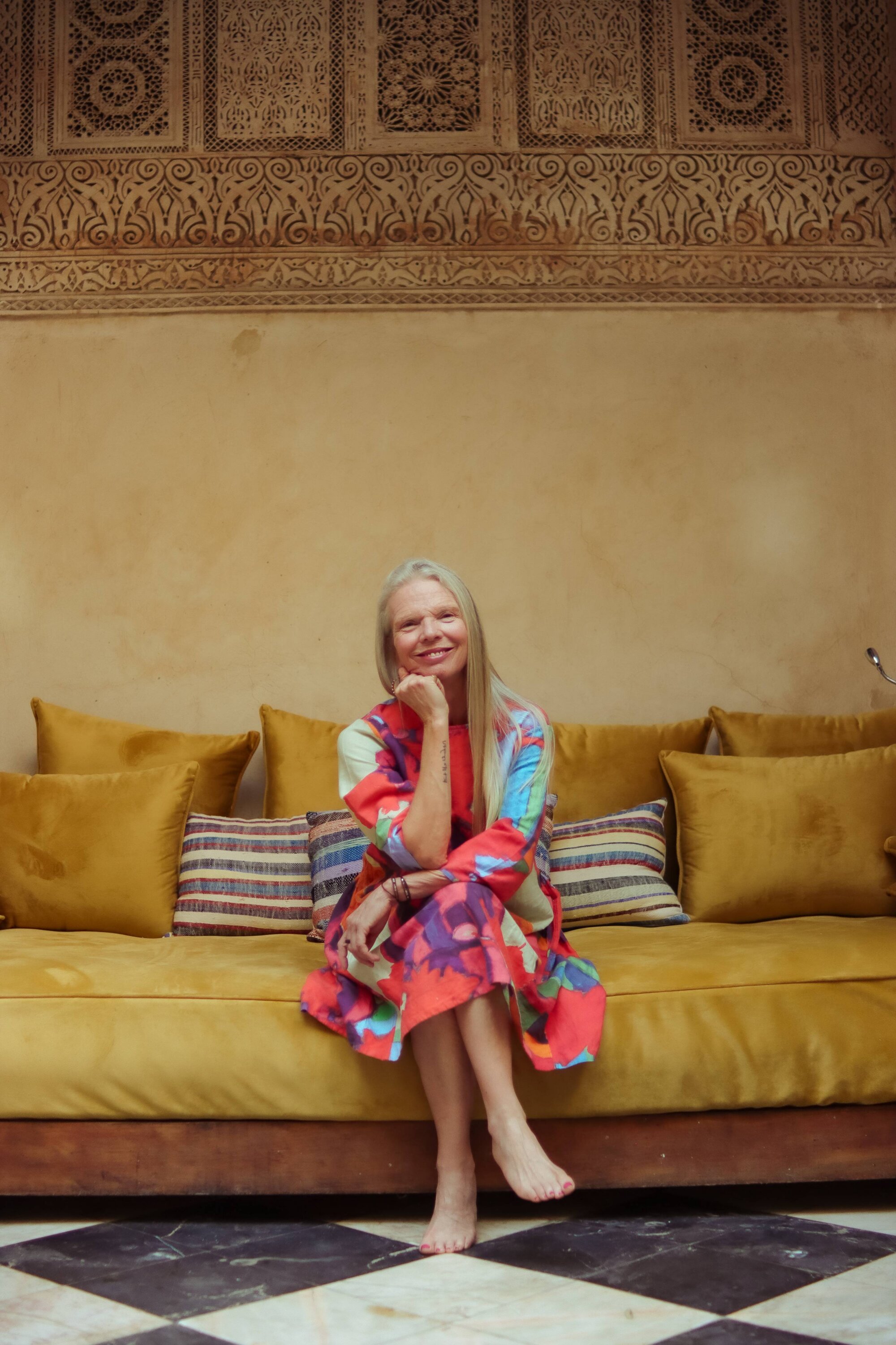
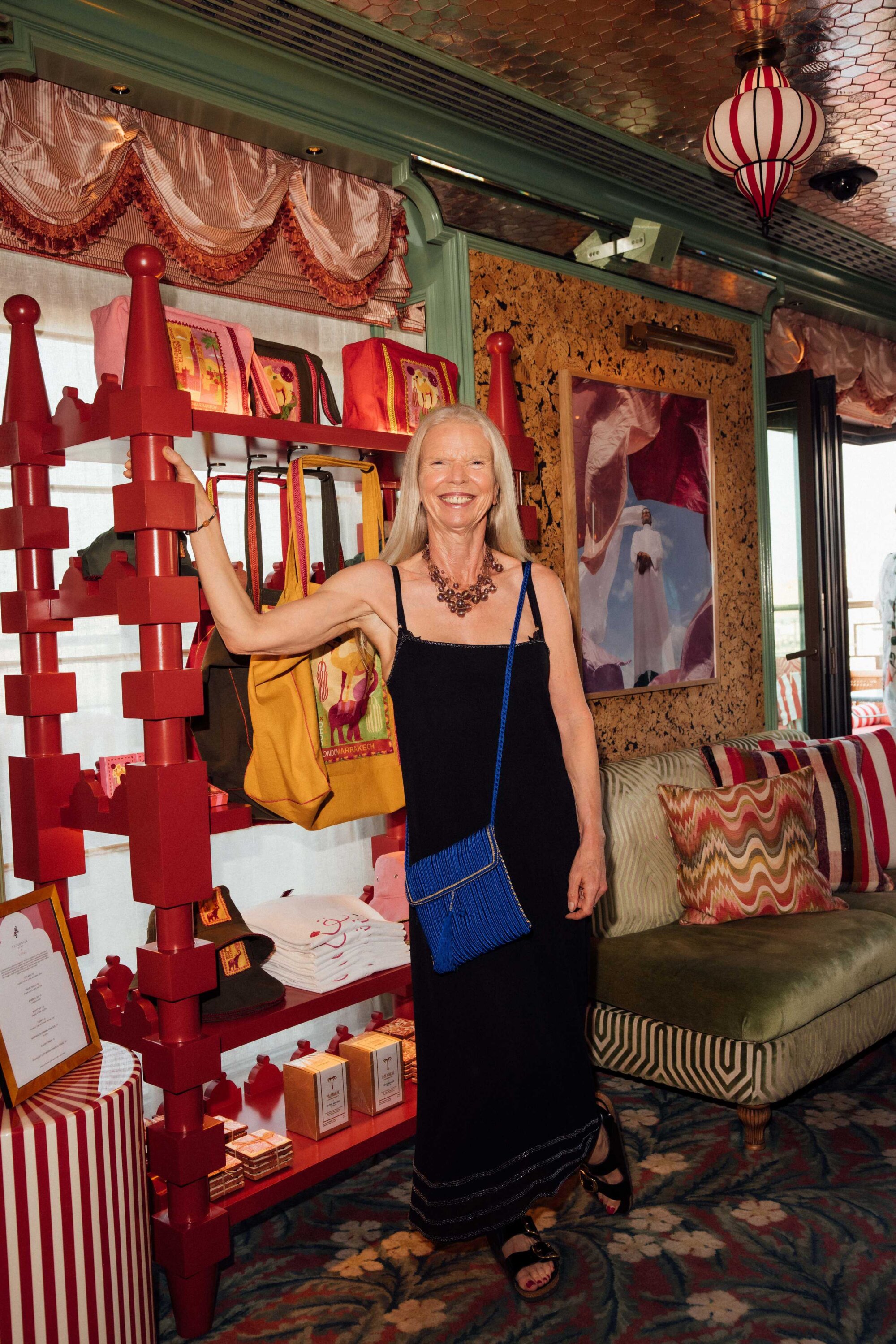
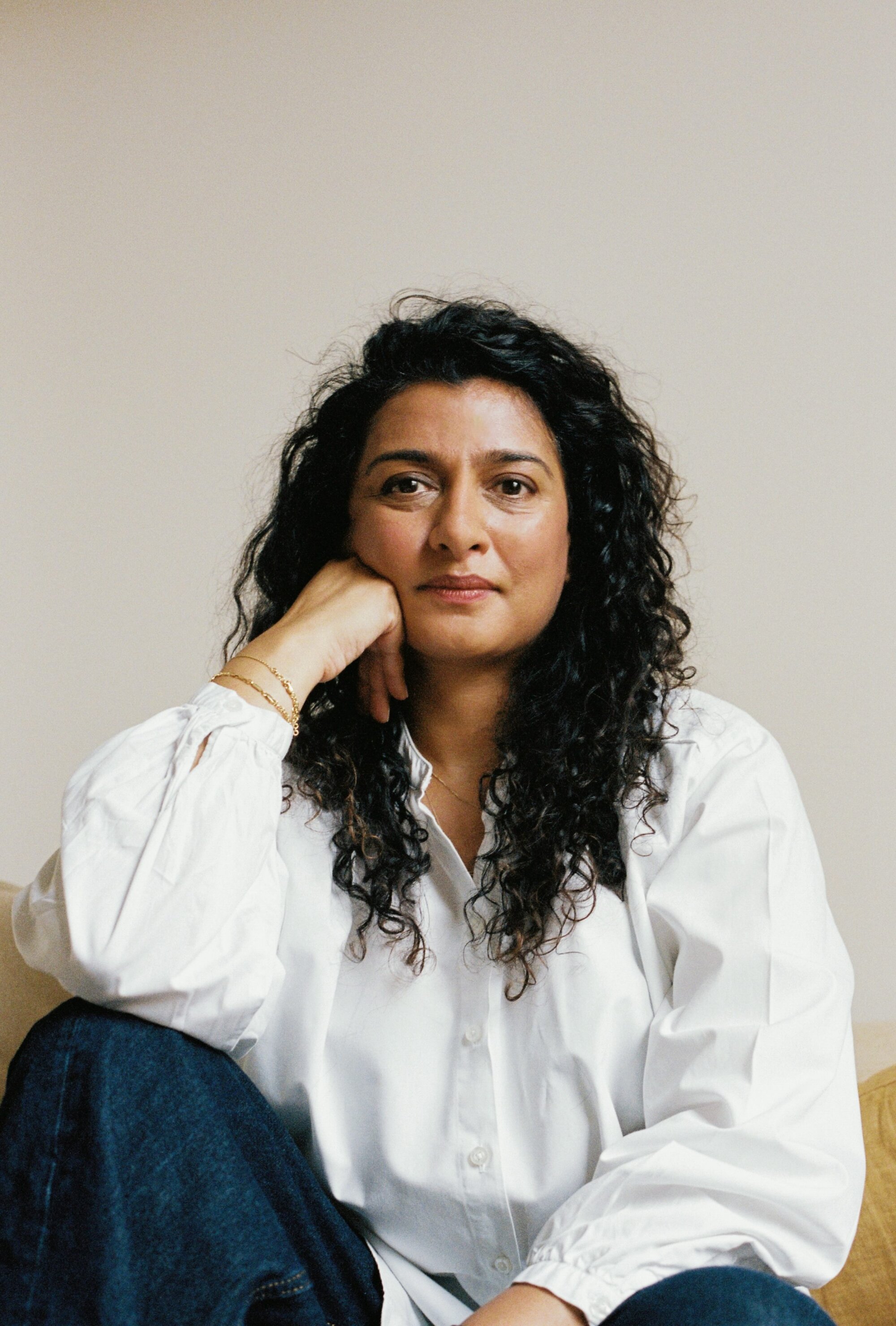
A British entrepreneur, philanthropist and cultural advocate, Branson began her career in the London art world. In 1986, she founded the Vanessa Devereux Gallery on Portobello Road, where she championed emerging talent and presented William Kentridge’s debut UK exhibition. Her relationship with Marrakech began a new chapter and is demonstrative of her ability to work with art to create new exciting cultural destinations – constantly turning her eye to incubating new artistic talent alongside best in class established artists. In 2005, she founded the Marrakech Biennale, North Africa’s only trilingual arts festival, bringing visual art into conversation with literature and film while creating an international platform for acclaimed and emerging Moroccan artists. In 2014, her contribution to Morocco’s cultural landscape was recognised with the royal distinction of Officer of the Order of Ouissam Alaouite.
An avid collector and champion of artists, Branson also worked in conjunction with Prue O’Day to co-found the Wonderful Fund Collection.
Through El Fenn, Branson continues to champion the artists and makers carrying Marrakech’s creative identity forward. The Wick caught up with her to discuss what gives a cultural destination its soul, the importance of approaching art with an open mind, what catches her eye in a new artist and why Van Gogh still sends her back to her paintbrushes.
THE WICK: What does a typical Monday look like for you?
Vanessa Branson: Monday is a less pressured start to the day than the rest of the week. I’m awake by 5.30am, an hour’s reading, then yoga, breakfast, and the Guardian quick crossword before a dog walk in Kensington Gardens. I’m at my desk by 10am to set the week’s agenda, check up on friends and family, and make a few calls. Lovely.
TW: You founded the Marrakech Biennale in 2005, helping establish one of the first major contemporary art biennials in North Africa. Looking back, what are you most proud of?
VB:
Fast-forwarding Marrakech’s identity as a city of contemporary culture. Marrakech has extraordinary heritage, but no young creative wants to live in a medieval museum, a city has to keep making things, not just preserving them. The Biennale gave a generation of Moroccan artists, and the city itself, permission to be contemporary. That shift in confidence is what I’m proudest of.
TW: At a time when arts funding faces increasing pressure, what role should artists, cultural foundations and institutions play in shaping society?
VB: Artists have always been our early warning system; they ask the questions society hasn’t yet worked out how to phrase. That feels more important than ever right now. I’m on the board of the Autotelic Foundation, an organisation that supports the arena where the arts and AI meet, which is exactly one of those frontiers where we need artists in the room, not just technologists. I’ve a lot to learn!
“Artists have always been our early warning system; they ask the questions society hasn’t yet worked out how to phrase.”
Vanessa Branson
TW: Why do the arts matter now more than ever, and which is your favourite artwork you own?
VB:
The arts matter because they demand something increasingly rare: an open mind. You can only truly appreciate a work of art if you approach it without your defences up, a terrific reminder to self, and to all of us, in an age of entrenched positions.
My favourite work I own is a painting by Paula Rego. My goodness, that woman was brave.
TW: Where do you go when you’re looking for cultural inspiration?
VB: 1-54 in Marrakech, the fair specialising in contemporary African art, is my favourite, always stories and joy. It never feels like a trade floor; it feels like a conversation you don’t want to leave.