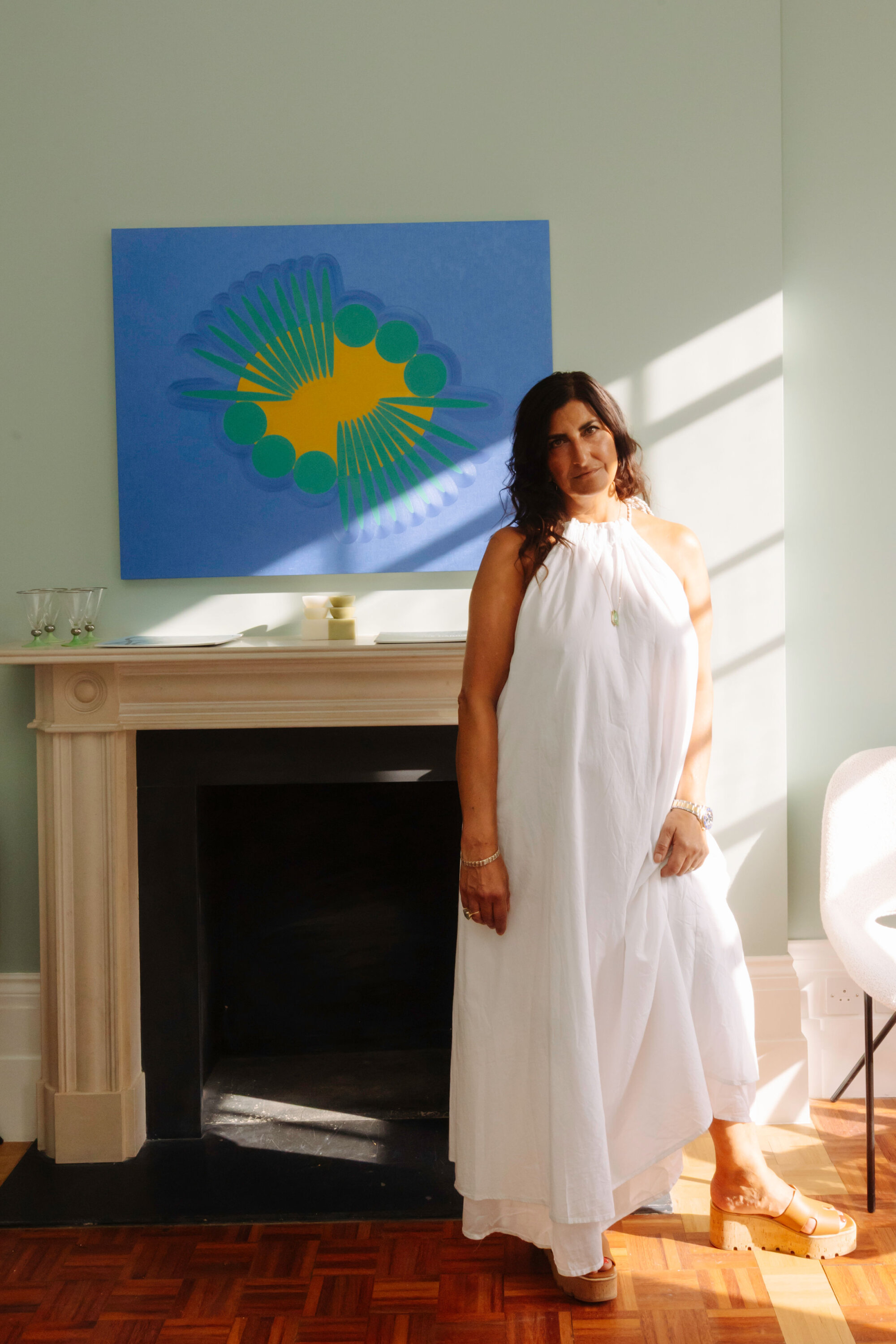
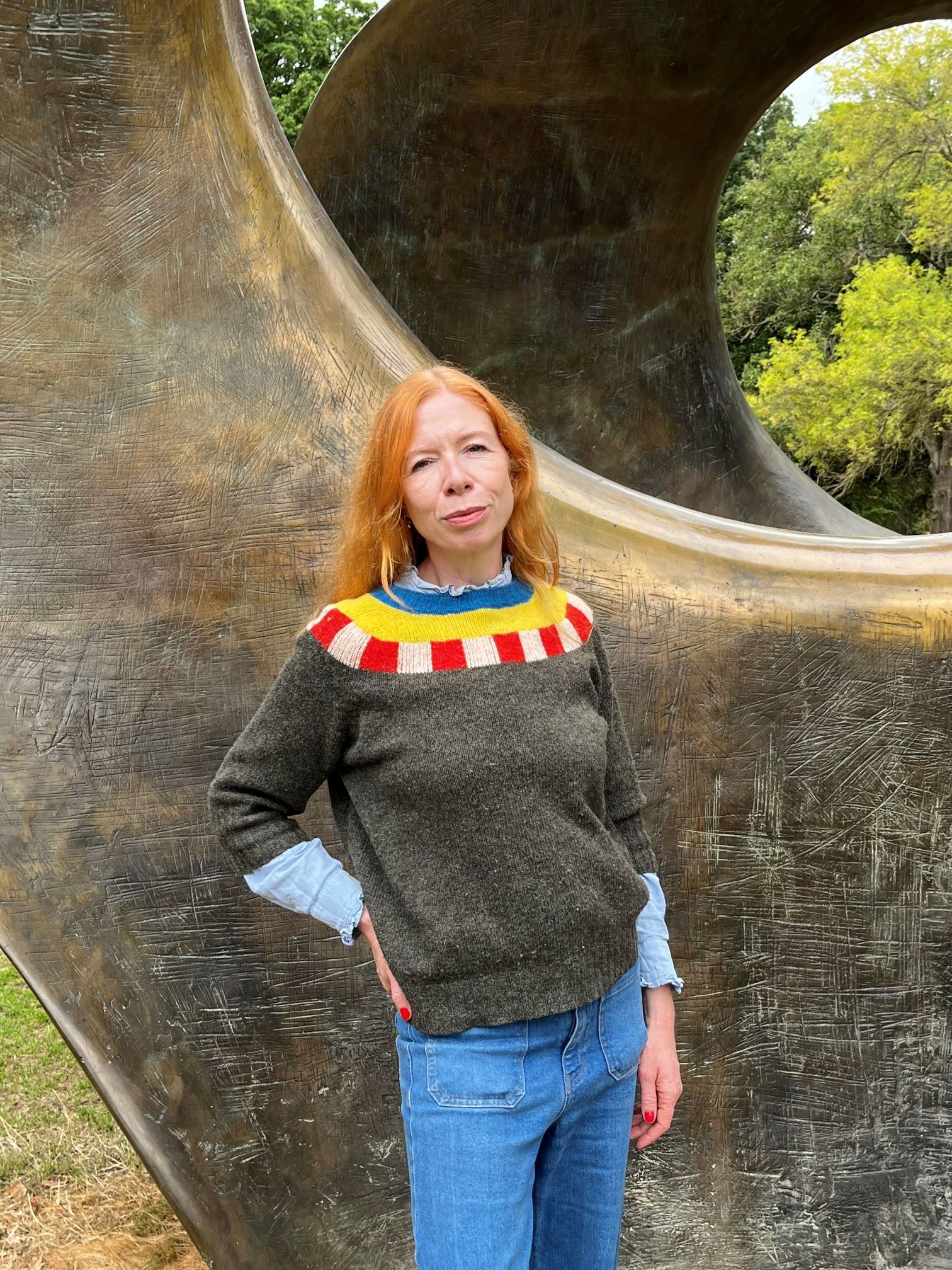
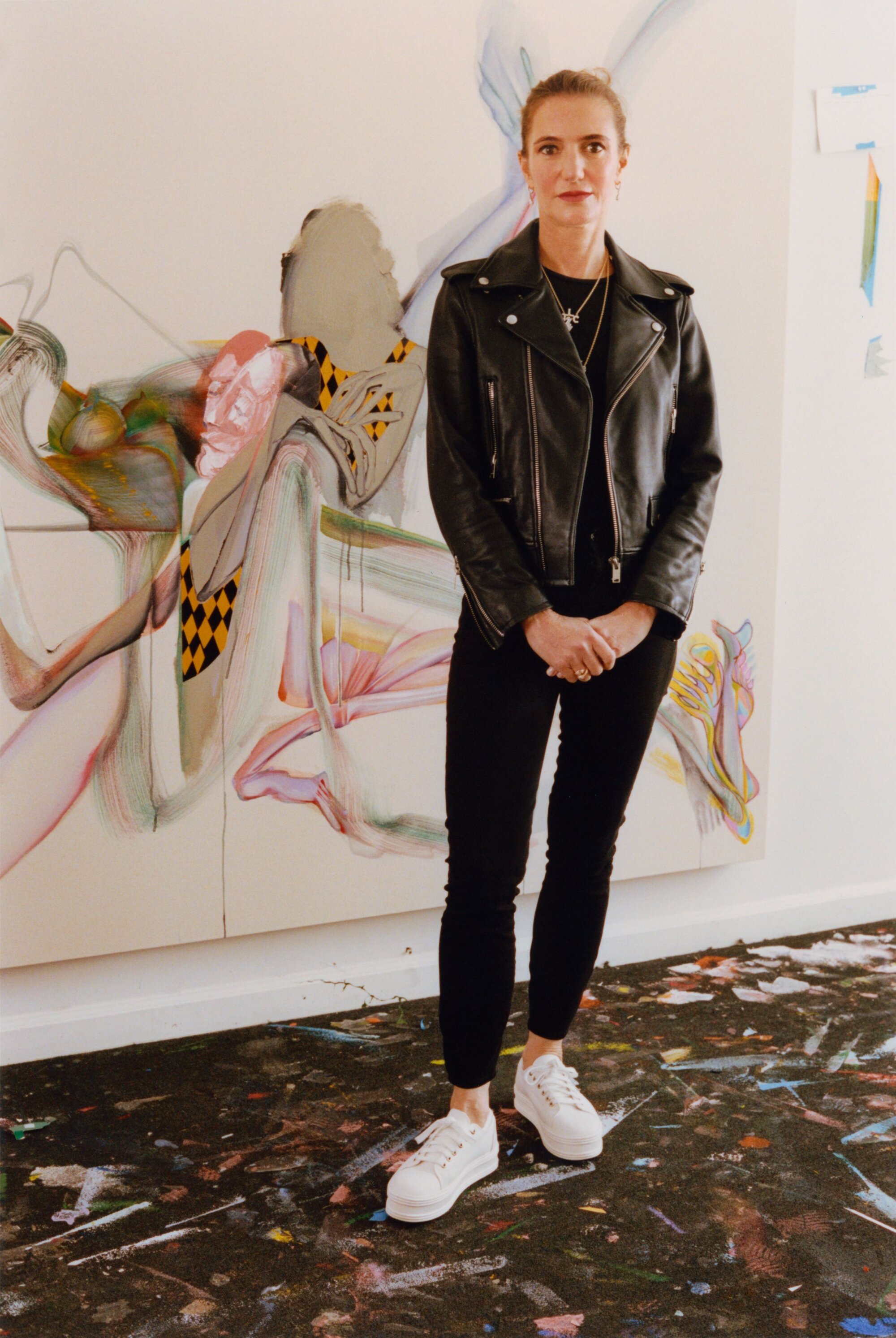
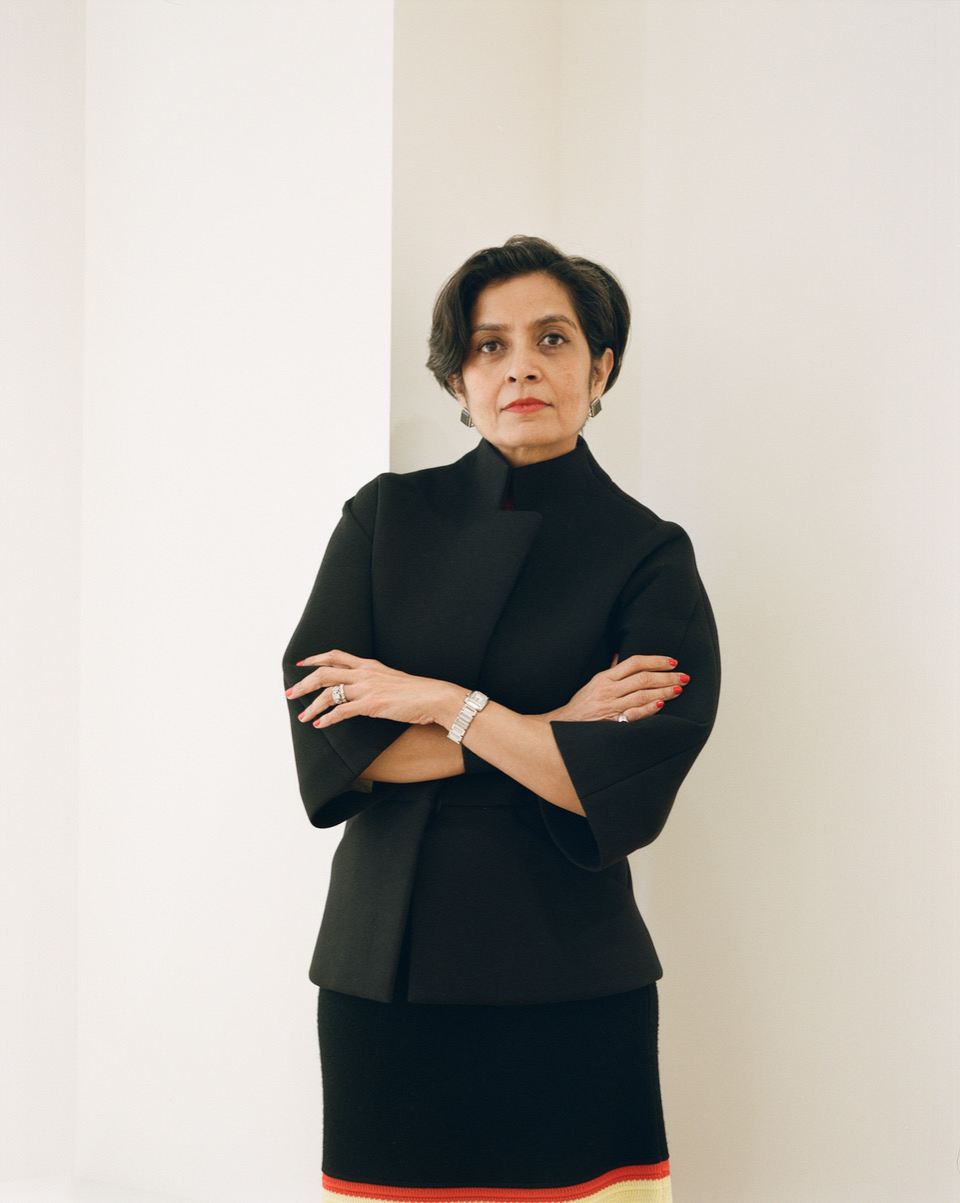
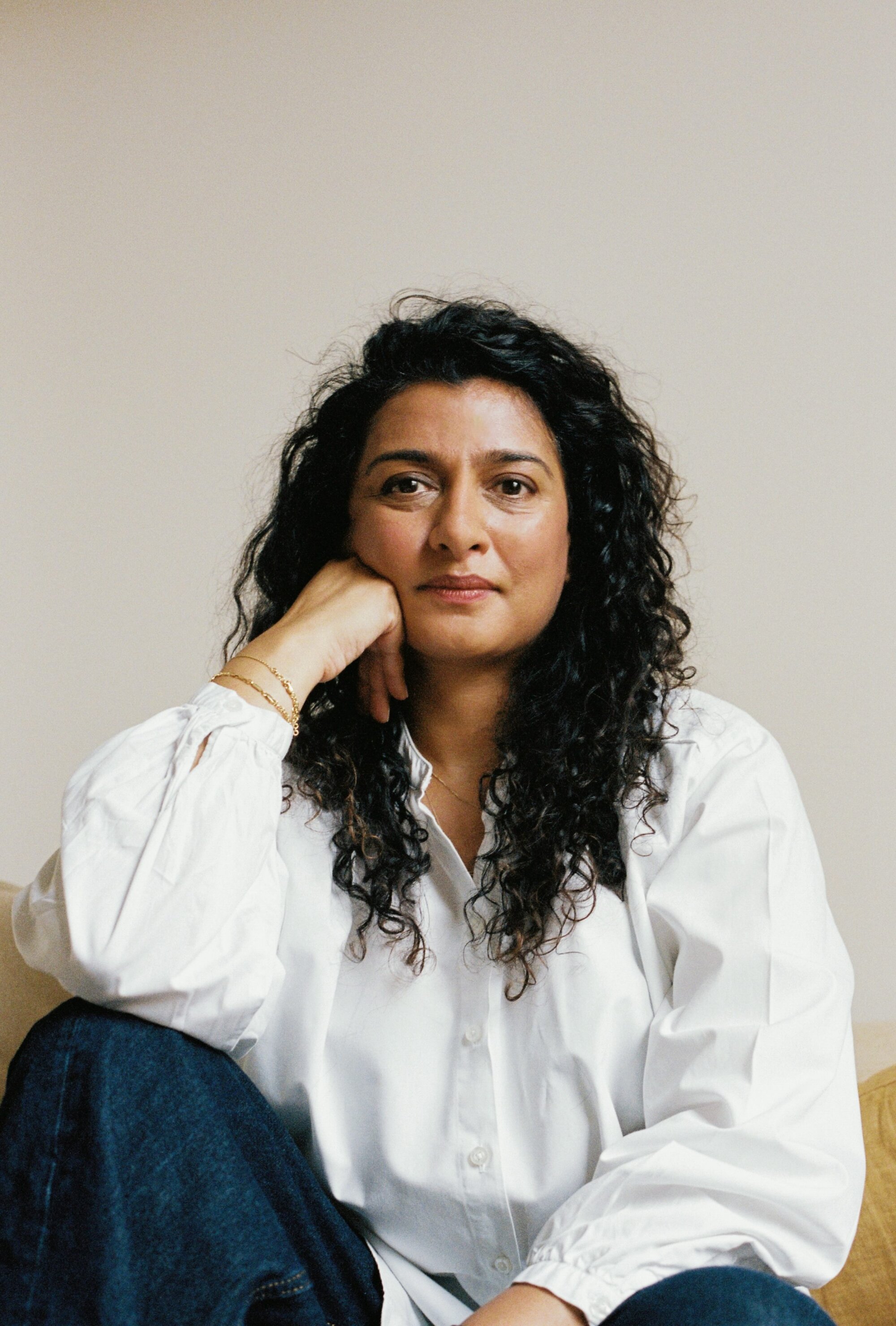
The Wick Culture - Freeny Yianni. Photography by Katharine Davies The Wick Culture - Freeny Yianni. Photography by Katharine Davies
Monday Muse

Interview: CLOSE gallery founder and curator, Freeny Yianni

Interview
Freeny Yianni
Photography
Katharine Boyd Davies
22 August 2025
Interview
Freeny Yianni
Photography
Katharine Boyd Davies
22 August 2025
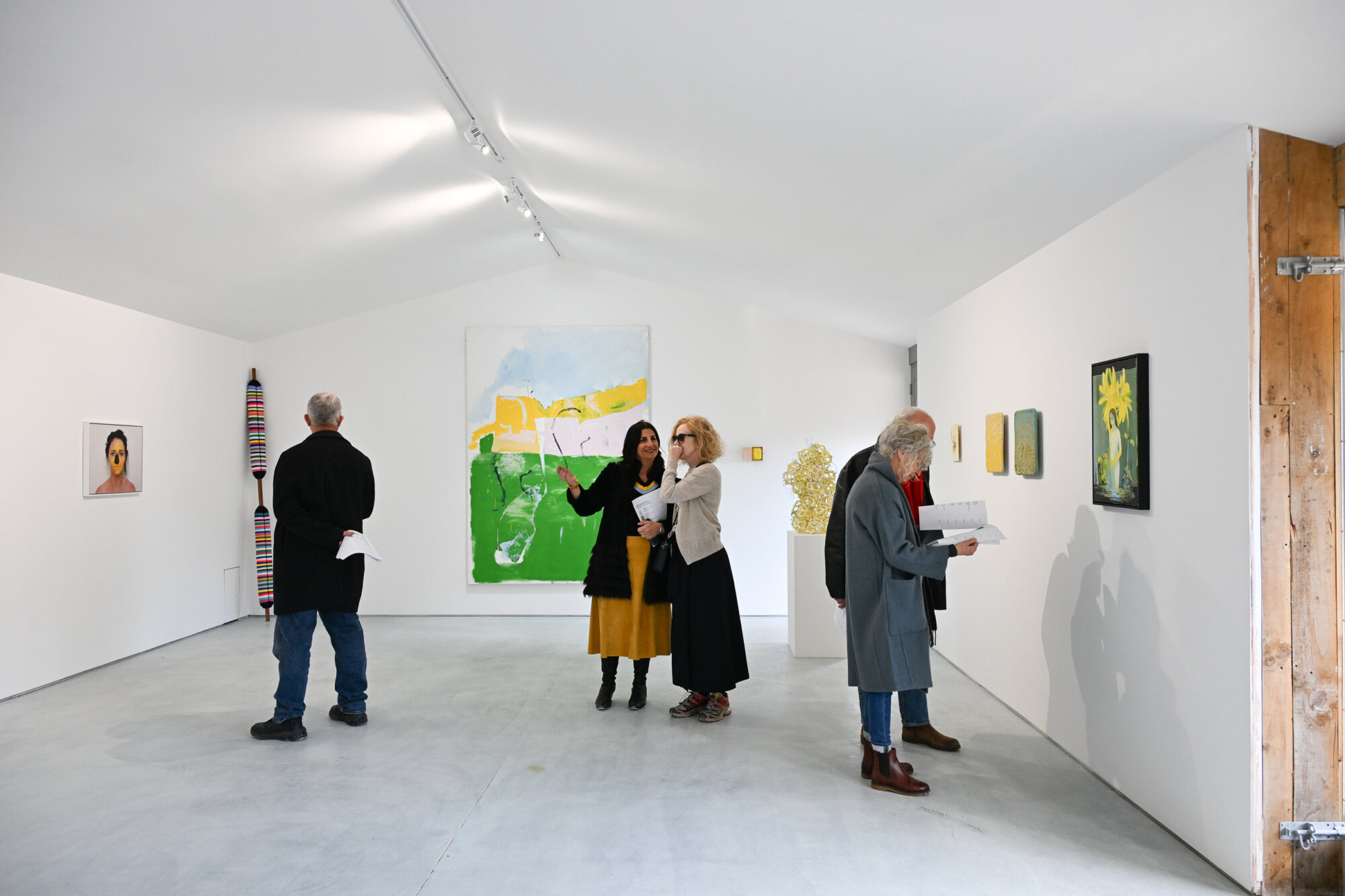
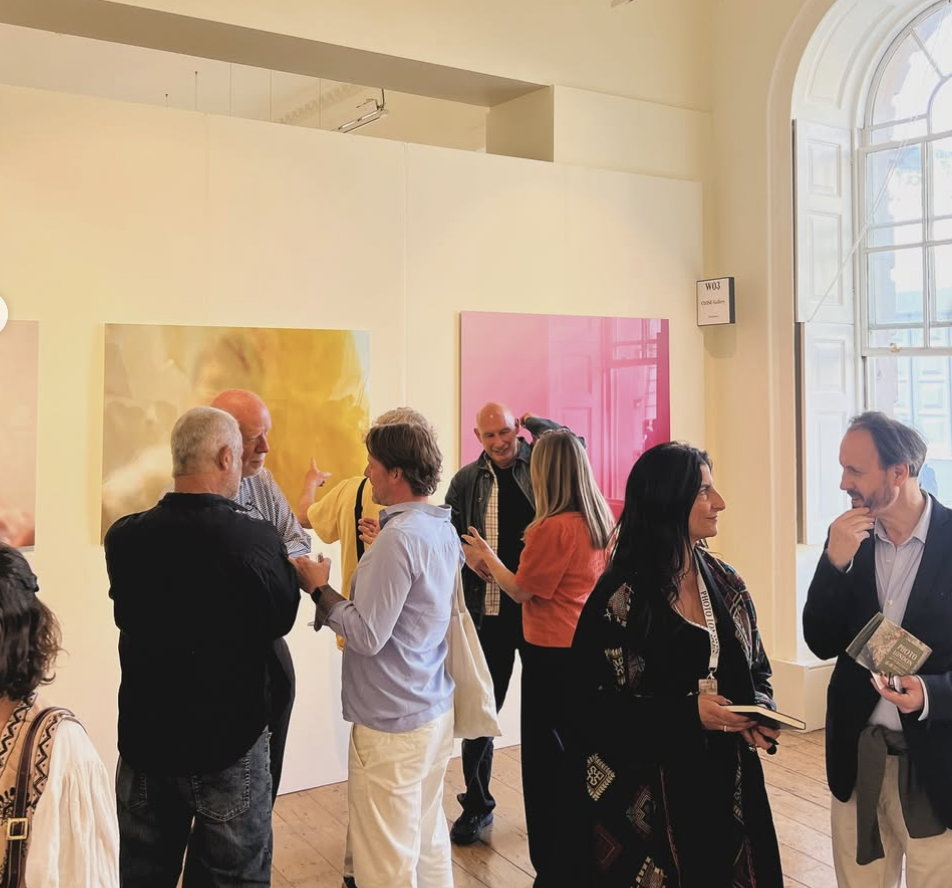
Freeny Yianni is a curator and the founder of CLOSE gallery. She is also Co-Chairman of the charity Somerset Art Works (SAW). Yianni spent her early years in Cyprus and the UK. She began her career as a dealer at Lisson gallery in the 1990s, where she forged close relationships with artists like Anish Kapoor and Richard Deacon, as well as mentoring many of the Frieze generation and Young British Artists then animating the London and New York art scene. After a decade working in London, in 2000 Yianni moved to Somerset where in 2009 she established CLOSE Ltd, a gallery with artist studios, an education and residency programme. Her ethos has always focused on a unique approach to contemporary art programs developing artists’ present and future legacies with a care and attentiveness. Yianni sees art as a vehicle for enduring transformation. Here she shares more about her path, what she loves about working in Somerset, and what she looks for in artists.

THE WICK:   What does a typical Monday look like for you?

Freeny Yianni:   Mondays begin with asanas and perhaps a walk outside. Being in nature grounds me and sets the pace for the week. Mondays at the gallery are about planning, mapping, thinking, and the constant detailing on our upcoming exhibitions, making sure our buildings and grounds are thriving. August sees the wildflowers in the meadows blossom. No two Mondays are ever the same, which is exactly how I like it.

TW:   You are the founder and director of CLOSE Gallery, a contemporary art space located in Somerset. What inspired you to open your gallery in Somerset?

FY:   Somerset began as a platform to design a slower life and have space to grow our innovative design company, Beautiful Lines Unexplained, after I left The Lisson Gallery and the speed of London life. What I didn’t expect was this extraordinary mix of deep-rooted history and radical creativity. We bought CLOSE House in 2007, and I wanted to create a space for creative practices that felt both international and hyper-local, where artists could retreat, experiment, and connect with audiences in a slower, more reflective way. Somerset offers room to breathe, and CLOSE was born out of a desire to pair world-class contemporary art with this landscape of stillness and renewal.

TW:   You have been lucky enough to work with incredible artists such as John McCracken, Anish Kapoor, and Richard Deacon while also mentoring many of the Frieze generation and YBAs in London and New York. What lessons from your Lisson Gallery years have shaped how you champion artists at CLOSE today?

FY:   Working at Lisson taught me the value of rigour, and that shaped my belief that a gallery must always place the artist’s voice at its centre. The sensitivity I applied to my work was my own, as a trained Fine Artist myself, I always related to artists as a fellow practitioner and knew that mentoring younger artists—giving them time, attention, and sometimes simply belief—is as crucial as championing established names. That ethos runs through CLOSE today. We are showing a piece by Richard Long in our next exhibition ‘After Nature’, and it’s been nice to work with Lisson Gallery again.

TW:   CLOSE operates on green biofuel, is actively rewilding its grounds, and even powers its programmes through clean-tech. How have you seen the art world’s commitment to sustainability evolve, and where do you think the most urgent work still lies?

FY:   The art world is taking sustainability seriously. We, as forerunners for the environment, have a role to play to set a precedent of how to live a greener life. If people have an example, they can follow it. If there is a solution, they can adopt it. We are all responsible for being the change we want to see and teaching our children to do the same. We only have one planet we must look after. Whether you’re a city goer or live in nature. We try to create more awareness now about energy use, but the urgency lies in moving from symbolic gestures to systemic change. For me, it’s not about “greenwashing,” but about embedding sustainability into the DNA of a gallery and my everyday life.

“Somerset offers room to breathe, and CLOSE was born out of a desire to pair world-class contemporary art with this landscape of stillness and renewal.”
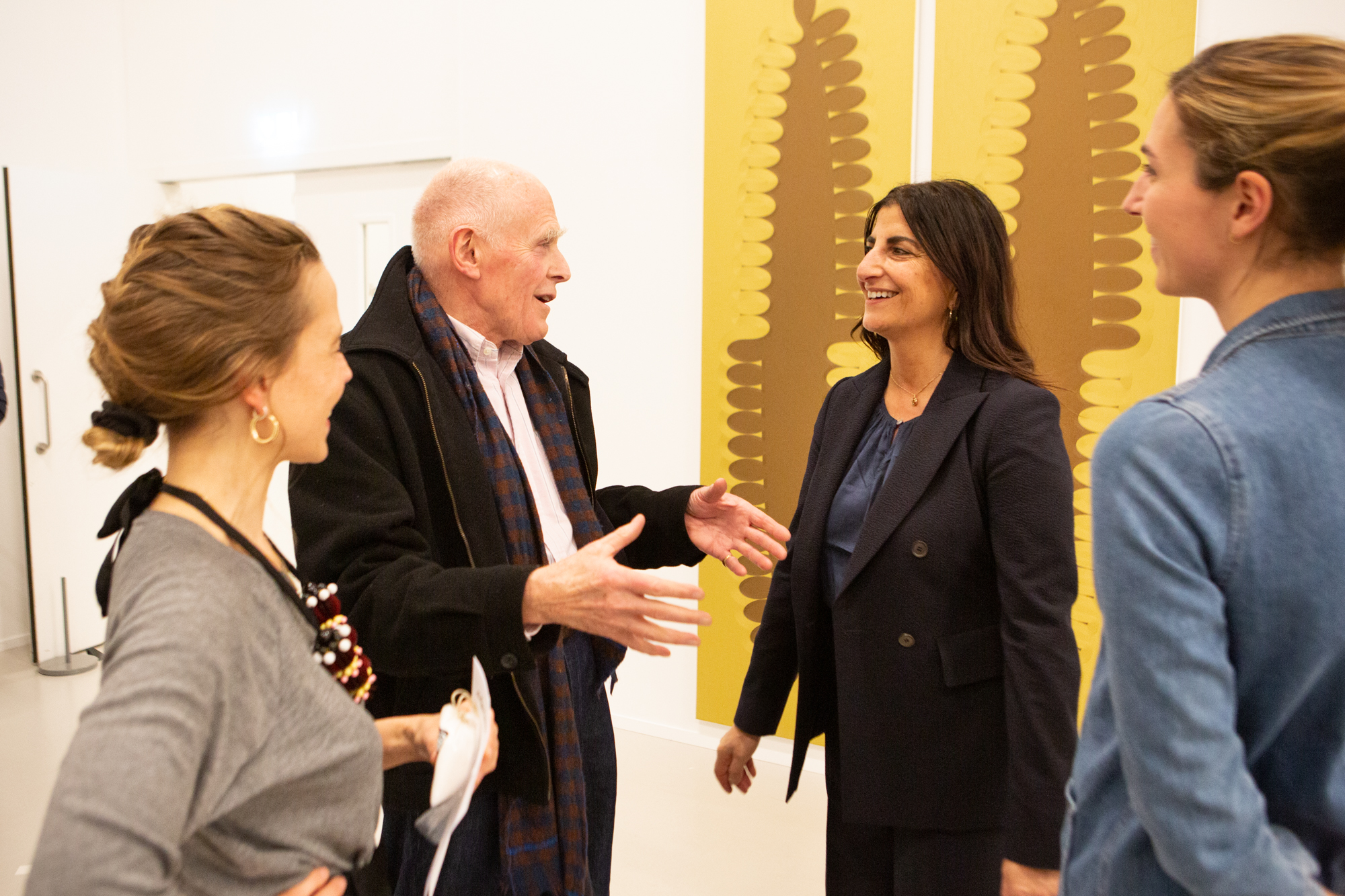
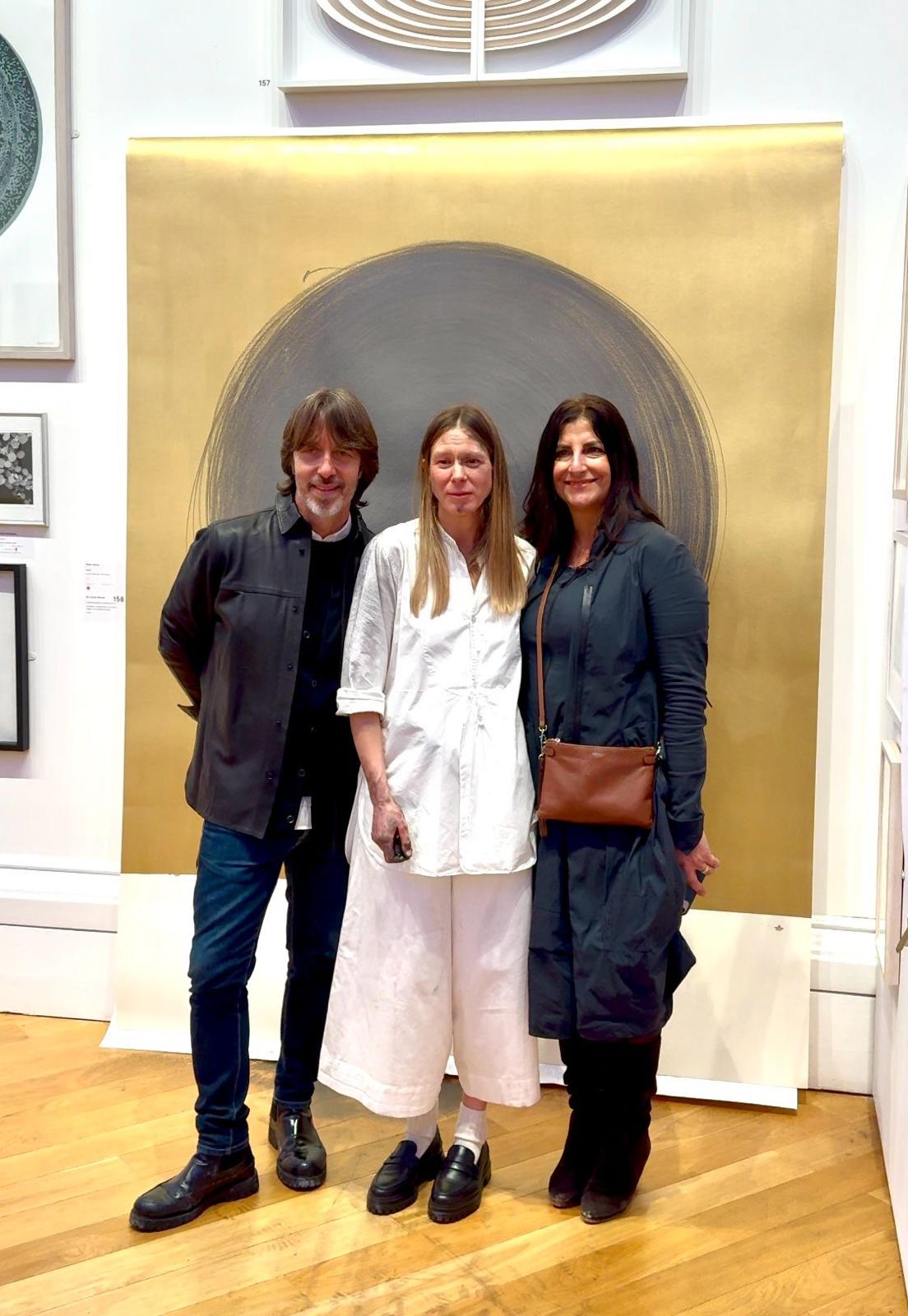
TW:   As a female founder in the art world, what challenges and advantages have shaped your journey and how have they influenced the way you lead CLOSE Gallery?

FY:   The art world has had many powerful women behind the desk. At times, I’ve had to work twice as hard to be heard, but those experiences sharpened my resolve to build a space where different kinds of leadership can thrive—collaborative, intuitive, and generous. At CLOSE, I try to lead by listening, and by creating opportunities and making sure people are working to their true potential. To nurture is my nature.

TW:   Beyond the gallery walls, you also volunteer as Co-Chair of charity SAW (Somerset Arts Works) and your gallery also acts as a hub for the community. Why is this so important?

FY:   Art has a big role to play in a rural landscape. It’s about belonging. In Somerset, the community is as much a part of the cultural ecosystem as the artists themselves. Somerset Art Works is a dynamic charity that connects people with creativity across Somerset. Collaborating with a wide range of partners, we enable ambitious projects, support artistic development, and create inclusive and sustainable opportunities for artists and communities to come together and spark positive change. We are gratefully funded by the Arts Council and have just welcomed Matilda Temperley as our Ambassador.

TW:   What is your favourite Culturally Curious spot in Somerset?

FY:   In Somerset, we have so many ways of connecting curiosity with culture. From being invited to supper clubs held in a barn, to supping Cider at Burrow Hill Farm, our culture is subtle and inclusive. Somerset has so much natural beauty and of course, its coastlines, but if I have to choose, I’d say pop into the Rural Life Museum where we showed Simon Hitchens ‘Bearing Witness to Things Unseen’ which will soon travel to FRIEZE Sculpture Park. This museum is a 13th-century Ecclesiastical Barn set on the hill in Glastonbury, a hidden treasure with a great dedicated team of supporters.

TW:   What do you look for in an artist?

FY:   We are always balancing the demands of our art programme with artists who we feel need a voice, and their practices involve an element of storytelling. Conceptualism is my passion and I am always thrilled when an emerging artist shows us work that can be appreciated at many levels. That’s the measure of an enduring relationship. There is an intelligence and commitment to practice that I am always looking for in the work I show at the gallery.

TW:   Which artwork and book would you take to a desert island?

FY:   Artwork: I love all my art collection, but the work I couldn’t part with would be a diptych of sorts, the handprints of my two sons; these contain both infinity and intimacy, a symbol of true joy in my life. Book: The Island of the Missing Trees by Elif Shafak, a reminder of my Byzantine history and the journey I have been on in finding home.


TW:   What is the best piece of advice you have received and you would like to pass on?

FY:   “Trust your eye, and listen to your heart, and don’t be afraid to do things differently.” The art world thrives on opinions, but your instinct is the compass that keeps you true.

TW:   Where is your favourite Greek restaurant to grab a bite after an art world opening in London?

FY:   Lemonia in Primrose Hill—its Greek Cypriot and feels like a hug from home.

TW:   Who is your ultimate Monday Muse?

FY:   My mother Avgoulla Yianni. She was fearless, elegant, and endlessly curious. She taught me that creativity isn’t a profession, it’s a way of living.


Share story
Further Information
READ MORE
The Wick Culture - Aoife Leach Headshot
Monday Muse

Interview Aoife Leach

The Wick Culture - Sophia Thakur. Courtesy of the artist
Monday Muse

Interview Award-winning Poet Sophia Thakur on Poetry, Faith, Music and the Power of Language

The Wick Culture - Luella Bartley Portrait by Vanina Sorrenti
Monday Muse

Interview Artist & Designer Luella Bartley MBE

The Wick Culture - Photographed by Sophia Spring
Monday Muse

Interview Bags of Ethics Chief Executive Smruti Sriram, OBE

The Wick Culture - Photographed by Dasha Tendita
Monday Muse

Interview: Director of The Women's Art Collection Harriet Loffler

The Wick Culture - Rejina Pyo photographed by Bob Foster
Monday Muse

Interview: Fashion Designer and Creative Director Rejina Pyo