Spotlight Saad Qureshi
WATCH
WATCH
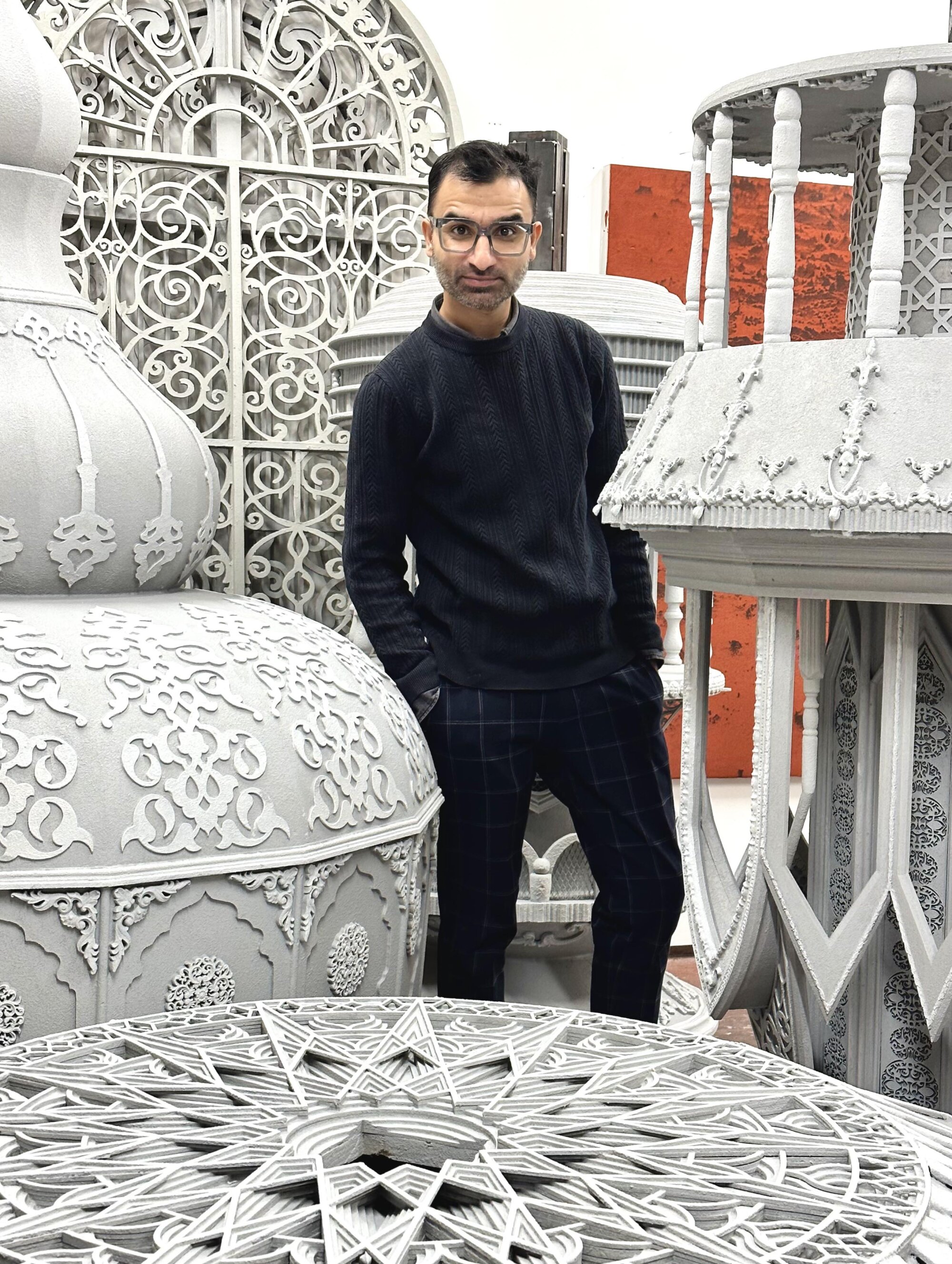
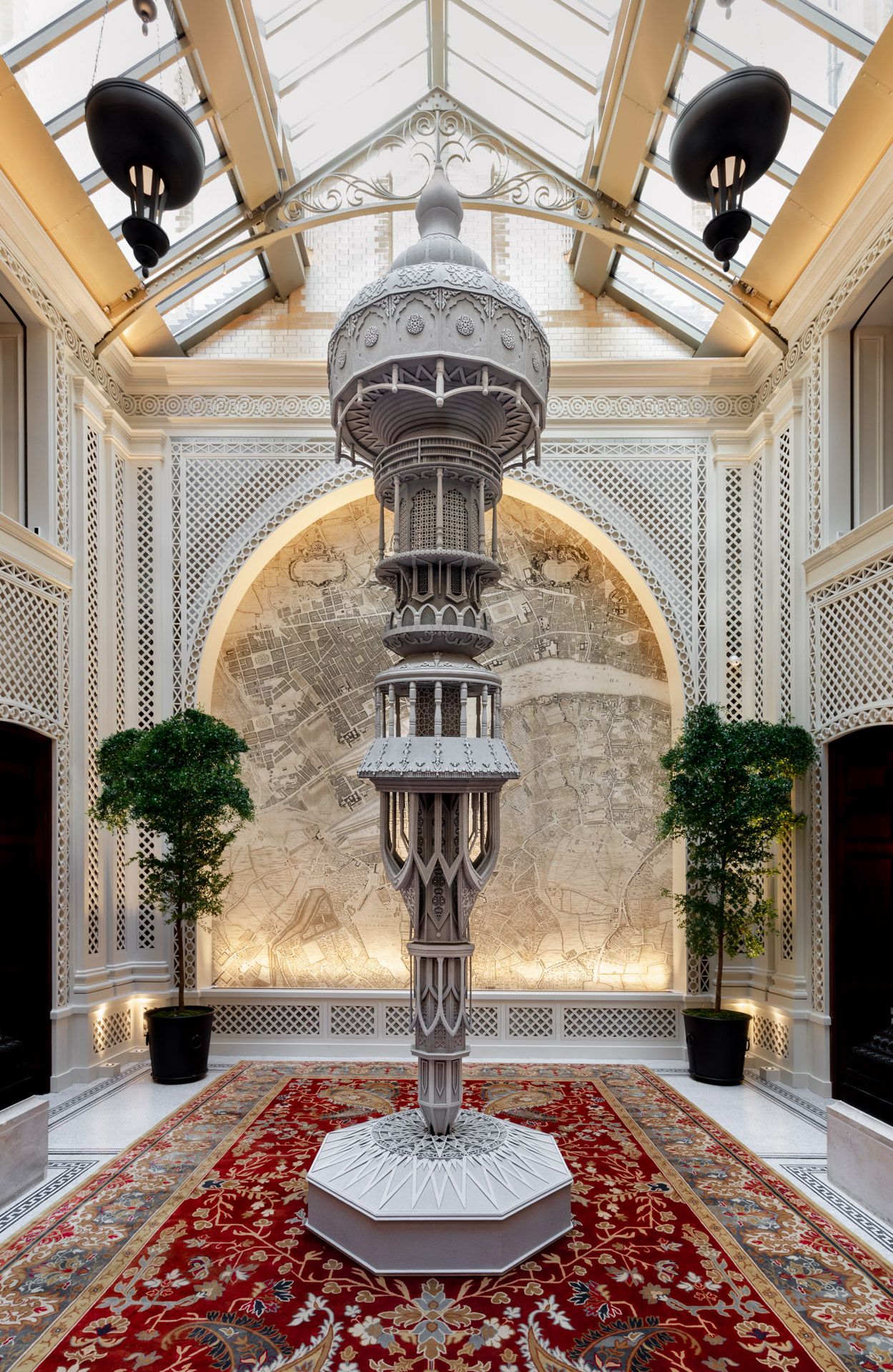
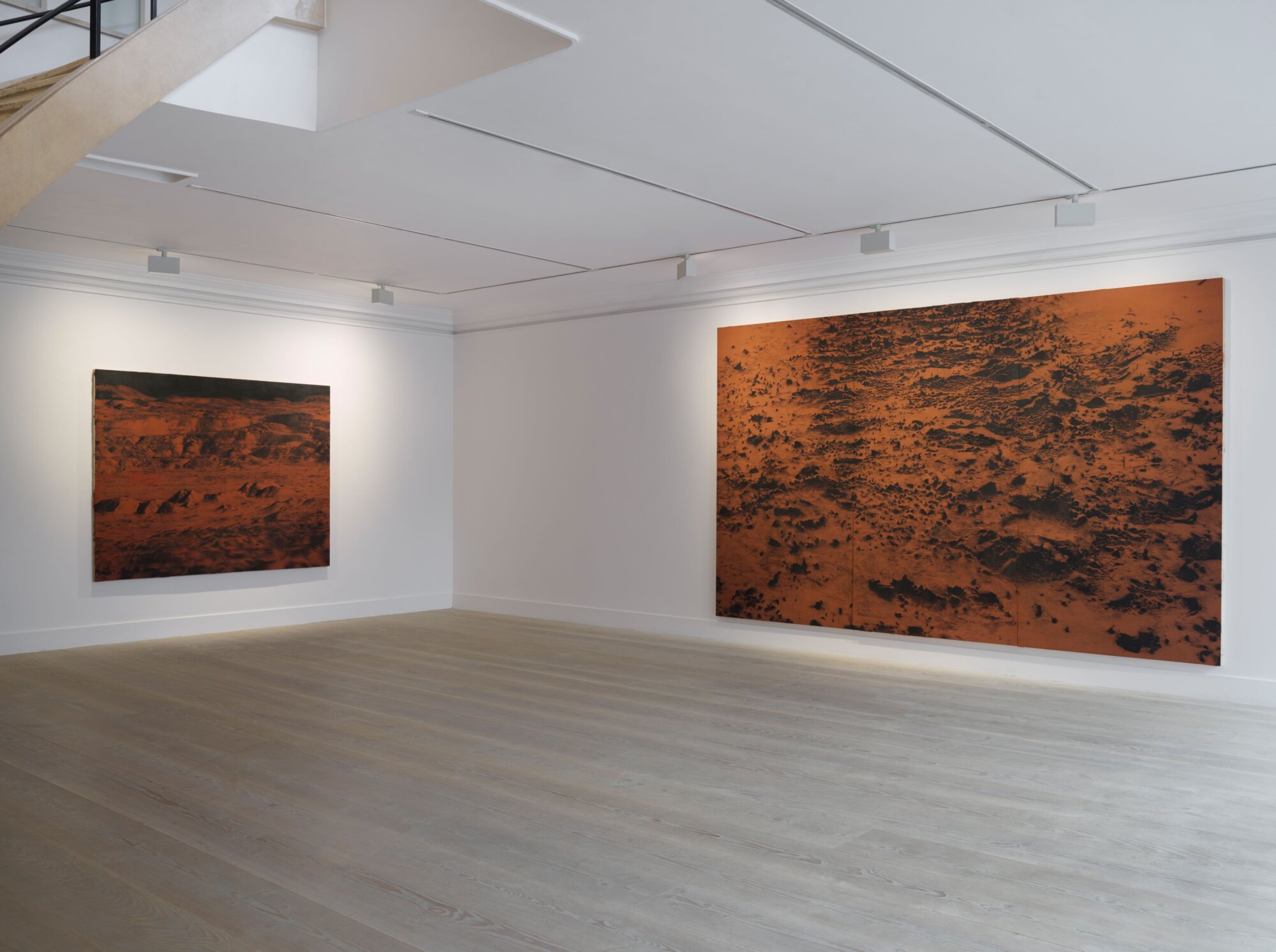
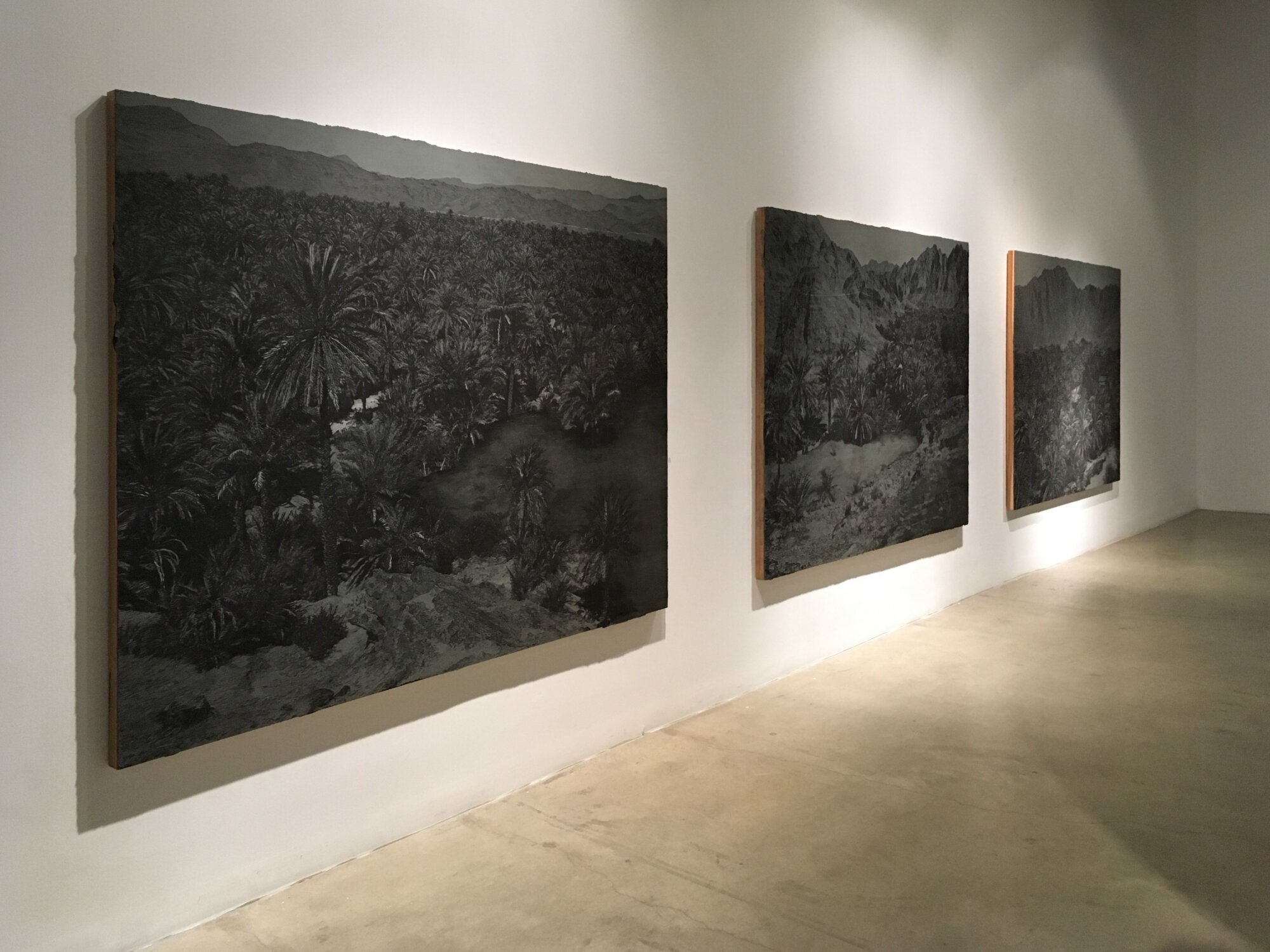
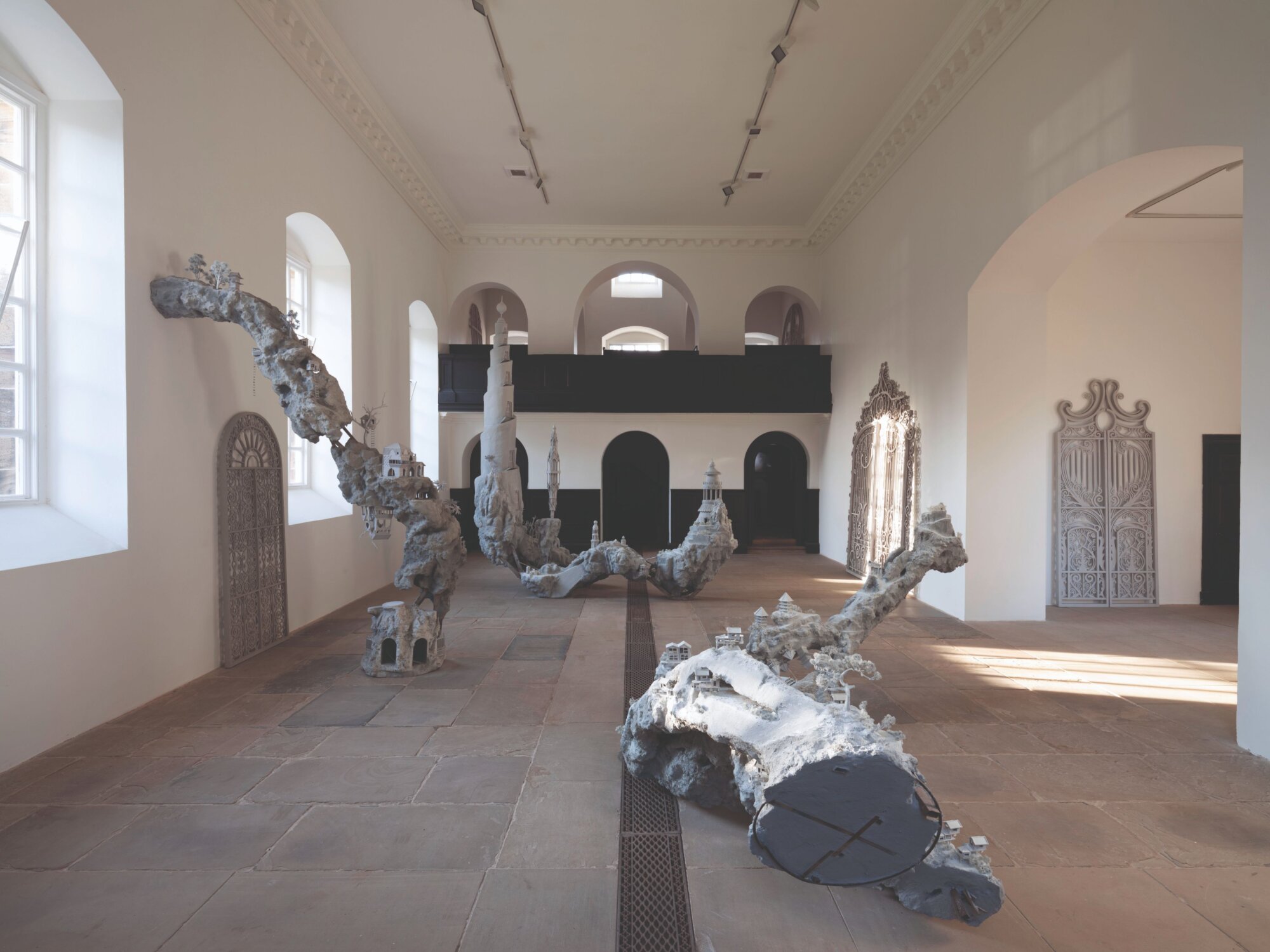
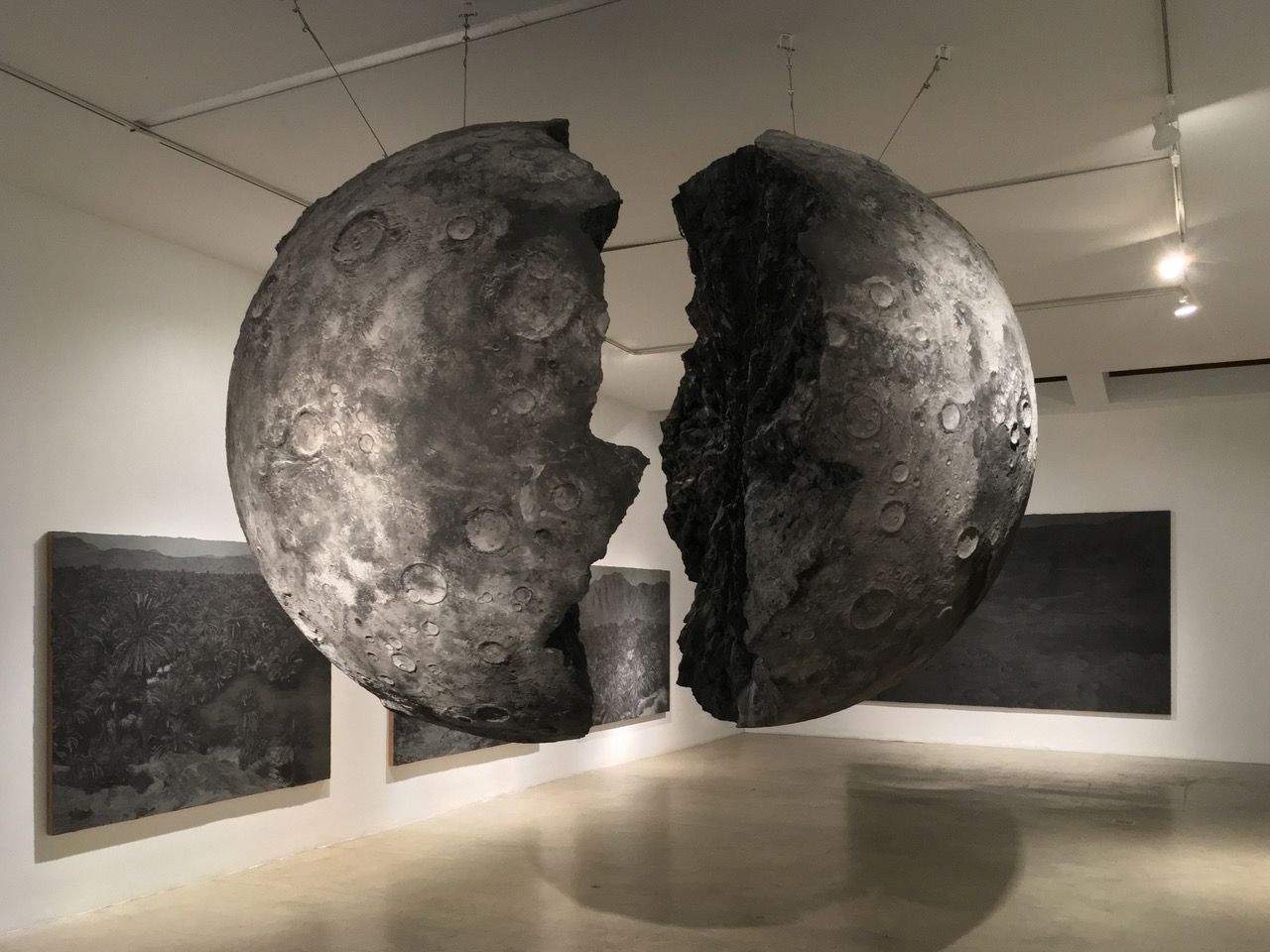
Historical architecture and the moon recur throughout his practice, each offering a different route into the ideas that preoccupy him. Of architecture, Qureshi says, “I see it as a vessel for human experience, a way of holding memory, time, and emotion within form.” The moon, meanwhile, occupies “a central place” in his thinking, evoking “a sense of wonder and stillness” and inviting reflection on our place within something far larger than ourselves. One expression of this celestial thread appears in a new moon sculpture and monumental drawing for The Sun and The Moon: Art Inspired by the Celestial at Saatchi Gallery this spring – a fitting context for an artist whose work so often turns towards what exceeds language without losing sight of human presence.
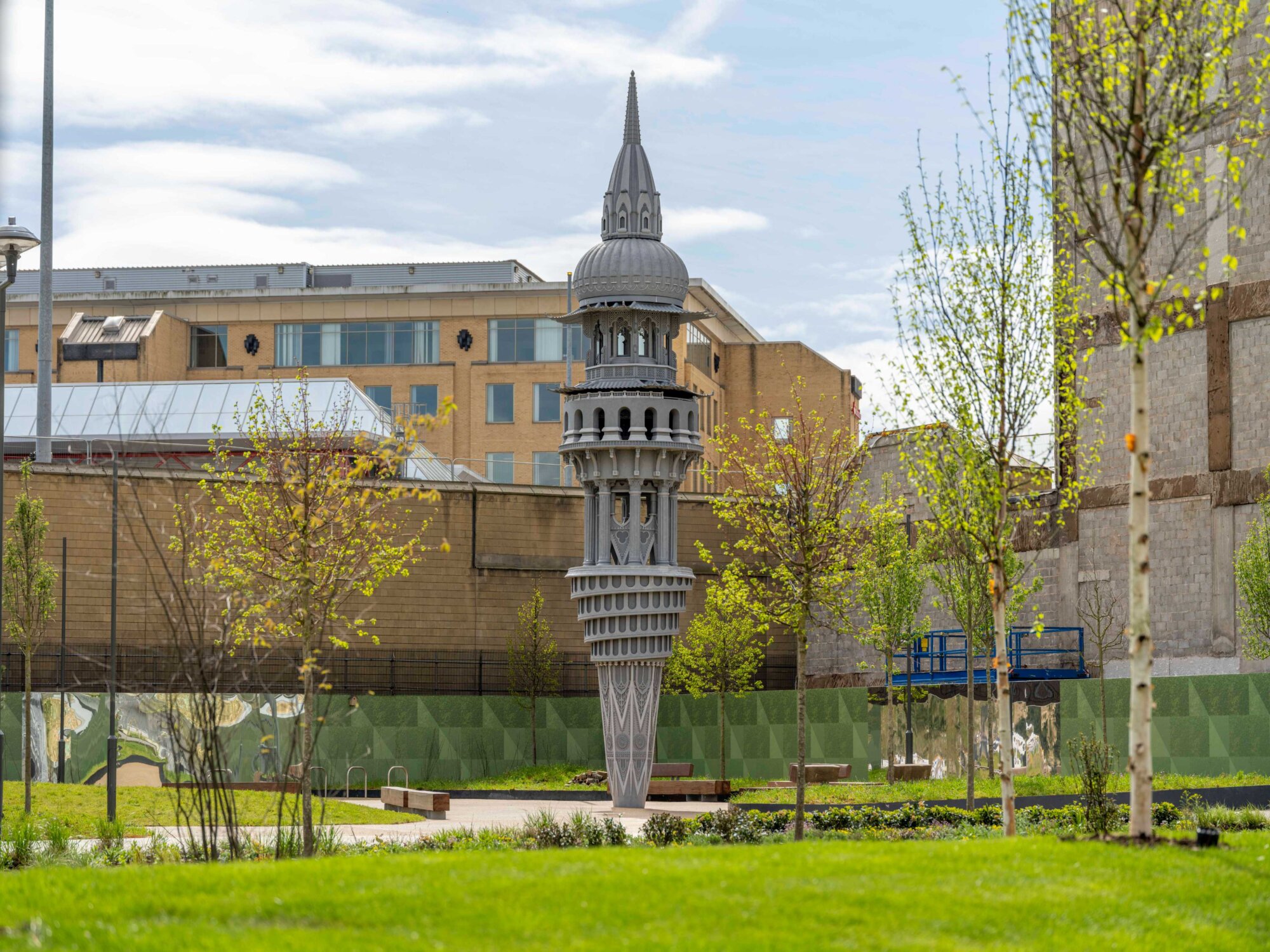
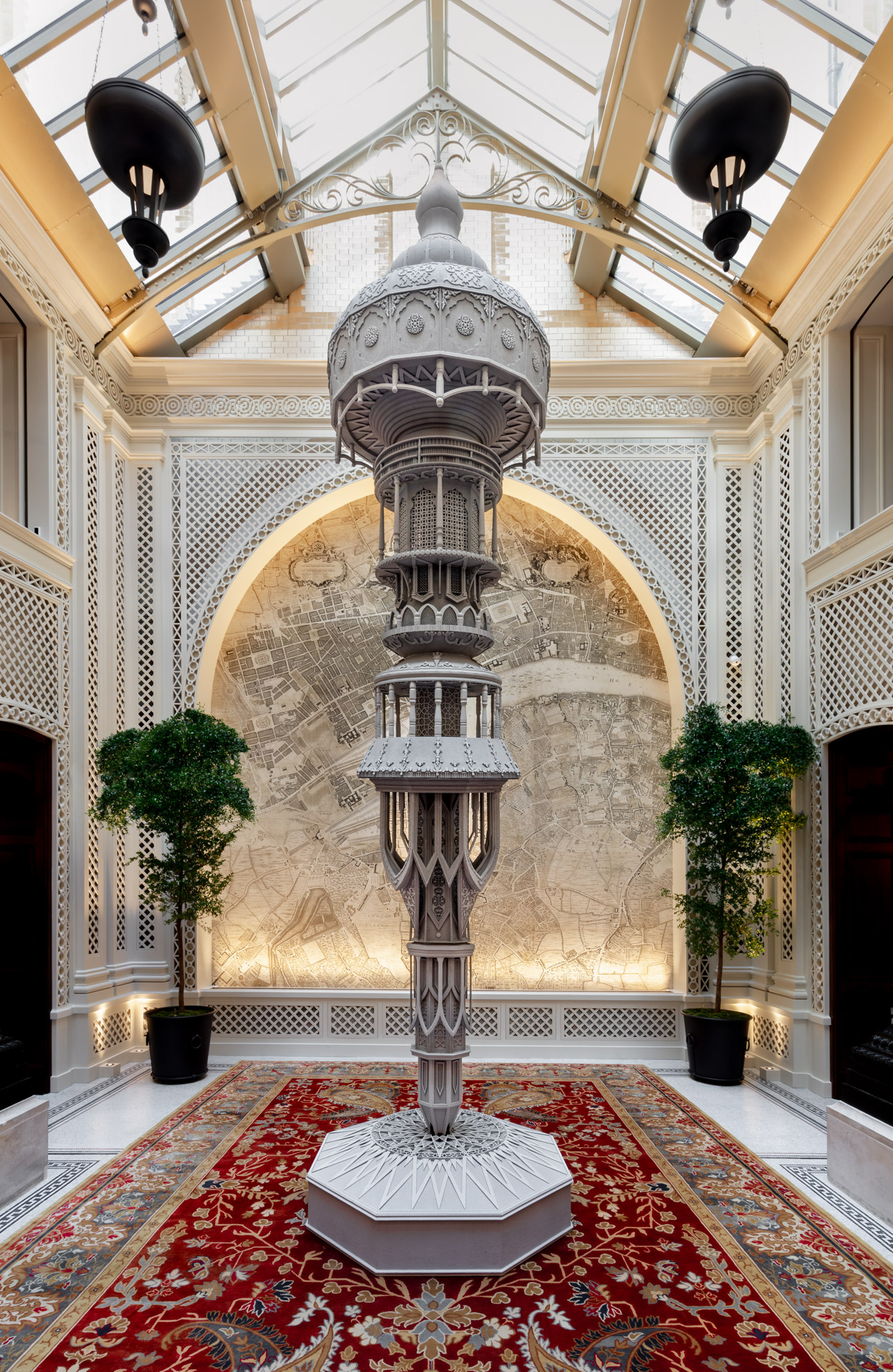
This interplay between intimacy and monument is perhaps nowhere clearer than in Tower of Now, his largest public commission to date, created for Bradford City of Culture 2025. Rising 15 metres into the skyline, the sculpture transforms the city’s horizon while inviting reflection on time and collective memory. For Qureshi, the commission also hit close to home. “Bradford is where I grew up, so returning twenty years later with a work of this scale felt deeply personal, both a homecoming and an act of acknowledgement,” he says. “There was something profoundly moving in placing this sculpture within a landscape that shaped me, allowing past and present to meet in a single, shared space.”
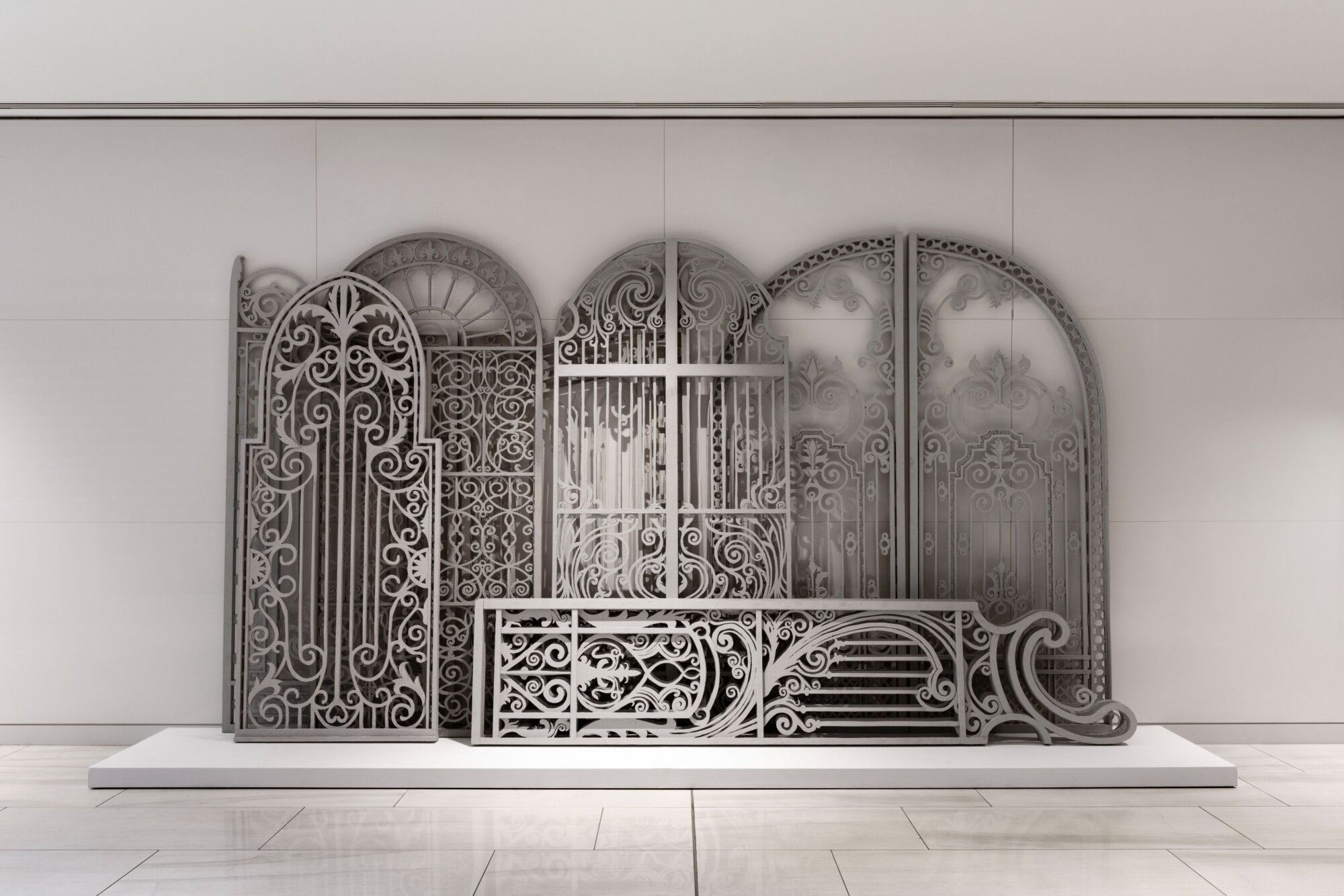
His champion, Dr Alka Bagri, Trustee of the Bagri Foundation, is interested in this balance of beauty and depth. “Saad Qureshi is an artist I feel deeply drawn to champion because his work speaks to me on both an aesthetic and emotional level,” she tells The Wick. Bagri points in particular to the Tanabana series and the Gate sculptures, where, as she puts it, “there is an undeniable elegance, but also a depth that reveals itself slowly.” What stays with her most, however, is the intimacy within the work: Qureshi’s connection to his South Asian roots, family and the memory of his mother weaving textiles. She also highlights the materials in the Gate sculptures, especially wood and plaster, which she says convey “both strength and fragility at once.” “Above all,” she adds, “Saad’s warmth, humility and sensitivity feel inseparable from the art he makes.”
“There is an undeniable elegance [to Qureshi’s work], but also a depth that reveals itself slowly.”
Ultimately, the force of Qureshi’s work lies in its attentiveness. His sculptures and drawings do not chase monumentality for its own sake. Instead, they ask for a slower form of looking, one that makes space for wonder and for the emotional weight held within a form.
About the champion
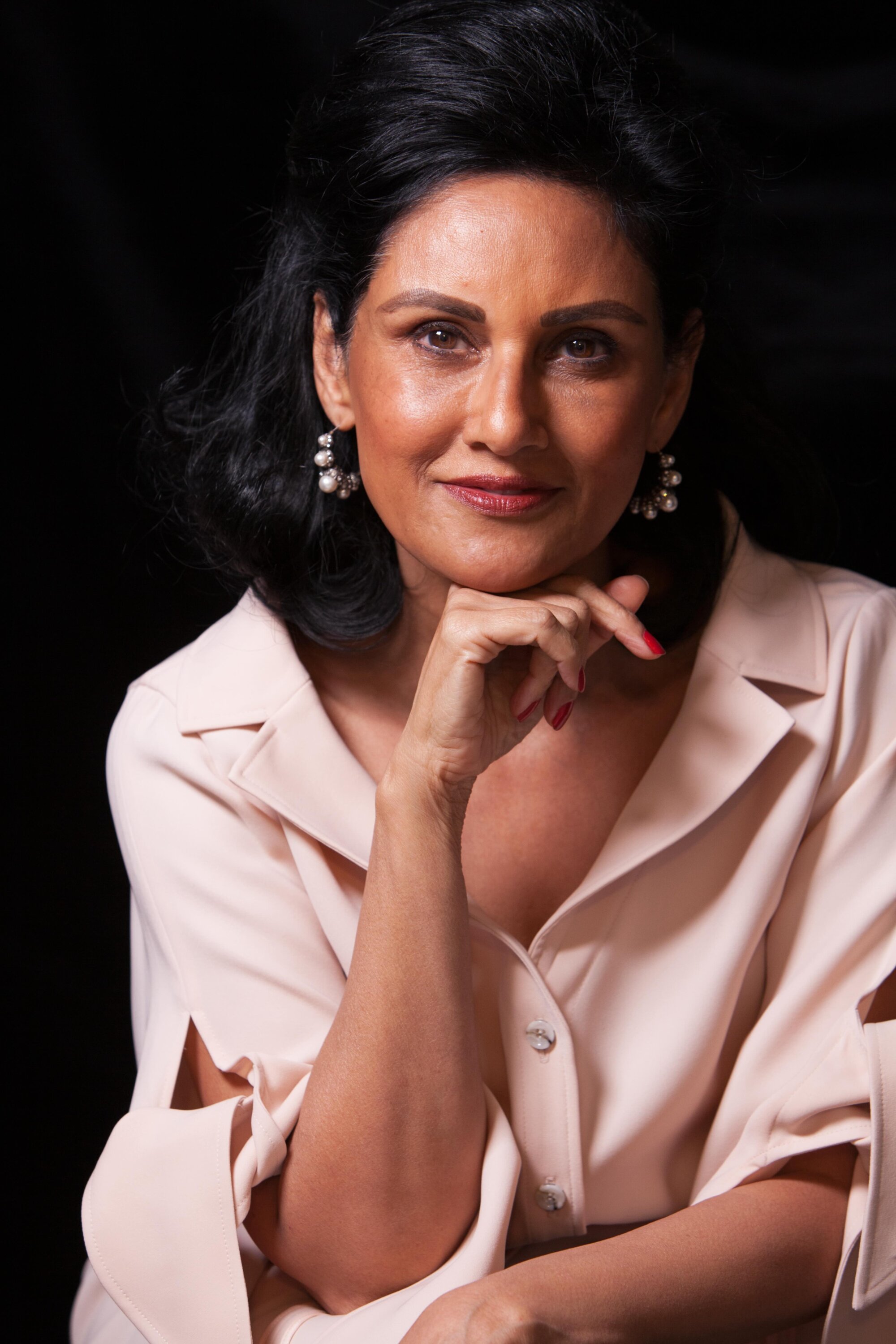
Art historian and cultural patron Dr Alka Bagri champions traditional and contemporary Asian arts through her leadership as trustee of the Bagri Foundation. With a DPhil from Oxford in Indian Miniature Painting and an MA from SOAS in Indian Art and Philosophy, she brings deep academic expertise to the Foundation.
Since she has led the Foundation’s board, the Bagri Foundation has fostered partnerships with leading cultural institutions including London’s V&A, Royal Albert Hall, Barbican Centre and Sadler’s Wells, as well as the Rijksmuseum in Amsterdam and Quai Branly in Paris. Her interests span visual arts, craftsmanship, oral traditions, world cinema and performing arts, driving the foundation’s mission to cultivate cultural dialogue and build learning and empathy among wide audiences.