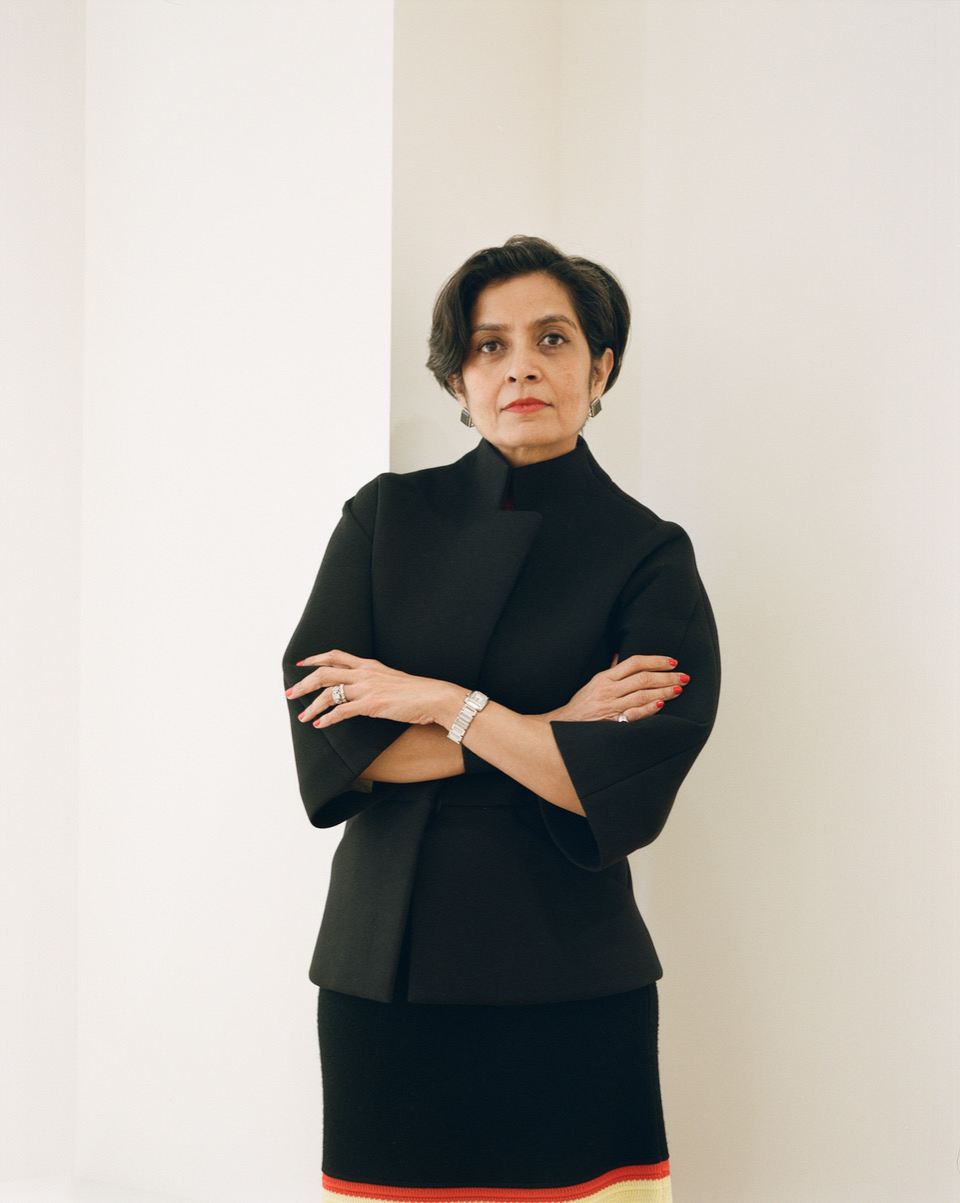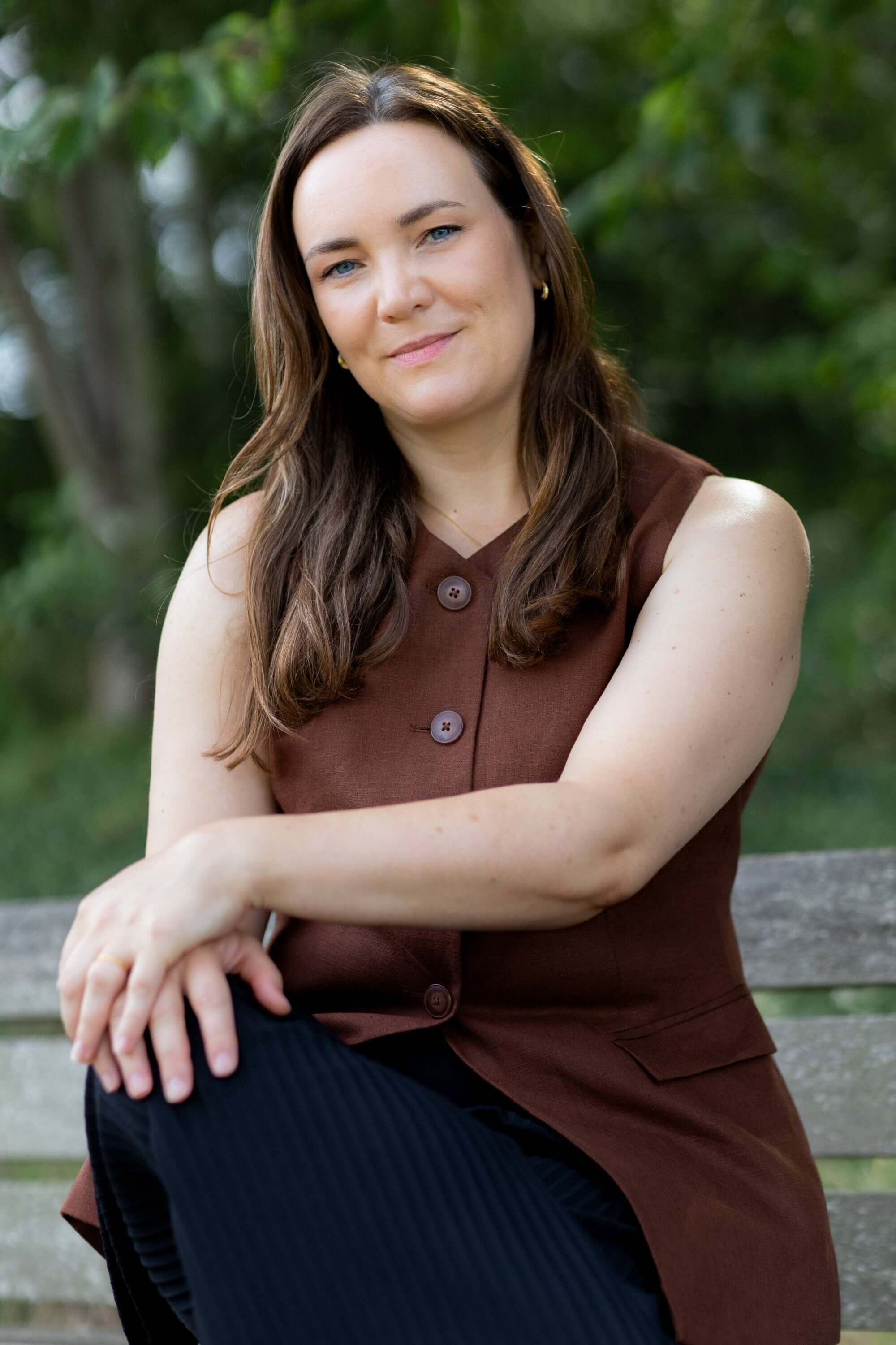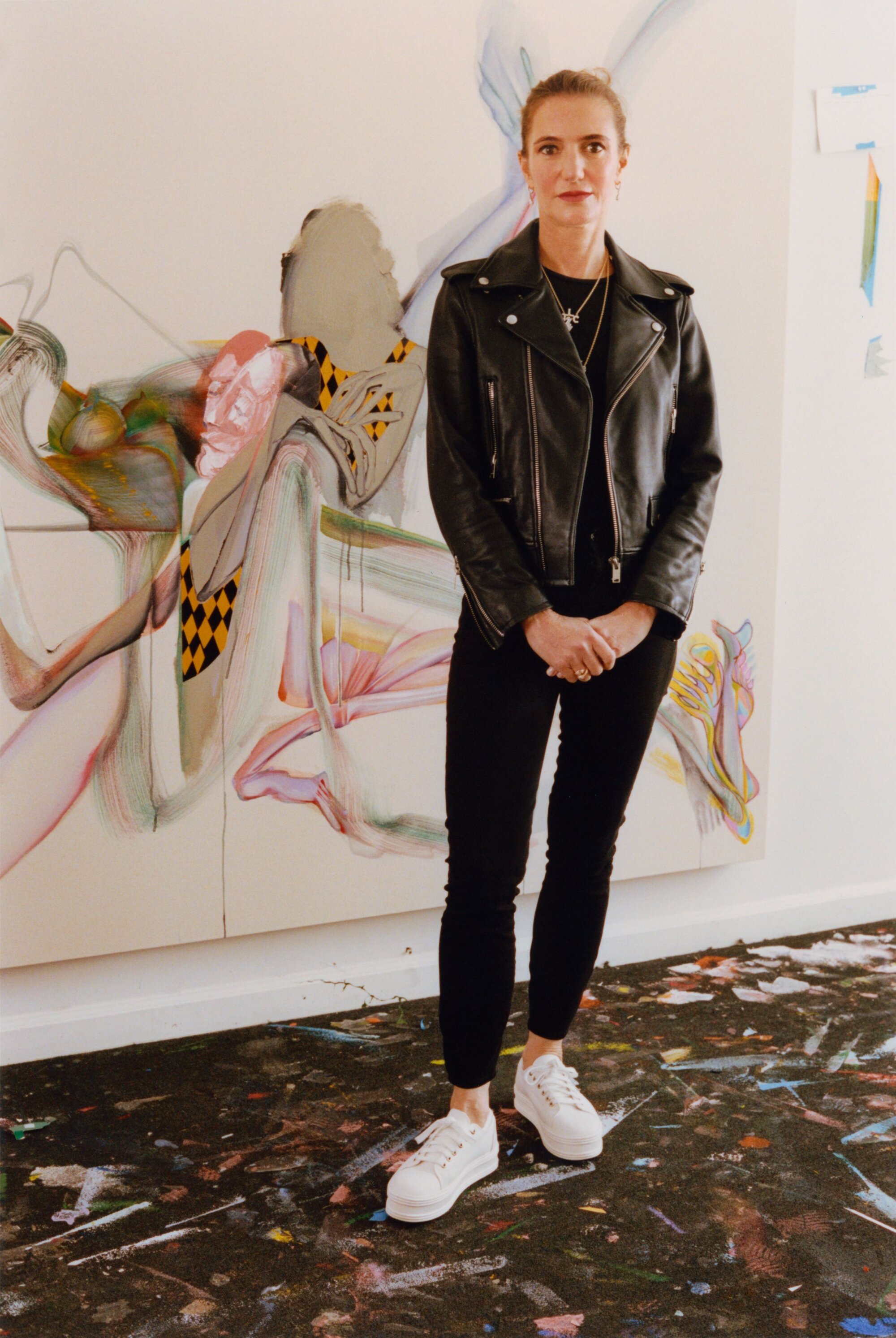
The Wick Culture - Portrait of Pilar Corrias. Photo: Meg Young The Wick Culture - Portrait of Pilar Corrias. Photo: Meg Young
Monday Muse

Interview “The Artists Are What Keep the Gallery Running”: Pilar Corrias on Building a Gallery Her Way

Interview
Pilar Corrias
Photography
Meg Young
07 September 2026
Interview
Pilar Corrias
Photography
Meg Young
07 September 2026
On a Monday morning in London, Pilar Corrias is usually on two wheels. She cycles from home to Mayfair, picks up a coffee on Savile Row and heads into one of the two gallery spaces that bear her name. A deceptively simple start to weeks spent working on exhibitions and artist projects in London and around the world. Since opening Pilar Corrias in 2008, the art dealer has built one of the capital’s most distinctive contemporary programmes around a conviction she returns to throughout our conversation: know what you believe in, and stand behind it.

Eighteen years on, the gallery represents 39 international artists, two-thirds of them women. For Corrias, representation extends well beyond the gallery walls, from supporting major institutional projects to staying behind artists before the wider market catches up. She points to Sabine Moritz, whom she first met in 2012 and exhibited two years later, as one of the clearest examples of them. Corrias championed her work for years, driven by a belief in the artist long before the wider market caught up. Now, Moritz’s work has found its way into leading collections around the world.

This week, this commitment is about to take one of London’s most public stages. On 10 September, Tschabalala Self’s Lady in Blue will be unveiled on the Fourth Plinth in Trafalgar Square, with the gallery also marking the moment through Quotidian Figures, a special presentation of Self’s new work. Ahead of an autumn that will also take Pilar Corrias to Frieze London and Art Basel Paris, The Wick caught up with Corrias to talk about what 18 years as a gallerist have taught her, why London remains central to her world and the legacy she hopes to leave behind.

THE WICK:   What does a typical Monday morning look like for you?

Pilar Corrias:   A typical Monday morning, if I am in London, would involve cycling to Mayfair from my home, getting a coffee along Savile Row, where my two gallery spaces are, and then settling into my office for the day alongside my team. The gallery is so busy with upcoming exhibitions and projects in London and around the world; there is always so much to do together over the working week.

TW:   You founded Pilar Corrias in 2008. What drove you to open your own gallery and, looking back over the past 18 years, what has been the most defining lesson and memorable exhibition?

PC:   I had always dreamt of having my own gallery and it felt like something I needed to do. When I first opened the gallery, I didn’t know what direction it would take. I think the most defining lesson I have learnt is to know what you believe in and your vision in what you see, as this is what you should enact into the world.

I met Sabine Moritz back in 2012 and subsequently held my first exhibition with her at the gallery in 2014. I championed Sabine’s work relentlessly and it took effort for people to notice it and buy it. Following my last solo exhibition with Sabine in 2025, and after all the work of having believed in her, Sabine’s work was placed across the best collections around the world. It is important to really believe in the core of what the artist is about and things will fall into place naturally from that point; it is not always obvious to the outside world.

“I think the most defining lesson I have learnt is to know what you believe in.”

Pilar Corrias

TW:   You are a constant champion of female artists – who are you coveting for your own collection and what is the one biggest narrative shift you have seen with female artists?

PC:   I am very lucky to work with many amazing women artists. I like to buy the work of artists I represent, from Sabine Moritz, Christina Quarles, Rachel Rose, Tschabalala Self and Georg Wilson.

Over the years, the demand for work by female artists has grown significantly. There are more women collectors wanting work by women and this has certainly helped shift collector patterns. There is still a lot of work to be done in terms of equal representation within public institutions globally, but slowly the value and visibility of work by female artists is gaining the recognition it deserves.

TW:   The emerging gallery scene is exploding right now in London – what top three pieces of advice would you give to women looking to open their own galleries today?

PC:   My first piece of advice is that the most important assets you have are the artists. The artists are what keep the gallery running.

Then you need to understand you are running a business and that you need to have business acumen, not just a great eye.

Lastly, you need to build a great team around you. It’s important to know where you need support and how you can supplement your weaknesses with skilled colleagues.

TW:   What is it about London that makes it stand so tall on the world stage of culture and makes you want to be part of it?

PC:   London is a true metropolis of artists and cultural institutions – it has the highest concentration of working artists in a city. It is this vibrancy that makes it so exciting to be part of. I believe you need a very strong relationship with the artist and your gallery space. This is why I focus on London rather than attempting to translate that to multiple cities abroad. London has a collegiate spirit; there’s much more sense of community here than somewhere like New York.

TW:   Tschabalala Self, who you represent, will unveil her Fourth Plinth commission in Trafalgar Square later this month, one of London’s most prominent public art commissions. What role does public art play in a city?

PC:   Public art builds collective narratives and channels new ways of thinking and being, conjuring whole new perspectives on the world around you. Lady in Blue, Tschabalala Self’s Fourth Plinth commission, pays homage to a young, metropolitan woman – a quotidian figure – reflecting many of today’s Londoners. It is a celebration of personhood and of being human today. I am so excited to see the work installed in Trafalgar Square – it is a truly exciting moment for Tschabalala. From 10 September, the gallery will be hosting Quotidian Figures, a special presentation of new work by Tschabalala, in celebration of Lady in Blue.

TW:   In planning for a busy September, where will you be taking collectors and artists to share food and ideas?

PC:   I really love Bar Finch, which is just around the corner from the gallery. I am super happy we now have two great spots on Savile Row, Bar Finch and Dorothy’s.

TW:   September and October’s busy calendar is not just about visual art but wider culture, especially fashion. Which catwalk will you have your eye on and what will you be wearing to openings?

PC:   I have always taken good care of my clothes. My style hasn’t changed and I like to re-wear items that I really love and have collected over the years, such as vintage pieces from Miu Miu to Comme Des Garcons. I don’t believe in fast fashion.

TW:   The gallery will be showing at the upcoming editions of Frieze and Art Basel. Why do you think art fairs are still so important?

PC:   Art fairs bring community together. They are a great place to get artworks seen by a huge amount of people and to start conversations. At the moment, I am taking on a more curated approach to fairs – for this year’s Art Basel, I presented a solo booth by Sabine Moritz.

At Frieze London this year, I will be showing Sholto Blissett, Rachel Rose and Georg Wilson, in a focused presentation of new work exploring the influence of early modern British landscape painting across these artists’ practices. This is such a brilliant opportunity to show some of the newer artists in my programme, Sholto and Georg, alongside Rachel, who I have worked with for a long time.

For Art Basel Paris, I am working towards a solo presentation by Christina Quarles with new large-scale paintings and charcoal works on paper. I am particularly excited about showing Christina’s work in the context of the Grand Palais!

TW:   Who is your ultimate Monday Muse and why?

PC:   If I can say two names here, it has to be Jessica Morgan and Sally Tallant. Both are about to take up new positions, Jessica as Director at Tate and Sally as Director at the Hayward Gallery, and I cannot wait to see the directions they push these iconic institutions.

TW:   What would you like your legacy to be?

PC:   I’d like to be known as a gallerist who contributed to changing the canon of art history.


Share story
Further Information
READ MORE
The Wick Culture - Photo: Matthew Cole
Monday Muse

Interview “I Fell Into My Career by Accident”: Amrita Jhaveri on Building a Life in Art

The Wick Culture - Natasha Shafi photographed by Hannah Dace, 2026
Monday Muse

Interview Inside Natasha Shafi’s World of Artful Travel

The Wick Culture - © Cleo Leather
Monday Muse

Interview Vanessa Branson

The Wick Culture - Zineb Sedira. Photo: Adrian Flower
Monday Muse

Interview Zineb Sedira Is Letting Cinema Speak

The Wick Culture - Above: Rana Begum. Courtesy of SCAD
Monday Muse

Interview Rana Begum

The Wick Culture - Aoife Leach Headshot
Monday Muse

Interview Aoife Leach